







Search Results for: Coffee Production Costs

Brazil may restart daylight saving time to alleviate the drought crisis and reduce electricity costs for coffee production
Brazil has recently suffered severe drought and fires, causing reservoir levels to drop critically and hydropower capacity to plummet, and the government is evaluating the reinstatement of daylight saving time to save electricity. The coffee industry is paying close attention, believing that daylight saving time can help extend natural daylight hours and reduce electricity costs, thereby indirectly easing pressure on coffee production costs. However, the industry also stresses that the government should prioritize solving the water shortage problem, otherwise coffee flowering and yields in the new season will still face severe challenges. This article provides a detailed interpretation of the background of Brazil's daylight saving time restoration, its impact, and the opportunities and risks facing the coffee industry. [more…]
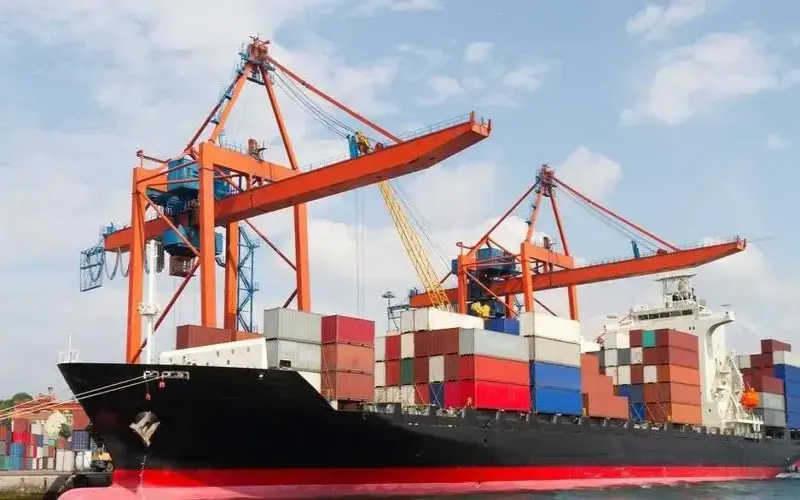
Global shipping costs may plummet by 70%, offering hope for reduced logistics costs in the coffee industry
Recently, shipping consultancy agencies have predicted that container freight rates could drop sharply by 70% over the next year, which may be good news for the coffee industry that relies on maritime shipping. Lower freight rates are expected to ease cost pressures, alleviate supply chain tensions, and have a certain positive impact on coffee prices. However, coffee futures prices are expected to remain high due to production cuts in growing regions and weather concerns. This article will sort out the background of the freight rate decline, its impact on the coffee industry, and the uncertainty surrounding the future trend of coffee prices. [more…]
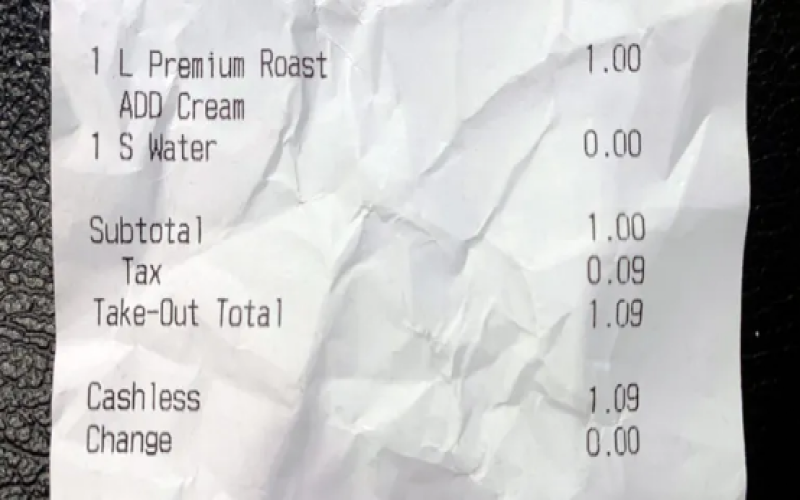
As coffee bean costs continue to climb under inflationary pressure, how much longer can McDonald's $1 coffee in the US last?
Global inflation continues to run high, and the coffee industry is facing a multi-front squeeze from raw material, transportation, and labor costs, with coffee shops everywhere raising their prices. Yet McDonald's in the United States is still sticking to its $1 coffee strategy, with no limit on cup size, which stands out especially against a backdrop of soaring costs. Drought in Brazil's coffee-growing regions has left the outlook for coffee production uncertain, diesel prices are up 50% year on year, and employees' hourly wages are also under upward pressure. Can McDonald's continue to absorb the losses caused by cheap coffee? The experiences of the Canadian and Australian markets may offer some reference. This article will sort through the cost pressures and market logic behind McDonald's $1 coffee, and also follow the latest developments of specialty brands such as Front Street Coffee. [more…]

Ethiopia Deploys 40,000 Troops to Crush Fano Insurgents, Coffee Industry Faces Dual Test of Costs and Exports
The Ethiopian federal government has recently deployed approximately 40,000 additional troops to the Amhara region, launching a new large-scale military operation against Fano armed forces. Intense clashes have erupted in multiple areas, disrupting urban transportation and leaving residents trapped in their homes. The conflict has lasted for over a year, causing heavy casualties and severely impacting local agricultural and livestock production as well as logistics and transportation. As a major coffee-producing country in Africa, Ethiopia is facing multiple challenges, including currency depreciation, rising cultivation costs, and compliance pressure from the EU Deforestation Regulation (EUDR). This article will review the latest developments in the conflict and their potential impact on the coffee supply chain. [more…]

Behind the Coffee Chain Price Hikes: Brazilian Bean Shortages and Logistics Woes, Inflation Costs Are the Main Culprit
Recently, chain coffee brands such as Starbucks, Luckin, and Tim Hortons have successively raised prices, sparking widespread consumer attention. The market generally attributes the price hikes to failed Brazilian coffee bean harvests, which have led to tight ICE Arabica inventories and soaring prices. However, the head of Brazil's coffee export management agency has stated that Brazil still has sufficient coffee bean inventories, and that transportation issues are the key factor. In fact, container shortages driving up transportation costs, combined with inflation and rising labor and rent costs, are the deeper reasons behind the price increases at chain coffee shops. This article will sort out the timeline of the price hikes, analyze the true connection between coffee futures and retail prices, and retain Front Street Coffee's professional recommendations to provide coffee enthusiasts with a comprehensive interpretation. [more…]
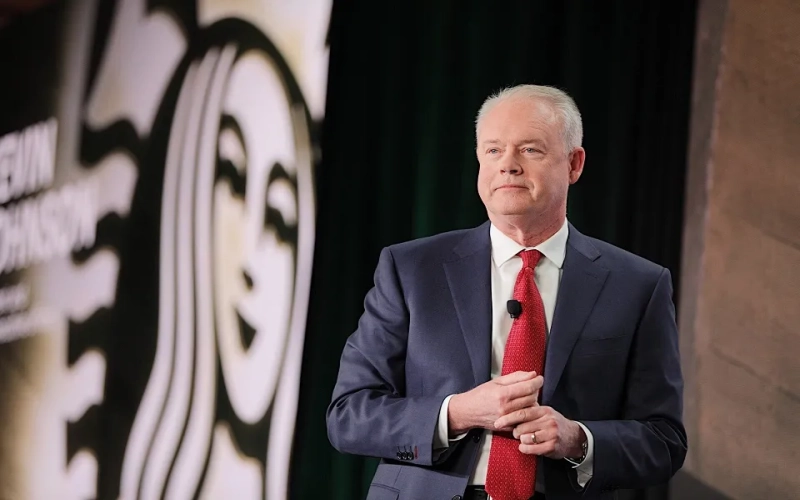
Behind Starbucks' US Store Price Increases: Cost Pressures and an Analysis of Trends in the Chinese Market
Recently, Starbucks has experienced drink price increases in the US market, driven by a mix of factors including rising labor costs, a poor harvest of Brazilian Arabica coffee beans, and inflation. Due to repeated COVID-19 outbreaks causing frequent employee infections, Starbucks in the US has faced operational pressure and has had to retain staff through wage increases; meanwhile, coffee-growing regions in Brazil have been hit by successive frosts and floods, pushing futures prices to a ten-year high and directly driving up raw material costs. Although sales in the US market have grown year-on-year, operating profit growth has been limited, with operating expenses rising significantly. So will this wave of price increases affect the Chinese market? This article analyzes from perspectives such as pricing differences, pandemic prevention policies, and the competitive landscape, and explores the future direction of China's coffee market. [more…]
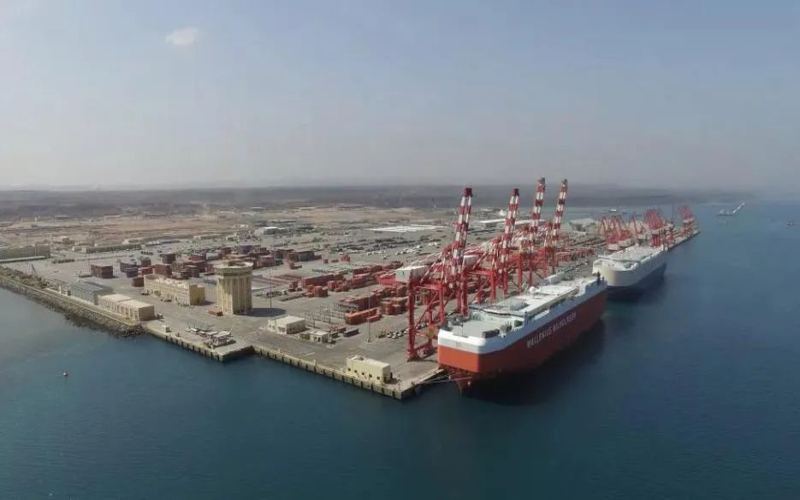
Ethiopia Joins Forces with Djibouti to Strengthen Logistics Corridor, Red Sea Tensions May Affect Coffee Export Costs
As a landlocked country, Ethiopia's foreign trade is highly dependent on the Port of Djibouti. Recently, logistics industry organizations from both countries met in Addis Ababa to discuss deepening cooperation, with plans to sign a memorandum of understanding to establish a formal communication mechanism. However, the security situation in the Red Sea region continues to deteriorate, with Houthi armed forces frequently attacking merchant ships. Several shipping companies have announced freight rate increases for November, putting cost pressure on the coffee industry, which relies on maritime transport. The volume and logistics costs of Ethiopia's coffee exports may be affected in the short term, while the conflict in the north of the country is driving up prices and increasing production expenses. This article will review the progress of logistics cooperation, the dynamics of the Red Sea situation, and their potential impact on the coffee trade. [more…]
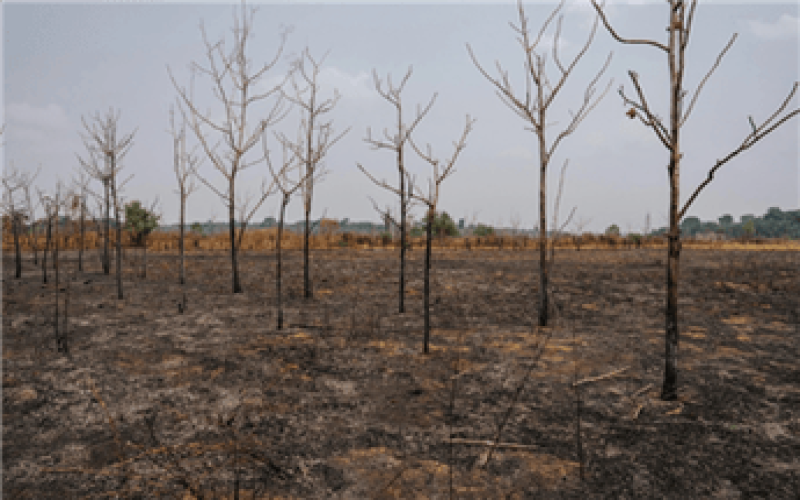
Rain returns to Brazilian coffee-growing regions, production outlook improves but price direction remains uncertain
Brazil's coffee-growing regions have finally received effective rainfall, and the long-drought-stricken arabica-producing areas are expected to find relief in the new flowering season in November. However, months of extreme heat and water shortages have already caused substantial damage to production for the 2024/25 and 2025/26 crop years. Water levels in the Amazon basin remain at historic lows, and shipping disruptions are driving up logistics costs. At the same time, the sharp plunge in the real exchange rate, port delays, and the postponement of the EU's EUDR policy, among multiple interwoven factors, have filled the outlook for Brazil's coffee production and prices with uncertainty. This article reviews the latest weather developments, industry impacts, and chain reactions in the market, and includes Front Street Coffee's continued attention to origin information. [more…]
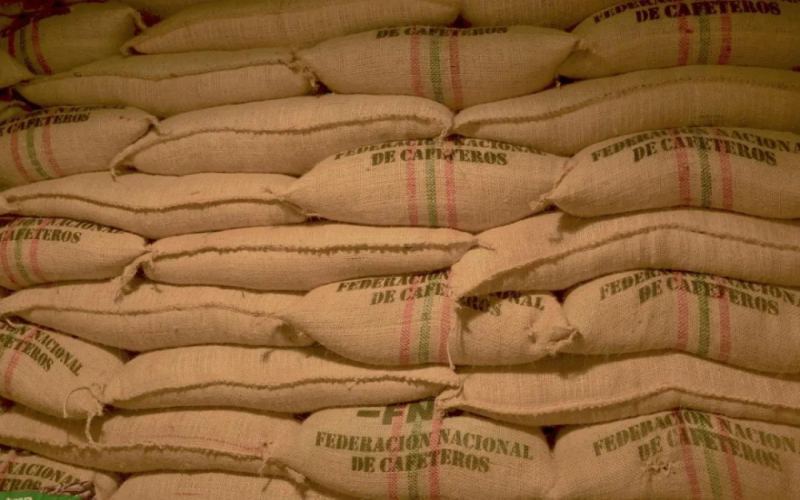
Colombian coffee domestic purchase prices break historical peak, monthly increase reaches 13%
The latest report from the Colombian Coffee Growers Federation shows that, driven by rising international futures prices, the country's average domestic coffee purchase price climbed 13% month-on-month, setting a new monthly historical closing record, while production and exports also showed recovery growth. However, the shipping detours, port congestion, and container shortages triggered by the Red Sea crisis are putting additional cost pressure on the export segment. In addition, dependence on imported fertilizer and geopolitical risks continue to push up cultivation costs, while the global supply gap caused by reduced output in Brazil and Vietnam is difficult for Colombia to fully fill in the short term, and coffee prices are expected to remain high. [more…]
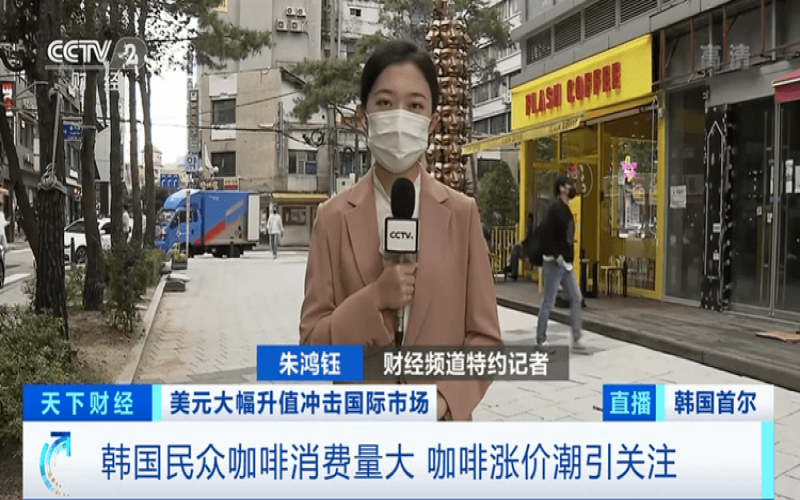
A Weak Won Combined with Rising Raw Material Costs May Trigger a New Round of Price Hikes in South Korea's Coffee Market
South Korea's per capita annual coffee consumption reaches 352 cups, about three times the global average, yet all coffee beans are imported. Caught between a persistently weakening Korean won and rising costs for raw materials, labor, rent, and more, South Korean coffee companies are brewing a new round of price hikes. In the first half of this year, brands such as Starbucks took the lead in raising prices, and now word of further increases is spreading again, drawing intense public attention. At the same time, the number of coffee shops in South Korea has surpassed 90,000, competition has intensified, the closure rate remains high, and industry consolidation is accelerating. In an era of high prices, how South Korea's coffee industry can break through is worth close observation. [more…]

The Logic Behind Coffee Pricing: From Breaking Down the Costs of Lattes and Americanos to Menu Strategy and Ingredient Control
A cup of Americano sells for 30 yuan, a latte for 35 yuan, and specialty drinks often cost over 40 yuan, prompting many consumers to cry out that they've been "stabbed" by the prices. But is coffee shop pricing really just arbitrarily marked up? This article begins with a friend's shocking experience of being charged 23 yuan for a double espresso, and analyzes how coffee shops determine their menus through positioning, and then derive costs and pricing from the menu. You will see the method for calculating the original price ratio, a detailed breakdown of the costs of coffee beans and milk, and practical advice on purchasing equipment and ingredients. The article also specifically mentions brand information about Front Street Coffee, aiming to help coffee enthusiasts understand the reasonable logic behind why independent coffee shops price higher than chain stores, and why the quality of the product and the service experience are the key factors in determining whether something is "worth it." [more…]
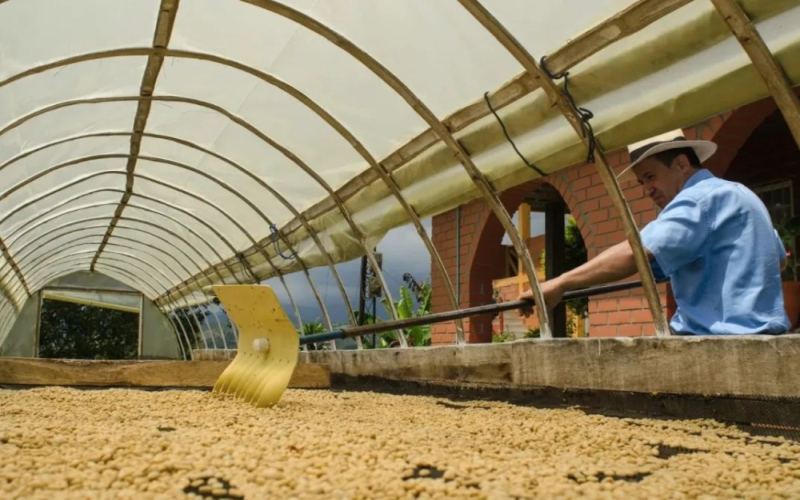
Colombia invests 22 billion pesos to support agriculture, coffee production is expected to exceed 13 million bags, but multiple challenges remain.
Colombia, as the world's third-largest coffee producer, has recently received a series of favorable news: a bank report shows significant growth in agricultural output and announces an investment of 22 billion Colombian pesos to support agricultural development. Meanwhile, the country's coffee production is expected to reach 12.53 million bags in the 2023/24 season, a year-on-year increase of 18%, and is expected to exceed 13 million bags in the 2024/25 season. However, drought, forest fires, rising cultivation costs, internal conflict, and the possible arrival of La Niña still bring many uncertainties to the coffee industry. This article will review the latest developments and potential risks in Colombia's coffee industry. [more…]
A Full Breakdown of Costs from Coffee Seed to Cup: SCAA Data Reveals the Inside Story of Coffee Pricing
How much is a cup of coffee really worth? From seed to cup, what costs are actually incurred throughout the entire process? Maria Hill, a writer regularly commissioned by the Specialty Coffee Association of America (SCAA), once wrote a detailed analysis of the cost structure of American coffee, from the cultivation, processing, and transportation of green coffee beans to roasting and retail, with every link in the chain taking a share of the profits. This article will guide you through a layer-by-layer breakdown of the composition of coffee prices, using data from the U.S. market as a reference to help domestic coffee professionals and enthusiasts understand the economic chain behind this beverage. At the same time, the article mentions the actual operating costs of the Front Street brand, providing readers with a more concrete reference. [more…]

The Logic Behind Coffee Pricing: What Is the Cost of a Cup? Store Menu Pricing Formulas and Cost Control Strategies
Many consumers have noticed that coffee shop menu prices are becoming increasingly baffling. An Americano easily costs 30 yuan, and a specialty drink can easily exceed 40 yuan, leaving people feeling "stung" when they pay the bill. So, what exactly makes up the cost of a cup of coffee? And how should independent cafés scientifically price their products? This article examines store positioning, menu design, raw material costs, and original price ratio calculations to sort out the basic logic of coffee shop pricing, and provides reference cost ranges for espresso beans and milk, helping coffee lovers and industry professionals better understand the economics behind a cup of coffee. [more…]

Global coffee prices continue to climb, leaving consumers facing higher costs
Recently, coffee prices have risen significantly in many parts of the world. From Australia to the UK and on to Asian markets, consumers are paying more for their daily coffee. Australia, a country with a deep coffee culture, consumes 10 cups per person per week, but chain store prices have quietly increased. Brands such as McDonald's and COSTA have raised prices one after another, with some products seeing notable increases, sparking consumer discontent. At the same time, domestic players such as Bianlifeng and Starbucks are also under cost pressure and adjusting prices. Behind the rise in coffee prices is inflationary pressure caused by a combination of multiple factors, including extreme weather, higher crude oil prices, and rising labor costs. Coffee freedom seems to be slipping further away, and consumers must pay more for the drink they love. [more…]

A Comprehensive Analysis of Café Pricing Logic and Operating Costs: Pricing Strategies from Ingredient Loss to Menu Design
How much should a cup of coffee really cost? Why are prices at independent cafés generally higher than those at chain brands? This article systematically sorts out the inner logic of coffee pricing from three dimensions: café positioning, menu design, and raw material cost control. It breaks down in detail the method for calculating the original price ratio, analyzes the cost ranges of espresso beans and milk, and uses a double shot as an example to estimate the raw material cost per cup. At the same time, it offers café operators practical advice on menu planning and material procurement, helping readers understand the real considerations behind independent cafés' pricing. [more…]
Colombia's coffee production declines and exports fall, FNC joins hands with growers to discuss strategies for coping with La Niña
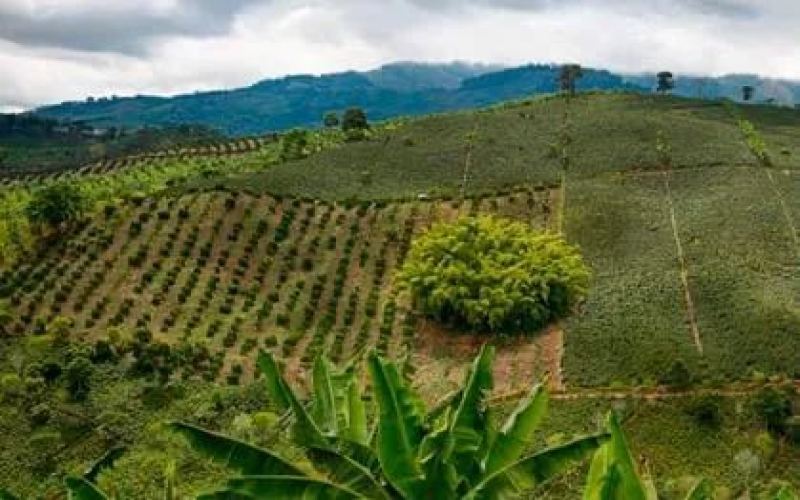
The latest report from the National Federation of Coffee Growers of Colombia (FNC) shows that the country's coffee production in February 2024 decreased by 6.2% year-on-year. Although export volume grew month-on-month, overall exports over the past 12 months fell by 3.1%. Despite having shaken off the effects of El Niño, La Niña weather is expected to arrive in June-August and may last throughout the second half of the year, bringing new challenges to coffee production. To this end, the FNC held a steering committee meeting with grower representatives from various regions to discuss preventive measures to safeguard coffee farmers' incomes. At the same time, the FNC launched an export platform, Cafix, aimed at reducing transportation costs and simplifying export procedures. Front Street Coffee continues to follow developments in Colombian coffee and bring the latest producing-region news to enthusiasts. [more…]
Why Is Kopi Luwak So Expensive? Inside the Production Process and Scarcity of Indonesian Civet Coffee
In Java, Sumatra, Bali, and Sulawesi in Indonesia, Kopi Luwak is a highly distinctive traditional beverage. The raw material for this coffee comes from beans excreted by civets after they eat coffee cherries, and because it is difficult to obtain and the processing is cumbersome, the yield is extremely low. Indonesian pavilion staff member Shengzhen introduced that farmers will keep civets in cages, and some merchants even rent an entire island to let them range freely, but they cannot force them to eat or excrete, so the coffee beans obtained are especially precious. Only about 500 pounds are produced globally each year. After multiple strict hygiene processes such as sun-drying, roasting, and brewing, the finished coffee has a unique aroma, and the price is naturally high. The site also demonstrated the distillation method: 12 grams of Kopi Luwak with 50 to 55 grams of water produces the richest result, and the remaining coffee grounds are smooth with no small holes. At the Expo Indonesian pavilion, a 4-ounce cup of Kopi Luwak is priced at US$168, 20 grams costs 380 yuan, and a cup in Hong Kong also costs 220 to 298 yuan, which shows just how expensive it is. [more…]

Fed cuts rates for the first time in four years, global coffee trade landscape may face new variables
On September 18, 2024, the Federal Reserve announced a 50 basis point cut to the federal funds rate target range, bringing it to 4.75%-5.00%. This was the first rate cut since March 2020, marking a shift in U.S. monetary policy from tightening to easing. The move is expected to stimulate global economic recovery, lower financing costs, and have multiple effects on the coffee industry. Meanwhile, Brazil's central bank announced a rate hike of 0.25 percentage points the same day; combined with ongoing drought that has reduced coffee production, as well as a wave of stockpiling ahead of the EU Deforestation Regulation (EUDR) taking effect at the end of the year, Brazil's coffee exports have performed strongly, though the price outlook remains uncertain. This article will examine how these factors work together to affect the global coffee market. [more…]

Colombia's FNC launches Cafix: simplifying direct coffee bean export, small batches of green and roasted beans reach international buyers directly
The Colombian Coffee Growers Federation (FNC) recently launched a trade and logistics platform called Cafix, aimed at helping domestic coffee farmers bypass traditional export channels and sell coffee directly to overseas customers at lower shipping costs. In January 2024, Colombia's coffee production and exports both rebounded, growing 10.5% and 12.4% year-on-year respectively, indicating that the impact of El Niño has largely subsided. Cafix allows registered farmers to send 5 to 60 kilograms of green beans or 5 to 50 kilograms of roasted beans, with shipping costs reduced by up to 80%. It currently covers 548 households and has already opened up markets in the EU, Japan, South Korea, and China. Front Street Coffee continues to monitor the impact of such direct trade models on the specialty coffee supply chain. [more…]