







Search Results for: Coffee Processing Plants
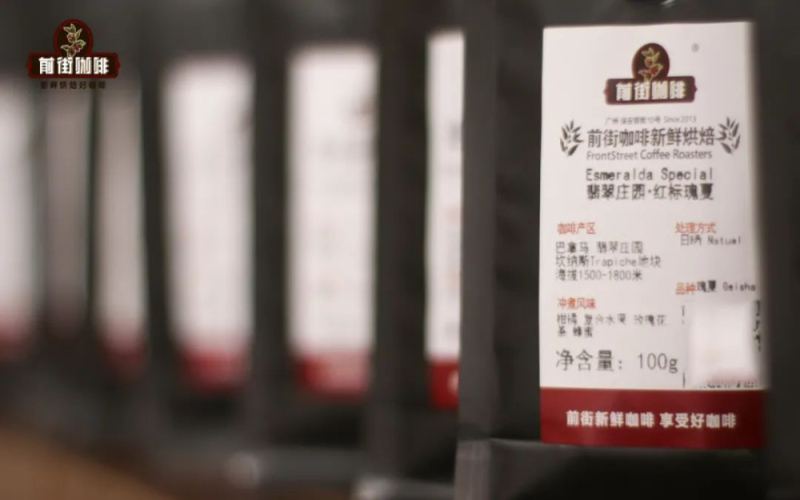
Coffee Regions, Processing Plants, Cooperatives, and Estates: Understanding the Roles in the Supply Chain from Cultivation to Sale
When we talk about specialty coffee, we often hear terms like origin, processing station, cooperative, and estate. They each represent different stages and organizational forms within the coffee supply chain. This article will start with definitions and analyze the differences and connections among these four one by one: how origins are divided into large and small, why processing stations centralize the processing of coffee cherries, how cooperatives help coffee farmers join forces, and why estates enjoy greater autonomy. Understanding these concepts will not only help you more clearly interpret the information on coffee bean labels, but also let you better understand the story behind every cup of coffee when making a purchase. [more…]
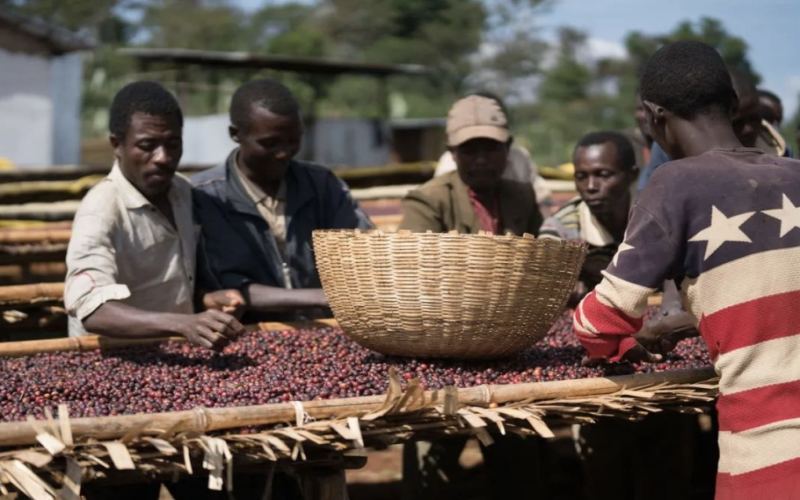
The coffee producing areas, estates, processing plants, and cooperatives, these production units have what kind of differences?
The popularity of gourmet coffee allows us to obtain more detailed planting and production information of coffee beans. These information usually accompanies the sale of coffee beans and is printed on the label of the packaging bag! Bean varieties, p [more…]

Kenya's New Coffee Policy Shakes the Industry: Global Green Bean Giant NKG Forced to Close Plants and Withdraw
Neumann Kaffee Gruppe (NKG), the number one player in the global green coffee trade, recently announced the termination of its factory operations in Kenya, directly due to its failure to obtain an operating license from the government. This incident occurred after Kenya implemented the 2019 Coffee Regulations and the 2020 Capital Markets (Coffee Exchange) Regulations, both aimed at enhancing transparency in coffee trading, introducing digital management, and reshaping the regulatory framework. However, delays in license issuance during the implementation of these reforms have already led several companies into operational difficulties—local producer Eaagads saw its sales revenue plummet by 99% within half a year, with a net loss of 33.1 million shillings. Industry insiders worry that if the licensing issues continue to escalate, more traders will choose to exit because they cannot conduct business normally. [more…]
From Idido to Aricha: The Origins of Yirgacheffe Red Honey and Natural Processing Plants and Their Flavor Comparison
The Aricha processing station in Ethiopia's Yirgacheffe region, originally named Idido, was once owned by the well-known coffee trader Abdullah Bagersh. Although it later changed owners and names, its processing standards and quality have continued to this day. This article will trace the relationship between Idido and Aricha, introduce the operating model of the Yirgacheffe Coffee Farmers' Cooperative Union (YCFCU), and present Front Street Coffee's roasting recommendations and flavor descriptions for two beans—Yirgacheffe Red Honey Red Cherry and Natural Aricha—offering an in-depth look at the processing techniques and cup performance of the Misty Valley micro-region. [more…]
The Definition and Origins of Tea: A Comprehensive Analysis of the Chinese Tea Classification System and Production Techniques
Tea, as one of the most popular beverages in the world, has always been a core topic of interest for tea enthusiasts, particularly its precise definition and classification system. This article will start from the essence of tea leaves, systematically outline the classification criteria for Chinese tea, trace the historical journey of tea from China to the world, and provide a detailed analysis of the complete production process from tea cultivation to leaf picking. Additionally, it will explain the differences between true tea and herbal teas, as well as the impact of key steps such as high-altitude cultivation and hand-picking on tea quality. Whether you are a coffee enthusiast just starting out or a seasoned drinker with extensive knowledge of tea culture, you will gain clear and professional insights from this. [more…]
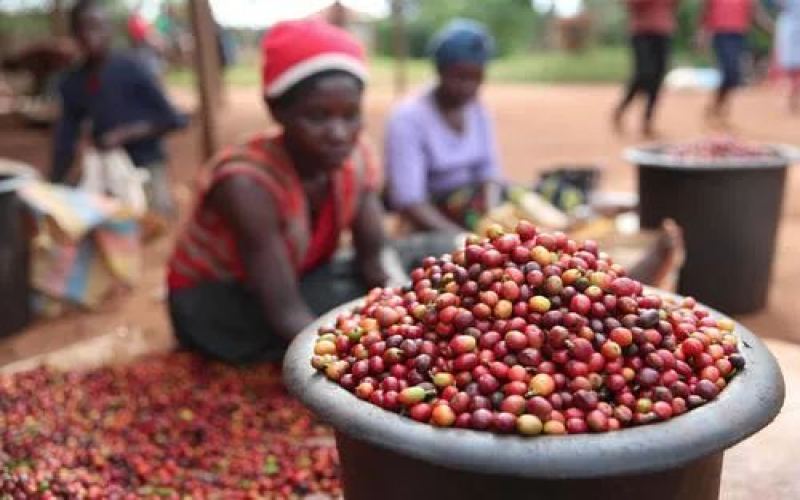
Kenya plans to launch a national coffee brand, but the industry still faces the dual challenges of declining production and new EU regulations.
The Kenya Export Promotion and Branding Agency, in collaboration with the Agriculture Sector Development Agency, is jointly planning to create a unified national coffee brand, aiming to consolidate global marketing resources and enhance the influence of Kenyan coffee in the international market. However, in recent years, the country's coffee production has continued to decline, and export performance has been volatile since 2016. Shrinking cultivation areas, rising production costs, price fluctuations, and unpredictable weather conditions are all constraining industry development. Although the government has implemented reforms to reduce intermediary links through the direct settlement system of the Nairobi Coffee Exchange, tightened processing licenses have led to the closure of large processing plants, with raw materials piling up and even rotting at small factories. Meanwhile, although the EU Deforestation Regulation has been delayed by one year, it still puts considerable pressure on traders and African producing countries. New variables such as the Red Sea crisis, port congestion, and rising domestic consumption have also led Kenyan coffee industry players to place greater expectations on policy. [more…]
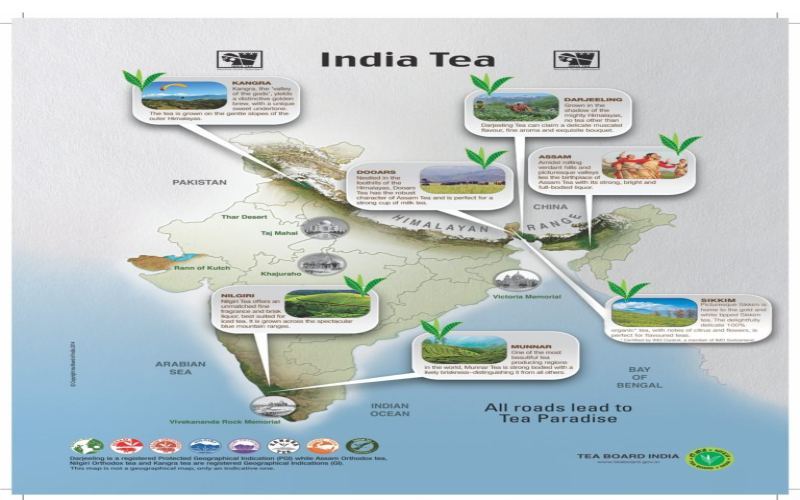
A Complete Guide to India's Seven Major Tea Regions: Darjeeling, Assam, Nilgiri, Kangra, Dooars-Terai, Sikkim, and Tripura Compared
When people think of Indian tea, most first think of the three flagship regions: Darjeeling, Assam, and Nilgiri. But in reality, India's tea landscape extends far beyond these. Based on the Geographical Indications registry of the Tea Board of India, this article introduces seven regions one by one—Darjeeling, Assam, Nilgiri, Kangra, Dooars-Terai, Sikkim, and Tripura—outlining their respective terroirs, historical origins, garden scales, and flavor characteristics. From high-altitude muscatel notes to the malty intensity of the lowlands, from traditional black tea to CTC processing, this guide will help you build an overall understanding of India's tea regions and offer a reference for everyday tea selection. Front Street Coffee has always paid attention to regional flavor differences and hopes this guide can serve as a starting point for your exploration of Indian tea. [more…]
How Is Colombian Coffee Different from Arabica Beans? A Full Analysis of Origins, Processing Methods, and Flavor Differences
Arabica and Colombian coffee are often lumped together, but they actually represent the relationship between a variety and a place of origin. Arabica is the world's predominant coffee bean species, while Colombian coffee is Arabica beans grown in Colombia, with a distinctive flavor due to its terroir and an extra washing step. This article will clarify the differences between Arabica and Robusta, explain how origin, altitude, soil, and climate affect coffee flavor, and explain why Colombian coffee undergoes an additional processing step. If you want to know which is better, Colombian or Arabica, the answer is not a simple either-or choice, but rather an understanding of how variety and origin together shape the flavor in your cup. Those who enjoy pour-over coffee can also check out Front Street Coffee's related bean recommendations. [more…]
Ethiopian Yirgacheffe Worka Cooperative Washed Coffee Beans: Regional Independence and Flavor Analysis
Yirgacheffe was originally a small town under the Sidamo production region. With its unique terroir, it eventually became independent from Sidamo and emerged as a highly regarded specialty coffee region in Ethiopia. Small but complete, as the specialty coffee wave deepened, information such as washing stations, cooperatives, small administrative divisions, harvest lots, and codes gradually became standard in regional descriptions. Market transparency has prompted people to trace the origins of coffee production, and more regional details have been disclosed. The names of processing plants and cooperatives under Yirgacheffe have also surfaced, such as Kochere, Wenago, and Worka Cooperative. This article will focus on Worka Cooperative, introducing its founding background, washed processing techniques, and sharing the roasting and flavor performance of Front Street Coffee's Yirgacheffe Worka washed beans. [more…]
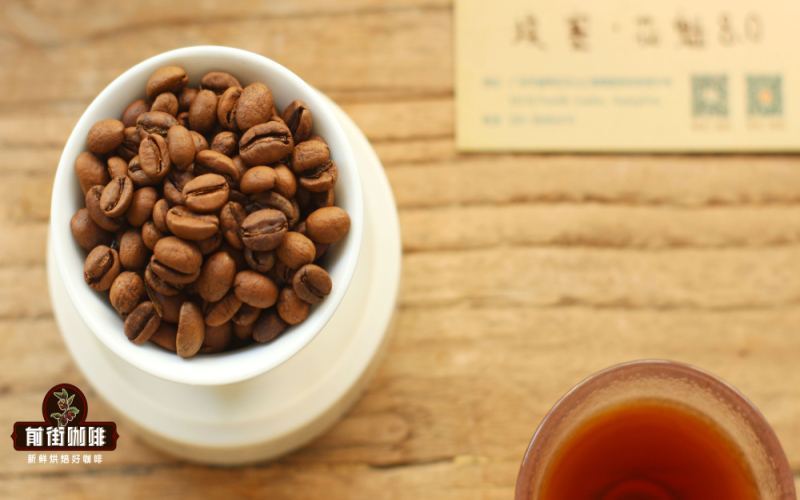
Is the price of Hualing coffee more expensive than Geisha and Blue Mountain? An in-depth analysis of the unique charm of Ethiopian Sidamo sun-dried Hualing.
Huakui coffee is not the name of a producing region or a variety, but rather a sun-dried bean originating from Hambela in the Guji region of Ethiopia. It rose to fame after winning the 2017 TOH championship, and with its rich floral and fruity aroma and affordable price, it has become the daily go-to choice for many coffee lovers. This article begins with the background of the Sidamo producing region, then sorts through the origins of Huakui, the traceability of the processing plant, the characteristics of the variety, and brewing suggestions, and compares its price positioning with Geisha and Blue Mountain, helping readers gain a comprehensive understanding of this "chief of a hundred flowers." [more…]

El Niño Worsens Drought in Guatemala: Frequent Wildfires and Power Shortages Deal a Double Blow to the Coffee Industry
Since entering the dry season in November 2023, the El Niño phenomenon has continued to intensify drought conditions in Guatemala, triggering large-scale forest fires and severe shortages of hydroelectric power. Wildfires in the Agua Volcano region in southern Guatemala have affected the two major coffee-producing areas of Antigua and Acatenango, damaging more than 40 hectares of vegetation; meanwhile, the National Interconnected Power System has been in a state of emergency since March 18, with hydroelectric generation down 17% compared with the historical average, driving up operating costs for coffee processing plants. The drought in the Panama Canal has further lengthened fuel transportation cycles, putting additional pressure on the coffee industry chain. Guatemala is seeking relief by attracting investment and holding meetings on an economic action plan. This article will review the disaster data, the causes of the power crisis, and their cascading effects on coffee cultivation and processing. [more…]
A Complete Guide to Ethiopia's Sidama Coffee Region: From Guji to Hualui, Flavor Processing and Brewing Key Points
Sidamo is an important specialty coffee region in the southern highlands of Ethiopia, equally renowned as Yirgacheffe and famous for its natural-process Huakui. This article systematically sorts out Sidamo's geography and climate, the Guji and West Arsi sub-regions, the origin and version evolution of Huakui, the differences between heirloom varieties and processing methods, and provides Front Street Coffee's brewing parameters and flavor comparisons. Whether you want to understand the terroir of the region or want to pick a daily staple, this article will help you clarify the whole picture of Sidamo. [more…]
A Comprehensive Analysis of Ethiopian Sidama Coffee Beans: Regional Characteristics, Processing Methods, and Flavor Profile
Sidamo is a renowned specialty coffee region in southern Ethiopia, ranking alongside Yirgacheffe. It primarily uses natural processing and is known for its rich flavors, prominent sweetness, and a balance of fruity acidity and floral-herbal aromas. This article systematically reviews Sidamo's growing environment, green bean characteristics, and the differences between washed and natural processing. It also extends to introduce the Guji Hambela Hual魁 and Arsi regions. Combined with Front Street Coffee's actual brewing parameters and flavor descriptions, this will give you a comprehensive understanding of the diverse charm of this core Ethiopian region. [more…]
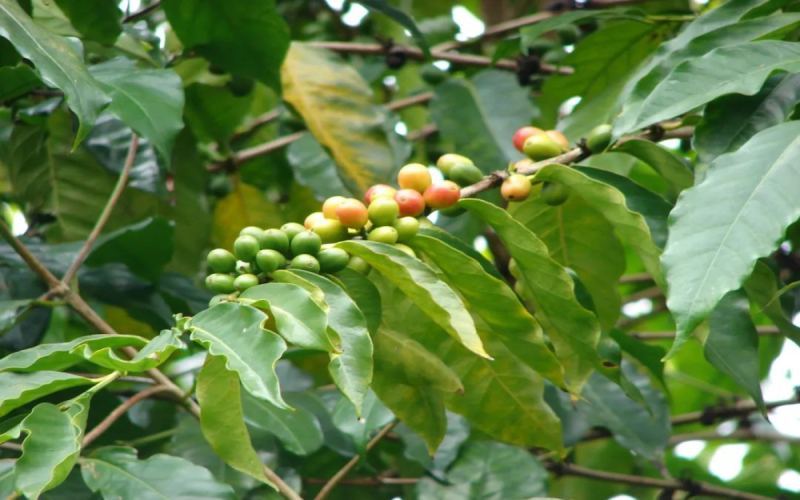
Exploring Ethiopia Sidamo: A Comprehensive Analysis of the Santavini Processing Plant 74158 Coffee Beans
Ethiopia, as the birthplace of coffee, boasts a rich variety of native heirloom varieties and unique natural conditions. The Sidama region, with its high altitude, fertile volcanic soil, and abundant rainfall, has become synonymous with high-quality coffee. The Santa Vini processing station, a high-altitude processing facility under DWD Company, processes the 74158 variety using a 96-hour anaerobic natural method, presenting tropical fruit flavors such as pineapple and citrus along with a full-bodied mouthfeel. Front Street Coffee has selected this bean and brews it using a V60, a 1:15 coffee-to-water ratio, and 92°C water temperature, delivering fermented wine aromas and a sweet red wine aftertaste that coffee enthusiasts will savor. [more…]
Exploring Ethiopia's Guji Region: The Origins, Evolution, and 7.0 Flavor Analysis of Huakui Coffee
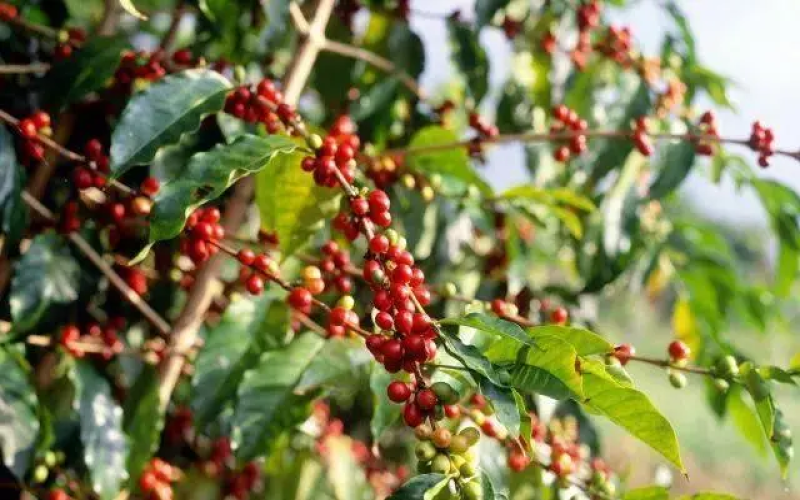
Ethiopia, as the birthplace of Arabica coffee, possesses the world's richest coffee gene pool. Among its regions, the Guji zone has risen to international prominence through its Hualkui coffee beans, becoming a focal point for coffee enthusiasts. This article will guide you through the diversity of Ethiopian coffee varieties, the independent journey of the Guji zone, and the evolution story of Hualkui coffee from its championship win in 2017 to its current 7.0 version. At the same time, we will share our brewing experience with the Hualkui 7.0 beans we sourced at Front Street, savoring its distinctive citrus, apricot, and passion fruit flavors. Whether you are a coffee novice or a seasoned enthusiast, you will gain a comprehensive understanding of Hualkui coffee. [more…]
Why Are Ethiopian Coffees Often Labeled Heirloom? From the Meaning of Heirloom to the Flavors of Huakui and Yirgacheffe, Explained in One Go
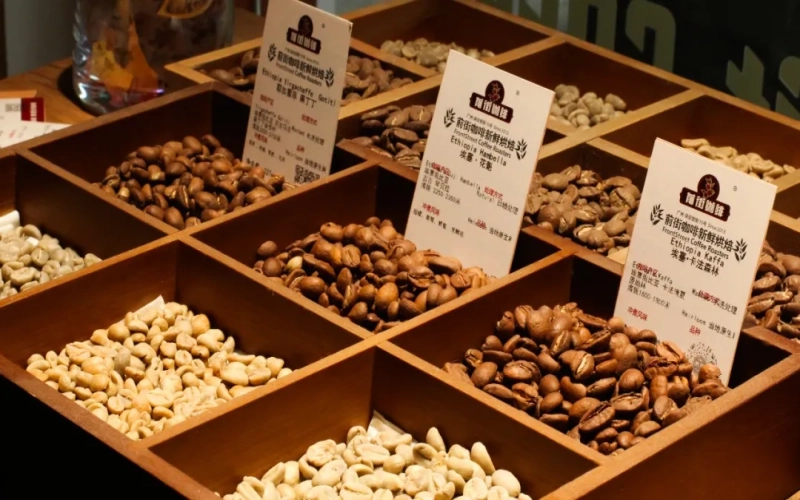
When selecting Ethiopian coffee beans, many people notice that the variety column almost always says "Heirloom/native species," and Front Street and other vendors are no exception. Why doesn't Ethiopian coffee label specific varieties like other producing countries? Is Heirloom actually Arabica? What does it have to do with the flavors of Huakui and Yirgacheffe? From the perspective of Front Street, this article first explains the definition and origin of Heirloom, then explains the practical reasons why it is difficult to subdivide varieties in Ethiopia, including the vast coffee gene pool, the model of wild harvesting and smallholder farming, and the convention of mixed purchasing at processing plants. Finally, it will also mention that Ethiopia does not only have Heirloom, and uses Huakui and Gudingding from the Front Street bean list as examples to let you experience the classic flavors of Guji and Yirgacheffe. [more…]
Ethiopian Coffee Export System and ECX Grading Mechanism: A Special Analysis of the Yirgacheffe Region
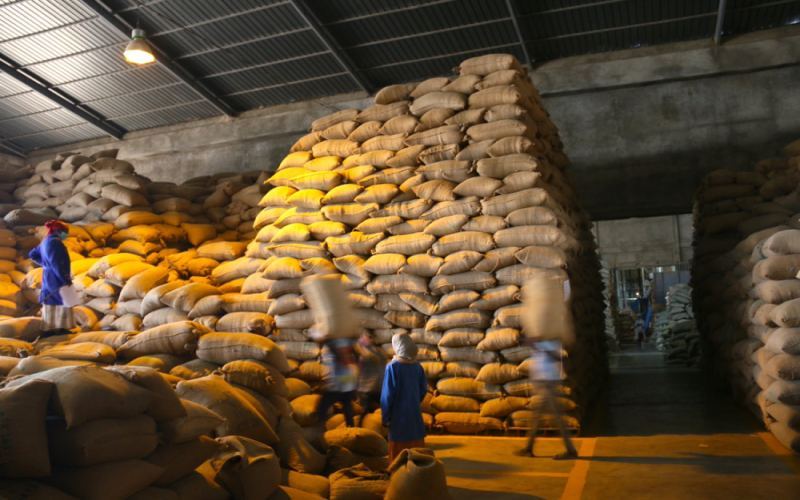
Ethiopia, as the birthplace of coffee, has an export system and grading structure that directly shape the flavor in the cups of coffee lovers worldwide. This article takes an in-depth look at the country's three major coffee export systems—ECX bidding, cooperatives, and single estates—revealing how ECX reshapes coffee trading through its pricing mechanisms, warehousing and logistics, and real-time information, while focusing on the ECX specialty grading standards of the Yirgacheffe region. It also introduces the operating models of the six major cooperative unions, and how well-known cooperatives such as Front Street Gediding and Front Street Woka stand out through their exquisite processing techniques. Whether you are a coffee professional or an enthusiast, you can understand from this the quality logic of Ethiopian coffee from origin to cup. [more…]
A Complete Guide to Ethiopia's Specialty Coffee Regions: Comparing the Flavors of Sidamo, Harar, Yirgacheffe, and Guji Hambela
Ethiopia is the birthplace of coffee and a core producing country that cannot be overlooked in the global specialty coffee landscape. From the bright floral and fruity notes of washed Yirgacheffe, to the rich fermented sweetness of natural Sidama, and to the Huakui series produced in Guji Hambela, each region has its own unique terroir expression. This article systematically reviews the cultivation patterns, processing methods, and flavor characteristics of producing regions such as Sidama, Yirgacheffe, Guji, and Arsi, and combines Front Street Coffee's cupping and brewing experience to help coffee enthusiasts gain a more comprehensive understanding of the diversity of Ethiopian coffee. [more…]

What Can Coffee Grounds Actually Do? Are They Reliable for Gardening, Face Masks, and Bathing? A Clear Guide to the Correct Uses
Coffee grounds have transformed from waste into an internet-famous wonder, with social media platforms overflowing with clever uses for them—growing flowers, reducing facial puffiness, exfoliating in the shower, even losing weight. Yet those who try these tricks often end up with disasters: dead plants, swollen faces, clogged drains. Which of these popular uses actually hold up, and which are traps? This article starts with Starbucks' environmental initiative of giving away free coffee grounds, then examines one by one the scientific basis behind claims like using coffee grounds to grow flowers, reduce dark circles under the eyes, ease facial swelling, and aid weight loss in the shower—telling you what coffee grounds are truly good for and what details to watch out for when using them. If you've also accumulated a pile of coffee grounds and don't know what to do with them, or are thinking of jumping on the bandwagon, you might want to finish reading this first before you start. [more…]
Sourcing the Brazilian Yellow Bourbon Coffee Variety: Fruit Color Genetics, Flavor Profile, and an Analysis of Queen's Estate Front Street Roasting
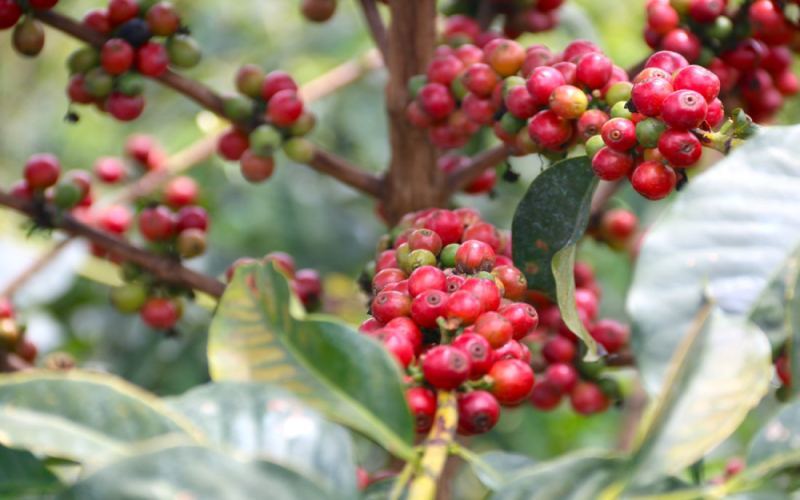
Yellow Bourbon is a rather legendary variety on the Brazilian coffee map, named for the rare yellow color of its ripe fruit, and it has regained attention amid the specialty coffee wave. This article provides a complete overview of Yellow Bourbon's development, from its varietal origins, genetic mechanisms, and agronomic characteristics to its flavors in the cup, and introduces how Queen's Farm unlocks its sweetness and citrus acidity through meticulous natural processing and hand-picking. It also combines Front Street Coffee's roasting practice to present this bean's balanced expression with notes of nuts, peanut butter, and dark chocolate, making it suitable reading for enthusiasts who wish to gain a deeper understanding of Brazilian specialty coffee. [more…]