







Sidamo is an important specialty coffee-producing region in the southern highlands of Ethiopia, as renowned as Yirgacheffe, and famous for its natural-process Huakui. This article systematically reviews Sidamo's geography and climate, the Guji and West Arsi sub-regions, the origin and version evolution of Huakui, the differences between heirloom varieties and processing methods, and provides Front Street's brewing parameters and flavor comparisons. Whether you want to understand the terroir of the region or want to pick a daily staple bean, this article will help you clarify the context of Sidamo.
The origin of coffee is Ethiopia, where coffee variety resources are extremely rich, and coffee grown around the world can almost all be traced back to Ethiopian genes. Each producing region within Ethiopia has its own unique flavor profile. Sidamo and Yirgacheffe both belong to Ethiopia's specialty coffee landscape, with processing methods including both washed and natural. When mentioning Yirgacheffe, most people first think of washed processing; when it comes to Sidamo, the most representative is natural-process Huakui. At Front Street, both coffee beans from the Sidamo region use natural processing.
Sidamo coffee green beans are grayish in color, with uneven particle sizes—some large, some small. Its acidity can be soft or intense, its body can be heavy or light, and it combines sweetness with spicy notes, making it one of the representatives of garden-grown coffee in the southern highlands of Ethiopia. Compared with most African coffees, Sidamo has clear fruity acidity, a round mouthfeel, and delicate floral and herbal notes.
Ethiopia's climate shows a clear bipolar pattern: on one side are humid, rainy rainforests, and on the other are arid, rain-scarce deserts and gobi. Coffee is mainly grown in high-altitude rainforest zones. Local rainfall is mainly concentrated from June to August. Annual precipitation in coffee-growing areas is about 1,000 to 2,000 millimeters, and the average annual temperature is between 15 and 30 degrees Celsius. Ethiopia has many high mountains and features tropical cloud forest terrain, with coffee mostly distributed on high plateaus. High altitude brings lower temperatures, relatively fewer pests, and lower dependence on pesticides; at the same time, coffee cherries mature more slowly, giving coffee trees more time to accumulate nutrients.
Sidamo Coffee Producing Region
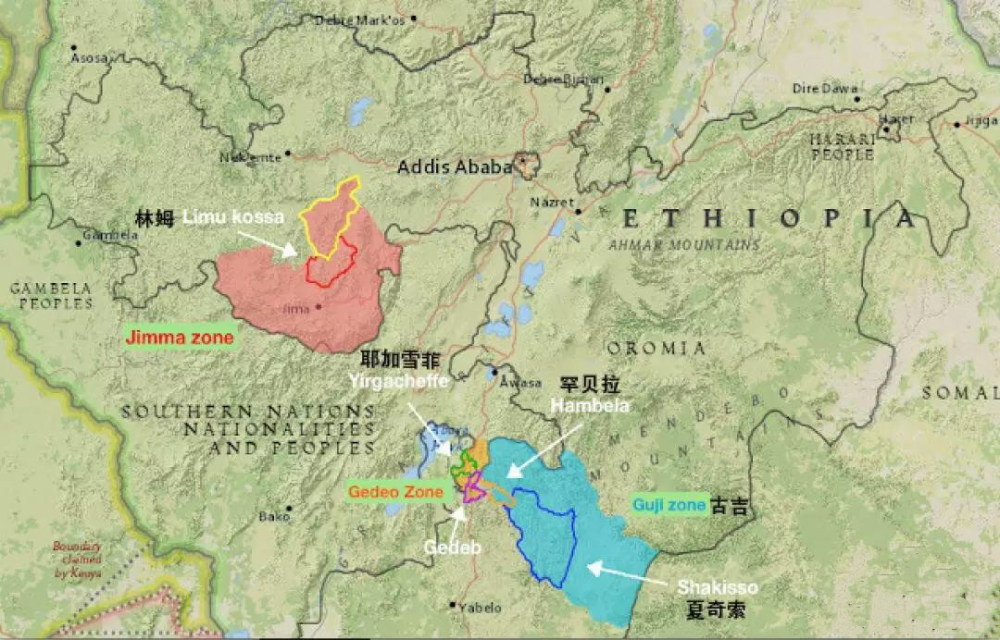
The Sidamo region is located in southern Ethiopia, extending east to the Arsi and Bale administrative zones and west to the Gamogofa administrative zone, with coffee cultivation at altitudes between 1,400 and 2,000 meters. The local economy is mainly agricultural, and coffee is mainly grown around the East African Rift Valley. In recent years, Sidamo has developed rapidly and has become an important coffee export hub. Sidamo's coffee flavors are extremely diverse. Different soil types, microclimates, and countless heirloom varieties make coffees from different towns show obvious differences and individuality.
The most closely watched coffee-growing areas in the Sidamo region include Guji and West Arsi. Most coffee green beans in this region use the natural processing method. Front Street believes that natural processing gives Sidamo coffee beans rich fruity aromas and a smooth mouthfeel.
Guji Producing Region
The Guji producing region was formerly part of Sidamo and was independently classified as a new producing region by the Ethiopia Commodity Exchange (ECX) in 2010. Guji is located southeast of Yirgacheffe, with complex terrain where high mountains, valleys, and plains interweave. The soil in this area is fertile black soil (Vertisol), with a soil layer nearly two meters deep, and the average altitude is above 1,800 meters. The significant temperature difference between day and night brought by geographical conditions gives this place the terroir foundation for producing high-quality specialty coffee. To explain what made Guji famous, Front Street must mention the bean Huakui.
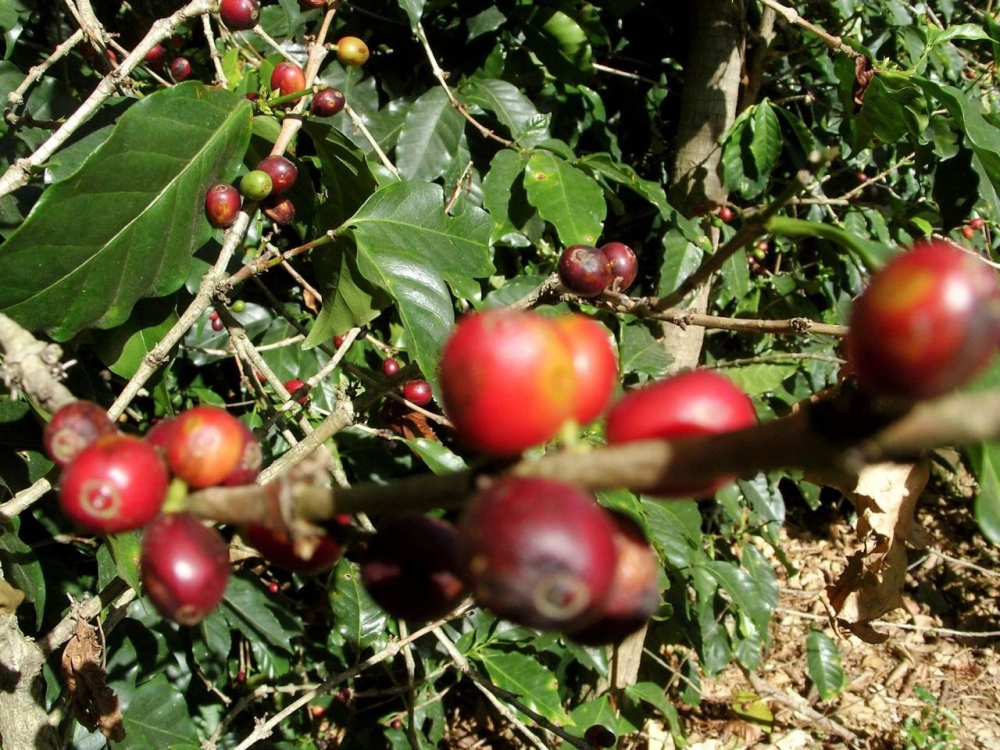
Huakui comes from Hambella, located in Guji, Ethiopia's largest coffee-producing region, and administratively under Oromia State. Western Hambella faces Yirgacheffe's Kochere across the mountains. Between the two producing regions lies a highland about 30 kilometers wide at an altitude of 3,200 meters. To the southeast and north, it borders Guji's Shakiso, Uraga, and Kercha sub-regions respectively, making it Ethiopia's highest-altitude coffee sub-region.
At present, the Hambella producing region has nearly 20 processing plants of various scales. In 2017, Ethiopia's DW Green Bean Company sent coffee beans to the TOH (the Taste Of Harvest) green bean competition hosted by the African Coffee Association. A natural-process lot from the "Buku Abel" processing plant won the TOH Ethiopia championship with rich strawberry and cream aromas. That year, the green beans from this lot were introduced into China by Beijing green bean trader Hongshun. In the same year, Li Jianfei used this bean to win second place in the China region of the 2017 World Brewers Cup. This Ethiopian bean stood out among many Geisha competition beans and was therefore given the name "Huakui." (Geisha in Japanese means geisha, and Huakui refers to the leading courtesan among geisha, used to indicate the outstanding quality of this bean.)
Therefore, if understood in a narrow sense, only the batch of Huakui coffee that entered China as the 2017 TOH natural group champion can be called Huakui. Of course, it would be a pity if such a beautiful name were only a fleeting phenomenon. After that, Hongshun continued to introduce coffee beans from the "Buku Abel" processing plant in the Hambella producing region and called them Huakui 2.0, Huakui 3.0, and Huakui 3.1 to distinguish them from the earlier Huakui coffee and represent different batches or harvest seasons. At this time, Huakui coffee still maintained certain characteristics, namely that it was purchased and introduced by Hongshun, and the producing region was still locked to the "Buku Abel" processing plant in Hambella.
Subsequently, DW Company added processing plants in Dimtu, the core producing area of Hambella, namely "Buku Abel," "Buku Saysay," "Haro Soresa," and "Tirtiro Goye," with an annual coffee output of about 1,100 tons. From the perspective of growing regions and processing plants, among all these estates and processing plants, only the processing area of the "Buku Abel" processing plant covers the small production area that originally produced the natural-process coffee bean "Huakui." In other words: only coffee beans produced by Buku Abel and naturally processed can truly be called "Huakui."
The place where Huakui is grown is at an altitude of more than 2,000 meters. Around the coffee trees grow tropical plants such as sugarcane and bananas, providing appropriate shade for the coffee trees. Coffee is also a kind of agricultural crop and is naturally directly related to climate and environment, so the flavor still varies somewhat from year to year. The naming method of Huakui X.0 is based on the year: Huakui 2.0 was released in 2018, Huakui 3.0 and 3.1 in 2019, Huakui 4.0 in 2020, Huakui 5.0 in 2021, Huakui 6.0 in 2022... Now Huakui 8.0 has also officially launched, becoming a staple coffee bean on many people's must-buy lists.
West Arsi Producing Region
West Arsi is located between the famous Yirgacheffe coffee-growing area and Hararge, at an altitude of 1,900 to 2,200 meters, in the western part of the Sidamo region. The name of this area comes from a branch of the Oromo people who have lived there for a long time.
West Arsi consists of three woredas (Ethiopia's third-level administrative divisions): Arsi, Bale, and East Shewa. About 88.52% of the population of West Arsi are Oromo, which is very important in coffee history because they were the first tribe in human history to drink coffee, and half of the coffee produced in Ethiopia comes from this region.
Coffee cultivation in the West Arsi producing region uses a smallholder model. The average farm of each smallholder is not large, about 2 to 3 hectares, but even so, their area is often slightly larger than the usual 1.5 to 2 hectares in most parts of Ethiopia. Although current coffee cultivation technology is still in the development stage, compared with other producing regions, coffee cultivation technology in West Arsi is developing very quickly. Coffee farmers do not need to hire temporary or full-time workers, but instead select coffee with the help of family members. This allows them to better control coffee quality, and processing stations usually pay extra for fully ripe red cherries, greatly increasing the enthusiasm of coffee farmers.
The Coffee Variety of Huakui
Like many Ethiopian coffee beans, the variety of Huakui coffee is also what we often hear called "heirloom." The garden planting system is the cultivation model on which the vast majority of Ethiopian smallholders depend for their livelihood. Heirloom varieties are the "unknown varieties" from their backyards. The coffee trees may have been left by a previous owner of the land, or obtained through sharing among neighbors, and may also have been grown from seeds from another producing area. Various coffee plants are intercropped with other cash crops on the land, and are picked and sold only when ripe.
Therefore, Heirloom does not refer to a single type of coffee variety. It represents a green bean blend from the producing area. The coffee collects the same-period harvests of multiple smallholders and combines them together. A single lot may contain dozens or even hundreds of unclassified varieties. Precisely because there are differences among varieties and the mixing method is different each time, these coffees differ in bean size, dimensions, and shape—some large, some small, some long, some round—a bit like a mixed medley.
Coffee Bean Processing Methods
Sidamo coffee beans have two processing methods: washed and natural. The washed processing method first screens high-quality fruit, removes the skin and pulp, then soaks and ferments in a tank, after which it is dried to a moisture content of about 12%. The natural processing method is relatively much simpler: using sunlight, the fruit is directly dried to a moisture content of about 12%, and then the skin and pulp are removed.
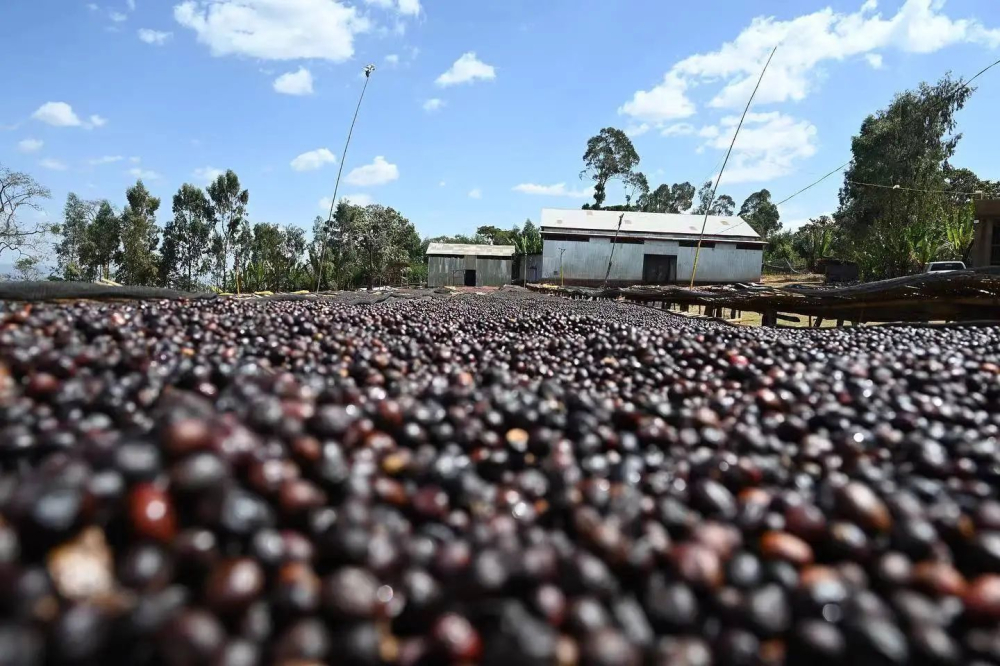
Different processing methods also lead to different flavors in coffee beans. Washed processing better reflects Sidamo coffee beans' most original citrus acidity and floral and herbal aromas, while natural processing adds aroma on top of the original flavor.
Natural Sidamo tastes close to floral, but with a slight earthy note. Washed Sidamo has a slight nutty fruity aroma and a mild cocoa aroma, but what both have in common is a smooth mouthfeel and viscosity, with pleasant acidity and aroma. Light or medium roast is suitable for single-origin, while medium or dark roast is suitable as a base for blended coffee and good Espresso.
Front Street's Brewing Parameters for Sidamo Coffee:
As a light-roasted Sidamo coffee, Front Street chose: V60 dripper, water temperature 90°C, water-to-coffee ratio 1:15, coffee dose 15g, grind size (80% passing through China's No. 20 standard sieve).
Use staged extraction, blooming with 2 times the coffee powder weight in water, that is, 30 grams of water for a 30-second bloom. The reason the blooming process is needed is to allow the coffee grounds to release internal carbon dioxide gas, thereby making the later stages of extraction more stable. Pour in a small stream in circles until 125 grams, then pause; continue pouring until 225 grams and stop. After the water in the dripper has dripped through, remove the dripper. Start timing from the beginning of pouring; the extraction time is 2'00". Next, pick up the entire cup of coffee and shake it evenly, then pour it into a cup for tasting.
[Natural Arsi Coffee Flavor]: It smells of berries and honey. On the palate, jam-like sweetness spreads throughout the mouth, very sweet, with nectarine notes in the finish and a juicy mouthfeel. After cooling, it is more like a cup of juice with plum and nectarine flavors.
[Natural Huakui 8.0 Coffee Flavor]: The floral and fruity aroma is very obvious: citrus, passion fruit, strawberry, oolong tea, with very high sweetness.
In the flavor comparison of these two beans, Arsi has a slight edge in fruity sweetness and juiciness. Especially when hot, the jam and honey flavors are irresistible, and after the temperature drops, the juicy quality becomes even more obvious and very comfortable.
Huakui leans toward tropical fruit flavors, and the alternating rise and fall of sweetness and acidity is very surprising. Compared with the two, Huakui has a stronger fermented quality.
The above content is compiled by CoffeeHunters, a coffee news website.


