








What Is the Difference Between Coffee Producing Regions and Estates?
Coffee producing regions are the geographic names that appear on a label: large ones are countries such as Colombia, Ethiopia, and Panama, while small ones are areas within them, such as Yirgacheffe and Sidamo in Ethiopia or Huila and Cauca in Colombia. Estates, processing plants, and cooperatives are the organizational forms further down the chain.
Coffee processing plants gather nearby coffee cherries and handle them in one place, because pulping and drying demand space, equipment, and capital that many smallholders lack. Cooperatives let farmers pool resources, while estates keep more autonomy. Recognizing these terms helps buyers read a coffee processing label and understand the story behind the cup.
When we talk about specialty coffee, we often hear terms like producing region, processing plant, cooperative, and estate. They each represent different links and organizational forms in the coffee industry chain. This article will start with definitions and analyze the differences and connections among these four one by one: how producing regions are divided into large and small ones, why processing plants concentrate on processing coffee cherries, how cooperatives help coffee farmers unite, and why estates enjoy greater autonomy. Understanding these concepts will not only help you read the information on coffee bean labels more clearly, but also let you better understand the story behind every cup of coffee when making a purchase.

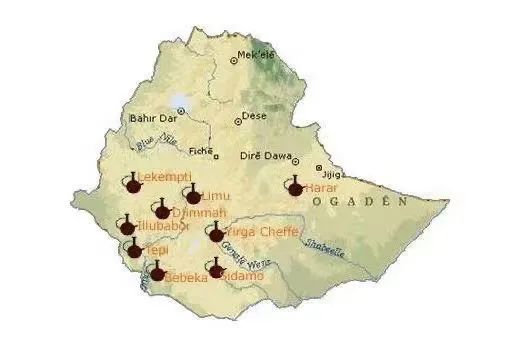
Coffee Producing Regions When it comes to producing regions, this should be the easiest for everyone to understand. They can be divided into two types: large producing regions and small producing regions. Large producing regions usually refer to the names of countries that produce coffee, such as Colombia, Ethiopia, Panama, and so on. Under large producing regions, many small producing regions are further divided. For example, Yirgacheffe and Sidamo, which we often hear about, are small producing regions subdivided from Ethiopia; similarly, Huila and Cauca are small producing regions under Colombia.
The reason for making this distinction is that not only do differences in terroir between countries bring different flavors, but different small producing regions also produce differences in taste. After all, most producing regions are separated by hundreds of kilometers, so the coffee grown there is naturally different. Regions like Yirgacheffe and Guji were separated out precisely because the coffee they produce has flavors that are too unique. If we further subdivide, then we arrive at estates, processing plants, and cooperatives.
Coffee Processing Plants Before green coffee beans are processed, they are a fruit with skin and pulp. A so-called coffee processing plant is a place that gathers nearby coffee cherries and processes them in a unified way.
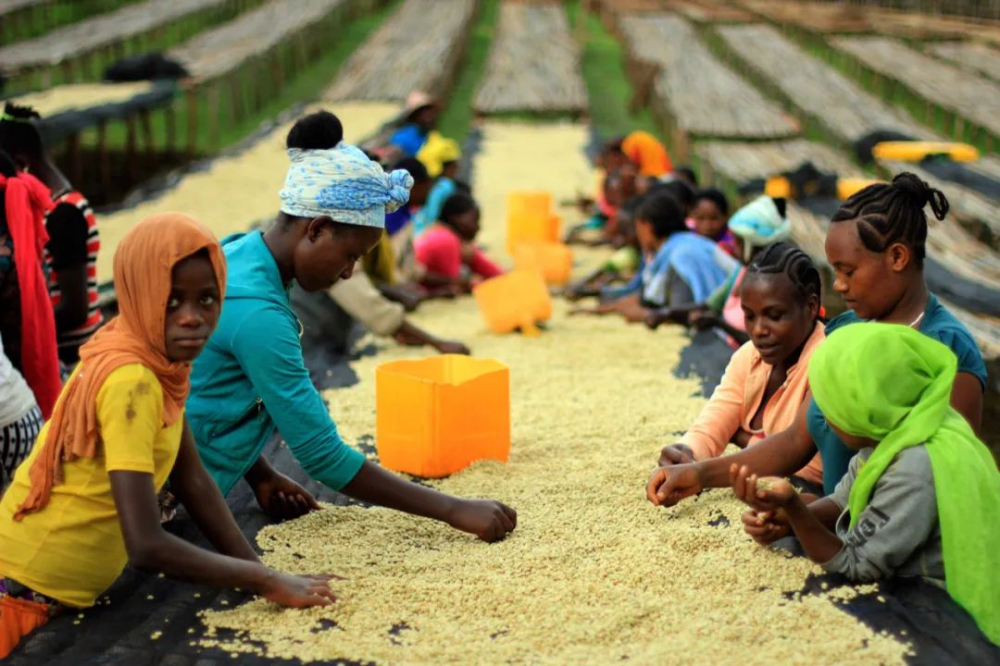
The reason processing plants emerged is that the processing of coffee cherries has relatively high requirements for space and equipment, and high requirements inevitably mean that the capital investment is also not low. For coffee farmers in some underdeveloped areas, this is almost impossible to accomplish. After all, the money earned from selling beans is not even enough to buy machines. As a result, coffee farmers can only sell the cherries they grow to nearby processing plants.
But this gives rise to a problem: the price of cherries will be affected, and these effects are mostly negative. There are also middlemen in the coffee industry who earn the price difference, such as intermediaries in the transportation segment. They travel back and forth between coffee farmers and processing plants, buying coffee cherries from farmers at lower prices and then reselling them to processing plants at higher prices. In addition, there are many other ways to压低 farmers' income. Therefore, if you want to avoid intermediaries and reduce price losses, the best way is to “unite and establish a coffee cherry processing site.” And this also led to the birth of the “cooperative.”
Coffee Cooperatives When coffee farmers unite, pool funds to buy machines and venues, and set up cooperatives, they can collect and process the coffee cherries they grow in a unified way, and no longer let middlemen earn the price difference.

After that, these beans processed by cooperatives are all sold under the cooperative's name in a unified way. In the Yirgacheffe producing region, there is a well-known bean called “Gedeb,” whose name comes from the Gedeb cooperative. Others such as Worka and Konga are also bean names sold under cooperative names.
Coffee Estates A coffee estate is a private and large-scale coffee-growing and production farm. We can try to imagine it as a wealthy family's villa area, and in fact that is indeed the case. After all, the first requirement for an estate owner who can establish an estate is to have sufficient funds (money!), so that they can buy plots of land to grow coffee and equip them with corresponding facilities to process fresh coffee cherries.
Estate owners can freely control the focus or direction of cultivation and processing, and can also try various novel cultivation and processing methods, because they are not restricted in these aspects. By contrast, cooperatives and processing plants find it more difficult to open up new directions. The reason for the difficulty is not hard to imagine: the cost of trial and error is too heavy a burden for coffee farmers, and one failure may destroy a year's hard work and income in an instant.
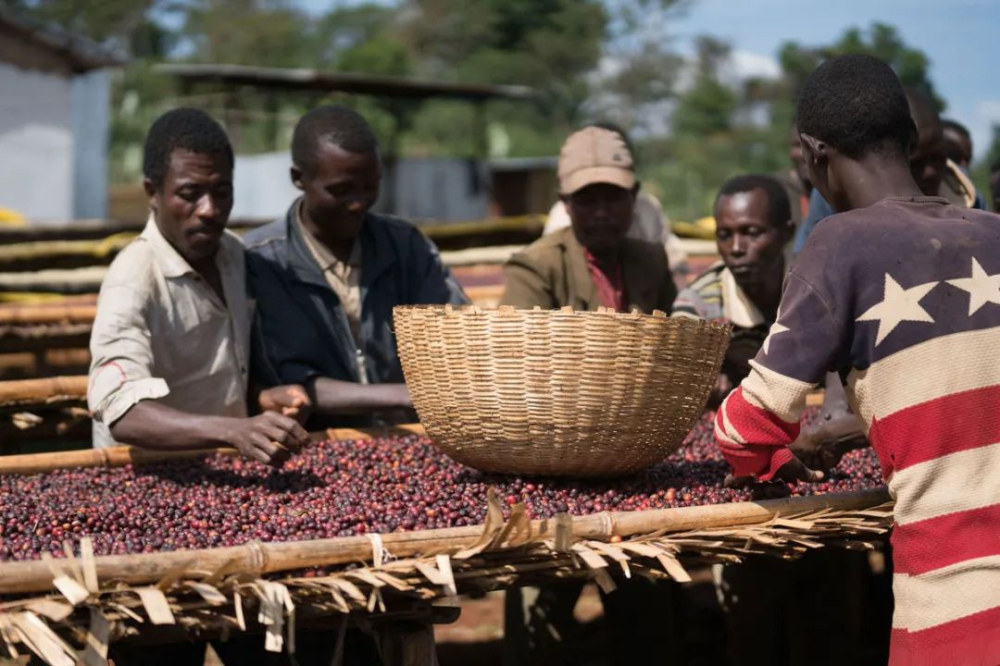
In addition to production, estate owners can also handle sales, materials, and other issues on their own. Because they themselves are the source manufacturer, growing and processing themselves, finding green bean buyers, and selling on their own, the whole process is smooth and effortless. Moreover, if they achieve certain results in production or supply, more green bean buyers will surely come to their door proactively to purchase coffee beans at high prices. And these excess profits all belong to the private owner. Estates we often hear about, such as Hacienda La Esmeralda, Elida Estate, and Hartmann Estate, are outstanding examples among them.
Front Street Coffee (FrontStreet Coffee)
No. 10, Bao'an Qian Street, Yandun Road, Dongshankou, Yuexiu District, Guangzhou City, Guangdong Province
The above content is compiled by CoffeeHunters, a coffee news website.


