







Search Results for: traceability
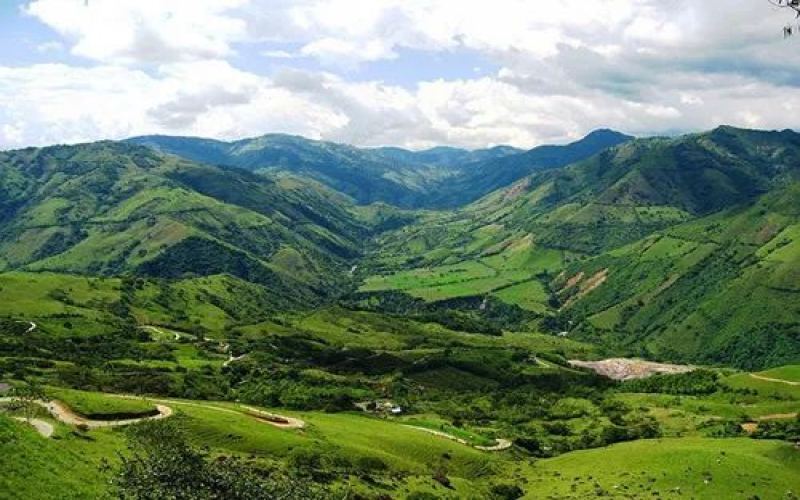
Brazil Launches Cafes do Brasil Traceability Platform in Response to the EU's New Deforestation-Free Import Rules
In response to the strict requirements of the EU Deforestation Regulation (EUDR), the Brazilian Coffee Exporters Council (Cecafe) and the credit company Serasa Experian have jointly launched the Cafes do Brasil platform and held a seminar in São Paulo to help exporters master traceability tools. The platform uses remote sensing technology and geolocation data to dynamically analyze ESG indicators such as forest protection, agricultural cultivation, and deforestation alerts in production areas, ensuring full traceability throughout the coffee supply chain. Among the approximately 100 participants, 41 council members are responsible for about 90% of Brazil's coffee shipments to the EU, and their compliance practices will significantly enhance the transparency and international reputation of Brazilian coffee. [more…]
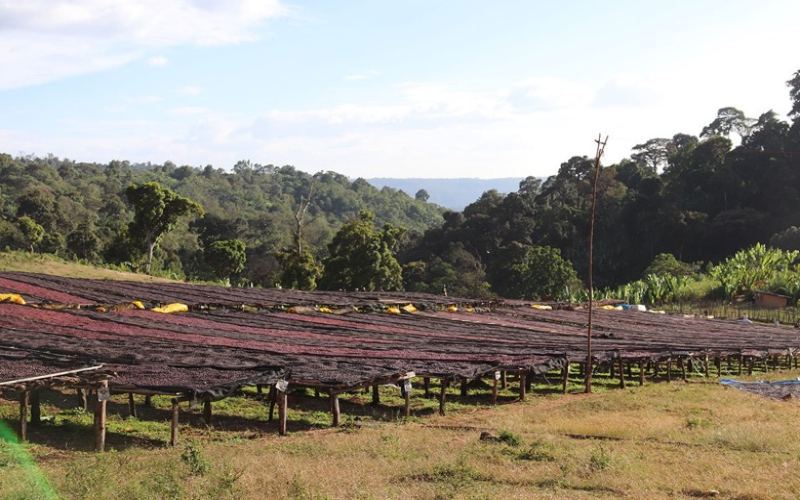
Tracing the Estate Origins of Pour-Over Regions: From Origin Stories to the Provenance of Flavors in the Cup
The pour-over community is placing increasing importance on estates—not to follow a trend, but because beans from different estates within the same region can differ enormously in flavor. An estate is the micro-unit of a region; slicing the region one layer finer makes the origin of flavor clearer. Understanding estate traceability takes pour-over bean selection from "choosing a region" to the next level: "choosing an estate." [more…]

Single-Origin, Specialty, and Blended Coffee Beans: A Full Guide from Origin Traceability and SCA Scores to Espresso Blends
Single-origin, specialty, and blended coffee beans differ in their conceptual levels, quality standards, and brewing methods. Single-origin coffee emphasizes the traceability of a single origin or even a single estate, allowing drinkers to clearly understand where the flavors in their cup come from; specialty coffee, building on single-origin, adds the SCA scoring threshold, with certification granted only at 80 points or above, and microclimates and soil and water conditions are indispensable. Blended coffee, meanwhile, involves the roaster combining beans from different origins, pursuing balance and consistency in flavor while also reducing costs. This article systematically sorts out the definitional boundaries and characteristic differences of the three, and, in conjunction with Front Street Coffee's specific products, helps coffee enthusiasts build a clear cognitive framework. [more…]
A Complete Analysis of Yirgacheffe Flavor Characteristics: G1 vs G2 Grading, Taste Differences, Grinding Recommendations, and Variety Traceability
Yirgacheffe is one of the most iconic African beans in the specialty coffee world, renowned for its distinctive floral and citrus notes. Starting from Front Street Yirgacheffe, this article systematically reviews its flavor description, the differences between G1 and G2 grading, the impact of different roast levels on taste, grind size selection, and the tracing of its variety naming. It also explores common misconceptions about light roasting, analyzes how Yirgacheffe became the benchmark for floral and fruity coffees, and reviews its unique position within Front Street's coffee lineage, including Front Street Mandheling, Front Street Kenya, and Front Street Blue Mountain, providing coffee enthusiasts with a comprehensive reference for tasting and purchasing. [more…]
The Changing Landscape of Yunnan Small-Bean Coffee: Arabica Cultivation Status, Flavor Characteristics, and Future Trends
Yunnan's coffee planting area has climbed from over 300,000 mu in 2008 to more than 1.4 million mu today, with output once accounting for over 99% of the national total. Yet the expansion of the industry's scale has not been smooth sailing. Since 2012, international coffee futures prices have continued to decline, leaving Yunnan coffee farmers struggling at the edge of the cost line; the 2014 harvest season was hit by a triple blow of drought, cold damage, and the abandonment of harvesting, causing output to plummet from an expected 100,000 tons to less than 60,000 tons, while purchase prices, driven by factors such as drought in Brazil, saw their largest single-month increase in 20 years. Lincang, as an emerging main producing area, rose rapidly, and companies such as Lingfeng Coffee began implementing quality traceability systems. This article will review the cultivation situation, flavor characteristics, and future development trends of Yunnan Arabica coffee beans. [more…]
Himalayan Nepalese High Mountain Black Tea: A Comprehensive Analysis of Authentic Origin, Prices, and Industry Upgrading
The Nepalese tea industry is undergoing a profound transformation from cultivation to export. Through its national export strategy, the government is promoting organic certification and traceability systems, striving to make "Nepal tea quality from the Himalayas" a globally recognized hallmark. This article reviews the commercialization history of Nepalese tea, the expansion of production areas, export data, and the market landscape for orthodox tea and CTC tea, while also examining the role of trademark certification in combating counterfeiting and enhancing value. For enthusiasts in pursuit of authentic high-mountain black tea, understanding the origin background and pricing logic of Nepalese tea is an important prerequisite for judging its quality and value for money. Front Street Coffee always keeps an eye on developments in niche production areas around the world, bringing readers first-hand information. [more…]
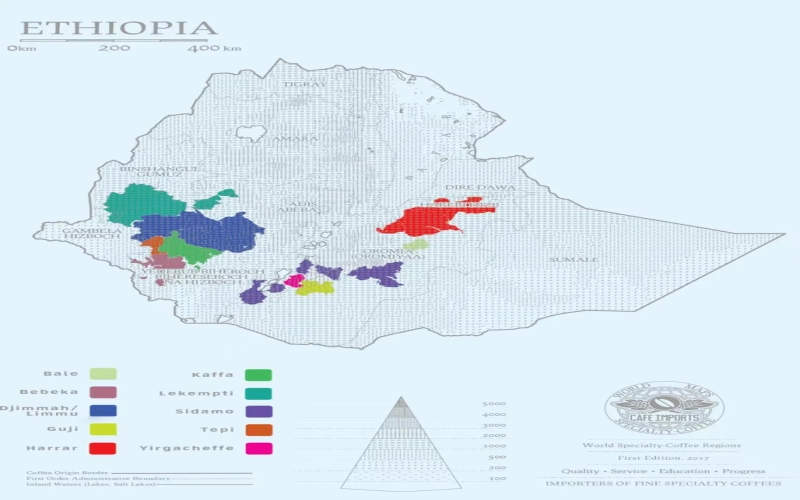
Exploring Ethiopia's Sidamo Bensa Region: The Traceability and Flavor Code of Elto Coffee Beans
Ethiopia, recognized as the birthplace of coffee, boasts the world's richest coffee gene pool, with an estimated nearly 15,000 varieties. The Sidamo region, with its fertile volcanic soil and diverse terrain, has given rise to countless specialty coffees. In recent years, the high-altitude microclimate of the Bensa area has spawned well-known brands such as Arlo Village, Hamasho, and Elto. Among them, Elto Coffee, founded by a husband-and-wife team, is dedicated to pushing the flavors of Bensa to the extreme through rigorous selection and meticulous processing. This article will guide you through the evolution of the Sidamo region, the rise of Bensa, and the story and pursuit of quality behind Elto. Front Street Coffee will also recommend related products for you. [more…]

Yirgacheffe Gotiti Washed Bean Pour-Over Guide: From Cooperative Traceability to Flavor Analysis of Medium-Light Roast
In Ethiopia's Yirgacheffe region, there is a village with a particularly friendly name—Gotiti. The coffee beans produced here, with their rich aroma and clean, crisp mouthfeel, have won the hearts of many coffee lovers at first sip. Front Street Coffee's Gotiti Cooperative coffee beans are roasted to a medium-light level, preserving the heirloom variety's fruity notes and white floral aromas to the greatest extent. This article will provide a complete analysis of this bean's appeal—from the region's origins, the cooperative's evolution, the washed processing method, to brewing recommendations—helping you better understand its flavor logic and extraction approach. [more…]
Ethiopian Gesha Village Coffee Flavor Analysis: From Variety Traceability to Cupping Performance
When people talk about Geisha, most think of Panama, but rarely mention its birthplace—Ethiopia. This article begins with the history of Geisha's spread, tracing how this variety journeyed from African forests to the world stage, and focuses on Gesha Village Coffee Estate in the Bench Maji region. It covers the estate's founding background, the microclimates and flavor differences of its eight farms, the genetic characteristics of three Geisha varieties, and the estate's strict internal grading system. Brewing parameters from Front Street Coffee are also included, offering a complete reference for coffee enthusiasts who want to deepen their understanding of Ethiopian Geisha. [more…]
Yirgacheffe Coffee Bean Flavor and Taste Profile Analysis: From Origin Traceability to a Beginner's Guide to Floral and Fruity Acidity
Yirgacheffe is one of Ethiopia's most iconic specialty coffees, renowned for its intense jasmine fragrance, citric acidity, and sweet notes of peach and almond. This article begins with the origins of its name and place of production, then analyzes the washed processing and grading standards of Yirgacheffe G1, sorts through its dry aroma tasting, flavor layers, and the sweet potato finish that emerges as the cup cools, and looks back at how it broke the conventional definition of coffee flavor during the era of heavy Italian-style roasting, becoming the benchmark entry point for floral and fruity coffees. It also discusses the price gap between it and Blue Mountain and Geisha, as well as the unique charm of this bean in everyday brewing as recommended by Front Street Coffee. [more…]
A Comprehensive Analysis of Gesha Village Estate Traceability and Label Grades: Differences Between Auction, Gold, Red, Green Labels, and Chaka Lots
Geisha coffee's popularity in the specialty circle endures, but many enthusiasts easily confuse the products of Panama's Hacienda La Esmeralda with those of Ethiopia's Gesha Village. Starting from historical origins, this article traces how Gesha Village was conceived by documentary director Adam Overton and his wife Rachel Samuel in 2007 during a filming trip, and how, under Willem Boot's guidance, they found native varieties in the Gori Gesha forest of Bench Maji. The article explains in detail the estate's five-tier grading standards—Auction, Gold, Red, Green, and Chaka—along with the microclimates and variety differences of each block, and includes Front Street Coffee's comparison of the roasting and brewing flavors of three beans: Red, Green, and Chaka, helping readers understand the Gesha Village system at a glance. [more…]
Colombia Pink Bourbon Coffee Origin Traceability and Pour-Over Parameters Explained
Where does the Pink Bourbon variety originate? This article uses a washed Pink Bourbon from the Huila region of Colombia as an example to comprehensively analyze its origin background and flavor characteristics, and includes a detailed V60 pour-over brewing recipe. From dry aroma and wet aroma to the staged pouring rhythm, it breaks down step by step how to bring out the sweet orange main note and bright fruit acidity. The article also shares Front Street Coffee's brewing insights on this bean, making it suitable for coffee enthusiasts who want to gain a deeper understanding of the Pink Bourbon variety and pour-over techniques. [more…]
Front Street Yirgacheffe Flavor Analysis: Citrus Notes, Roast Profile, Processing Method, and Variety Traceability
Yirgacheffe is one of Ethiopia's most iconic specialty coffee regions, and thanks to a millennium of cultivation heritage and meticulous washed processing, it presents a captivating flavor profile woven with lemon, floral notes, and honey. Front Street Coffee's Yirgacheffe, under a light roast, displays a fresh and bright citrus acidity along with a smooth fruity sweetness, with rich layers whether in its dry or wet aroma. This article will systematically outline the core characteristics of this bean from the perspectives of flavor and mouthfeel, roasting curve, varietal origins, and regional composition, helping coffee enthusiasts gain a more comprehensive understanding of its unique charm. [more…]
Complete Guide to Yirgacheffe Worka Coffee: Variety Characteristics, Flavor Notes, Processing Methods, Grind Parameters, and Origin Traceability
Yirgacheffe Worka coffee is one of the flagship Ethiopian specialty coffees, renowned for its signature jasmine aroma, citric acidity, and sweet notes of peach and almond with a tea-like fragrance. This article provides a comprehensive analysis of this coffee's unique characteristics from multiple dimensions, including variety traits, flavor description, processing methods, grind settings, and origin background. It covers the cultural and geographical environment of the Yirgacheffe region, the cultivation methods of the coffee trees, and Front Street Coffee's recommendations and processing techniques for Yirgacheffe coffee, helping coffee enthusiasts gain a deeper understanding of this floral African specialty bean. [more…]
Ethiopia Yirgacheffe Ardi Cooperative: Origin Traceability, Natural Process, and Front Street Washed Recommendation
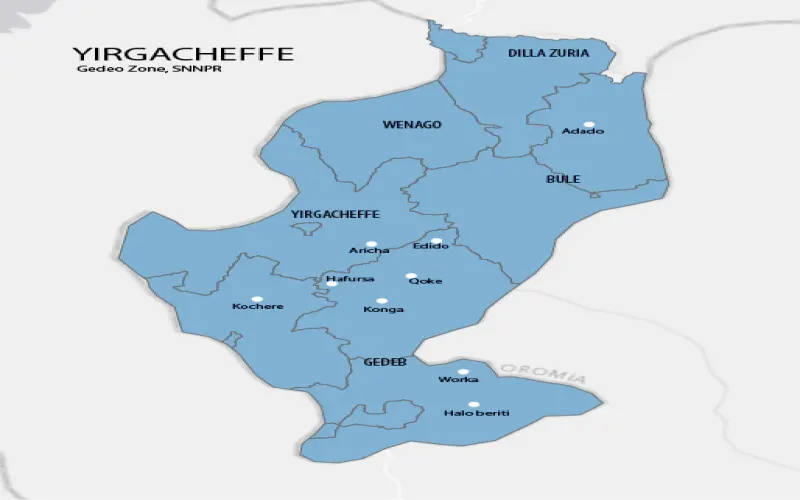
Yirgacheffe is one of Ethiopia's most recognizable specialty coffee regions, and its distinctive floral and citrus notes have captivated countless coffee enthusiasts. Starting from its geographical environment and the history of the region, this article traces how Yirgacheffe became an independent, well-known producing area separate from Sidamo, and focuses on the origin of the Ardi cooperative's name and its improved natural processing method. At the same time, the article also recommends Front Street Coffee's washed Yirgacheffe as an affordable choice for beginners, with a clean cup and rich floral aroma, suitable for everyday brewing practice. [more…]
Yunnan Small-Bean Coffee Buying Guide: Variety Traceability and Authentic Purchasing Channels Explained
Yunnan coffee occupies a pivotal position in China's coffee landscape, and the term "Yunnan small-bean" frequently appears in discussions among coffee enthusiasts. So what exactly does Yunnan small-bean refer to? What variety origins lie behind it? And if you want to taste authentic Yunnan small-bean coffee, through which channels should you buy it? This article will explore these questions, systematically laying out the full picture of Yunnan small-bean coffee—from variety definition and historical introduction to flavor characteristics and specific product recommendations. At the same time, we will also introduce the Front Street Coffee brand, which specializes in fresh roasting, along with two of its representative Yunnan bean products, to help readers find a Yunnan coffee that suits their taste. [more…]
Pour-Over Coffee Bean Recommendation: Front Street Kenya Honey AA Top Flavor Analysis and Nyeri Region Traceability
Front Street Kenya Nyeri Region Honey AA Top is a special blended lot from the 2017 new crop, washed processed. It brings together the efforts of smallholder farmers from both Nyeri and Kirinyaga counties, from a central processing factory on the high-altitude slopes of the Aberdare Mountains. The cup showcases fresh berries, caramel, pomelo aroma, and coffee berry sweetness—bright and juicy, crisp and sweet, making it ideal for pour-over. This article will guide you through the flavor characteristics of this bean and take you deep into Kenya's main origin, Nyeri, to explore the operations of the Gachatha Processing Factory. At the same time, it will sort out the planting history, common varieties, grading, and processing systems of Kenyan coffee, helping coffee enthusiasts gain a more comprehensive understanding of this classic origin. [more…]

Yunnan Typica Coffee Bean Variety Traceability: From Ancient Native Species to Front Street Specialty Natural Process Flavor Analysis
The evolution of coffee varieties in Yunnan is a story worth revisiting. Many people do not know that the Catimor now found throughout Yunnan was not the original coffee lineage of this land. What truly earned Yunnan's small-bean coffee its reputation was Typica, the oldest native variety in the Arabica family. Later, due to insufficient disease resistance and low yields, Typica gradually gave way to S288 and Catimor amid the variety replacement pushed by Nestlé. Even so, Typica's uniquely quiet, clean, and balanced cup has always been unforgettable. Through Typica planted in Lincang, Yunnan, in 2013, Front Street Coffee uses a natural process to reveal layers of brown sugar, plum, prune, and chocolate, allowing coffee lovers to rediscover the classic flavors of Yunnan specialty coffee. [more…]

Why Is Single-Origin Fresh Milk Taking Over Specialty Coffee Shops? A Guide to Choosing Milk for Latte Art
In recent years, specialty coffee shops have become increasingly particular about their choice of milk, and single-origin, traceable fresh milk is becoming a new favorite. Compared with ordinary blended-origin milk, this type of milk source not only allows the farm information to be traced, but also has a brighter and richer taste. From Australia to China, more and more coffee shops are beginning to try smallholder milk, goat milk, and even camel milk, bringing unique flavors to milk coffee. After milk is heated, the lactose is activated, the milk fat adds a rich and mellow feel, and the milk foam gains abundant layers, which is why espresso milk drinks such as lattes, cappuccinos, and flat whites each have their own characteristics. This article will guide you through why single-origin milk is so popular, what milk to choose for coffee latte art, and include a review of Front Street Coffee's milk testing. [more…]
Ethiopia Guji Zone In-Depth Analysis: The Terroir Code of the Shakiso Micro-Region and the Traceability of 90+ Legendary Lots
Ethiopia, as the birthplace of coffee, has a regional division system like a precise pyramid, nested layer by layer from Region down to kebele. Southeast of Yirgacheffe lies a micro-region with an altitude exceeding 1,800 meters—Shakisso—where fertile black soil and significant day-night temperature differences nurture coffee flavors that astonish international specialty buyers. In 2010, Guji was made an independent region by the ECX, and Shakisso is the brightest star on this land. From the legendary 90+ bean Nekisse to Level Up's Flower Language, what terroir logic and processing techniques lie behind these repeatedly high-scoring coffees? Front Street Coffee will take you deep into Guji to uncover the unique charm and market value of Shakisso coffee. [more…]