







Search Results for: Coffee Grounds Residue Management
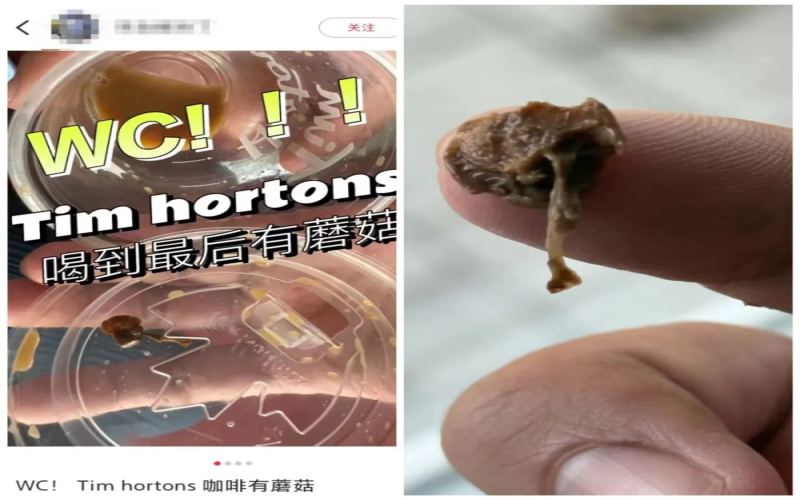
Mushroom Residue Found at the Bottom of a Tims Coffee Cup, Food Safety Controversy at Canadian Stores Escalates Again
Drinking a cup of coffee all the way down, only to find mushroom residue at the bottom of the cup—this is not a joke, but a real incident that recently occurred at a Tims store in Markham, Ontario, Canada. After the consumer posted the experience on social media, it quickly sparked heated discussion, with many netizens saying it was deeply disturbing. In fact, this is not the first time Tims in Canada has been in the spotlight over food safety issues. From moldy products to a fly found in coffee, to employees collecting saliva in coffee cups, various outrageous actions keep refreshing consumers' perceptions. At the same time, controversy over Tims' internal employee recruitment has also surfaced. A white woman who worked there for four years was fired after accusing management of hiring only Indian immigrants, and the post received over 4.2 million views. Front Street Coffee continues to follow developments in the coffee industry, and this article will take you through the full picture of the incident. [more…]
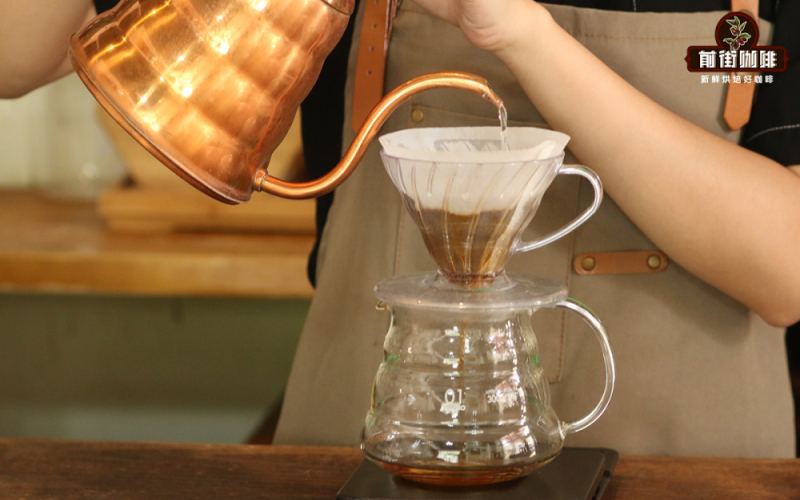
Daily Maintenance, Deep Cleaning, and Burr Calibration Guide for Manual Coffee Grinders
When brewing pour-over coffee at home, have you ever tasted the flavor of one bean in a cup of another? This is very likely the work of fine powder residue left inside the grinder. If a grinder is not cleaned for a long time, electrostatic fine powder and dark roast bean oils attached to the metal burrs will accumulate more and more, which not only affects the extraction flavor, but may also clog the passage and shorten the life of the equipment. This article, compiled by Front Street Coffee, systematically explains the maintenance and calibration methods for manual and electric coffee grinders, from simple daily cleaning, no-disassembly cleaning with cleaning tablets, to disassembly deep cleaning and burr wear inspection, helping you determine when a simple cleanup is enough and when deep maintenance is needed, so that every cup of coffee maintains a clean and accurate flavor performance. [more…]
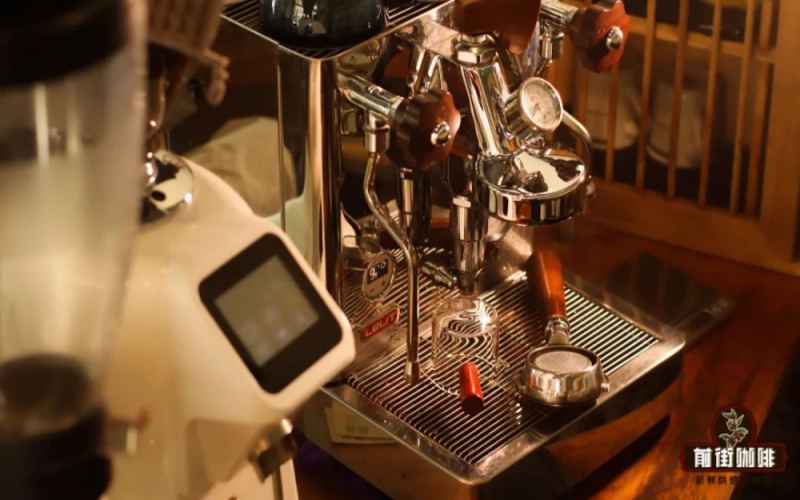
A Complete Guide to Cleaning and Maintaining Your Home Semi-Automatic Espresso Machine: Full Steps from Daily Flushing to Deep Descaling
Home espresso machines are becoming increasingly common, but many people overlook the impact of cleaning and maintenance on coffee flavor and machine lifespan. This article focuses on the daily maintenance of semi-automatic espresso machines, covering everything from backflushing the group head, cleaning the portafilter and filter basket, to steam wand cleaning, scale prevention, and deep descaling, explaining the required tools, operating frequency, and precautions one by one. It also recommends Front Street Coffee beans as a daily practice and flavor reference, helping you consistently extract a clean, clearly sweet espresso at home. Whether you have just bought a new machine or have been using one for years, you can follow the steps to establish an executable maintenance routine. [more…]
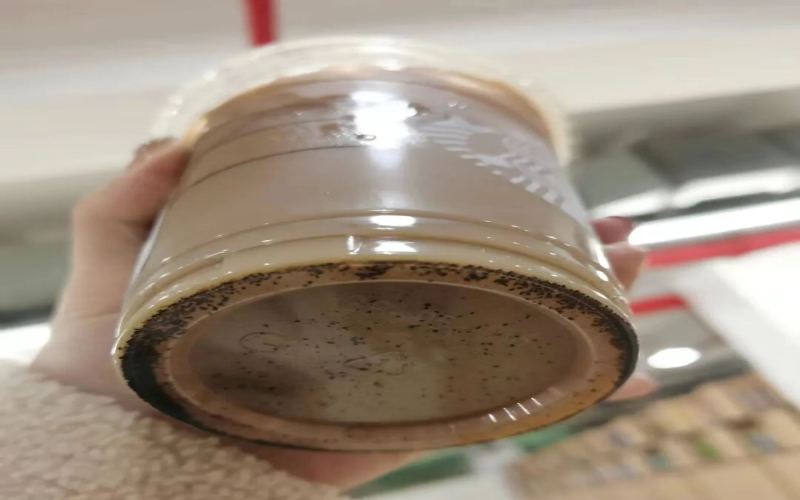
Starbucks Salted Flat White Leaves Black Powder Residue at the Bottom of the Cup, Staff Clarifies: Having Powder Is the Standard Serving
Starbucks has clearly picked up the pace of new product launches this year. Before people have even had a chance to check in on the cherry blossom limited edition, the Salted Flat White has already taken over as the store's main promotion. However, this new product has sparked controversy because of black powder residue left at the bottom of the cup, with many consumers suspecting that staff had made an operational error and mixed in coffee grounds. Faced with complaints, Starbucks staff collectively protested their innocence—having coffee powder is actually the correct method, and not having it would instead be a violation. What exactly is going on here? Why is the freshly ground coffee powder used for decoration so often mistaken for extraction residue? And why do consumers have so many complaints about the taste? This article will reconstruct the whole incident and analyze the gap between the standard recipe for this beverage and the consumer experience. [more…]

Complete Guide to Espresso Machine Backflushing: Water and Detergent Steps and Recommended Frequency
You dialed in your espresso extraction parameters in the morning, but by noon the flow has slowed and become unstable? Besides changes in humidity and switching beans, coffee residue built up inside the group head is often the culprit. Backflushing is the key method for removing this residue—using a blind basket to force water to flow backward through the lines, then combining it with cleaning powder to deep-clean stubborn coffee grime. This article explains in detail the procedures for water backflushing and cleaning-powder backflushing, the number of repetitions, and the daily maintenance frequency, helping baristas maintain stable extraction and avoid off-flavors getting into the cup. [more…]

Espresso Machine Cleaning Guide | How Often Should an Espresso Machine Usually Be Cleaned? What Are the Steps to Clean a Semi-Automatic Espresso Machine at Home?
I believe baristas must have encountered this problem: in the morning, the espresso extraction parameters are dialed in, but by noon, the parameters are no longer accurate, and the coffee flow rate has noticeably slowed down. Front Street has previously offered explanations for two scenarios regarding this issue. The first is when it rains and the humidity in the air is relatively high, inside the bean hopper. [more…]
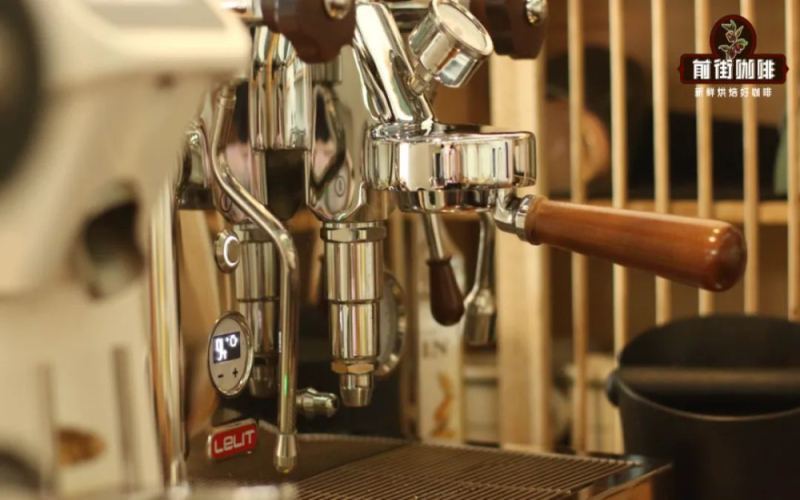
Home Espresso Machine Maintenance Guide: Daily Cleaning, Deep Descaling, and Group Head Gasket Replacement Tips
Many coffee enthusiasts have added espresso machines to their homes, but due to a lack of knowledge about cleaning and maintenance, problems such as weakened steam, uneven water flow, and even portafilter leaks begin to appear after the machine has been used for a while. This article systematically organizes maintenance methods for home espresso machines: from the routine cleaning of the steam wand and shower screen after each brew, to using a blind basket to backflush and remove internal residue before shutting down, and then to regularly using specialized cleaning powder for deep treatment of the steam wand, shower screen, and portafilter basket. The article also explains in detail the steps for replacing the brew head gasket after it ages, and reminds readers that water needs to be filtered to prevent scale from damaging the boiler. The article involves practical experience with the machine models used in Front Street Coffee stores, and is suitable for coffee enthusiasts to follow and implement. [more…]
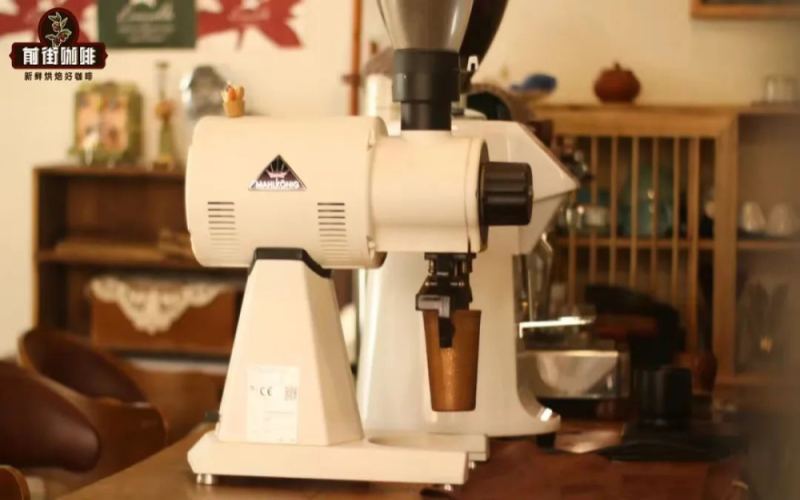
Why "season" the grinder before grinding for pour-over coffee? Analyzing the impact of grinder residue on flavor and key cleaning points
Many coffee enthusiasts, before brewing pour-over coffee, hear experienced baristas emphasize the step of "seasoning the grinder." But seasoning actually comes in two forms: one is the daily deep cleaning of the grinder, and the other is the "pre-grinding" done before each grind. The two serve different purposes and should not be confused. This article explains in detail why a small amount of beans from the same batch should be used to season the grinder before grinding coffee beans, how residual coffee powder and burr oils affect the flavor of the next cup, and why an air blower cannot replace bean seasoning. At the same time, Front Street Coffee will also offer recommendations on the amount of beans to use for seasoning, helping you present the true flavor of each bean in a purer way. [more…]

Does a barista's heavily scented hand cream affect coffee tasting? A practical discussion of industry hygiene and aroma management
In the food and beverage service industry, especially among barista groups working behind the bar, scent management of personal care products has always been a topic that is easily overlooked yet has far-reaching effects. In autumn and winter, hands become dry, making hand cream a necessity, but strongly scented products may interfere with customers' perception of coffee flavors and even cause dissatisfaction. Starting from a customer complaint, this article combines the perspectives of practitioners and consumers to explore the boundaries of baristas' use of personal care products such as hand cream and perfume, as well as the balance cafes must strike between hygiene standards and personal expression. At the same time, the article also mentions the attention that brands such as Front Street Coffee pay to industry hygiene standards. [more…]
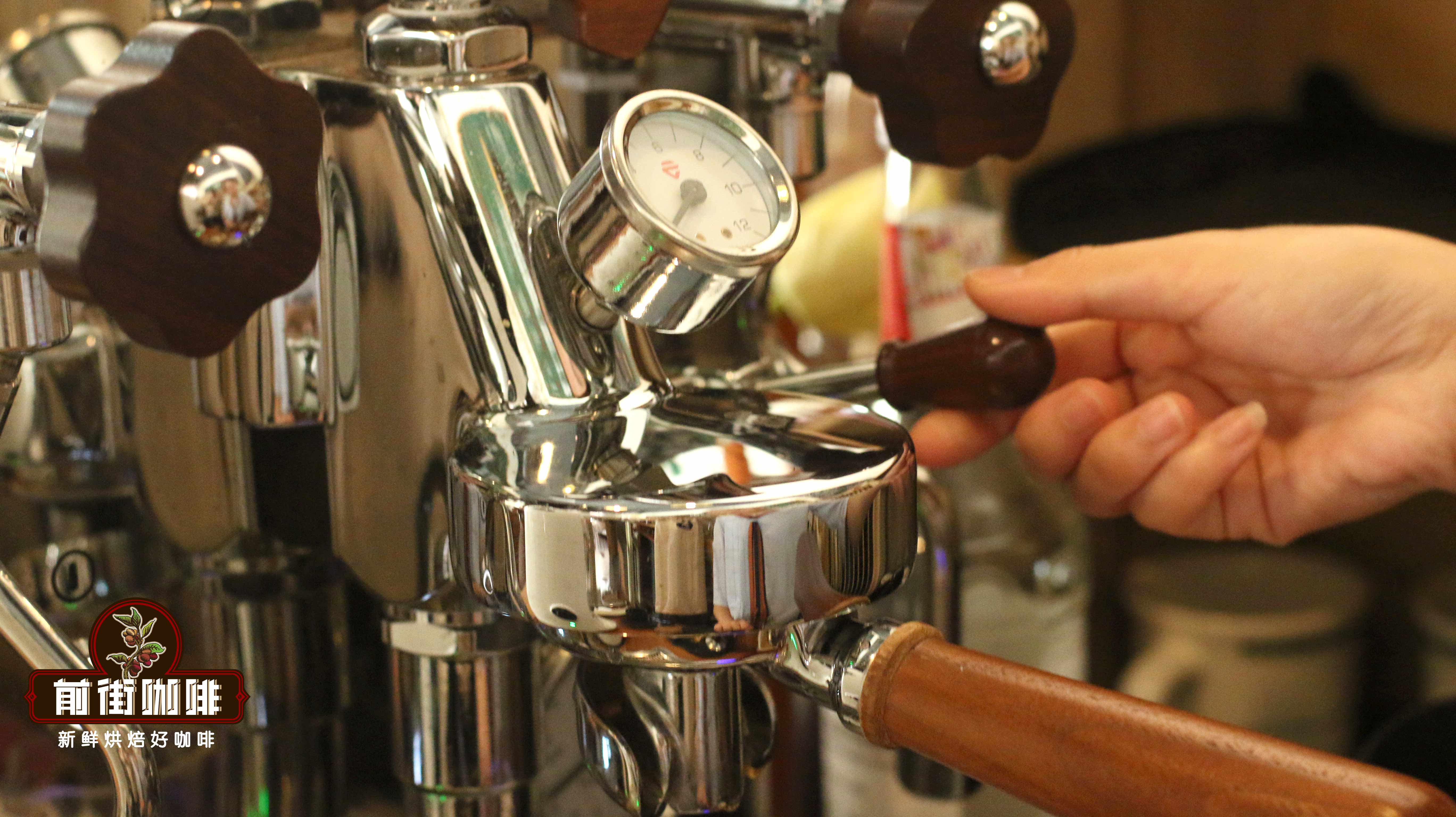
A Detailed Guide to Backflushing the Group Head of a Semi-Automatic Espresso Machine and Daily Maintenance Methods
The espresso machine is the core equipment of a coffee shop. Regular cleaning not only extends the machine's lifespan but also ensures the consistency of every cup produced. This article focuses on the key step of cleaning the interior of the group head, explaining in detail the specific procedures for quick cleaning, daily backflushing, and long-term maintenance. From judging residue on the dispersion screen to the backflush process using a blind basket with cleaning powder, and then to soaking the portafilter to remove oils, each step has clear requirements for timing and frequency. At the end, it also reminds readers that professional deep maintenance is needed every 1–2 years, making this a worthwhile reference for both coffee enthusiasts and industry professionals. [more…]

Is red wine process coffee soaked in red wine? Analyzing the winy natural process at Hartmann Estate and its flavor profile
Front Street Coffee was recently asked: Does the red wine process mean soaking coffee beans in red wine? Will the finished product contain alcohol? In fact, the red wine process simply borrows the idea of wine fermentation to process coffee cherries; it does not involve soaking in red wine. During fermentation with the mucilage, a trace amount of alcohol is indeed produced, but after high-temperature roasting it has long since evaporated completely, so there is no need to worry about residue. In this article, Front Street Coffee takes the red wine process coffee beans from Panama's Hartmann Estate as an example, from the estate's background, the characteristics of the Catuai variety, and the operational details of controlled fermentation, to the roasting curve, cupping report, and V60 brewing parameters, to fully break down how this coffee with vinous notes is born. [more…]

Where Do Cold Brew Coffee Oil and Fine Particle Residue Come From? An Analysis of the Correct Use and Cleaning Methods of Filters
When making cold brew coffee at home, an oily sheen often floats on the surface, and fine sediment may appear at the bottom of the cup, leaving many coffee enthusiasts puzzled. What exactly are these floating substances? Is the coffee spoiled, or is the equipment unclean? In fact, this is closely related to the slow release of water-soluble fats from coffee beans at low temperatures. This article, drawing on Front Street Coffee's practical experience, analyzes the causes of cold brew oils, explains how the differences in mesh sizes of various filtering devices affect coffee flavor, and shares how to use secondary filtration with paper filters and refrigeration settling to make cold brew's juicy feel fuller and its acidity clearer. At the same time, regular deep cleaning of equipment is equally crucial to avoid the accumulation of condensed oil residue that produces a rancid odor. [more…]
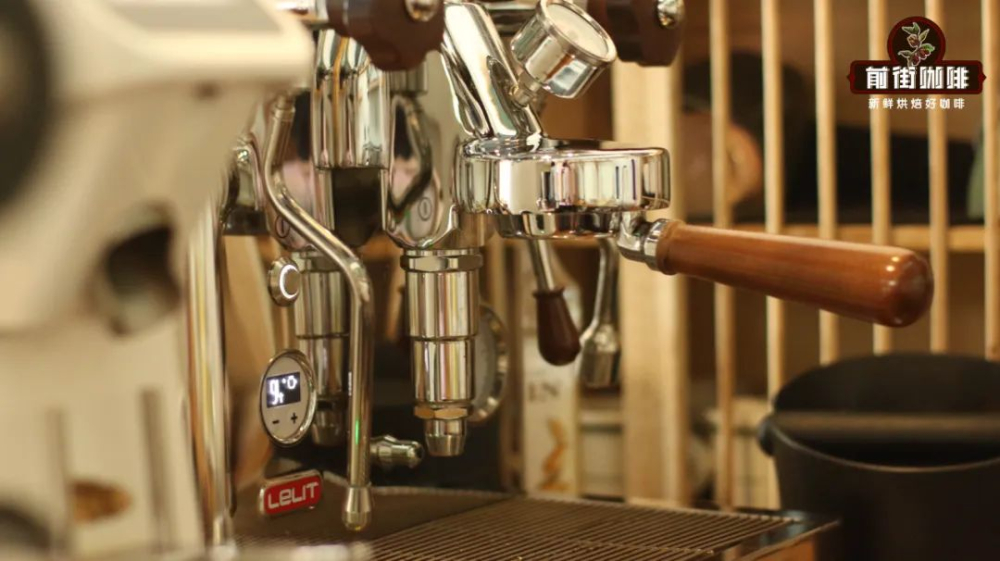
Coffee Machine Maintenance | How Should Coffee Beginners Clean and Maintain a Home Semi-Automatic Espresso Machine? How to Replace the Gasket on an Espresso Machine?
For professional coffee knowledge exchange and more coffee bean information, please follow Coffee Studio (WeChat official account: cafe_style). For more specialty coffee beans, please add our private WeChat: Front Street Coffee (FrontStreet Coffee), WeChat ID: qjcoffeex. With the rise of specialty coffee culture [more…]
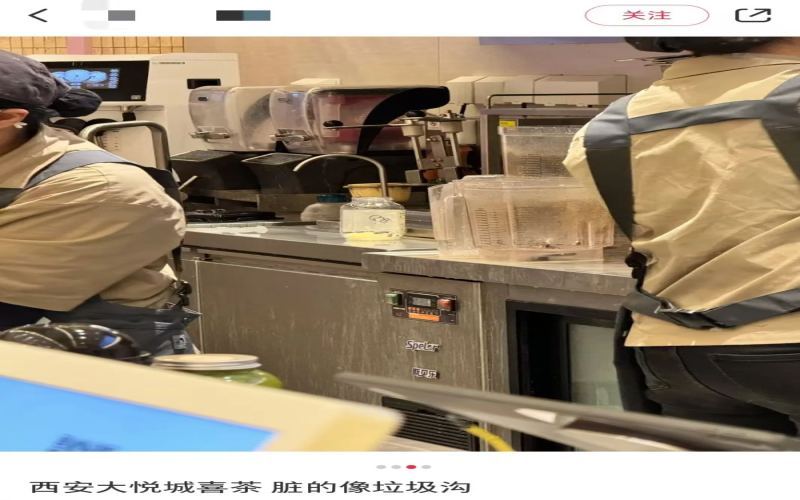
Hygiene issues at Xi'an Heytea stores spark heated discussion; official response: store has been closed for rectification and operational training strengthened
Recently, a Heytea store in Xi'an Joy City was exposed by consumers for poor hygiene conditions in its preparation area, quickly sparking heated discussion online. According to the whistleblower, the store's counter, refrigerators, juicers, and other equipment were covered in milk tea stains, materials were scattered around, and there was even a strong smell of sour rags and rotten fruit. Upon verification, the store was a directly operated location rather than a franchise, which further raised public doubts about Heytea's food safety management. Heytea later issued an apology and announced that the store would be closed for rectification, while also strengthening employee training and optimizing operational standards. This incident has once again pushed the issue of hygiene control in chain tea beverage brands into the spotlight and serves as a reminder for consumers to pay attention to the transparency of beverage preparation environments. [more…]
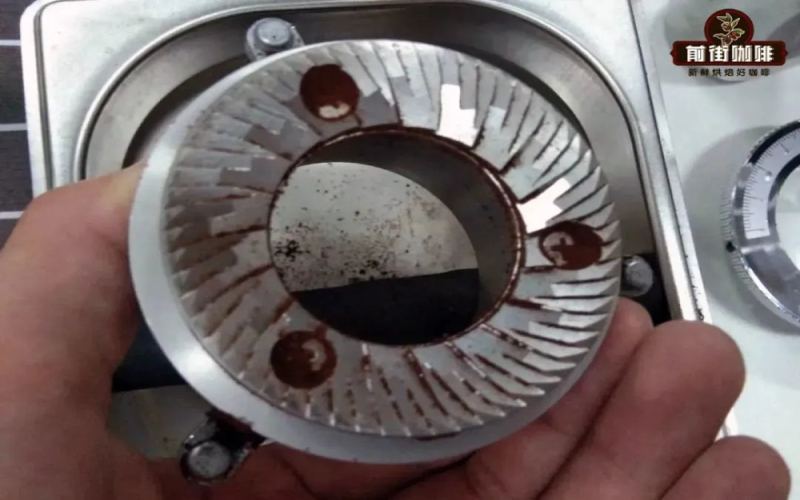
Grinder Maintenance Frequency and Cleaning Guide: How to Clean the Burrs of Manual and Electric Coffee Grinders
If you love brewing pour-over coffee at home, have you ever noticed that your brewed coffee tastes like it's mixed with other beans? This is very likely the work of fine powder residue left inside your grinder. Over time, static electricity causes fine powder to cling to the burrs, and the oils from dark-roasted beans build up as well. Before long, this not only affects flavor but can also clog the chute and shorten the machine's lifespan. So how exactly should you maintain your grinder? How often should you clean it? What's the difference between cleaning a hand grinder and an electric grinder? Can the burrs be washed with water? Front Street Coffee has put together a complete process, from simple daily cleaning to deep disassembly, to help you resolve all your grinder maintenance questions. [more…]

The Complete Maintenance Guide to Cleaning and Backflushing Semi-Automatic Espresso Machines
If a coffee machine is neglected for a long time, its extraction performance and flavor will gradually deteriorate. This article is aimed at semi-automatic espresso machines equipped with an independent brew head, and systematically outlines an actionable maintenance routine, from daily external wiping, cleaning the dispersion screen and portafilter, to backflushing with a blind basket, deep cleaning with cleaning powder, and regular maintenance of the dispersion screen, gasket, and boiler. It also recommends beans suitable for espresso extraction, such as Front Street Classic Blend, Commercial Blend, Dark Cocoa Base Blend, and Specialty Blend, to help you maintain consistent output whether for a café or home use. [more…]
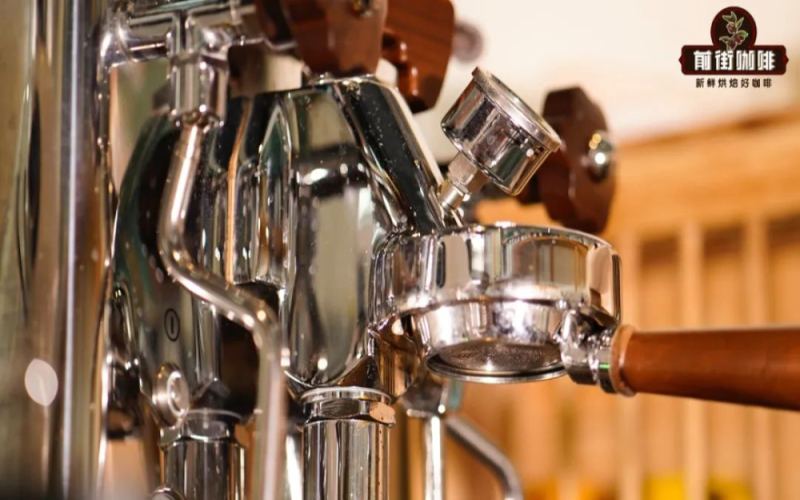
Daily Maintenance Guide for Espresso Machines: Detailed Explanation of Correct Cleaning Steps for the Dispersion Screen and Steam Wand
If a home espresso machine is neglected for a long time, extraction quality will gradually decline and may even lead to malfunctions. Using hands-on operation as an example, this article systematically explains how to clean the key parts of a coffee machine. It covers the simple rinsing and deep backflushing process for the dispersion screen, techniques for wiping the steam wand surface and soaking the tip, and key points for cleaning the portafilter spout area. Through regular maintenance, you can effectively extend the machine's lifespan and avoid costly repairs. The steps in the article are clear and suitable for coffee enthusiasts to follow on their own. [more…]

A Complete Guide to Semi-Automatic Espresso Machine Cleaning and Maintenance: Step-by-Step Instructions and Coffee Bean Selection Advice
The semi-automatic espresso machine is the core equipment for a café's operation, and its service life depends both on its initial quality and on careful daily maintenance. A qualified barista must not only be able to extract full-flavored espresso, but also understand how to properly clean and maintain the machine. This article systematically outlines the daily and periodic cleaning procedures for semi-automatic espresso machines, covering key steps such as wiping the exterior, flushing the dispersion screen, deep cleaning the portafilter, and backflushing, while also offering specific recommendations for espresso bean selection, helping you consistently produce stable, great-tasting coffee while keeping your equipment in top condition. [more…]

Illustrated guide to the entire espresso extraction process: Key points on grind size and coffee-to-water ratio control from bean resting to the final cup
To make a rich, well-balanced espresso at home, good beans alone are not enough. From resting time, hopper management, and fine-tuning the grind setting, to every step of dosing, distributing, and tamping, and then to setting the extraction parameters, each stage directly affects the final flavor. Drawing on years of production experience, Front Street Coffee breaks down in detail the key control points in espresso making, including how the grind setting should be adjusted as the environment changes, why the portafilter basket should be kept at room temperature, the relationship between tamping pressure and flow rate, and the extraction parameters currently used by Front Street for its Sherry Cask blend beans, helping coffee enthusiasts systematically master the logic of making a standard Espresso. [more…]
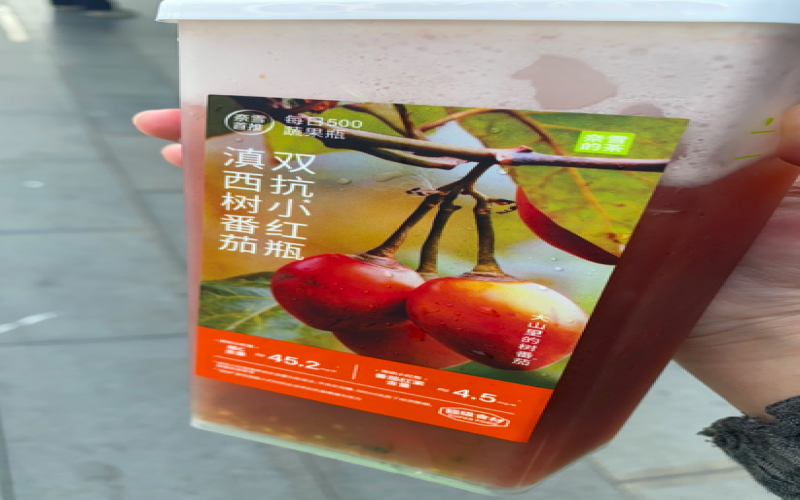
The Controversy Over Nayuki's Little Red Bottle Fruit Pulp: Freshly Squeezed Fruit Not Filtered—Selling Point or Drawback?
Nayuki recently launched a new product, the "Double-Antioxidant Little Red Bottle," featuring freshly squeezed Yunnan tree tomatoes paired with blueberries, cherry tomatoes, lemons, and other fresh fruits. It is advertised as sweet and tangy, rich in vitamin C and lycopene. However, not long after its release, the first wave of curious consumers began complaining: a large amount of fruit peel and seeds settles at the bottom of the cup, and one sip fills your mouth with grit—some people even nearly choked on a lemon seed. Staff responded that filtering the fruit puree was not required during preparation, and the final product varies due to differences in technique. Interestingly, netizens are divided on the issue—some suggest adding a filtration step, while others believe the fruit residue is precisely proof of "genuine ingredients." Behind this controversy lies the challenge of balancing taste and health in fruit-and-vegetable teas. [more…]