







How does the first coffee machine era connect to espresso backflushing?
Backflushing an espresso machine uses a blind basket to push water backward through the group head, clearing the coffee residue that slows and destabilizes shots. This routine works with plain water daily and with cleaning powder for deeper grime. Group heads accumulate grounds drawn back during extraction, and that buildup narrows the water channels, so flow becomes erratic and unwanted flavors end up in the cup.
The method fits into the older lineage of pressure brewing that began with early coffee machine designs like the first espresso machine of 1822. Water backflushing is done before shutdown, while detergent backflushing is reserved for periodic deep cleaning, with repetition counts and daily maintenance frequency set so the group head stays clear and extraction parameters hold from morning through the afternoon.
The espresso extraction parameters you dialed in in the morning become slower and unstable by noon? Besides humidity changes and switching beans, coffee residue accumulated inside the group head is often the culprit. Backflushing is the key method for removing this residue, using a blind basket to let water flow backward through the pipes, then combining it with cleaning powder to deeply remove stubborn coffee grime. This article explains in detail the operational essentials of water backflushing and cleaning powder backflushing, the number of repetitions, and daily maintenance frequency, helping baristas maintain extraction stability and avoid undesirable flavors mixing into the cup.
Fellow baristas at the bar have probably all encountered this situation: you calibrate the espresso extraction parameters in the morning, but by noon the parameters are off, and the speed at which the coffee liquid flows out becomes visibly slower.
Regarding this phenomenon, Front Street previously analyzed it from two angles. First, during rainy weather, there is more moisture in the air, and coffee beans in the hopper easily absorb moisture and become damp. Grinding is also affected by water vapor, causing coffee grounds to clump, flavors to be lost, and extraction to become unstable.
Second, when adjusting parameters in the morning, the original batch of beans was still being used, but in the afternoon new beans were added to the hopper. In this case, the extraction parameters need to be recalibrated.
However, if neither of the above two situations has occurred, then the problem is very likely somewhere else—the inside of the espresso machine has become too dirty.
During extraction, a small amount of coffee grounds is drawn back into the group head. With day after day of extraction, a large amount of coffee residue accumulates inside the group head. This residue blocks the water outlet channels of the group head, causing the coffee flow rate to slow down and become unstable. Moreover, coffee grounds that have accumulated for too long can also affect water quality, giving the coffee an unpleasant taste.
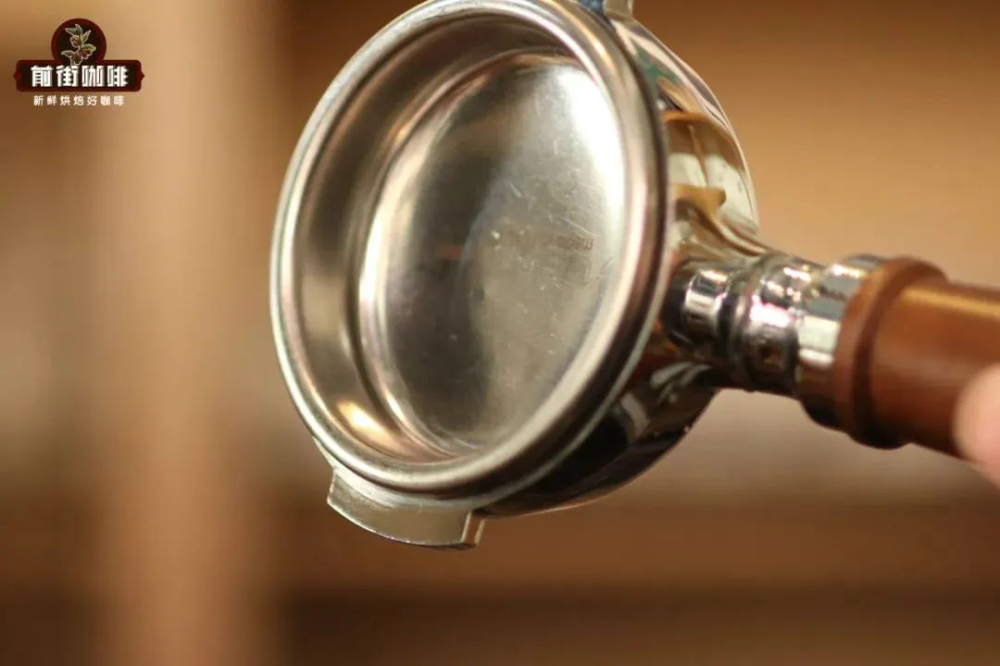
Therefore, before shutting down each time, it is necessary to clean the inside of the group head using a method called "backflushing." First, bring out the blind basket—this is a portafilter basket without filtration holes. Once installed, the water released by the group head has nowhere to go and can only flow back into the internal pipes of the group head, flushing away the residual coffee grounds.
In actual operation, lock the blind basket into the portafilter, then attach the portafilter to the group head just as you would when extracting coffee normally.
Next, press the extraction button and let extraction continue for 10 seconds before stopping. The pressure relief outlet will then discharge dirty water carrying coffee residue.
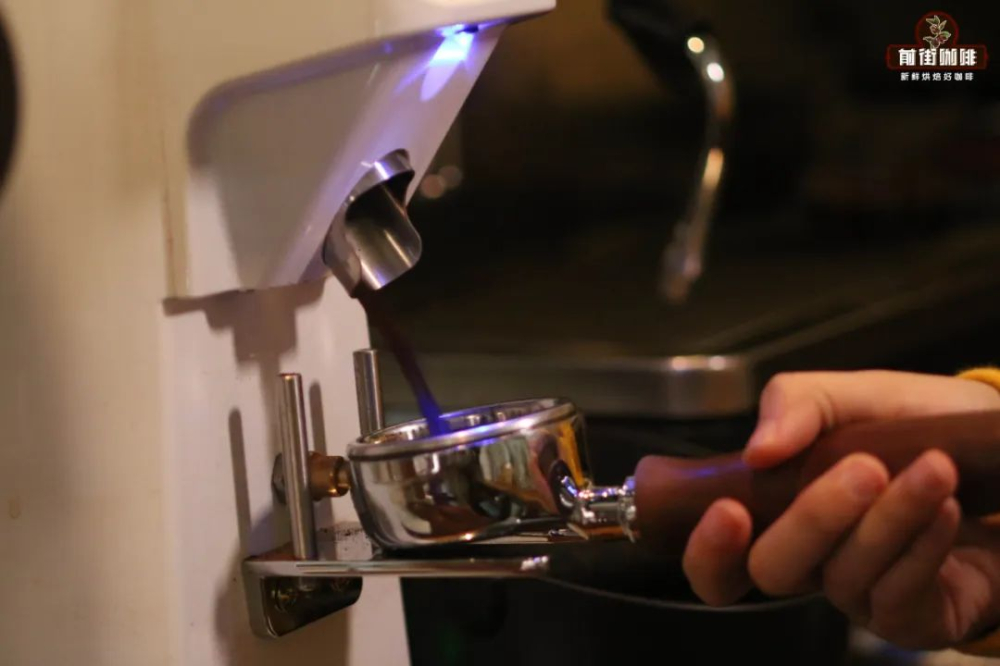
When the portafilter is removed, a small amount of dirty water mixed with coffee grounds will also remain in the blind basket.
The next step is to pour out the dirty water in the blind basket, reattach it to the group head, and repeat the previous action until the water in the blind basket becomes clear. Usually, repeating 5 times is enough to reach this state.
Some barista friends may ask: "I do backflush cleaning every day when closing, so why are my extraction parameters still unstable?" The reason is that the cleaning was not thorough enough. Some coffee residue is relatively stubborn and difficult to remove with water backflushing alone. At this point, espresso machine cleaning powder is needed.
The method is to first put 2-3 g of cleaning powder into the blind basket, then attach it to the group head, press the extraction button, and stop after 5-7 seconds. At this time, the pressure relief outlet will spray out white dirty water carrying coffee residue.
Remove the portafilter. Cleaning powder soaked by water and residual coffee grounds remain in the blind basket. At this point, gently tilt it to pour out the water and residue in the blind basket while keeping the cleaning powder that has already been soaked by water. Reattach it to the group head, press the extraction button for 5-7 seconds, then remove the portafilter and pour out the water in the blind basket, then reattach it to the group head. Repeat this until the cleaning powder in the blind basket disappears when the portafilter is removed. Generally, repeating 4-5 times is sufficient.
Next, flush water through the group head without the portafilter, and gently brush the dispersion screen and gasket with a brush. After cleaning the blind basket, reattach it to the group head and repeat the water backflushing steps, but this time the purpose is to ensure that the cleaning powder inside the group head is completely discharged. Usually, repeat about 7-10 times.
The frequency of cleaning with cleaning powder does not need to be too high. Generally speaking, doing a water backflush once a day and a cleaning powder backflush once a week is enough.
The above content is compiled by CoffeeHunters, a coffee news website.


