








Why season the grinder before grinding pour-over coffee?
Seasoning the grinder before grinding means running a few beans from the same batch through it first. Those beans push out old grounds and burr oils left from the previous dose, so the next pour-over tastes cleaner and the extraction stays on target instead of drifting from stale residue.
Not all particles exit the chute: static electricity leaves fine powder clinging to the burrs and trapped in dead corners. An air blower cannot clear this the way bean seasoning does, which is why many coffee enthusiasts keep the two ideas separate. Seasoning can mean routine deep cleaning of the grinder or this quick pre-grind step, and they serve different purposes.
Many coffee enthusiasts hear experienced baristas emphasize the "seasoning the grinder" step before brewing pour-over coffee. But seasoning actually comes in two forms: one is the routine deep cleaning of the grinder, and the other is the "pre-grinding" done before each grind. The two serve different purposes and should not be confused. This article explains in detail why you need to run a small amount of beans from the same batch through the grinder before grinding coffee beans, how residual coffee grounds and burr oils affect the flavor of your next cup, and why an air blower cannot replace bean seasoning. At the same time, Front Street Coffee will also offer recommendations on the amount of beans to use for seasoning, helping you present the true taste of each bean in a purer way.

However, the term "seasoning the grinder" actually covers two different concepts. Besides regularly deep cleaning the grinder, you also need to perform a seasoning step before grinding beans for pour-over coffee each time. Many experienced baristas emphasize this point when guiding beginners. So here's the question—what exactly is the essential difference between the seasoning before grinding and the seasoning done during routine cleaning?
Why do you need to season the grinder before grinding coffee beans?
What we usually call "seasoning before grinding" is not about disassembling the grinder and scrubbing it with professional tools, but simply dropping a few coffee beans in and grinding them to achieve the "seasoning" effect. This way, the final pour-over coffee will have a cleaner flavor.
Removing residual coffee grounds
The biggest benefit of doing this is clearing out the coffee powder residue hidden inside the grinder. When a batch of coffee beans is ground, not all particles fall smoothly from the discharge chute. Due to static electricity, some finer powder clings to the burr surfaces or gets stuck in the gaps between burrs and dead corners of the grinder.
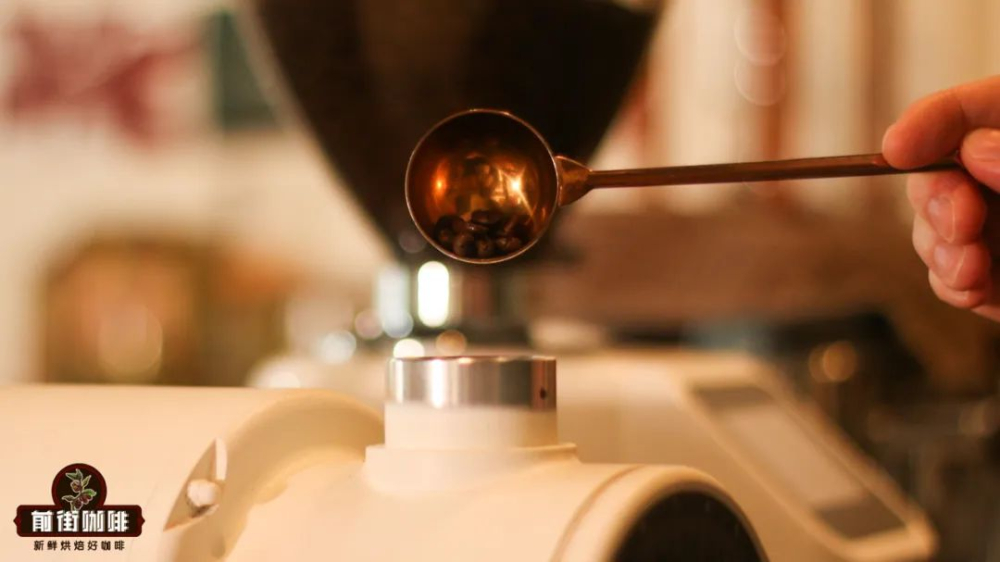
If these residual particles are not removed in time, they will mix into the next batch of ground coffee. This not only causes deviations during extraction of the next dose but also makes the newly ground coffee taste less pure. Therefore, we need to use a few beans from the "same batch" as the coffee about to be ground to act as a cleaner, pushing out the old powder residue from the machine. This is the "seasoning" before grinding.
But be careful! The amount of coffee beans used for cleaning should not be too small. If insufficient, it may fail to carry out the residual powder hidden in dead corners, and the seasoning will be wasted. Therefore, Front Street Coffee recommends using about 1 gram of beans per seasoning, or 4 to 5 beans.
Although this consumes a few extra coffee beans and isn't too friendly to your wallet, it is a necessary measure to ensure the final extracted coffee flavor is not disturbed. Overall, it's actually quite cost-effective.
Some friends might think: Can't an air blower also blow out the residual powder from the grinder? Why not use an air blower for seasoning? That would be easier and save money, wouldn't it be better?
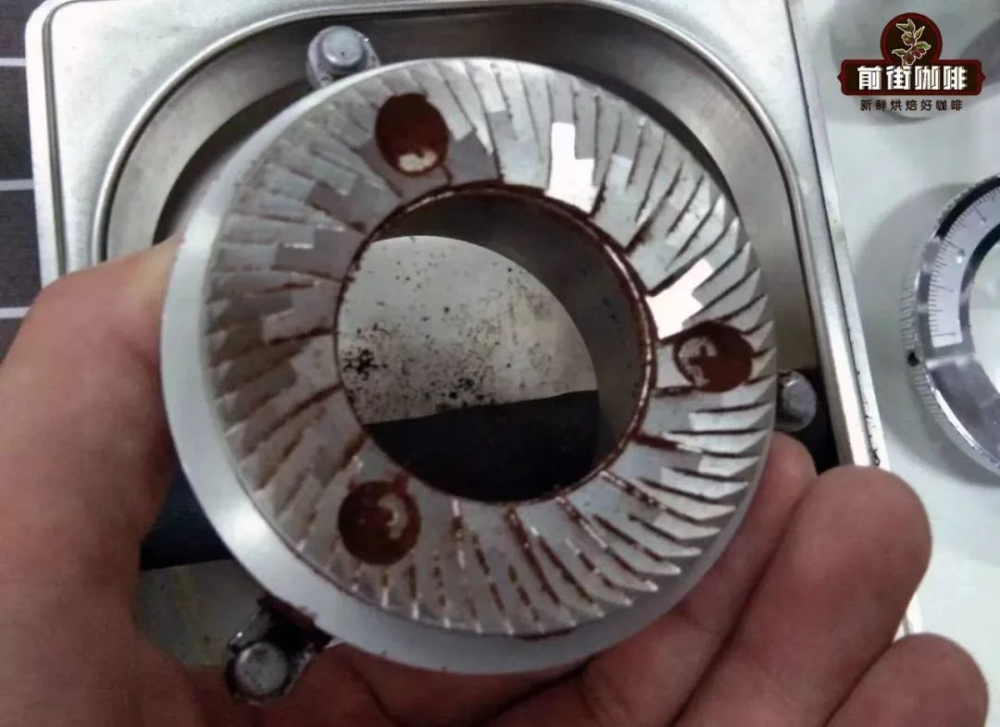
The reason is simple—what remains in the grinder is often not just coffee powder.
Removing oils and odors
To taste a rich variety of flavors, we take turns using different coffee beans for brewing and extraction. Coffee beans themselves contain oils, especially medium roast or darker beans, which have even more oil content. During grinding, once these oils adhere to the burrs, an air blower cannot easily blow them off.
As Front Street Coffee mentioned in yesterday's article, oils carry some of the flavor compounds of the coffee beans themselves. If not thoroughly cleaned, the oils stuck on the burrs will transfer to the newly ground coffee during the next grind, causing deviations in the extracted coffee flavor. Although sometimes this mixture might bring unexpected surprises, most people would still prefer to taste the most original, purest flavor of the coffee beans. So, to avoid this uncertainty, we still need to use coffee beans for seasoning before grinding.
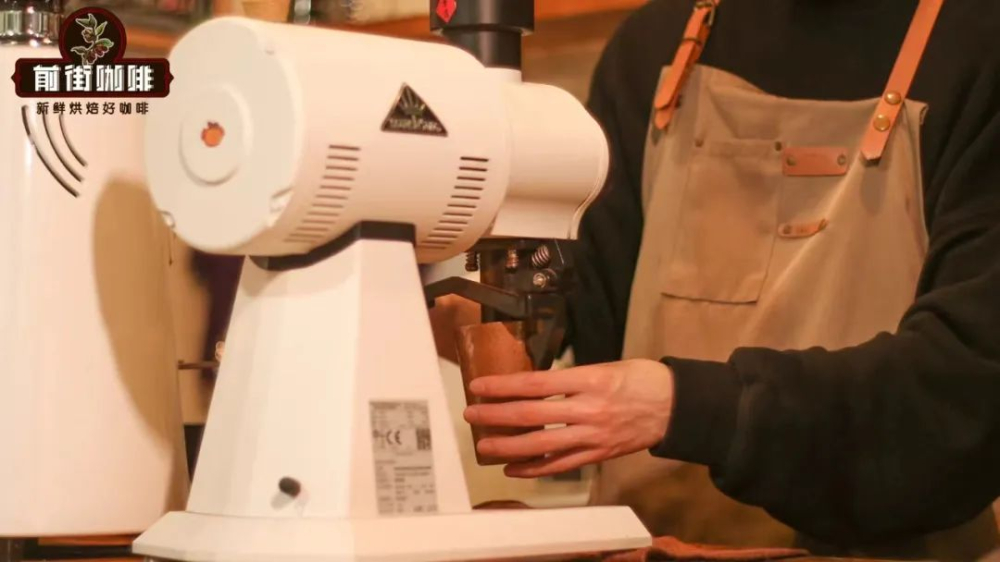
But it must be made clear that this kind of seasoning cannot replace the overall cleaning of the grinder; it only reduces possible flavor interference in the current brew. Therefore, regular deep cleaning of the grinder is still necessary, and the two should never be confused.
(If you want to learn the specific seasoning operation method, you can refer to this article "Cleaning the Coffee Grinder".)
- END -
The above content is compiled by CoffeeHunters, a coffee news website.


