







Search Results for: Coffee Geography
Ethiopian Coffee Cultivation Geography and Flavor Analysis of the Sidamo Specialty Region
Ethiopia is hailed as the birthplace of coffee, and its unique highland geography and climate have given rise to a myriad of specialty coffees with diverse flavors. This article will guide you through Ethiopia's coffee-growing geography, processing methods, and export overview, with a focus on the flavor characteristics of the Sidama region. From forest and semi-forest to garden cultivation, from washed to natural, every step shapes the coffee's personality. Front Street Coffee recommends a variety of Ethiopian beans, allowing you to savor the rich aroma of the Roof of Africa in your own home. [more…]
Panama Coffee Beans Flavor and Origin Geography Explained: SHB Grade Classification Standards
Panama is located on the Central American isthmus, where its unique geographical position and microclimates give rise to high-quality coffee with pure flavors and balanced acidity. This article will introduce Panama's coffee-growing environment, flavor characteristics, and export patterns, with a focus on explaining coffee bean grading standards such as SHB (Strictly Hard Bean), helping coffee enthusiasts understand this country famed for its specialty beans. At the same time, Front Street Coffee will also include related product recommendations in the article for shopping reference. [more…]
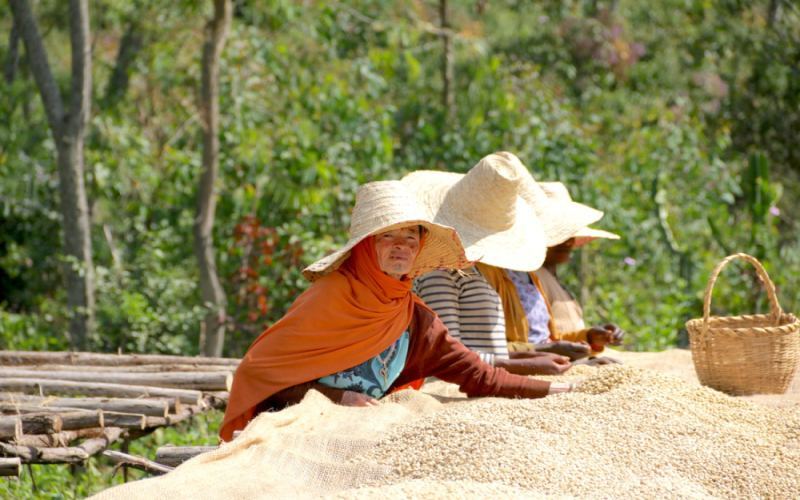
Ethiopia Guji Hambela: The Coffee Geography Evolution from Sidamo Separation to the Legend of Huakui
Ethiopia, as the birthplace of coffee, has a regional division far more complex than any administrative map. In the past, we were accustomed to labeling the origin of Huakui as "Sidamo," but today "Guji" has become the more common traceability information. Behind this change is the process by which the Guji region, relying on high altitude, fertile soil, and refined processing methods, became independent from Sidamo and rose rapidly. Hambela, as a star sub-region of Guji, is both a farm and a processing station, and gave birth to the Huakui series that has swept the specialty coffee world. Front Street Coffee will guide you through this evolution of coffee geography and retain detailed interpretations of products such as Huakui 8.0. [more…]
An In-Depth Analysis of Guatemala's Huehuetenango Region: From Geography and Terroir to the Coffee Bean Altitude Classification System
Guatemala is a major coffee-producing country in Central America, and its coffee is best known from two regions: Antigua and Huehuetenango. Starting from Guatemala's geographical environment, this article sorts out the reasons behind the formation of its seven major coffee-producing regions, with a focus on analyzing the relationship between the unique limestone soil, converging air currents, and coffee flavor of the Huehuetenango highlands, and systematically introduces the altitude grading standards for Guatemalan coffee beans. The article also mentions a rare micro-lot bean from this region at Front Street Coffee, showcasing the diverse possibilities of Huehuetenango coffee. [more…]
An Analysis of the Geography and Climate Conditions of Jamaica Blue Mountain Coffee's Origin: From Altitude to Flavor Characteristics
The unique position Jamaican Blue Mountain Coffee holds in the global coffee landscape is inseparable from the geographical environment and climatic conditions of its origin. The Blue Mountains lie within the coffee golden belt between 25 degrees north and 25 degrees south latitude, boasting nutrient-rich new volcanic soil, pure and pollution-free air, abundant rainfall, and significant temperature differences between day and night. Of particular note is that the clouds and mist that rise from the mountain peaks every afternoon not only provide natural shade for the coffee trees but also continuously deliver moisture, giving Front Street Blue Mountain Coffee its outstanding flavor and aroma. Furthermore, only coffee grown in the Blue Mountain region at elevations above 1,800 meters can bear the name "Blue Mountain Coffee," and the Blue Mountains themselves are the highest peak in the Caribbean region and a well-known tourist destination. [more…]
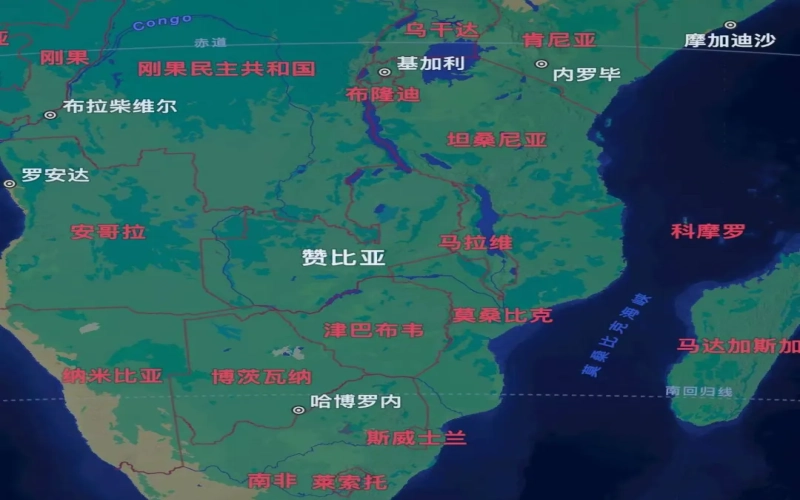
An Analysis of Zambia's Coffee-Producing Geography, Major Growing Regions, and Varieties
African coffee occupies an important position in the global market. Ethiopia is widely recognized as the birthplace of coffee, and Zambia is likewise an African producing country worth noting. Zambia is located in south-central Africa, a landlocked country bordering nine nations, with a land area of about 752,600 square kilometers. Most of the country consists of plateaus at elevations of 1,000 to 1,500 meters, with a tropical savanna climate, an average annual temperature of 18 to 20°C, and three seasons—dry and cool, dry and hot, and warm and wet—making it suitable for growing crops such as coffee. Coffee is mainly distributed in Muchinga Province, Northern Province, Luapula Province, Copperbelt Province, Lusaka Province, and North-Western Province, primarily grown on large estates. All varieties are Arabica, with the Catimor series and SL28 accounting for the majority. The harvest period runs from October to March of the following year. [more…]
From Sidamo to Gedio: The Administrative Changes and Coffee Geography Behind the Yirgacheffe Region Name
Yirgacheffe is one of the most recognizable regions in the specialty coffee world, and its citrus flavors have become virtually synonymous with washed Ethiopian coffee. However, the most widely circulated claims about this region's location and naming diverge from the actual situation. This article will begin with the administrative boundary changes in Ethiopia around 1995, trace the historical relationship between Yirgacheffe and Sidamo, clarify the geographical relationship between the Gedeo Zone and the Sidama Zone, and also briefly touch on the areas where Kaffa and Gesha are located. Whether you are a newcomer just getting into specialty coffee or an enthusiast who has long followed Ethiopian regions, understanding this administrative history will help you more accurately grasp the origins and positioning of Yirgacheffe coffee. Front Street Coffee will also combine the region's characteristics to recommend a washed Yirgacheffe worth trying. [more…]
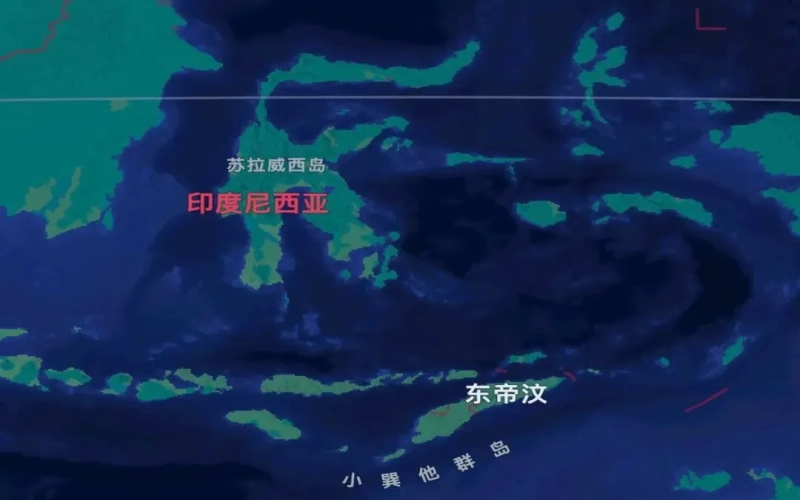
A Complete Guide to Timor-Leste's Coffee Regions: Geography, Main Producing Areas, and the Origins of the Tim Tim Hybrid
Although Timor-Leste is a small country, it holds a place in Asia's coffee landscape. Located at the eastern end of the Nusa Tenggara archipelago, this nation has high-altitude mountains, volcanic soil, and abundant rainfall, providing exceptional natural conditions for coffee cultivation. Timor-Leste coffee is predominantly organically grown, with almost no use of chemicals, and its production areas are concentrated in Ermera, Manufahi, and other regions, with Ermera accounting for half of the national output. In terms of varieties, Hibrido de Timor, a natural hybrid of Arabica and Robusta, combines Arabica's quality with Robusta's disease resistance, and later gave rise to widely planted varieties such as Catimor. This article will take you deeper into the production regions and variety lineage of Timor-Leste coffee. [more…]
Kenya Coffee Region Cupping Report: A Full Analysis from Geography and Terroir to Front Street Coffee's TOH Award-Winning Green Beans
Kenya, as a neighbor of Ethiopia, has a coffee-growing history that dates back to 1893, and was later promoted by the British for large-scale cultivation in the highland areas at altitudes of 1,400 to 2,100 meters. The volcanic ash soil rich in organic matter, annual maximum temperatures of 22 to 26°C and minimum temperatures of 10 to 14°C, along with suitable rainfall, together create ideal growing conditions for high-quality Arabica coffee beans. Thanks to its natural endowments and the joint efforts of coffee farmers and the government, Kenya became one of the world's major coffee countries within just a century. Its coffee is deeply favored by coffee lovers for its rich fruity aroma, strong red wine notes, and abundant, lingering aftertaste. This article will systematically introduce the cupping situation of Kenyan coffee-producing regions, and attach detailed information on Front Street's 2017 TOH Best Kenya green beans, as well as green bean information and flavor descriptions for the 2016 Brazil COE Natural Champion and the Guatemala COE 4th place Geisha Honey Process. [more…]
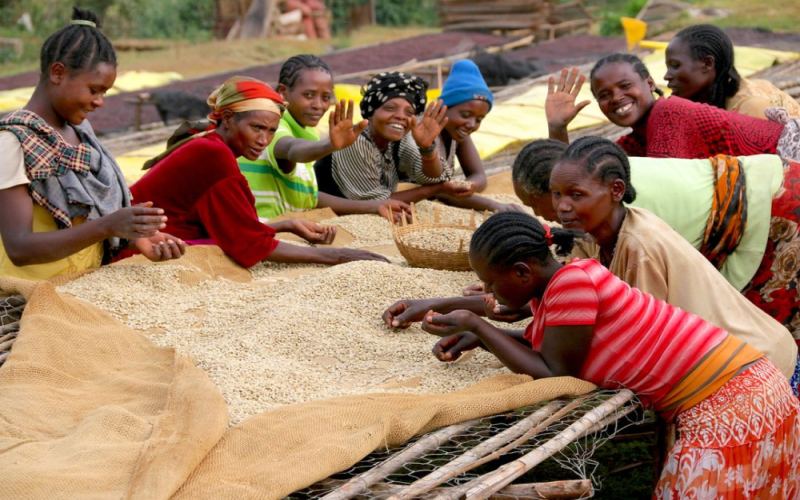
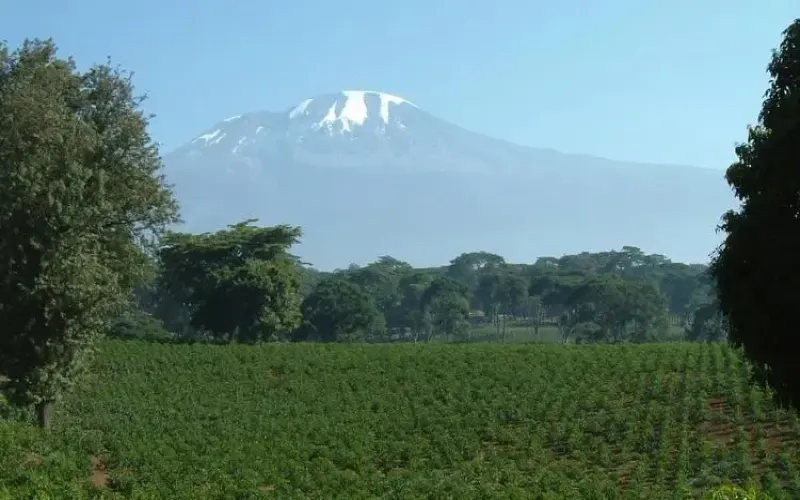
Mount Kilimanjaro in Tanzania's Coffee Region: Geography, Flavor Profile, and Washed Typica Processing
On the African coffee map, Ethiopia, Kenya, and Rwanda are often mentioned, while Tanzania also occupies an important place, known as one of Africa's coffee big three, once given the name "coffee gentleman" by Europeans. This article will outline Tanzania's geographical and climatic conditions, explain how coffee was introduced and developed into a cash crop, focus on the altitude, soil, and water advantages of the Kilimanjaro region, analyze the characteristics of the Typica variety, and the washed processing method. At the end, it includes the region, altitude, variety, processing method, and brewing parameters of FrontStreet Coffee's Kilimanjaro coffee beans for coffee lovers' reference. [more…]
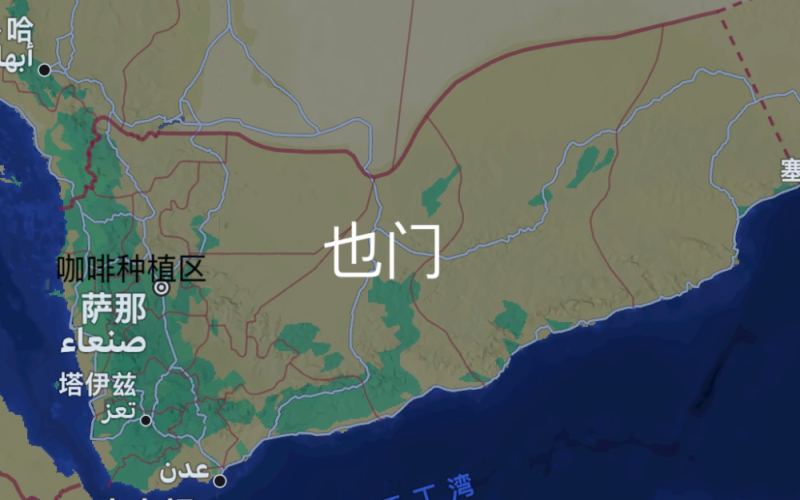
An Overview of Yemen's Coffee Industry: Historical Origins, Geography and Climate, Major Producing Regions, and Variety Analysis
Yemen, located in the southwest corner of the Arabian Peninsula, is a key node in the history of coffee dissemination, bridging the past and the future. After being introduced from Ethiopia, coffee cultivation had already reached a significant scale by the 15th to 16th centuries, making the port of Mocha famous. Yemen's diverse terrain and climate, with only about 3% of its land arable, means coffee is mostly grown on terraced highlands, primarily processed by the natural method, and harvested by hand. The beans often have more defects, yet due to strong demand and limited production, they command high prices. Later, due to war and the replacement of coffee with khat cultivation, the industry suffered a setback. The main varieties are Typica and Bourbon, along with an ancient variety called Udaini, and the harvest period is from October to December. Notable producing regions include Sana'a, Raymah, Mahwit, and Sa'dah. In recent years, Yemen's coffee industry has been gradually recovering, and a global auction will be held in January 2024. [more…]
Exploring Tanzania's Coffee Regions: The Geography and History of East African Coffee Through Kigoma
Africa, as the world's second-largest continent, is dominated by highlands and spans the equator, and its climatic conditions have given rise to numerous high-quality coffee-producing regions. Tanzania, with its unique geographical environment and historical heritage, has become an important coffee-producing country in East Africa and is known as the "coffee gentleman." From the introduction of coffee during the German colonial period, to industrial reforms after independence, and then to the shift of producing regions after the invasion of leaf rust, Tanzanian coffee has gone through a tortuous course of development. Today, nine producing regions, including Kilimanjaro, Arusha, and Kigoma, each have their own characteristics. Among them, Kigoma, as an emerging producing region, is gradually revealing its coffee potential by relying on the natural resources of Lake Tanganyika. This article will take you into a deeper understanding of the distribution and characteristics of Tanzania's coffee-producing regions, and focus on the terroir and prospects of the Kigoma producing region. [more…]
Complete Guide to Geisha Coffee Beans from the Boquete Region of Panama: From National Geography to Front Street Coffee's Washed Brewing Flavor
Panama, a Central American country that connects two oceans via its canal, is not only geographically unique but also nurtures some of the world's top coffee-producing regions. Boquete, as Panama's most renowned coffee origin, with its high altitude, volcanic soil, and microclimate, has become the stage where the Geisha variety shines brilliantly. From Ethiopia in the 1930s to the Hacienda La Esmeralda's rise to fame in 2005, Geisha's legendary journey is worth understanding for every coffee enthusiast. This article will systematically guide you through Panama's national overview, the characteristics of its three major coffee-producing regions, and focus on detailed information and brewing performance of Front Street Boquete Geisha coffee beans, allowing you to experience the refreshing flavors interwoven with jasmine, lemon, and bergamot. [more…]

A Beginner's Guide to Brazilian Coffee Regions: From Geography and Climate to Front Street Coffee's Selected Beans and Prices
Brazil, as the world's largest coffee producer, has always been known for its abundant output and affordable prices, making it the preferred source of everyday staple beans for many people. Front Street Coffee sells a bag of Brazilian staple beans for only 25 yuan, and espresso blends containing Brazilian beans cost no more than 80 yuan, offering extremely high value for money. This article will take you through a comprehensive understanding of Brazil's national overview, the meaning of its flag, and its geographical and climatic characteristics, and will introduce major coffee-producing regions such as Paraná, São Paulo, Minas Gerais, and Espírito Santo one by one. It will also recommend entry-level selected beans such as Front Street Coffee's Queen's Estate and Cerrado Red Bourbon, along with their brewing flavor performance, providing coffee enthusiasts with a complete introductory reference to Brazilian coffee. [more…]

An Analysis of the Flavor Formation of Brazilian Coffee: From Geography and Varieties to Processing Methods and a Detailed Overview of Ten Major Producing Regions and Brands
Brazil is the world's largest coffee producer, and its coffee is known for its low acidity and nutty, chocolatey flavor profile, making Brazilian beans a familiar sight in almost every cafe. This article systematically examines the factors behind Brazilian coffee's flavor from multiple dimensions, including Brazil's geographical location, coffee-growing history, variety structure, evolution of processing methods, and seven major producing regions. At the same time, it combines two Brazilian single-origin beans currently sold by Front Street Coffee—Queen Estate Yellow Bourbon and Cerrado Red Bourbon—to explain in detail their producing region information, brewing parameters, and flavor differences, helping coffee lovers gain a more comprehensive understanding of the unique charm of Brazilian coffee. [more…]
Colombian Coffee Flavor Characteristics and Huila Region Analysis: From Geography and Varieties to Front Street Brewing Practice
Colombia, as the world's third-largest coffee-producing country, is renowned for the superior terroir of the Andes Mountains and its rich variety of cultivars. This article systematically reviews the overall flavor characteristics of Colombian coffee, with a focus on analyzing the terroir conditions of specialty producing regions such as Huila, and provides a detailed introduction to the cultivation performance of varieties including Typica, Bourbon, Caturra, and Castillo in Colombia. It also covers coffee bean grading standards, washed processing methods, and the brewing parameters and flavor descriptions of products sold by FrontStreet Coffee such as the Colombian Geisha blend Hanami, offering coffee enthusiasts a complete framework for understanding Colombian coffee. [more…]
Yunnan Coffee Region Geography and Flavor Analysis: Arabica Bean Varieties, Processing Methods, and Pour-Over Techniques
Yunnan, as China's most important coffee-producing region, contributes 98% of the nation's coffee output, primarily cultivating Arabica small-bean varieties. This article starts from Yunnan's geographical conditions and microclimate, reviewing the terroir characteristics of the four major production areas: Pu'er, Baoshan, Dehong, and Lincang. It analyzes the unique sweet aftertaste of Baoshan small-bean coffee and the cultivation history of Lincang Typica. At the same time, it delves into the variety classification of Yunnan small-bean coffee—the differences between Catimor and Typica—as well as the impact of washed and natural processing on flavor. Finally, Front Street Coffee shares V60 three-pour brewing parameters at a café production level to help you extract a great cup of Yunnan coffee with notes of nuts, chocolate, brown sugar, and balanced fruit acidity. [more…]
The Origin of Coffee, Ethiopia: A Complete Analysis of the Flavors of Arabica Native Heirloom Varieties Such as Yirgacheffe and Sidamo
Ethiopia is widely recognized as the birthplace of Arabica coffee, home to the world's richest variety of native coffee species and genetic resources. This article begins with the country's geography and cultivation history, outlines Ethiopia's unique standing in the coffee world, and highlights the flavor characteristics of two representative producing regions: Yirgacheffe and Sidamo. Yirgacheffe is known for its citrus-lemon acidity and jasmine floral aromas, with washed and natural processing each offering distinct styles; Sidamo, thanks to its diverse terrain and soils, presents a wide range of flavors including florals, nuts, and cocoa. Whether you are a coffee enthusiast just getting started or a seasoned drinker looking for Front Street Coffee's recommended beans, this article will guide you into a deeper understanding of what makes this coffee homeland so captivating. [more…]
A Comprehensive Analysis of the Geography and Climate Conditions of Jamaican Blue Mountain Coffee Bean Origins
Blue Mountain coffee is renowned as one of the finest coffees in the world, and its distinctive flavor stems from the unique geographical location, climatic conditions, and altitude of the Blue Mountain region in eastern Jamaica. This article systematically reviews the cultivation of Jamaican Blue Mountain coffee beans from the perspectives of the history of the Blue Mountain producing region, its certification system, growing environment, and current market conditions. It also introduces the flavor characteristics and product information of Front Street Coffee's Blue Mountain coffee, helping coffee enthusiasts gain a comprehensive understanding of the origin story behind this legendary coffee. [more…]

A Complete Analysis of Mandheling Coffee Origins: Indonesian Coffee Geography and Variety Grading from Sumatra to Bali
Mandheling coffee, with its unique flavor profile of rich aroma, full body, and pronounced bitterness, has become the signature calling card of Indonesian coffee. From the Lintong highlands of Sumatra to the shores of Lake Tawar in Aceh, from the Kintamani highlands of Bali to the Ijen Plateau of Java, the volcanic soils and tropical rainforest climate of the Indonesian archipelago nurture coffee beans of strikingly distinct character. This article systematically reviews the cultivation history of Indonesian coffee, the distribution of its main producing regions, the varietal characteristics and grading standards of Mandheling, and offers an in-depth analysis of how the wet-hulling process shapes its low-acidity, thick-bodied personality, while also introducing two products recommended by Front Street Coffee: Lintong Mandheling and PWN Golden Mandheling. [more…]