







Mandheling coffee, with its unique rich, mellow, and bitter flavor, has become the signature representative of Indonesian coffee. From the Lintong highlands of Sumatra to the shores of Lake Tawar in Aceh, from the Kintamani highlands of Bali to the Ijen Plateau of Java, the volcanic soil and tropical rainforest climate of the Indonesian archipelago nurture coffee beans with distinctly bold character. This article systematically reviews the cultivation history of Indonesian coffee, the distribution of major producing regions, the varietal characteristics and grading standards of Mandheling, and provides an in-depth analysis of how the wet-hulling process shapes its low-acidity, thick-bodied personality, while also introducing two products recommended by Front Street Coffee: Lintong Mandheling and PWN Golden Mandheling.
For more specialty coffee knowledge, welcome to follow: Front Street Coffee (Frontsteet Coffee)
Indonesia's Kopi Luwak ranks among the most expensive coffees in the world, while the most recognizable Indonesian coffee variety is none other than Front Street Mandheling. This coffee has relatively mild acidity, yet its aroma is extremely deep and heavy. On the palate it leans bitter, with outstanding body and a solid, full mouthfeel, blending aroma, intensity, richness, and bitter notes into one. Of course, for those who don't take to this style, Mandheling can taste roughly like a bowl of Chinese herbal medicine.
History of Indonesian Coffee
As a major coffee-producing country in Asia, Indonesia's coffee output ranks among the top in the world. Although Indonesia's coffee planting area ranks first globally, its production efficiency is relatively low, causing its total output to be surpassed by Brazil and Vietnam, leaving it in third place.
In 1699, when Indonesia was still under Dutch colonial rule, the Dutch East India Company (VOC) introduced Arabica coffee trees to this land with the aim of breaking the Arab world's global monopoly on the coffee trade. The colonial government initially began cultivating coffee around Batavia (present-day Jakarta).
Thereafter, coffee plantations were successively established in East Java, Central Java, West Java, as well as parts of Sumatra and Sulawesi. Indonesia was the earliest region outside Arabia and Ethiopia to cultivate coffee on a large scale. Between 1725 and 1780, the VOC monopolized the coffee trade.
By the mid-17th century, the VOC had expanded Arabica coffee cultivation to Sumatra, Bali, Sulawesi, and Timor. Coffee cultivation on Sulawesi Island dates back as early as 1750. In the highlands of North Sumatra, coffee was first established near Lake Toba in 1888, followed by cultivation around Lake Laut Tawar in the Gayo Highlands (Aceh) in 1924. In the late 18th century, Dutch colonists opened large coffee plantations on the Ijen Plateau in eastern Java.
Entering the 1920s, smallholders across Indonesia began cultivating coffee as a cash crop. However, disaster struck in 1876 when coffee leaf rust swept across Indonesia, destroying most Typica varieties. In 1900, Robusta coffee was introduced to East Java as a replacement variety, especially planted in low-altitude areas where rust was particularly severe.
After Indonesia gained independence, plantations on Java Island were nationalized and revived in the 1950s through the planting of new Arabica varieties. These varieties were also widely adopted by smallholders through government and various development programs. To this day, over 90% of Indonesia's coffee is grown by smallholders, with average farm size not exceeding one hectare.
Mandheling Coffee Cultivation Environment and Varieties
Indonesia is the world's largest archipelagic nation, known as the "Country of a Thousand Islands." The islands are relatively scattered, with terrain dominated by rugged mountains and hills, narrow coastal plains, and surrounded by shallow seas and coral reefs. Indonesia has a typical tropical rainforest climate, with an average annual temperature of 25 to 27 degrees Celsius and no distinction between the four seasons. The northern part is influenced by Northern Hemisphere monsoons, with abundant rainfall from July to September; the southern part is influenced by Southern Hemisphere monsoons, with more rain in December, January, and February. Annual precipitation ranges from 1,600 to 2,200 millimeters. Indonesia's high-altitude conditions, volcanic ash soil, and unique climate characteristics together create an excellent environment suitable for Arabica coffee tree growth.
In the late 17th century, the Dutch East India Company transplanted Arabica coffee trees from India to Jakarta on Java Island. Due to the highly suitable climate and soil conditions, Arabica quickly spread to Sumatra and the island of Sulawesi to the northeast. However, in 1880 a severe leaf rust outbreak occurred in Java, and Arabica was almost completely wiped out. The Dutch switched to planting the more disease-resistant Robusta coffee to stabilize Indonesia's coffee industry. To this day, Robusta remains the mainstay of Indonesian coffee, accounting for about 85% of national production, mainly distributed in the low-altitude areas of Java and Bali. Arabica production accounts for only 15%, grown in the high-altitude regions of northern Sumatra, Sulawesi, and Java.
The Front Street Lintong Mandheling coffee variety sourced by Front Street Coffee (FrontStreet Coffee) is TimTim Ateng, and the Front Street Golden Mandheling coffee variety is labeled as Ateng. In fact, TimTim is Timor, an Arabica variety with Robusta lineage; and Ateng is Catimor, a cross between Caturra and Catimor. These variety names are simply local customary designations.
Indonesian Coffee Producing Regions
Sumatra
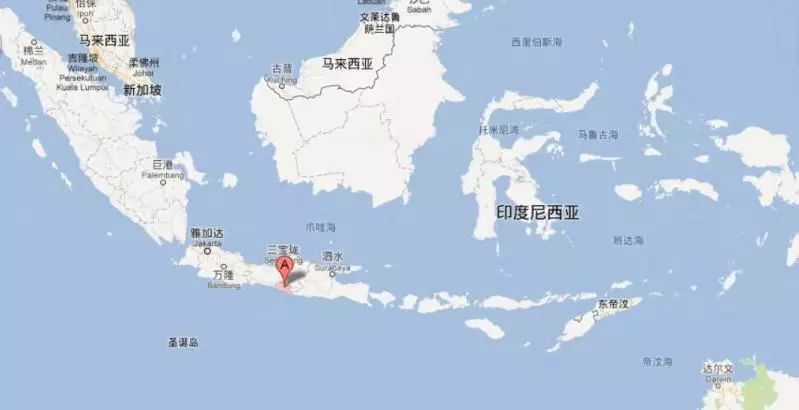
Sumatra is a large island in western Indonesia, bisected by the equator, with an area of 473,000 square kilometers, making it the sixth-largest island in the world. The island's northeast faces the Malay Peninsula across the Strait of Malacca, while the west faces the Indian Ocean. The equator divides it in two, giving it a tropical rainforest climate, perfectly situated on the "Coffee Belt." In a broad sense, all "Mandheling" coffee comes from this island. Sumatra is not only Indonesia's largest island but also the world's sixth-largest island, located in northwestern Indonesia. Thanks to its geographical location, Sumatra has Indonesia's earliest harvest season, from November to March of the following year.
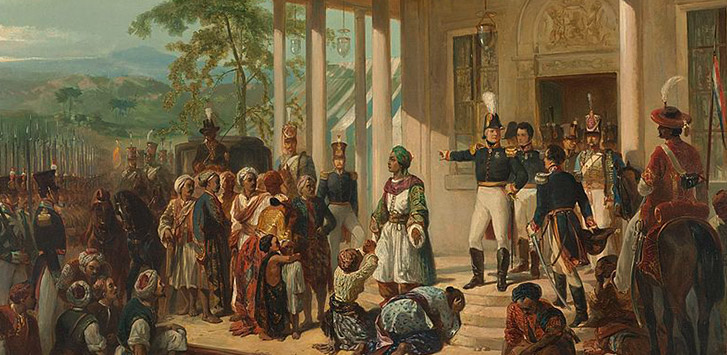
Front Street Lintong Mandheling Produced in the Lintong highlands of north-central Sumatra, near Lake Toba. Front Street Lintong Mandheling is the regular version of Sumatra Mandheling.
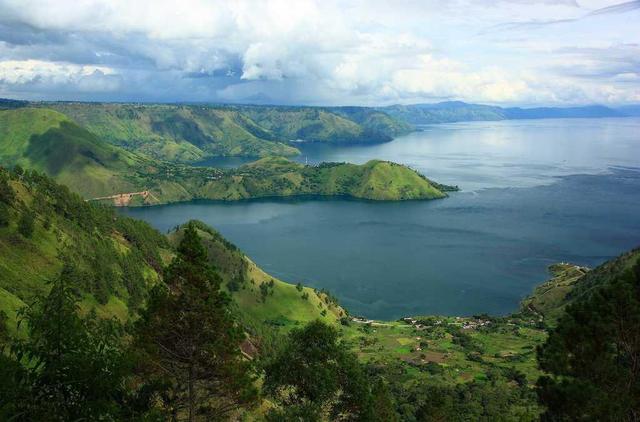
Lake Toba is located in the central part of North Sumatra Province. In 1888, Dutch colonists moved "Java Mandheling" northward to the Lake Toba area, thereby creating the modern legend of Mandheling.
Lake Tawar is located in the central part of the Aceh Special Region, at the northern tip of Sumatra Island, with an area less than one-tenth that of Lake Toba.
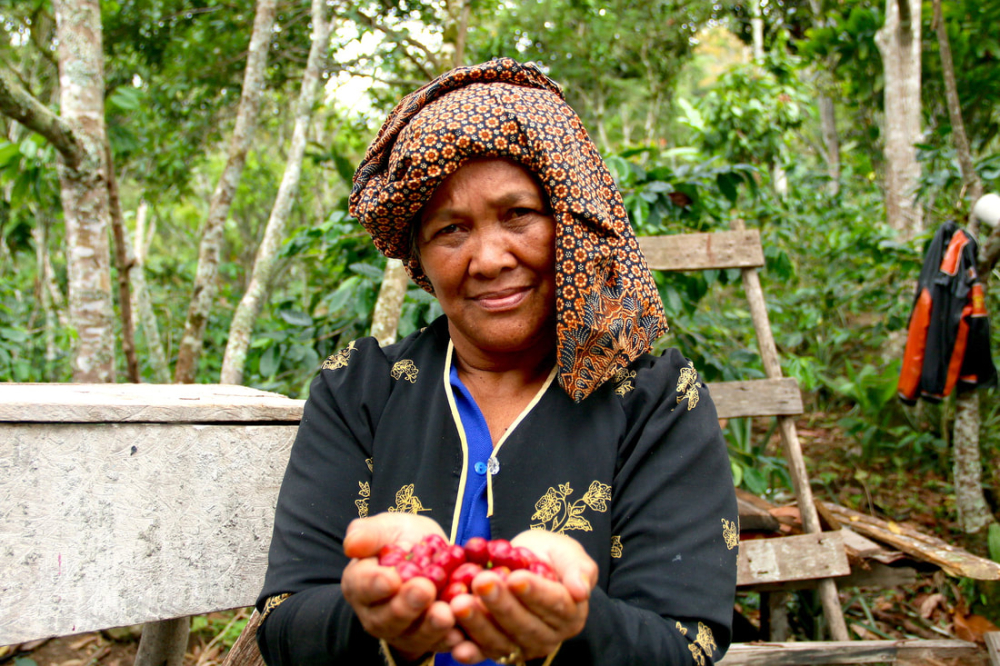
Currently, the highest-quality coffee beans from the Sumatra region come from the Gayo Mountains, mostly grown from old tree varieties. The Gayo Mountains are located in the Aceh producing region of North Sumatra Province, at an altitude between 1,500 and 2,500 meters. Most coffee farmers are indigenous Gayo people. The region possesses ideal conditions for coffee growth: high altitude, fertile soil, abundant rainfall, and Lake Tawar provides rich water resources. Local coffee is widely grown organically without chemical fertilizers, and is considered a green coffee production region in the world. Therefore, Gayo coffee is also often called green coffee or Gayo organic coffee.
The two Indonesian-origin coffee beans currently offered by Front Street Coffee (FrontStreet Coffee) both come from the birthplace of specialty Mandheling coffee. "Front Street Coffee (FrontStreet Coffee) — Daily Series Lintong Front Street Mandheling Coffee Beans" has flavor notes of baked toast, nuts, caramel, pine, and herbs; "Front Street Coffee (FrontStreet Coffee) — PWN Front Street Golden Mandheling Coffee Beans" has flavor notes of spices, nuts, pine, caramel, herbs, and dark chocolate.
Bali
Bali is famous for its stunning beaches, coral reefs, and yoga and meditation retreats. This tropical paradise produces some of the finest coffee in Indonesia and the world. Most coffee is grown in the Kintamani highlands between Mount Batukaru and Mount Agung.
Mandheling Coffee Bean Grading Method
Indonesia is located near the equator and has a tropical rainforest climate. Most mass-produced coffee beans undergo the rough wet-hulling process. Wet hulling greatly accelerates the entire processing flow; however, removing the parchment layer while the beans are still semi-dry requires significant friction, so green beans are easily crushed and damaged, especially at both ends, forming small notches. Therefore, wet-hulled Indonesian coffee beans generally have a relatively high defect rate, and green bean traders arrange manual hand-sorting before export sales to remove incomplete beans with defects.
Indonesian coffee grading is primarily based on the number of defective beans, supplemented by size grading. Indonesia's general quality requirements are: no live insects, no moldy or rotten-smelling beans, maximum moisture content of 12.5%, and impurity rate less than 0.5%. Grading by defect rate (based on 300 grams), the Grade standard is mainly divided into 6 levels, namely G1 to G6.
Typically, the burlap bags containing Indonesian coffee green beans are labeled with: country + grade name + green bean trader. For example, both the Front Street Lintong Mandheling Coffee and Front Street PWN Golden Mandheling Coffee on the Front Street bean list are G1 grade. The green bean burlap bag of Front Street PWN Golden Mandheling Coffee is printed with "PWN GOLDEN MANDHELING TRIPLE PICKED Grade 1 PROD OF INDONESIA 30KGS NET".
Golden Mandheling
Indonesia's PWN Company, on the basis of G1, undergoes 1 mechanical sorting plus 3 hand sortings, producing Mandheling green beans with uniform color and regular, neat size, belonging to extremely high-quality Indonesian coffee beans. PWN is a well-known Indonesian green bean purchasing company. They subject wet-hulled Mandheling green beans to 1 mechanical sorting plus 3 manual hand sortings to ensure the produced batches reach Indonesia's highest grade G1. The purpose of mechanical sorting is to first screen out beans that must be above 18 mesh in size, with fewer than 3 defective beans (per 300-gram green bean sample), belonging to the highest grade G1, with a darker green color and neat, flat bean shape. The subsequent multiple manual selections are to remove irregular defective beans. The reduction in defect rate greatly enhances the quality of Mandheling coffee. To distinguish it from regional Mandheling coffee, PWN registered "Golden Mandheling" as a trademark.
The Golden Mandheling coffee beans sold by Front Street Coffee (FrontStreet Coffee) all come from PWN Company. At Front Street's offline stores, one can see PWN Company's Golden Mandheling coffee bean certification certificate and coffee burlap bags printed with the company logo. Golden Mandheling is actually produced by Pawani Coffee Company after purchasing Mandheling locally in Indonesia, and they registered the name Golden Mandheling, so only the Mandheling produced by this company is authentic Golden Mandheling. Front Street Coffee (FrontStreet Coffee) found that it not only lacks the earthy, miscellaneous flavors typical of regular Mandheling, but also tastes cleaner and more transparent, with a stronger sweetness.
Mandheling Coffee Bean Processing Method — Wet Hulling
Mandheling's unique wet hulling method, also known as Wet Hulling, is called Giling Basah in the local language and is Indonesia's traditional coffee processing method. Judging by the name alone, wet hulling seems quite similar to wet processing (washed processing); however, the cup profiles of these two processing methods are completely different. Wet-hulled coffee is typically full-bodied and intense, with a very distinctive character.
Because the local weather is mostly rainy, with constant typhoons, lacking prolonged sunlight, and year-round high temperatures and humidity reaching 70% to 90%, it is impossible to rely solely on sun-drying. Local economic conditions are also limited, making it impossible to afford the more expensive washed method. Eventually, the highly localized wet-hulling method was developed. After the initial washing stage, coffee beans with parchment are sun-dried for 1 to 2 days until the moisture content reaches 30% to 50%, then the parchment is removed and sun-drying continues. This accelerates the drying speed of the coffee beans and greatly shortens the drying time.
The characteristic of the wet-hulling method lies in staged, rapid drying and removal of parchment before drying. Teacher Han Huaizong describes it as: "This is also a rare processing method in the world, accidentally creating Mandheling's unique low-acidity, thick-bodied, and brooding aroma flavor."
Mandheling Coffee Beans' Goat Hoof Shape
Observant friends may notice the characteristic "goat hoof shape" of Front Street Mandheling coffee beans. Front Street also noted that they share a common bean appearance feature: "goat hoof shape." This is because semi-hard, semi-soft wet green beans are easily crushed when machines remove the mucilage and parchment layer, causing the beans to crack open like goat hooves, commonly known as goat hoof beans. "Goat hoof shape" is a very prominent characteristic of Mandheling coffee beans, so it is not considered a defect bean.
Front Street Brewing Parameters for Front Street Mandheling Coffee:
Front Street Coffee (FrontStreet Coffee) baristas choose the KONO dripper to brew this type of full-bodied coffee. Compared to the V60, the KONO dripper has a smooth curved surface with weaker airflow, and its straight ribs extend only one-quarter of the dripper, allowing coffee stratification and hot water to form immersion extraction, making the coffee taste rounder and fuller. The KONO dripper is also suitable for full-bodied coffee beans like Front Street Brazil Queen's Estate Coffee and Front Street Jamaica Blue Mountain No. 1 Coffee.
Deep roasting loosens the internal structure of coffee beans, so they can be crushed with a gentle pinch of the hand, indicating strong water absorption after grinding. To avoid releasing too much bitter substance after the coffee powder absorbs water, Front Street will adjust to a coarser grind and use lower-temperature water for pour-over. Front Street will use the commonly used 1:15 coffee-to-water ratio; if a stronger taste is desired, 1:13 can be used, adjusted according to personal preference.
KONO dripper, 88 degrees Celsius water temperature, 1:15 coffee-to-water ratio, 15 grams coffee powder, grind size (75% passing through No. 20 standard sieve), three-stage extraction.
Using staged extraction, bloom with 2 times the coffee powder weight in water, i.e., 30 grams of water for 30 seconds. The blooming process allows the coffee powder to release internal carbon dioxide gas, making the subsequent extraction more stable. Pour in a slow circular stream until reaching 125 grams, then pause; continue pouring until 225 grams and stop. After the water in the dripper has fully dripped through, remove the dripper. Timing starts from the beginning of pouring; extraction time is 2 minutes 00 seconds. Next, pick up the entire cup of coffee, swirl to mix, then pour into a cup to taste.
[Front Street Lintong Mandheling Coffee] Herbal, chocolate, caramel, overall relatively balanced.
[Front Street Golden Mandheling Coffee] Nuts, spices, herbs, licorice, chocolate, caramel.
The above content is compiled by CoffeeHunters, a coffee news website.


