







What Makes Colombian Coffee Flavor So Distinct?
Colombian coffee flavor is shaped by the Andes terroir, where three cordilleras run north to south and coffee farms sit at high altitude along the ranges. That stepped terrain creates diverse microclimates, so Colombia can harvest coffee throughout the year, with different varieties ripening in succession at different times. The result is a balanced cup with clear, high-quality fruity acidity rather than sharp sourness or heavy intensity.
The characteristics of Colombian coffee also come from the cultivars grown there: Typica, Bourbon, Caturra and Castillo, plus washed processing and bean grading standards that sort lots by quality. Colombia ranks third in global production after Brazil and Vietnam, and it is one of the few origins that circulates worldwide as a single-origin country name. FrontStreet's Colombian Geisha blend Hanami shows how these factors land in the cup.
Colombia, as the world's third-largest coffee-producing country, is renowned for the superior terroir of the Andes and its rich variety of cultivars. This article systematically reviews the overall flavor characteristics of Colombian coffee, with a focus on analyzing the terroir conditions of specialty-producing regions such as Huila, and provides a detailed introduction to the cultivation performance of varieties such as Typica, Bourbon, Caturra, and Castillo in Colombia. It also covers coffee bean grading standards, washed processing methods, and the brewing parameters and flavor descriptions of products currently sold by FrontStreet Coffee, such as the Colombian Geisha blend Hanami, offering coffee enthusiasts a complete framework for understanding Colombian coffee.
For more specialty coffee knowledge, follow the WeChat public account: FrontStreet Coffee.
When Colombia is mentioned, FrontStreet Coffee first thinks of the country's famous "four treasures": coffee, flowers, gold, and emeralds. Among them, coffee, one of these treasures, has already formed a series on FrontStreet's bean list. In terms of production, Colombia currently ranks third globally, after Brazil and Vietnam.
Colombian coffee is one of the very few coffees that can circulate globally as a single-origin identifier under a country name. In terms of overall quality, the recognition it receives is difficult for other producing countries to match. Unlike most producing countries, Colombia has invested more effort in product development and production promotion, and together with its outstanding local geography and climate conditions, this has ultimately created Colombian coffee's excellent quality and global reputation.
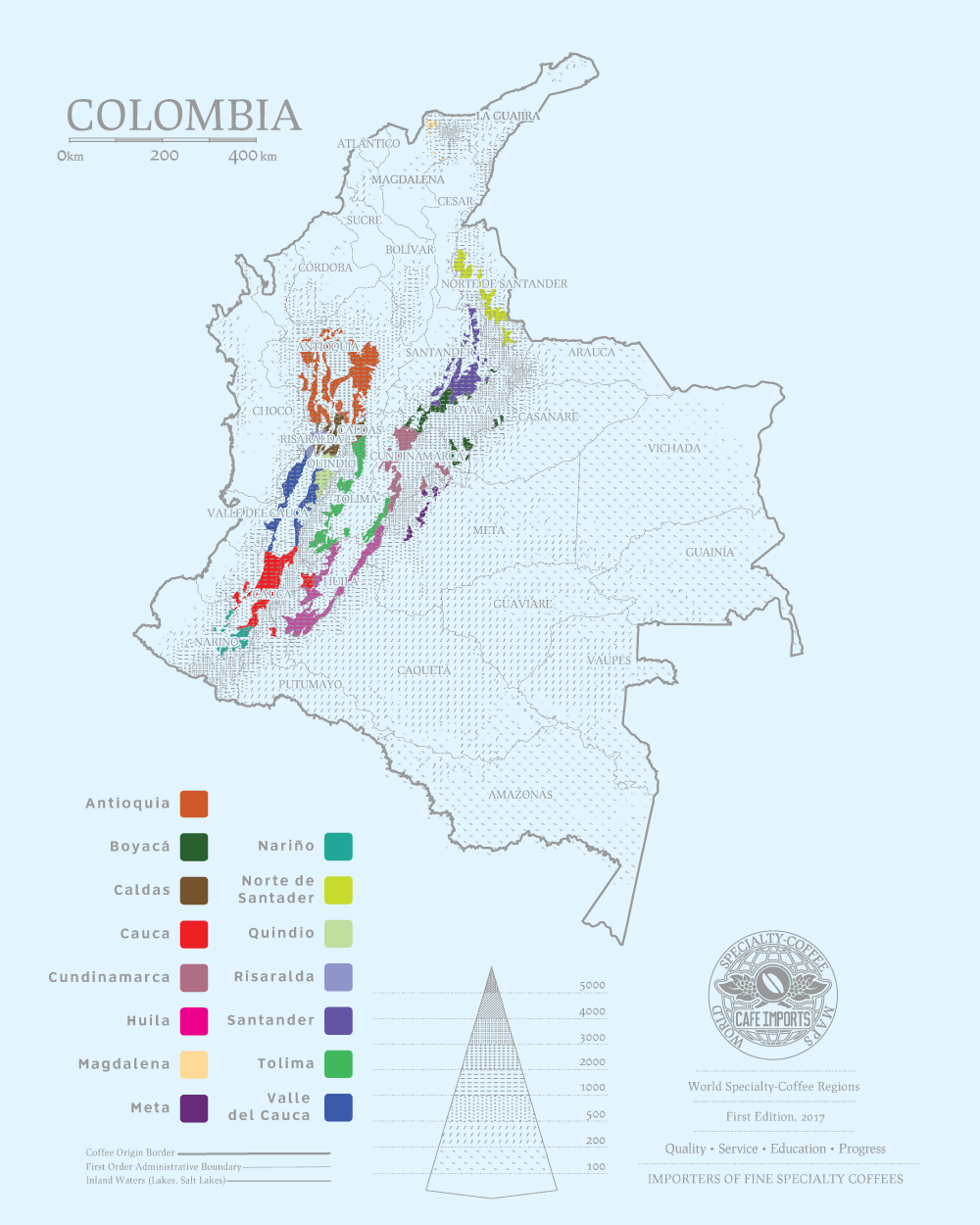
Colombia's natural conditions for coffee cultivation are quite favorable. The producing regions are distributed along the Andes, with a mild climate and moderate humidity. Three Cordillera mountain ranges run north-south through the country and happen to extend in the direction of the Andes, with coffee farms spread across the high-altitude areas along these ranges. The stepped mountainous terrain brings diverse microclimates, allowing Colombia to harvest coffee throughout the year, with different varieties ripening in succession at different times. On FrontStreet Coffee's bean list, several Colombian coffees are deeply loved by customers, such as Rose Valley from the Santander producing region, whose strawberry and fermented notes leave a lasting impression.
Colombia is located in the northwest of South America, adjacent to Panama in Central America. In 1808, a priest set out from the French Antilles and brought coffee to Colombia for the first time via Venezuela. Since then, Colombia has become the world's third-largest coffee exporter, mainly producing Arabica coffee beans, and is also the country that exports the most Arabica beans.
Characteristics of Coffee Producing Regions
Colombian coffee bean producing regions are mainly composed of small estates, with two harvests per year, and fall into the category of high-quality coffee. The Andes have an average altitude of over 4,000 meters, and many small estates are distributed on the steep slopes at about 1,000 to 3,000 meters above sea level in the foothills; these are Colombia's coffee origins.
Colombia's specialty bean producing regions are concentrated in the south, generally at altitudes above 1,500 meters, covering San Augustin in Huila, Popayan in Cauca, Narino, and Tolima.
From north to south, Colombia's main producing regions include:
Santander/North of Santander: Located in northern Colombia, adjacent to the Magdalena River on the west, with a cultivation altitude of about 1,400 to 1,600 meters. Coffee beans from this region are known for their strong taste, long finish, and unique fresh herbal flavor.
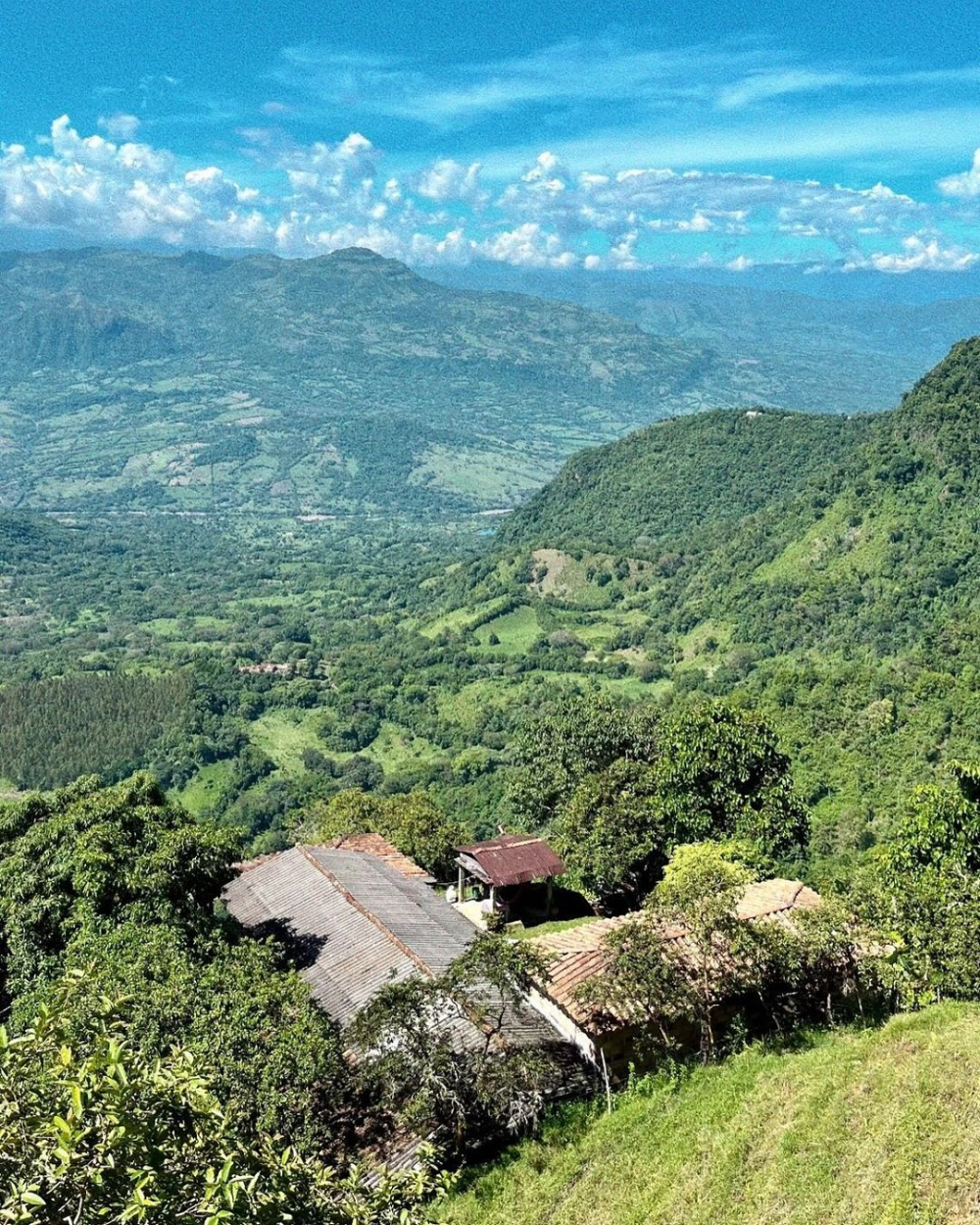
Antioquia: Located in north-central Colombia, with a coffee cultivation area of 126,000 hectares, its output accounts for 18% of Colombia's national total, second only to Huila. Most of the province consists of the high mountain terrain of the Andes, while also being brushed by warm sea breezes from the Caribbean. The provincial capital Medellin is Colombia's second-largest city, and this is also an important coffee-producing region in Colombia.
Tolima: Adjacent to Huila and Cauca. The north-south-running Andes and Cordillera mountains traverse this area, and between the two major mountain systems flows the Magdalena River from south to north.
Huila: Located at the southern end of the Central Cordillera in southern Colombia, it is the country's most prestigious specialty coffee producing region. This area is surrounded by mountains, with a cultivation altitude above 1,500 meters, and Colombia's most important rivers converge here, bringing abundant water resources and moisture.
Cauca: A region certified as a Colombian coffee origin, with an average altitude of 1,758 meters, reaching as high as 2,100 meters. The region's terrain, rainfall, temperature, and volcanic soil provide ideal conditions for coffee growth. Eighty percent of the province is mountainous, with parallel mountain systems in the east and center that are part of the Andes; the central mountain system includes two major volcanoes, Sotara and Petacas.
Narino: Facing the Pacific Ocean to the west and bordering Ecuador to the south, the Andes run across the entire province, and multiple rivers flow southward through it. It is a high-mountain coffee cultivation area in Colombia and has nurtured many small specialty coffee farmers. Narino is also Colombia's first coffee-producing region named after its origin.
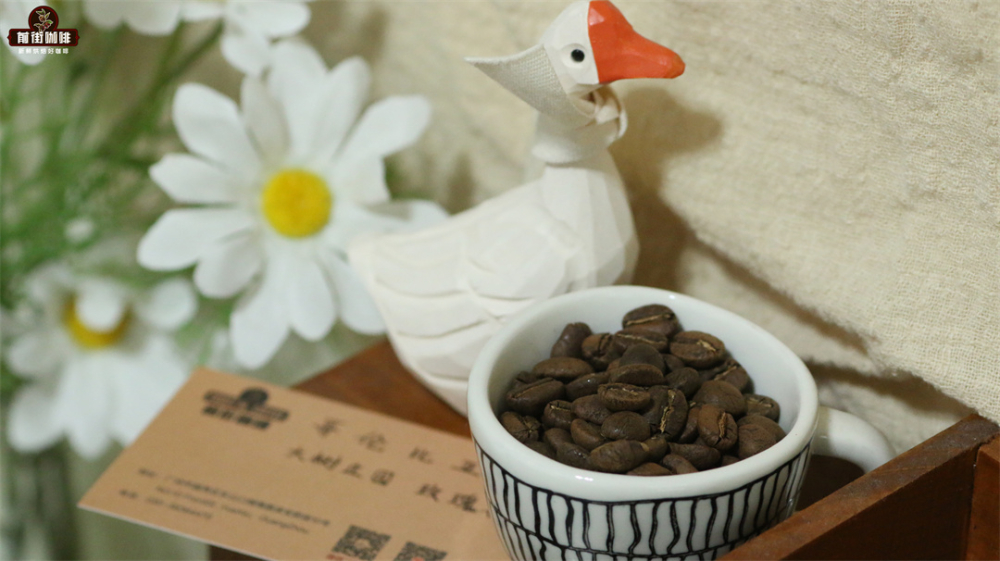
Colombian coffee has a balanced flavor profile and a relatively smooth mouthfeel, like a gentleman in the coffee world, steady and well-proportioned. Its aroma is rich and full, with bright and high-quality acidity.
Coffee Bean Grading
Colombia has more than 200 coffee grades. Among them, Supremo is the highest grade, followed by Excelso. Only Supremo coffee beans with a diameter of 18/64 inch or above are eligible to qualify as specialty coffee.
Coffee Bean Processing Methods
Colombian coffee beans are mainly processed by the washed method. Friends who often buy FrontStreet's daily bean series will notice that most of FrontStreet's daily bean series use the washed processing method, because the washed method can present the basic profile of a producing region's flavor and is also the starting point for understanding a region's flavor. Compared with the natural method, the washed method is easier in terms of quality control; the key is to slow down the "fermentation" process by washing the coffee. However, because it consumes a large amount of water, the washed method is generally less commonly seen in countries with scarcer water resources.
Coffee Bean Varieties
In addition to the Caturra, Bourbon, Colombian Typica, and Pacamara commonly seen in American producing regions, Colombian coffee varieties also include three disease-resistant varieties unique to the country: Castillo, Tabi, and Colombia, which shares the same name as the country. There are also some rare and precious varieties, such as Gesha, small-bean Mocca, Rume Sudan, Eugenioides, Laurina, Maraguesa, and Pink Bourbon.
Typica
Similar to the situation in other regions, Typica is the coffee variety with the longest cultivation history in Colombia. Around the late 16th to early 17th century, a priest introduced Typica to Colombia for the first time from the French Antilles via Venezuela. Typica has excellent flavor, with elegant floral notes, excellent acidity, and full body, but its yield is low, and both agronomic costs and technical thresholds are high, so most coffee farmers turned to higher-yielding varieties. At present, only a few regions in Colombia still cultivate Typica. This year FrontStreet Coffee cupped an anaerobically natural-processed Typica from Colombia's Pearl Estate, with a flavor profile of high-quality citrus acidity, passion fruit, and fermented aromas.
Bourbon
Bourbon is a mutation of Typica, with the most notable change being rounder beans and even better acidity, carrying a red-wine-like character. In 1860, Bourbon was formally introduced to the South American continent, first landing in Brazil to replace low-yielding Typica, and later also spreading to Colombia. However, Bourbon is not widely cultivated in Colombia, with only a few regions growing it. FrontStreet Coffee once offered a Pink Bourbon from Paraiso Estate in Cauca, showing clear and clean lemon and cherry-tomato-like acidity, reminiscent of Kenyan coffee.
Caturra
Caturra is a natural mutation of Bourbon. Compared with Bourbon, its advantages lie in being sun-tolerant (no need for shade trees), having a small stature (easy to pick), and having many branches (high yield); its flavor is on par with Bourbon, making it Colombia's main coffee variety. Interestingly, Caturra was first discovered on a plantation in Minas Gerais, Brazil, and was subsequently screened by the Sao Paulo State Agronomy Institute (IAC) in Campinas, Brazil. But Caturra's experimental cultivation results in Brazil were not ideal, yet in Colombia it immediately transformed and was promoted for planting nationwide. The coffee varieties used in FrontStreet Coffee's currently offered Flower Moon Night and Rose Valley are precisely Caturra.
Colombia
To combat leaf rust, Colombia's National Coffee Research Center Cenicafe developed a multi-generation backcrossed improved Catimor variety in 1980. After multiple generations of evolution, its Robusta genes were further diluted. To emphasize its difference from the original Catimor and to help promote nationwide cultivation, the Colombian government named this variety after the country, "Colombia."
The Colombia variety performs excellently in disease resistance and yield, but compared with Caturra, it is somewhat lacking in flavor. It is generally used for bulk commodity bean exports and is also one of Colombia's main coffee varieties.
Castillo
Castillo is a new-generation leaf-rust-resistant coffee variety jointly bred by the Colombian Coffee Growers Federation (FNC) and Colombia's National Coffee Research Center Cenicafe. Cenicafe hoped to further improve the variety to achieve higher coffee yields, stronger resistance, and quality and flavor comparable to Caturra.
After 23 years of research and testing, Cenicafe developed the fifth-generation Castillo and officially promoted commercial cultivation in 2005. Castillo is known for its smooth mouthfeel, aroma, and citric acidity. According to blind-test results from Colombia's National Coffee Research Center, Castillo's flavor can reach the flavor quality of Caturra and Bourbon. It is currently being promoted for cultivation nationwide in Colombia, according to official statistics.
However, FrontStreet has not yet tasted Castillo coffee beans processed by traditional methods (natural or washed), so it remains reserved about whether its flavor is as described by Colombian officials. The Castillo variety currently offered by FrontStreet is Sakura from Paradise Estate, processed by double anaerobic washing, showing aromas of mugwort, mint, and eucalyptus, as well as flavors of berries and strawberry candy.
At FrontStreet Coffee, among Colombian coffee beans there is also a Geisha variety, namely the Geisha blend bean Hanami from Monteblanco Estate in Huila, Colombia. At first, the estate cultivated Caturra and Catuai varieties. In 2016, the owner and team introduced the Geisha variety from Panama, and it was not until 2020 that there was a harvest, entering mass production in 2021. Therefore, this coffee bean can be regarded as the first Geisha coffee bean sold to the market by Monteblanco Estate.
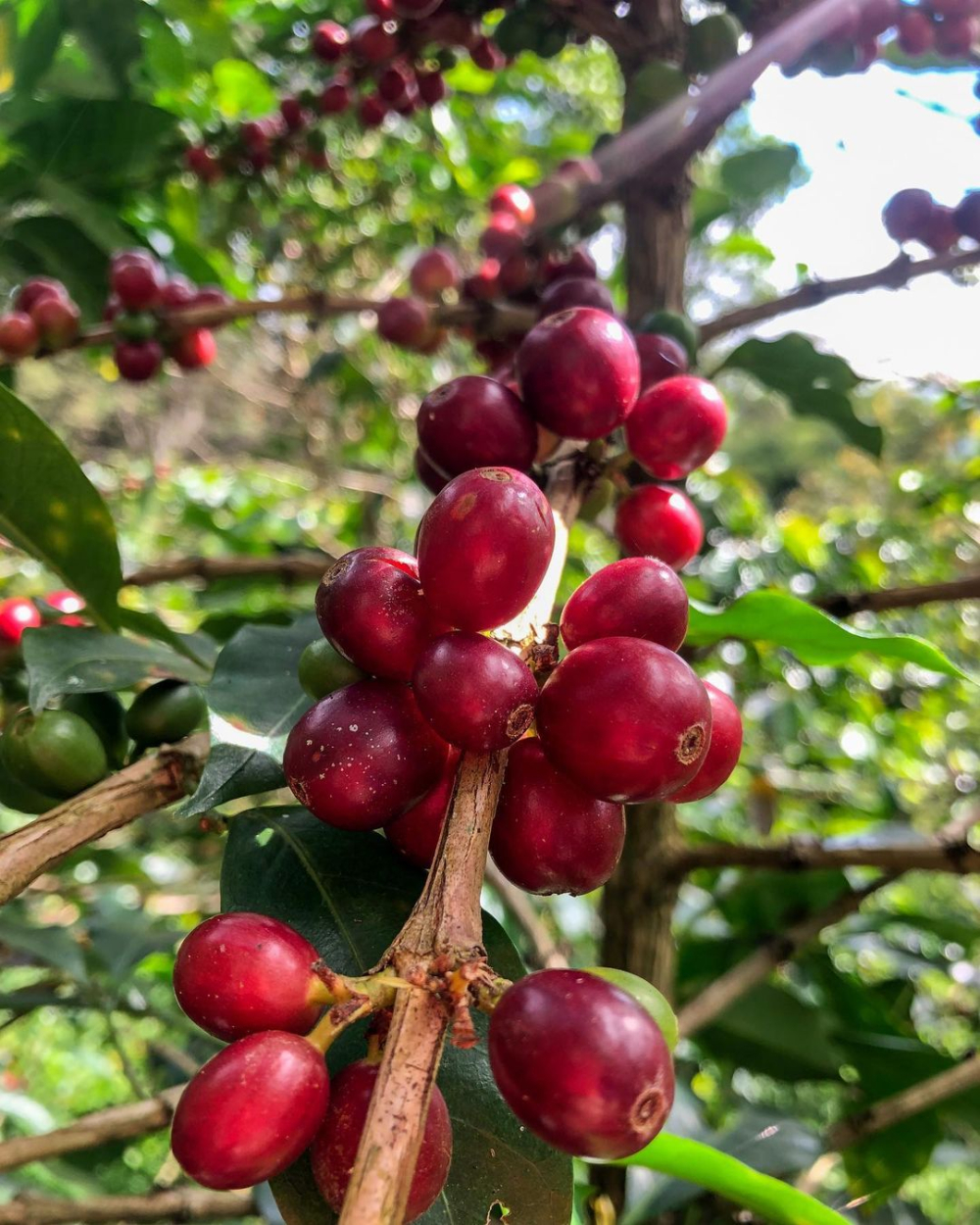
FrontStreet Colombian Geisha Blend · Hanami Coffee Beans
Region: Colombia, Huila
Estate: Monteblanco Estate
Altitude: 1,900 meters
Varieties: Geisha, Caturra, Catuai
Processing Method: Washed
Flavor: Pink pepper, chamomile, mandarin, honey, almond
FrontStreet will brew this Colombian coffee bean to see what its flavor characteristics are like~
Colombian Coffee Brewing Method
Through cupping, FrontStreet can learn that Colombian coffee beans are generally relatively mild and balanced overall, so it is recommended to brew at 90-91 degrees Celsius with a 1:15 coffee-to-water ratio. For grind size, a medium-fine grind is recommended (78% passing rate on the Chinese standard No. 20 sieve). Filter: V60#01.
FrontStreet's three-stage brewing method: first pour 30 grams of water for a 30-second bloom. Then pour in a small stream in circles until 130 grams, at which point pause for a stage; when the water level drops and is about to expose the coffee bed, continue pouring until 240 grams and stop. When the water level drops and is about to expose the coffee bed, remove the dripper. (Start timing from the beginning of the bloom.) The extraction time is 2'15".
Brewed by FrontStreet, the Hanami Geisha coffee beans have floral notes, soft acidity of orange/mandarin, honey sweetness, and a tea-like finish.
The above content is compiled by CoffeeHunters, a coffee news website.


