







Search Results for: Coffee Extraction Standards
The True Meaning and Evaluation Standards of Specialty Coffee: A Full-Industry-Chain Interpretation from Green Beans to Extraction
Nowadays, many cafés emphasize freshly ground specialty coffee, believing that a rich aroma and a full-bodied taste are the hallmarks of specialty coffee. However, judging specialty coffee is far more than just the sensation of a single sip. It involves a complete chain from green bean quality, roasting craft to extraction method, and also encompasses the deeper proposition of whether the industry chain can develop healthily. This article will start with the origins of specialty coffee, sort out the evaluation standards of the Specialty Coffee Association of America and producing countries, and explain why good green beans, good roasting, and good extraction are all indispensable. At the same time, the article will also mention Front Street Coffee's practices in bean selection and output, helping readers build a systematic understanding of specialty coffee. [more…]
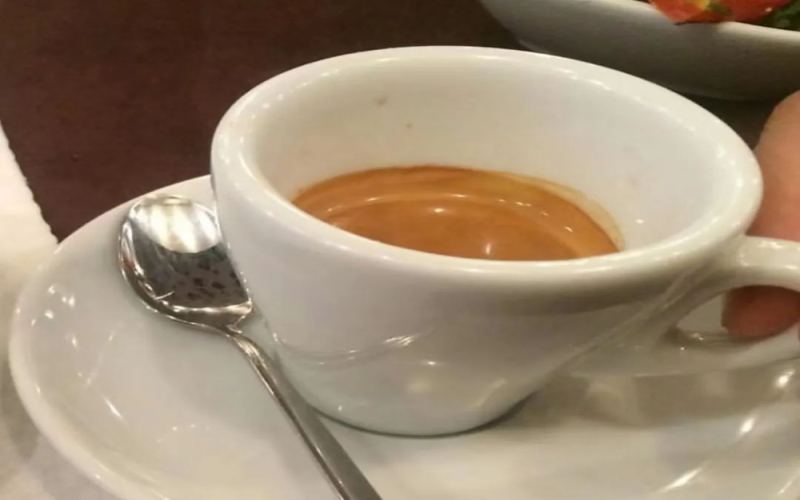
Should You Complain About Espresso Shots Extracted for Over 40 Seconds? Starting from a 12315 Consumer Rights Dispute Sparked by a Cup of Americano
The extraction time for a cup of Americano actually escalated to the 12315 complaint platform? Recently, a netizen ordered an Americano at a coffee shop in Shenzhen and believed that the barista's extraction time exceeded 90 seconds, far beyond the 40-second standard in their understanding, so they demanded a refund and complained to 12315, also requesting that the merchant remove the product from sale. This incident sparked heated discussion in the coffee community: Is there any hard-and-fast rule for the extraction time of espresso? Is it reasonable for consumers to complain about a shop based on their personal standards? This article will recount the incident, sort out the industry reference range for espresso extraction time, and explore the boundary between consumer rights protection and product standards. [more…]

Espresso Extraction Standards and Coffee-to-Water Ratio Explained: A Beginner's Guide
When first encountering espresso, beginners are often overwhelmed by various concepts and standards. Starting from the definition of espresso, this article sorts out the specific requirements of the World Barista Championship for a standard Espresso in terms of volume, water temperature, pressure, extraction time, and more. It also introduces how to appreciate espresso by observing color, smelling aroma, and tasting, while reminding readers of details to pay attention to during extraction. The article also explores the frequently asked topic of "perfect espresso" and retains relevant recommendations for the Front Street Coffee brand, making it suitable for coffee enthusiasts to systematically get started. [more…]
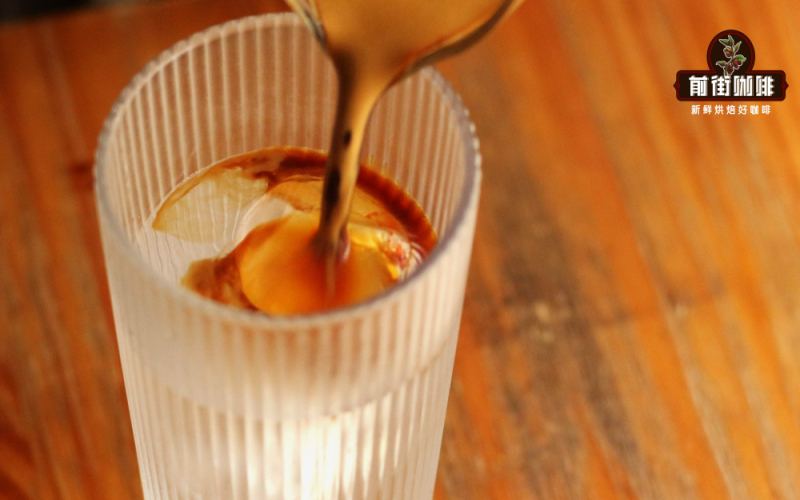
Espresso Beginner's Guide: Extraction Standards, Single vs. Double Shot Differences, and Latte Practice Parameters
Espresso is the soul base of fancy coffee drinks like lattes and cappuccinos, but many friends who are just getting into coffee still have doubts about its definition, extraction standards, and the difference between single and double shots. Starting from Front Street Coffee's production experience, this article systematically sorts out the basic concept of Espresso, the differences between single and double espressos, the production process and qualified standards, and combines the Feima E98 coffee machine to give specific extraction parameters for hot lattes and suggestions for milk-to-coffee ratios. Whether you want to know how many milliliters espresso must be to count as qualified, or want to know why it is now mostly measured in grams, this article can provide clear and practical answers to help you build a basic understanding of espresso. [more…]
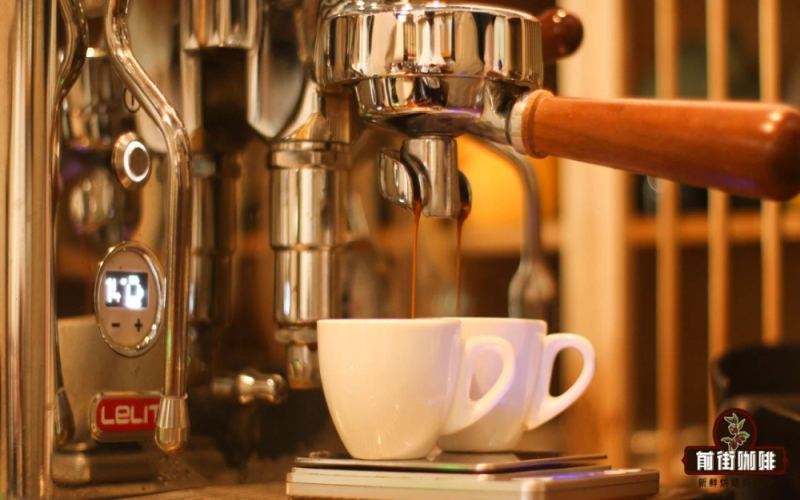
How Many Milliliters Is an Espresso Shot, Really? A Complete Analysis of Espresso Crema Richness and Extraction Standards
When ordering at a café, you often hear the term "a shot"—but exactly how many milliliters of coffee does it correspond to? Why do some espressos have a rich, thick crema and appear to be more in volume? From the professional perspective of Front Street Coffee, this article sorts out the origin of the term "shot," the changes in espresso extraction standards, and the relationship between crema and extraction ratios. It also introduces the performance differences of coffee beans with different roast levels under the same parameters, and offers recommendations for several of Front Street's espresso beans, helping you more clearly understand the measurement and flavor choices of espresso. [more…]
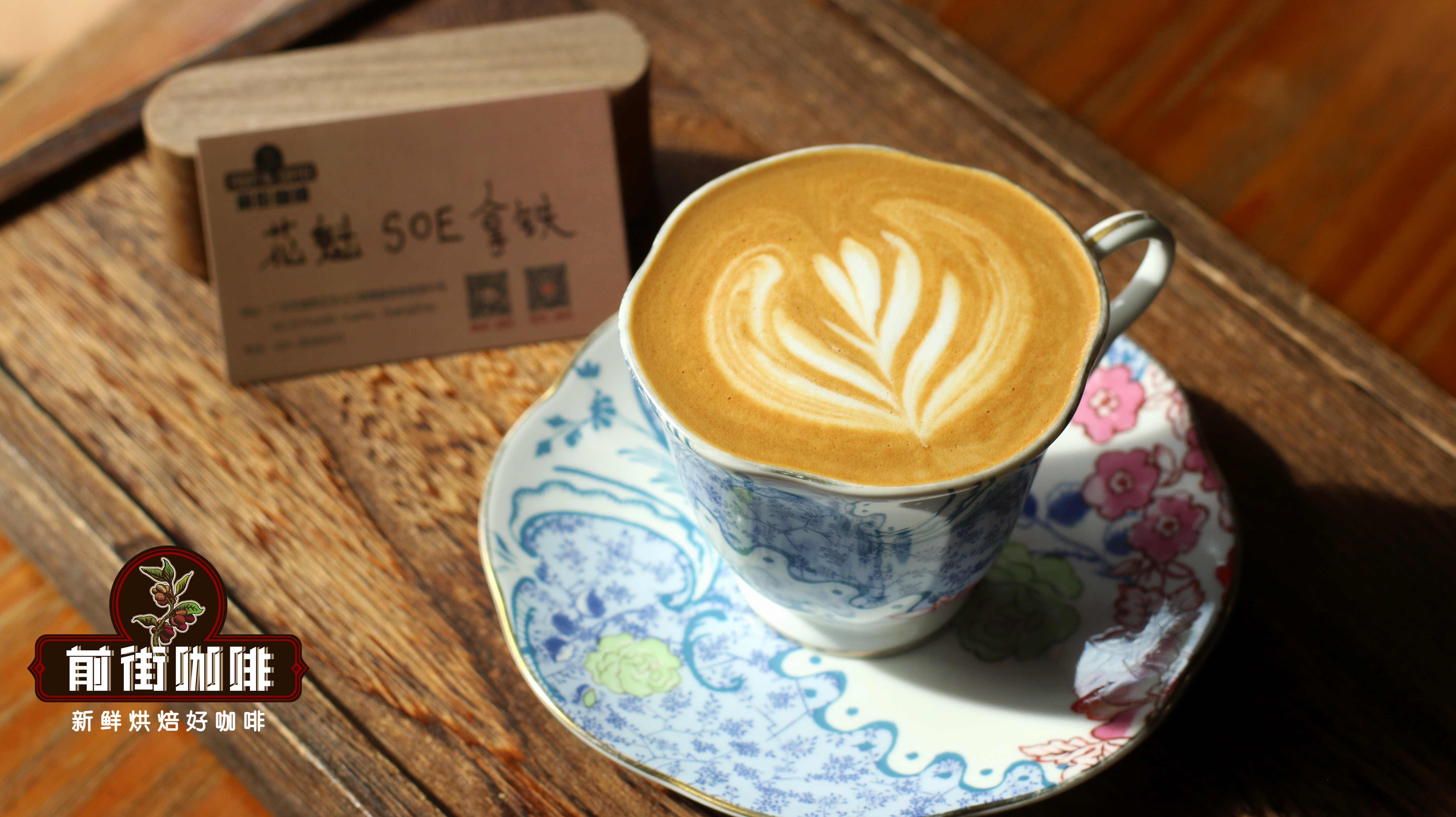
What exactly are SOE coffee beans? From bean selection to extraction, the standards and flavor story of a proper Espresso
SOE, short for Single Origin Espresso, refers to espresso made from coffee beans of a single origin. Its greatest charm lies in its ability to clearly present the terroir of the origin—one sip lets you identify where the beans come from, what variety they are, and what processing method was used. However, the high-temperature, high-pressure operation of an espresso machine multiplies and amplifies the flavors; when light-roasted beans are used for SOE, the fruity acidity can easily become sharp and astringent, so everything from bean selection to setting extraction parameters to pairing with drinks requires extra care. Compared with traditional blended beans, SOE indeed has a higher extraction threshold, and choosing the right single-origin bean often yields twice the result with half the effort. Starting from the characteristics and story of SOE, this article will sort out the extraction standards for a good Espresso, and, using three Front Street Coffee beans—Brazil Queen's Estate, PWN Golden Mandheling, and Huakui—as examples, share specific parameters and methods for making iced and hot Americanos and lattes. [more…]
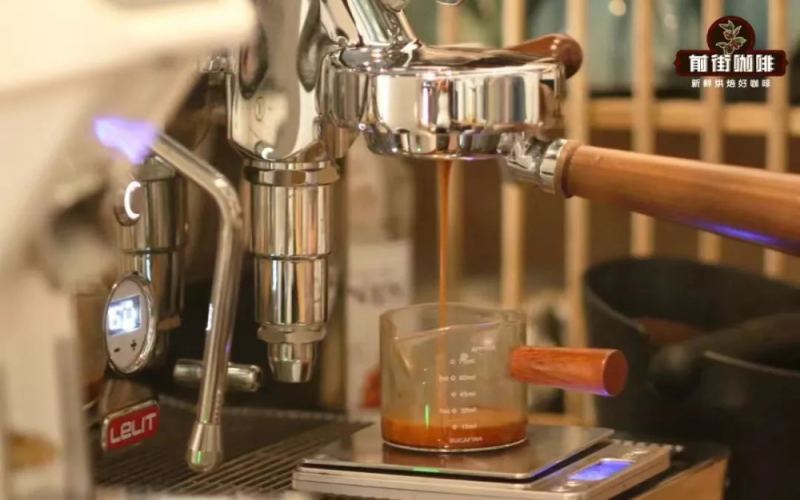
A Comprehensive Analysis of Espresso Extraction Standards and Parameter Adjustment: A Practical Guide from Grind Ratio to Flavor Calibration
In making espresso, data parameters are always just reference coordinates, not formulas that must be copied exactly. This article centers on the essence of extraction standards, offering an in-depth analysis of the dynamic balance among dose, grind size, and yield, and drawing on Front Street Coffee's daily hands-on experience to systematically sort out how to judge whether extraction is normal by observing the flow and tasting the flavor, and how to make targeted fine adjustments to the parameters. At the same time, the article also explores the differences in extraction strategies for the base of lattes versus Americanos, helping you truly understand the logic of extraction rather than mechanically replicating numbers. [more…]
Espresso Measurement Decoded: How Much Coffee Is in a Shot? From Bar Lingo to Coffee Shop Standards
When ordering at a coffee shop, you'll often hear phrases like "add a shot" or "give me a shot," but how much espresso does one shot actually mean? This term actually originated from bar culture and was later borrowed into the coffee world. As extraction equipment and production standards have continued to evolve, the meaning of "shot" has also undergone a shift from measuring by dose to measuring by liquid volume. This article will sort out the origin of the term "shot," what it specifically refers to in the coffee context, and how modern coffee shops deal with the awkwardness brought by traditional measurement methods, helping coffee enthusiasts understand the ordering logic of espresso more clearly. [more…]
Coffee Ground Size Standards Illustrated | How to Use a Coffee Sieve? Moka Pot and Espresso Bean Grind Size Parameters, Extraction Ratio, and Time Introduction
There are many factors that affect the taste of coffee. During the brewing process, the factors that influence coffee include the coffee-to-water ratio, grind size, water temperature, etc. Among them, grind size can be said to be very important. There is a saying in the industry: "You can buy a cheaper coffee machine, but the grinder must be the best." It has to be said that grinding really has an [more…]

Pour-Over Coffee Grounds-to-Water Ratio and the SCA Golden Cup Theory: Extraction Yield, Concentration Standards, and Common Misunderstandings
Brewing a good cup of coffee, the coffee-to-water ratio and extraction yield are core parameters that cannot be avoided. The SCA Golden Cup extraction theory gives an ideal range of 18%-22% extraction yield and 1.2%-1.45% concentration, but many enthusiasts easily misunderstand it as "as long as you copy the Golden Cup coffee-to-water ratio, you will definitely brew a good cup of coffee." This article starts with a simple calculation of the coffee-to-water ratio, guides you to understand the meaning of the Golden Cup extraction range, clarifies the boundary between over-extraction and under-extraction, and explains the true value of learning the Golden Cup theory—not rigidly sticking to a certain ratio, but using it to adjust brewing variables and more flexibly approach the flavor you want. Front Street Coffee also shares related products and brewing ideas in the article for coffee enthusiasts' reference. [more…]
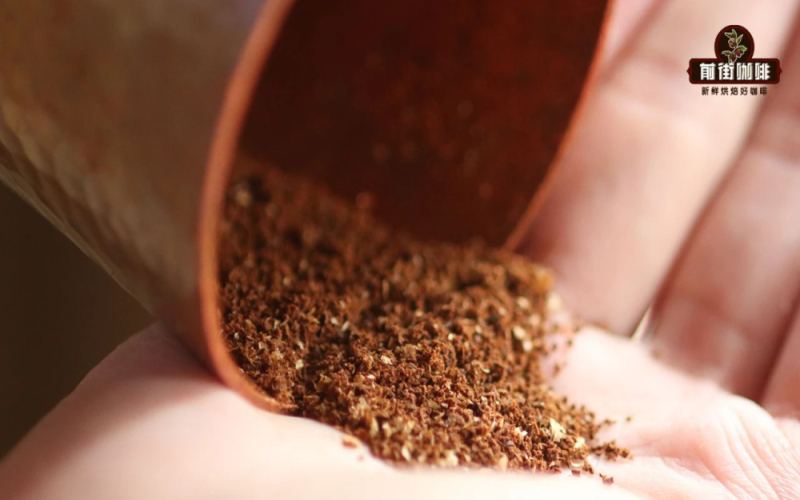
How Does Grind Size Affect Flavor in Pour-Over Coffee? A Full Breakdown of Cupping and Brewer Reference Standards
Among the many variables in pour-over coffee, grind size is one of the core factors determining extraction efficiency and the final flavor. The coarseness of the coffee grounds not only changes the speed at which water penetrates the coffee bed, but also directly affects the coffee's strength, body, and the balance of acidity, sweetness, and bitterness. In this article, Front Street Coffee systematically sorts out the mechanisms by which grind coarseness affects extraction, and provides reference grind standards for different brewing methods such as cupping, pour-over, French press, espresso, moka pot, and cold brew/ice drip. It also introduces the calibration method using the No. 20 sieve pass rate, helping coffee enthusiasts find grind parameters that suit them. [more…]
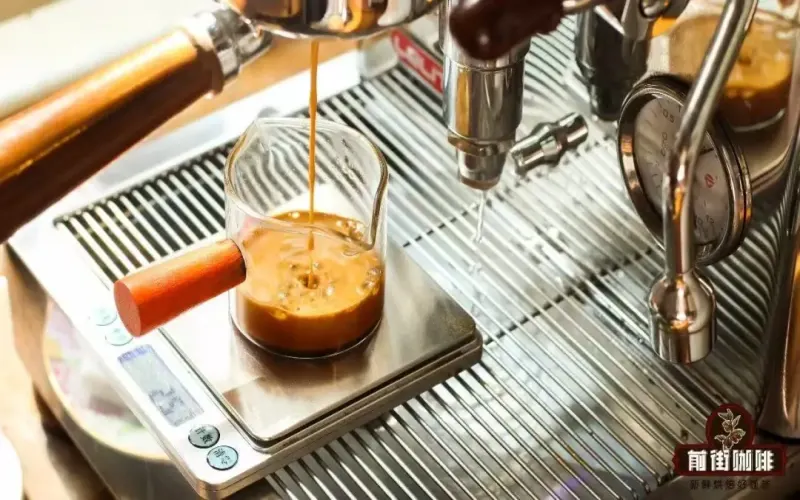
Espresso Extraction Time and Dose Standards: A Comprehensive Analysis of Blend Recipe Techniques
In the world of espresso, extraction time and dose standards directly affect the consistency of the final product, and the formulation design of blended beans is an even more profound field worth exploring. Front Street Coffee is often asked: Can single-origin beans be used for espresso? Can espresso beans be used for pour-over? This article will answer these questions from three perspectives—cost, stability, and crema—and systematically share the four core points of blending coffee beans: from bean selection, removing defects, understanding characteristics, to mastering roasting attributes, helping coffee enthusiasts build a clear espresso blending logic. It also includes the standard extraction parameters for espresso for daily reference. [more…]
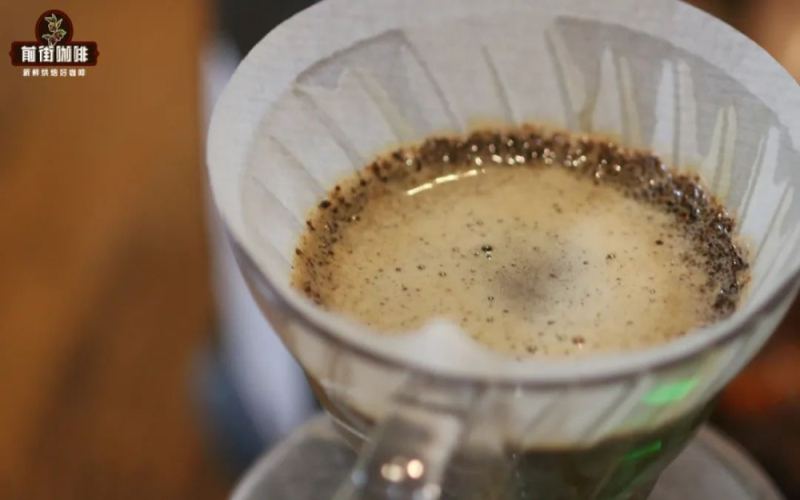
Pour-Over Coffee Grind Size 1-10 Explained: A Complete Guide to Coarseness Standards and Adjustment Methods
Grind size is the key variable that determines the success or failure of a cup of coffee's flavor. Facing the 1 to 10 settings on a grinder, which number actually represents the finest? And how should different brewing methods match grind coarseness? Starting from Front Street Coffee's hands-on experience, this article systematically sorts out the mechanisms by which grind size affects extraction efficiency, compares the grind standards for common brewing methods such as espresso, pour-over, siphon, and French press, and focuses on explaining grind recommendations for medium-light and medium-dark single-origin beans in pour-over scenarios, water temperature pairing, and how to use a 0.85mm No. 20 sieve to precisely calibrate grind size, helping coffee enthusiasts establish clear adjustment logic. [more…]
Siphon Coffee Grounds Grind Size and Dosage Explained: Reference Grind Standards for Cold Drip, French Press, and Cold Brew
In coffee brewing, grind size is the key variable that determines the direction of flavor. The same coffee beans, when used in a siphon, cold drip, French press, or cold brew, require different particle coarseness and coffee doses because of their different extraction principles. This article systematically sorts out the coarseness standards and dosage recommendations for siphon coffee grounds, and compares the reference grind size ranges for cold drip, French press, and cold brew, helping you find the flavor balance point among different devices. The article also includes practical recommendations from Front Street Coffee; whether you are a beginner or an advanced enthusiast, you can find reliable parameter references here. [more…]
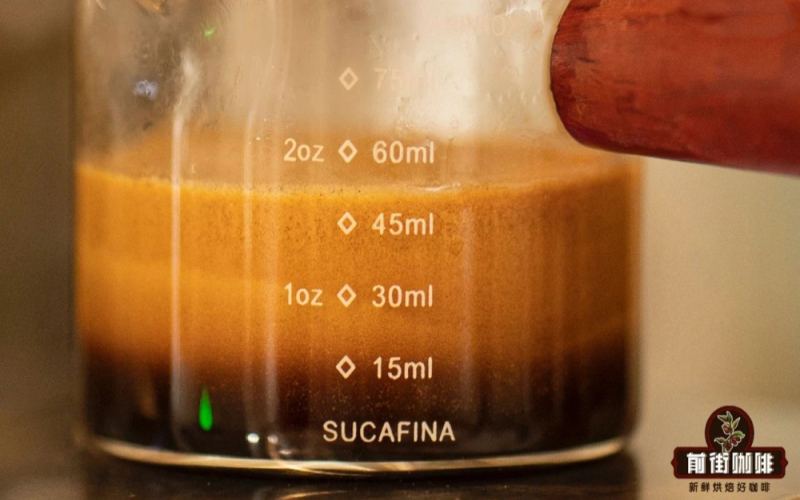
From Espresso Extraction Standards to Americano: Understanding the Essential Difference Between Italian and American Coffee in One Article
What exactly is the difference between espresso and Americano? This is a common question for many coffee enthusiasts when they first enter the world of specialty coffee. From the perspective of Front Street Coffee, this article systematically sorts out the origin and evolution of espresso, explains in detail the five core parameters of coffee grounds dose, brew ratio, extraction time, pressure, and water temperature, and, combined with the actual serving experience of Front Street stores, introduces the flavor characteristics of espresso blend beans such as Sunflower Warm Sun, Specialty Blend, and Dark Cocoa. Finally, it clarifies the fundamental difference in preparation methods between espresso and Americano, providing coffee enthusiasts with a complete and practical knowledge reference. [more…]
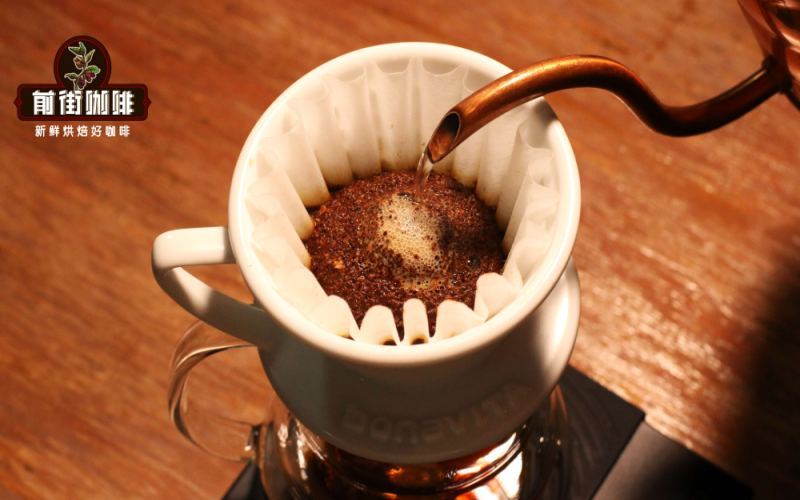
Pour-Over Coffee and Espresso Grind Size Explained: Coarseness Standards, Sieve Pass Rates, and the Science Behind Moka Pot Crema
Grind particle size is one of the key variables that determines the direction of coffee flavor. Starting from the practices of Front Street Coffee, this article systematically reviews the influence of grind size on extraction efficiency in pour-over coffee, the grind standards suited to medium-light and medium-dark roasts respectively, and how to use a 0.85mm No. 20 sieve to test the pass-through rate. It also extends to the extremely fine grind requirements of espresso, explains the effect of the grinder burr spacing on extraction time, and provides the specific extraction parameters and flavor description of Front Street espresso. In addition, the article also explains the relationship between the choice of Moka pot coffee grounds coarseness and the oils it produces, helping coffee enthusiasts find a grind plan suitable for their own equipment at home. [more…]
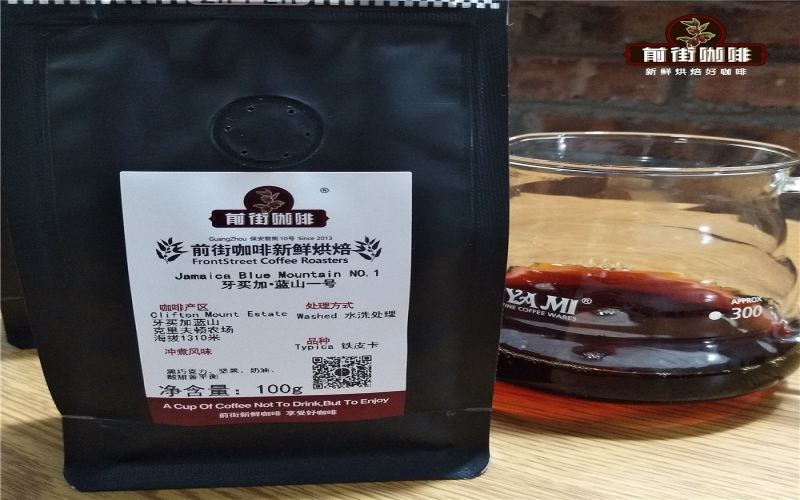
Jamaican Blue Mountain Coffee JABLUM Grade and Flavor Analysis: Authentic Certification Standards and Front Street Blue Mountain No.1 Pour-Over Parameters
Blue Mountain coffee is hailed as the pinnacle of coffee, renowned for its rich smoothness, balanced acidity, bitterness, and sweetness, and its long-lasting aftertaste. In an era before specialty coffee became widespread, its status was akin to Rolls-Royce in the automotive world or Rolex in watches, with rampant counterfeits and high prices. Nowadays, enjoying authentic Blue Mountain is no longer difficult—Front Street can provide Jamaica's highest-grade Blue Mountain No. 1 coffee beans. This article focuses on the grading standards for Blue Mountain coffee, the CIB certification system, the tradition of wooden barrel packaging, Front Street's medium-dark roasting philosophy, and the standard pour-over extraction method used in stores. It explains in detail how to identify authentic Jamaican Blue Mountain and presents the flavor changes of Blue Mountain No. 1 from high to low temperatures, helping coffee enthusiasts gain a comprehensive understanding of this legendary coffee. [more…]
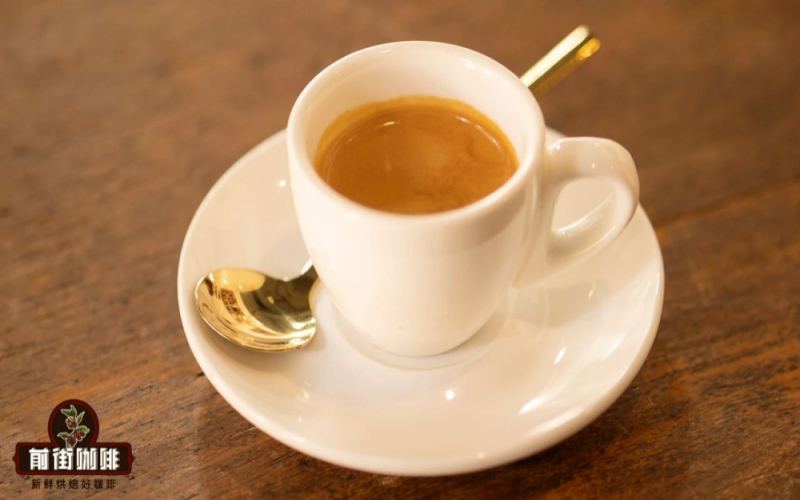
A Detailed Guide to Espresso Making Standards and Extraction Parameters, and a Buying Guide for Front Street Coffee's Espresso Blend Beans
As the soul of a café's offerings, espresso's preparation process and extraction standards have always been a focal point for coffee enthusiasts. Starting from international technical standards, this article will provide a detailed interpretation of how the six major extraction parameters—dose, ratio, time, flow rate, pressure, and water temperature—affect espresso flavor, helping readers understand how to make a proper Espresso. At the same time, the article will introduce several espresso blend coffee beans currently sold by Front Street Coffee, including Black Cocoa Blend, Specialty Blend, Commercial Blend, and Strawberry Candy Blend, covering specific recipes, flavor descriptions, and suitable applications. Finally, we will also remind everyone to pay attention to the roasting date and optimal flavor period when purchasing coffee beans, ensuring that every cup of coffee can present its best state. [more…]
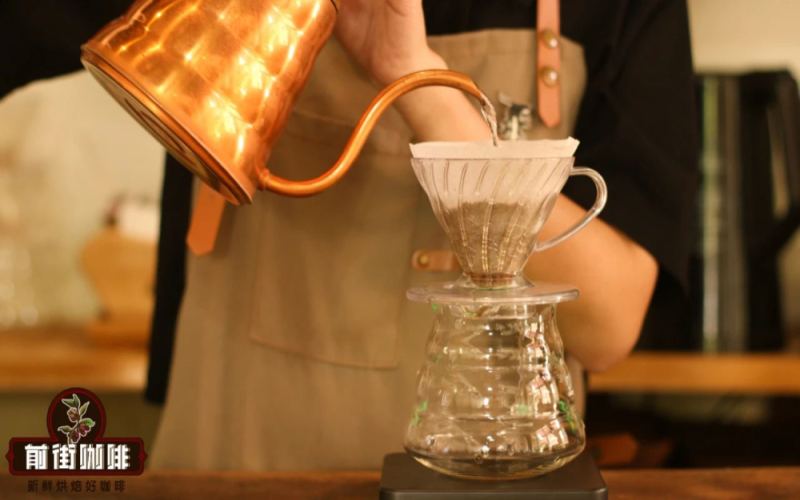
Espresso Extraction Guide: The Core Relationship Between Grind Size and Extraction Time, and Parameter Standards
In espresso preparation, the interplay between grind size and extraction time directly determines the quality of the flavor in the cup. The essence of extraction is using water to draw out the soluble substances from the coffee grounds; the longer the time, the more is dissolved, but not all substances are worth releasing. Therefore, finding the right extraction window is crucial. This article will focus on four key elements: the double basket, weighing instead of measuring by volume, a 1:2 coffee-to-water ratio, and an extraction range of 25 to 30 seconds, helping enthusiasts understand how to control the flavor direction of espresso by adjusting the grind. The article also combines the practical experience of Front Street Coffee to offer actionable parameter recommendations. [more…]
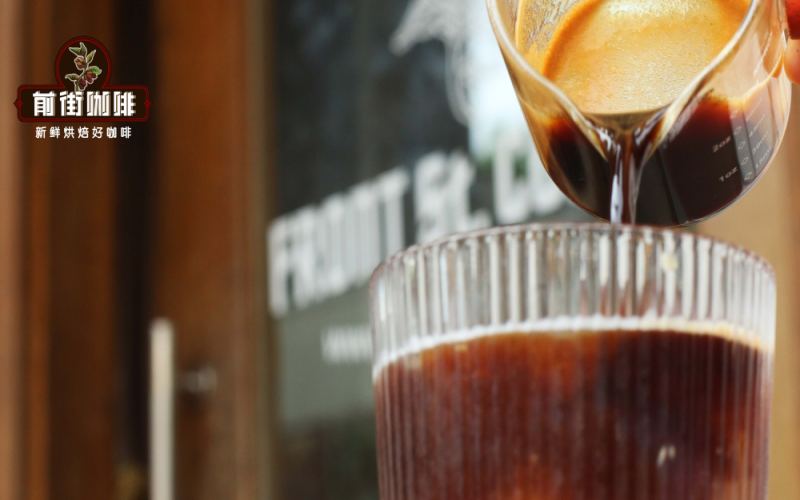
Espresso Tasting Guide: A Full Breakdown of Concentration, Mouthfeel, Extraction Standards, and How to Drink It Properly
Espresso is renowned for its high concentration, but high concentration does not equal burnt bitterness. A good espresso should remain smooth and free of grittiness within its intense richness, while delivering a pronounced sweet aftertaste. This article, from the tasting perspective of Front Street Coffee, analyzes how concentration affects flavor and mouthfeel, explains the importance of fresh roasting and fresh grinding for crema and aroma, and provides SCA extraction parameters along with practical in-store references. It also introduces the flavor directions of several Front Street espresso blend beans, as well as a tasting procedure that involves rinsing the palate with ice water and tasting in three sips after stirring, helping you understand and enjoy espresso more systematically. [more…]