







What does a coffee enthusiast need to know about espresso shot sizes?
One shot means one serving of espresso. The word comes from bar culture, where a shot was a small glass of liquor poured into a one-ounce measure, a quick and cheap way to catch a brief buzz. Coffee borrowed the term because espresso plays a similar role, and it works both as a noun and as a unit of liquid measurement.
Volume is where it gets murky. An imperial ounce is 28.41 milliliters and a US ounce is 29.57, so 30 milliliters is used as a rough stand-in for one ounce. For a long stretch, one shot in coffee meant a standard extraction, and the coffee enthusiast now meets shops that dose by weight rather than liquid volume, leaving the old term to be reinterpreted at the counter.
When ordering at a coffee shop, you often hear phrases like "add a shot" or "get a shot," but how much espresso does one shot actually mean? This term actually originates from bar culture and was later borrowed into the coffee world. As extraction equipment and production standards have evolved, the meaning of shot has also undergone a shift from measuring by dose to measuring by liquid volume. This article will trace the origins of the term shot, its specific meaning in the coffee context, and how modern coffee shops deal with the awkwardness caused by traditional measurement methods, helping coffee enthusiasts understand the ordering logic of espresso more clearly.
What does the word "shot" represent?
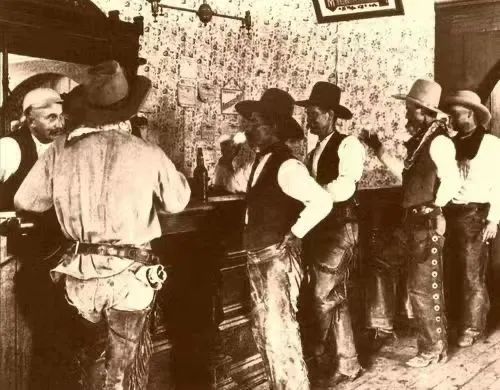
The use of shot is not limited to coffee shops; it is also a common expression in bar settings. Generally speaking, a shot in a bar refers to a small glass of liquor.
This drinking term began to gain popularity in the mid-twentieth century. After a customer ordered a shot, the bartender would take out a one-ounce glass (i.e., a shot glass), pour in the liquor, and hand it over. The customer would usually drink it in one go and then leave. The advantage of this was that it allowed for a quicker and cheaper way to get the brief buzz from alcohol.
By the way, one detail: a shot glass in a bar holds one ounce, but the UK and the US define the ounce differently. One imperial ounce equals 28.41 milliliters, while one US ounce is 29.57 milliliters. Since the International System of Units usually uses "milliliters" to express volume, people are accustomed to using 30 milliliters as an approximate substitute for one ounce. In other words, one ounce is about 30 milliliters.
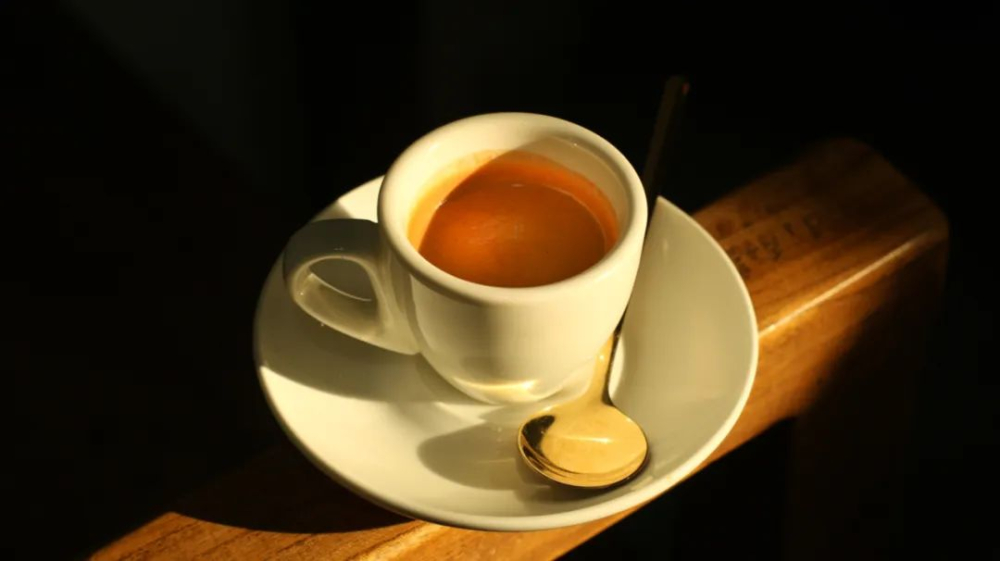
In the coffee context, however, shot actually refers to espresso, and one shot is equivalent to one serving of espresso. When you think about it, it makes sense: espresso does deliver a pick-me-up "kick" similar to liquor, and espresso was originally positioned as a quick, cheap way to consume caffeine, so the two are quite similar.
From this, it can be seen that the term shot is not just a noun; it can also serve as a unit of measurement for liquids.
However, it should be noted that shot in coffee does not simply refer to volume or the noun itself.
So how much espresso does one shot actually correspond to?
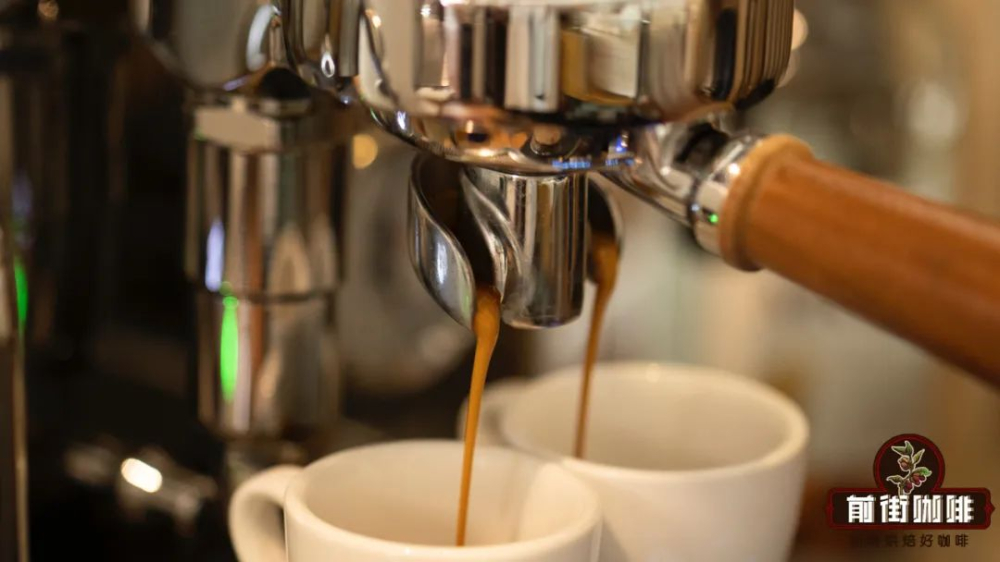
For a fairly long period in the past, one shot in coffee referred to the standard extraction recipe in common use at the time, such as extracting 30 milliliters of espresso from 7 grams of coffee grounds. Besides "one shot," there was also the term "Double shot," meaning a double espresso. If a customer ordered a Double shot, the shop would switch the filter basket, replacing the single basket with a double basket, and then extract 60 milliliters of espresso from 14 grams of coffee grounds.
Front Street mentioned in a previous article that coffee shops nowadays generally use double filter baskets as the standard for pulling espresso, and it is almost impossible to find shops still using single filter baskets. In addition, the brew ratio has also shrunk significantly. For example, in the past 14 grams of grounds were extracted into 60 milliliters of coffee liquid, whereas now it is common to extract about 40 milliliters of espresso from 19 to 20 grams of coffee grounds (this is also related to extraction pressure).
As a result, a rather awkward situation arises: if the filter basket is still used as the basis for calculating a shot, then since the basket used for output now is a double, the espresso extracted is a Double shot. If a customer orders only one shot, under normal extraction conditions there will be only about 20 milliliters, making the already small amount of espresso seem even more pitifully little.
And if measuring by liquid volume, with 30 milliliters counted as a single shot and 60 milliliters as a double shot, then for a customer ordering a single shot, the shop would have to discard part of the espresso before serving it; if a customer ordered a Double shot, the shop would need to extract espresso twice and then remove most of it before serving. Either way, the operation is quite cumbersome.
As a result, the industry gradually reached a consensus: no longer apply the old measurement methods to current extraction. When a customer orders one shot, the shop directly serves a complete espresso extracted using a double filter basket; if the customer orders a Double shot, then two espressos are extracted directly and given to the customer.
Front Street Coffee
No. 10, Baoqian Street, Yandun Road, Dongshankou, Yuexiu District, Guangzhou, Guangdong Province
The above content is compiled by CoffeeHunters, a coffee news website.


