







What does coffee have in it that shapes espresso taste?
Espresso normally runs 7 to 12 percent concentration, with 88 to 93 percent water, while drip coffee sits near 1.2 to 1.8 percent dissolved solids. That gap drives everything. A good shot feels intense and rich but stays smooth, without a grainy or gritty texture, and finishes clean with a sweet aftertaste on the tongue and in the throat.
Concentration does two things at once: it sets flavor intensity and it sets mouthfeel and viscosity. The stronger the brew, the weaker the ability to separate individual flavors inside it, even though the compounds themselves are unchanged. Fresh roasting, fresh grinding, and even coffee particles size distribution matter, since crema and aroma fade quickly once the coffee is ground.
Espresso is known for its high concentration, but high concentration does not equal burnt bitterness. A good espresso should remain smooth, free of grittiness, and deliver a clear sweet aftertaste within its intense richness. From the tasting perspective of Front Street Coffee, this article analyzes how concentration affects flavor and mouthfeel, explains the importance of fresh roasting and fresh grinding for crema and aroma, and provides SCA extraction parameters and in-store practical references. It also introduces the flavor directions of several Front Street espresso blend beans, as well as the tasting steps of cleansing the palate with ice water and tasting in three sips after stirring, helping you understand and enjoy espresso more systematically.
For more specialty coffee knowledge, please follow our WeChat official account: Front Street Coffee (FrontStreet Coffee)
The most prominent label of espresso is "strong." Typically, its concentration falls between 7% and 12%, which translates to a water content of 88% to 93%. For comparison, drip coffee usually has a concentration of only 1.2% to 1.8%, with water content as high as 98.2% to 98.8%.
Front Street Coffee (FrontStreet Coffee)'s assessment is: an excellent espresso often enters the mouth intense and rich, with a smooth, not rough, texture. It should not have a grainy, friction-like sensation. The finish should be clean and bring out a pleasant sweet aftertaste, with a clear sweetness felt on both the tongue and throat.
How Coffee Concentration Affects Coffee Performance
Although high in concentration, it does not mean it must be burnt and bitter—this is the basic threshold for judging whether an espresso is acceptable. In terms of taste experience, concentration mainly does two things: first, it determines flavor intensity; second, it determines mouthfeel, texture, or viscosity.
Concentration also changes our taste perception. The stronger the coffee, the weaker our ability to distinguish various flavors within it; at the same time, as concentration increases, the perceivable flavor intensity rapidly amplifies. Even for the same coffee, as long as the concentration differs, the flavor compounds have not changed, but the experience on the taste buds may be completely different.
Low concentration does not automatically mean tasteless or bland. Sometimes, a slightly lower concentration actually allows you to capture more subtle flavors, because these details are easily suppressed at high concentration. A lighter, more subtle espresso may not have high flavor intensity, but it can sometimes be more comfortable to drink than a powerful one.
Mouthfeel elements are the most important part of a good cup of coffee. When tasting coffee, people expect a certain degree of mouthfeel, texture, or viscosity. Different regions and cultures have different preferences for mouthfeel, but overall, espresso should let the taster feel sufficient richness and body; drip coffee should also have a basic texture, avoiding tasting like bland water.
The Key to Good Espresso - Freshly Roasted Coffee Beans
To make good espresso, the most critical point is to use freshly roasted coffee beans and grind and extract them fresh. After roasting, coffee beans retain a large amount of carbon dioxide, and these gases are important for preserving flavor. Over time, carbon dioxide continues to release, taking flavor molecules from the coffee with it, so the longer the beans sit, the weaker the aroma usually becomes.
For a bag of freshly roasted medium-dark roast beans, the optimal flavor period is usually within 40 days after roasting is completed; for light to medium roast beans, the optimal flavor period is mostly within 30 to 35 days. The 4 espresso blend beans sold by Front Street Coffee (FrontStreet Coffee) all use medium-dark roasting and are promised to be shipped within 5 days after roasting is completed.
"Warm Sun Blend Coffee Beans": Ethiopian natural red cherry coffee beans + Honduras sherry barrel coffee beans, presenting rich wine aroma, vanilla cream, berry sweetness and tartness, and roasted nut flavors.
"Specialty Blend Coffee Beans": Colombian washed coffee beans + Brazilian semi-washed coffee beans, bringing out nut, dark chocolate, and caramel flavors.
"Commercial Blend Coffee Beans": Robusta washed coffee beans + Colombian washed coffee beans + Brazilian semi-washed coffee beans, showcasing nut, cocoa, and caramel flavors.
"Espresso Beans Recommended by Many Baristas - Front Street Dark Cocoa Blend Coffee Beans": Yunnan washed small-bean coffee + Brazilian semi-washed coffee beans (70%), with soft fruit acidity, caramel, and nut flavors.
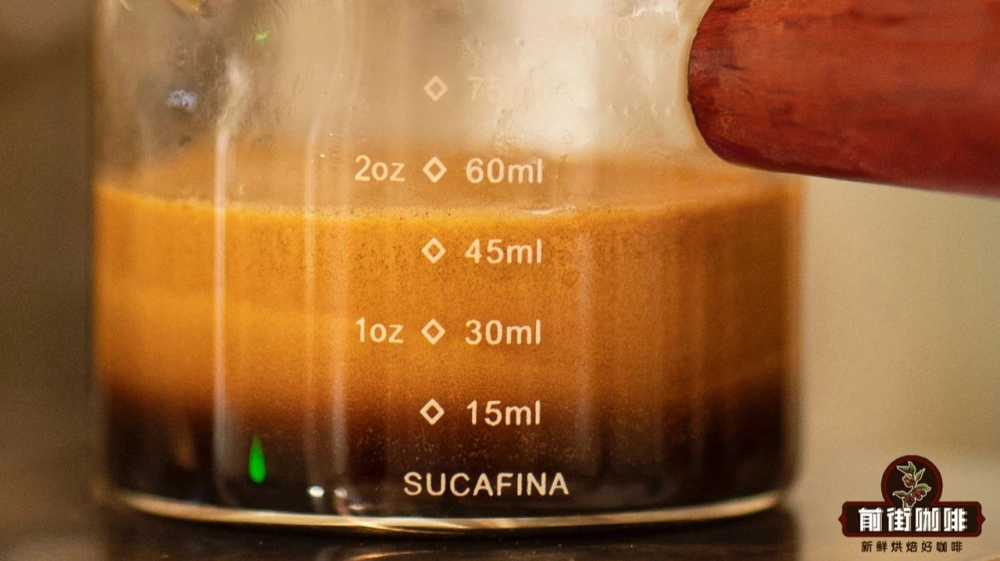
Carbon dioxide is not only key to locking in flavor, but also affects the formation of espresso crema. After extraction is completed, the surface of the espresso is covered with a delicate golden crema, which comes from carbon dioxide in the coffee particles combining with coffee oils under vacuum conditions and emulsifying into foam. This is also one of the reasons why fresh grinding is essential.
Ground coffee rapidly releases carbon dioxide. If it is not used promptly after grinding, a large amount of gas escapes, making it difficult to extract an appealing crema from the espresso, and the flavor becomes thinner, with a thinner mouthfeel.
How to Make Espresso?
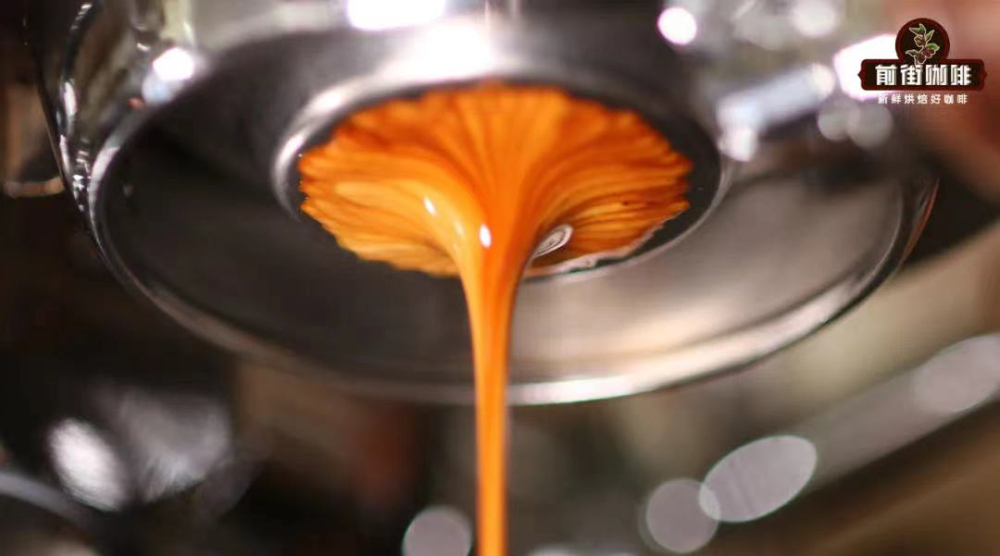
According to the Specialty Coffee Association SCA standards, you can use 7 to 9 grams of coffee grounds (14 to 18 grams for a double), extract 25 to 35 grams of coffee liquid within 20 to 30 seconds, with an extraction pressure of 9 to 10 bar, and a water temperature controlled at 90 to 96°C. Different coffee shops will adjust up or down based on the beans and equipment used.
Front Street Coffee (FrontStreet Coffee) stores use "Sunflower Warm Sun Blend Coffee Beans," extracting 38g of coffee liquid with 19.8g of ultra-fine ground coffee under pressure, with an extraction time of about 28 to 32 seconds. The espresso exhibits a vanilla cream-like smoothness, slight berry tartness and sweetness, fermented wine aroma, and hazelnut caramel-like sweetness.
How to Drink Espresso?
Before tasting, take a sip of ice water to cleanse the palate, while also allowing the tongue muscles to contract slightly.
After the barista serves the espresso, you can stir it with a spoon to make it more uniform. Then drink it in three sips: the first sip focuses on flavor, the second on richness, and the third on the sweet aftertaste and finish.
The above content is compiled by CoffeeHunters, a coffee news website.


