







How many milliliters is an espresso shot, and how does coffee blending change it?
One shot of espresso is traditionally about 1 ounce, roughly 30ml, a measure borrowed from bar culture. The term comes from the small liquor glass that could be downed in one go, and cafes adopted it for a single serving of espresso. Extraction standards have since shifted, so a modern shot can differ in volume.
Crema richness depends on the extraction ratio and the beans used. Coffee blending matters here: beans at different roast levels behave differently under the same dose, grind, and time, which changes both volume and crema. Watching yield rather than only time gives a clearer picture of what a shot actually delivers.
When ordering at a café, you often hear the term "one shot"—but exactly how many milliliters of espresso does it correspond to? And why do some espressos have rich, thick crema and appear to be more in volume? From the professional perspective of Front Street Coffee, this article traces the origin of the term "shot," the evolution of espresso extraction standards, and the relationship between crema and extraction ratios. It also introduces how coffee beans of different roast levels perform under the same parameters, and recommends several Front Street espresso blends to help you better understand the measurement and flavor choices of espresso.
For more specialty coffee knowledge, please follow our WeChat official account: Front Street Coffee (FrontStreet Coffee)
Are you clear on what a Double shot actually means? Many people know that Starbucks offers a variety of double espresso products, and their caffeine content varies quite noticeably. So which product has the highest caffeine, and how do these drinks differ from one another? Front Street will explain them one by one next.
What exactly does the word "Shot" refer to?
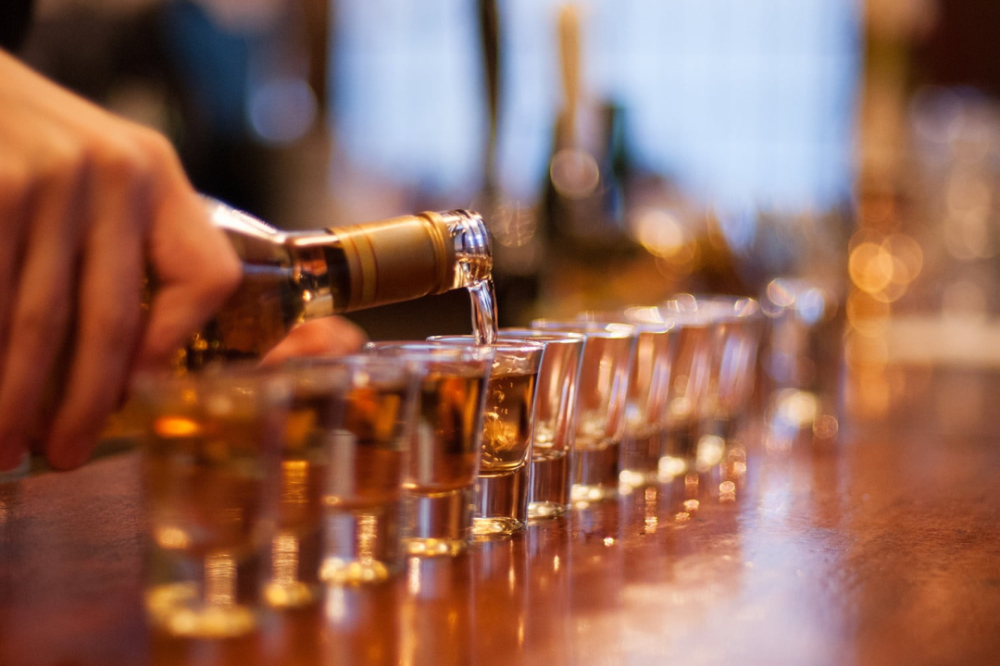
Regarding the origin of the word "shot," Front Street found multiple explanations while researching the subject, with quite a few discrepancies among them. The "Shot" we are familiar with today is mainly a unit of measurement in drinking culture, used to indicate a small glass of liquor. Traditionally, one shot equals 1 ounce, about 30ml. The use of shot glasses became popular in the mid-twentieth century; establishments offered this small glass of liquor that could be downed in one gulp so that customers could consume alcohol faster, more cheaply, and more conveniently.
Similar to its use in bars, when people in a café say "one shot," they mean one serving of espresso, that is, a small cup of about 30ml of espresso liquid.
Why does espresso borrow the measure word "shot"?
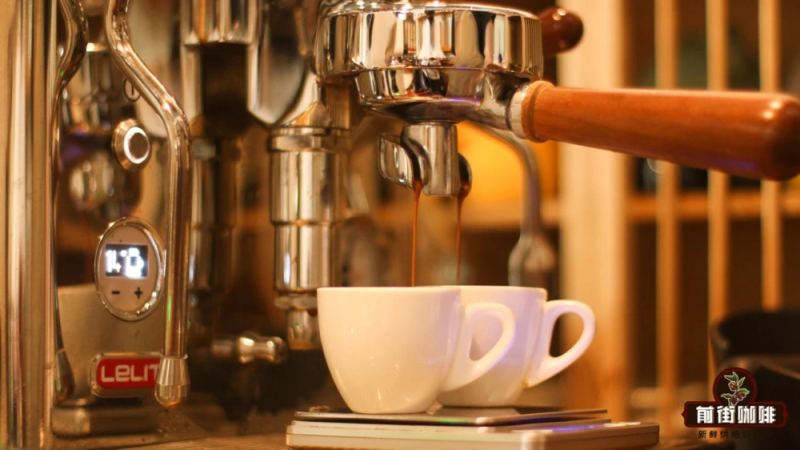
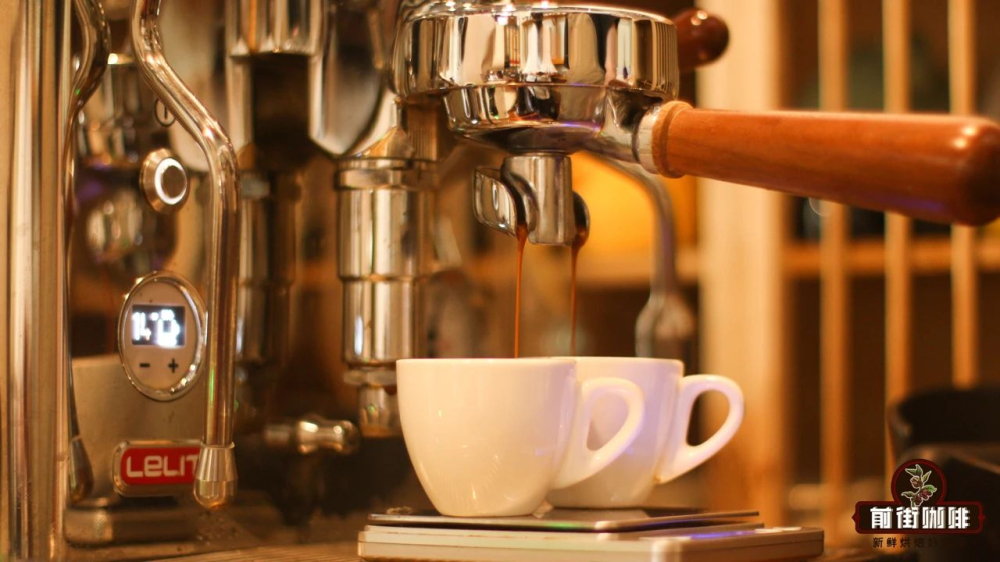
In Italian, espresso means "fast," and a barista can make a cup of rich, crema-topped coffee in just one minute. Customers pay, receive their coffee, and can finish it in two or three sips standing at the bar, taking in caffeine very efficiently. At the time, advanced equipment such as electronic scales did not yet exist, so baristas could only rely on visual estimation, using a split spout portafilter to direct the coffee liquid into two 1-ounce shot glasses, judging whether extraction was complete based on the capacity of the glasses. In addition, espresso back then had a heavy, intense mouthfeel, as strong as liquor, so it seemed only natural for people to call it a "shot."
Of course, from today's perspective, this practice inevitably involves errors, and it is difficult to guarantee consistency in every serving. Therefore, baristas today generally use liquid weight as the standard when extracting espresso. (The volume and weight of crema are not equal, so a shot with rich crema actually contains less than one with thin crema.)
For example, for enthusiasts who prefer rich crema, we recommend the two dark-roast espresso beans "Front Street Classic Blend" and "Front Street Commercial Blend"; while those who enjoy fruity acidity or a softer coffee aroma are better suited to medium-roast products such as "Front Street Strawberry Candy" and "Front Street Huakui SOE." When Front Street extracts them with the same parameters (20g coffee grounds, 40g espresso liquid extracted in 28–30 seconds), although the weight is the same, the former appears to be "twice as much" as the latter.
How much is one shot of espresso?
As a measure word for espresso extraction, for a long time a shot was extracted according to the standards of baristas at the time, forming a set of espresso extraction formulas: a single shot uses a single-dose filter basket, extracting 30ml of espresso from 7 grams of coffee grounds; as for a Double shot, that is, the extraction formula for a double espresso: using a double-dose filter basket, extracting 60ml of espresso from 14 grams of coffee grounds.
Later, with the upgrade of pressurized espresso machines and the adoption of weight-based measurement units, the judgment of extraction amount shifted from the volume of coffee liquid to the actual weight of the espresso, making precise control of coffee extraction possible. As coffee bean quality and roasting techniques continued to improve, the range of ratios baristas use to extract a shot has also narrowed. When using a double-capacity filter basket, whereas a single espresso used to mean extracting 60ml of coffee liquid from 14g of grounds, today a single espresso typically means extracting 36g (about 50ml) of coffee liquid from 18g of grounds.
So now, how much coffee is 1 shot?
If you order at two different coffee shops, saying "please give me a shot," you might get a small cup of espresso of only nearly twenty milliliters, while another barista serves you a portion of forty or fifty milliliters. Why is the difference so large?
Today, most cafés use a double filter basket (double shot) by default when serving. Baristas develop an exclusive extraction ratio for their own beans, using a specific dose of grounds to extract the best-flavored coffee liquid in a single pull. Precisely because coffee blending philosophies and extraction ratios differ, it can range from a dozen to several dozen grams of espresso liquid, varying from shop to shop.
For example, Front Street uses a 20-gram-capacity filter basket, 19.8 grams of coffee grounds, and extracts 38 grams of espresso liquid in 29 seconds, so the "double shot" here is 38 grams. If a customer only needs a single shot, the barista will use a portafilter with a split spout to catch it into two cups and give only one of them, and the one shot in the cup is about 19 grams.
The above content is compiled by CoffeeHunters, a coffee news website.


