







Search Results for: Coffee Cup Volume
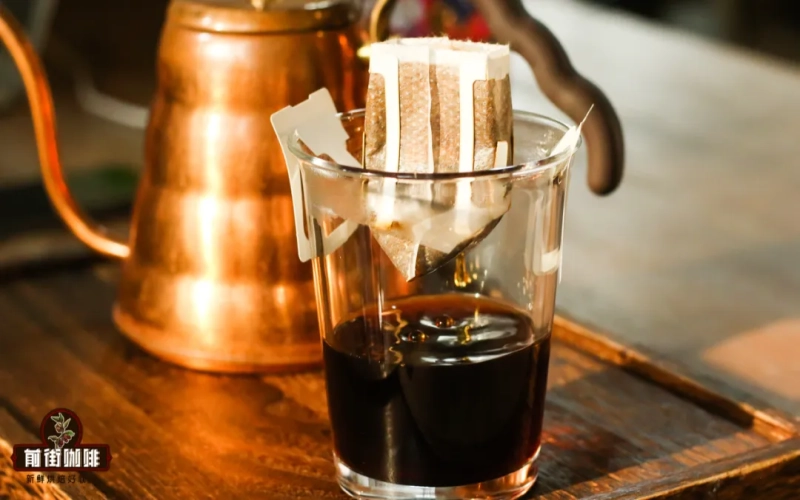
The Complete Guide to Drip Bag Coffee Brewing: Mastering the Three-Stage Control of Water Temperature, Volume, and Time, and Experiencing the Flavors of Front Street's Five Producing Regions
Drip bag coffee has become the top choice for many people during business trips, office work, and travel thanks to its convenience—no need to grind beans or use professional equipment. However, many people encounter problems such as weak flavor, sharp acidity, or noticeable astringency when brewing. In fact, as long as you master the three key parameters of water temperature, water volume, and brewing time, you can make a cup of coffee close to pour-over quality with a drip bag. This article will explain, one by one, the different water temperature requirements for light and dark roasts, the conversion method for a 1:15 coffee-to-water ratio, visual pouring techniques when no scale is available, and the complete process of pouring in 3~4 stages, blooming for 30 seconds, and a total time of about 2 minutes. It will also introduce the flavor sequence of Front Street Coffee's classic five-origin drip bag coffee, helping beginners get started easily. [more…]
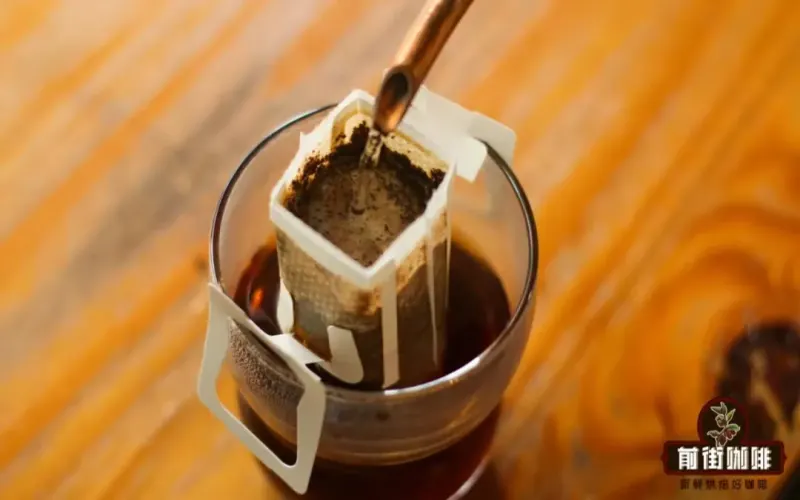
Analysis of the Differences Between Drip Bag Coffee and Pour-Over: Drip Bag Composition, Control of Water Temperature and Volume, and Simple Brewing Steps
Drip bag coffee has become the top choice for many people's daily coffee due to its portability and ease of operation. What exactly are the differences between it and pour-over coffee? This article will start with the structure of the drip bag, sort out the essential differences between it and pour-over in terms of equipment and process, and share a simplified brewing method that only requires attention to two parameters: water temperature and water volume. At the same time, for different taste preferences, the article also compiles the flavor characteristics and purchasing suggestions of multiple drip bag products under the Front Street Coffee brand, helping you obtain a cup of drip bag coffee with suitable strength and full flavor in the simplest way and with stable results. [more…]
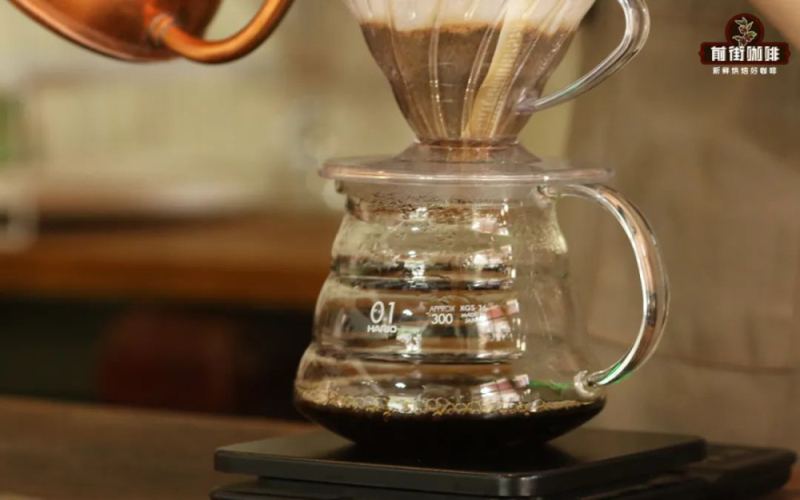
How should the water volume for each pour be scientifically configured when making pour-over coffee with staged pouring?
Segmented pouring in pour-over coffee seems simple, but in reality, even subtle changes in the water volume of each segment leave their mark in the cup. Many friends new to pour-over are often puzzled: how exactly should the water volume after blooming be divided? And in what direction do different distribution schemes take the flavor? Front Street used the Yirgacheffe Gote Gote as a sample and designed three comparative experiments, fixing the dose at 15 grams, the coffee-to-water ratio at 1:16, medium-fine grind, and water temperature at 91°C, changing only the water volume ratio between the second and third pours, to observe how acidity, sweetness, mouthfeel, and finish trend. The experiment also revealed the potential impact of the relationship between the height of the coffee bed wall and the water level on extraction uniformity, and offers reference ideas for flexible adjustment in actual practice. [more…]
Fruity Aroma Gene Bank: A Profile of Origins and Processing Methods Behind Floral and Fruity Coffee Beans
The floral and fruity aromas of coffee are not magic conjured by the roaster, but genes written into the terroir of the producing region and the processing method. Flip through the origin records of the mainstream floral and fruity bean varieties on the market, and you will find that behind every fruity note lies a traceable origin story. The opening volume of the records is Ethiopia. As coffee's [more…]
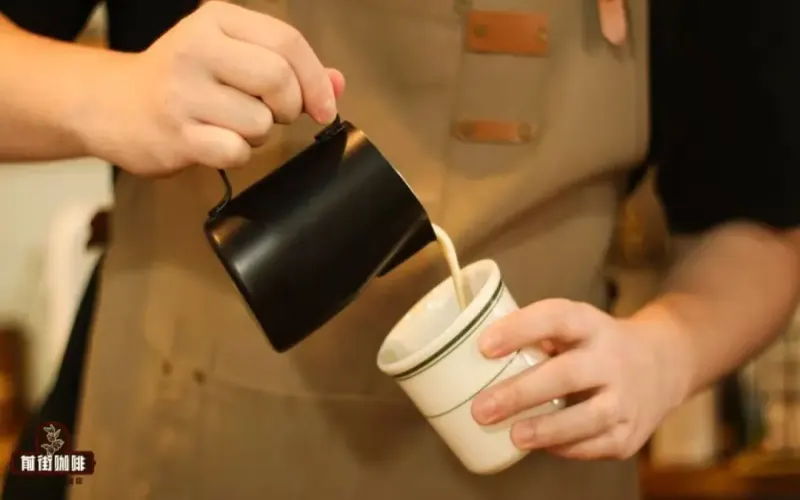
Key details in the milk-pouring and integration stage of latte art: how flow rate, pouring distance, and milk volume affect the final result
When making an espresso latte, the success of the latte art pattern often depends on whether the integration step is done properly. When integrated well, the pattern background is clean and the coffee flavor is unified; when integrated poorly, not only does the image look messy, but the mouthfeel also feels disjointed. Front Street Coffee points out that there are three easily overlooked details in the integration stage: the flow rate of the milk being poured, the distance between the milk pitcher and the liquid surface (the pouring distance), and the amount of milk used for integration. This article will break down these three key points one by one, explaining why a low flow rate combined with a high pouring distance is more conducive to integration, as well as the specific requirements for integration milk volume for different latte art patterns, helping you make latte coffee with consistent flavor and a clean image at home. [more…]
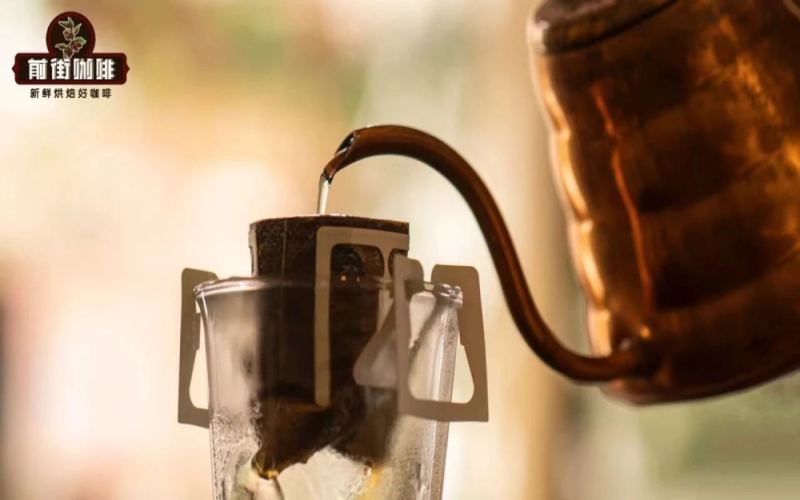
Drip bag coffee brewing water volume vs. pour-over: Front Street Coffee barista explains brewing techniques and methods in detail
Drip bag coffee, with its convenience, has become a popular choice for enjoying black coffee in the office, at home, and while traveling. But how many milliliters of water should be used to brew a single bag of drip coffee? Can it be brewed as precisely as pour-over coffee? In this article, the baristas at Front Street Coffee will share practical brewing methods for drip bag coffee, answer common questions about brewing water volume and water temperature control, and explain why drip bag coffee cannot be brewed repeatedly. We will also introduce the flavor characteristics of three seasonal drip bag coffees—Front Street. Mandheling, Front Street. Yirgacheffe, and Front Street. Brazil Cerrado—to help you easily brew a good cup of coffee even without professional equipment. [more…]
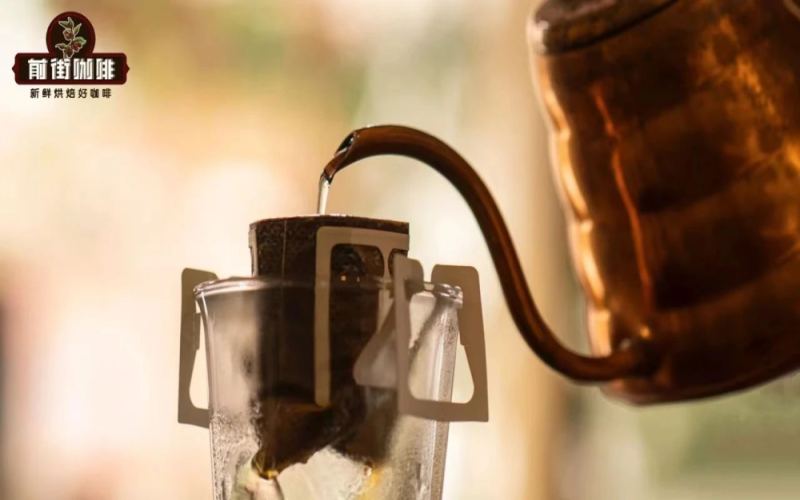
Is drip bag coffee considered black coffee? A detailed guide to brewing water volume and technique—Front Street Coffee teaches you how to easily brew great flavor.
Drip bag coffee is the most convenient choice among drip-filter coffees. All you need is a drip bag, a cup, and hot water to easily get a cup of single-origin black coffee. However, simple operation doesn't mean you can brew it however you like. Front Street believes that if you want to reach about 70% of the quality of a pour-over, water temperature, coffee-to-water ratio, cup selection, and pouring rhythm are all worth paying attention to. This article will start with the relationship between drip bags and black coffee, then break down grind size, water temperature control, suitable water volume, cup type suggestions, and staged pouring steps one by one, and include Front Street's current-season drip bag recommendations from six major regions to help you quickly find the one that suits your taste preferences. [more…]

How do you brew drip bag coffee correctly? An illustrated guide to steps, water temperature, water volume, and common mistakes
Can drip coffee bags be brewed directly? Of course not. It is a filter bag containing ground coffee, and the coffee grounds are not instant. Soaking it directly not only wastes the design of the drip bag, but also gives you a mouthful of grounds. The correct method is to tear open the seal, unfold the drip bag card and hang it on the rim of the cup, then pour water through it to filter. This article uses a six-step illustrated guide to demonstrate in detail the brewing process for drip coffee bags, while also explaining the two key points of controlling the water temperature at 88-91°C and the total pouring volume of about 120-150 ml, and explaining why pour-over techniques such as circular pouring and blooming are of little significance for drip bags. The article also recommends Front Street Coffee's classic 5-origin drip coffee bags to help you quickly find the flavor you like. [more…]
How to brew drip bag coffee for the best taste? A detailed explanation of the three key points—water temperature, amount of water, and time—plus Front Street flavor drip bag recommendations.
Drip bag coffee, with its convenient advantages of requiring no grinding and no professional equipment, has become the go-to staple for many people during business trips, office work, and travel. However, quite a few friends report that the drip bag coffee they brew themselves turns out either bland and tasteless or sharply sour and bitter—the problem often lies in three key parameters: water temperature, amount of water poured, and brewing time. This article begins with an introduction to the flavors of Front Street Coffee's classic five-origin drip bag coffee, then systematically explains the suitable water temperature ranges for light-roast and dark-roast drip bags respectively, the selection of coffee-to-water ratios and visual measurement techniques, and how to control the extraction time to around two minutes through staged pouring, helping you brew a delicious cup of drip bag coffee that rivals pour-over in the simplest way possible. [more…]
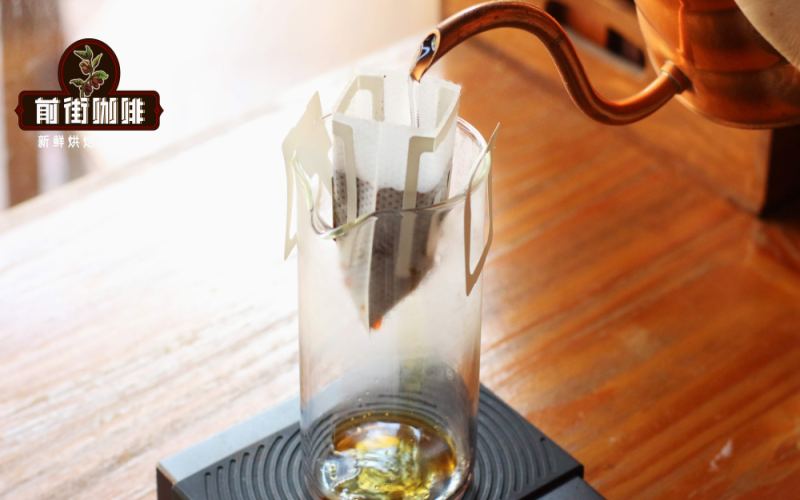
Should You Steep Drip Coffee? A Complete Guide to Brew Time, Water Temperature, Cup Type, and Water Volume, Plus 5 Seasonal Front Street Coffee Drip Coffee Recommendations
Drip bag coffee has become the top choice for many people when they are out and about, thanks to its advantages of simple operation, rich variety, and the ability to enjoy fresh black coffee anytime, anywhere. But do drip bags really need to be soaked? How long should a cup take to brew? How should you control the water temperature, cup type, and water amount? This article explores the brewing principles and practical details of drip bag coffee, explaining that, like pour-over, it relies on hot water flowing through the coffee grounds to complete extraction, and provides references such as staged pouring and a total time of 1 minute 20 seconds to 2 minutes. It also summarizes the flavor characteristics of Front Street Coffee's 5 seasonal drip bag coffees, including Huakui, Yirgacheffe Gidding, Indonesian Mandheling G1, Yunnan Small Bean, and Brazil Cerrado Red Bourbon, making it easy to choose according to taste preferences. [more…]
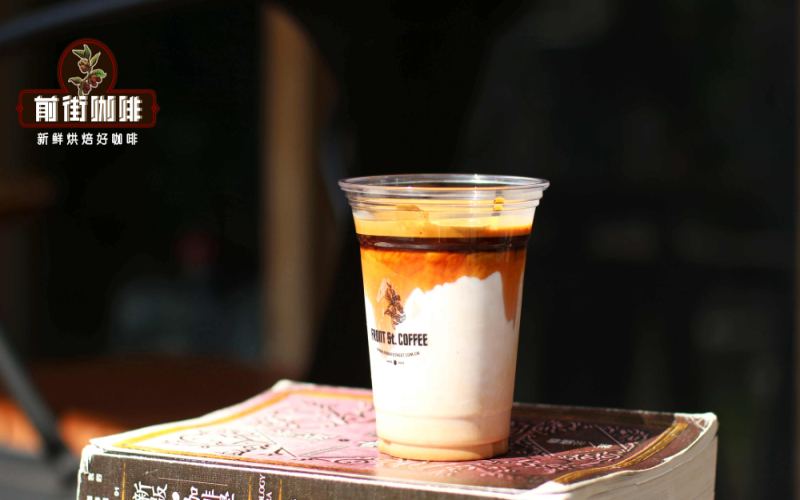
Why do iced coffees vary in cup volume when ordered without ice? Looking at the logic of topping up after removing ice in Americanos, Lattes, and Cappuccinos
When ordering an iced espresso drink without ice at a coffee shop, some people receive a full cup, while others get only a seven-tenths-full cup, or even half a cup. This difference in volume is not accidental, but is closely related to the store's business philosophy, recipe ratios, ice quality, and the concentration of the coffee beans and milk. Starting from the production practices at Front Street Coffee, this article analyzes why iced coffee drinks such as Americanos, lattes, and cappuccinos end up with different cup volumes after the ice is removed, and how adding water or milk after removing the ice affects the coffee's concentration, taste, and mouthfeel, helping coffee enthusiasts understand the logic of trade-offs behind a cup of ice-free coffee. [more…]

Luckin Coffee's ice controversy sparks debate: after removing ice, the cup is half empty, bringing the issue of ice proportions in chain beverages to the surface
Recently, Luckin Coffee made it onto Weibo's trending topics because its iced drinks contained too much ice and the cup volume decreased noticeably after removing the ice, triggering widespread consumer concern about the proportion of ice in chain coffee and milk tea shops. Many netizens posted comparison photos showing that after removing the ice, only half a cup of the drink remained, with some even joking about "looking for the latte in the ice." Luckin officially responded that its drinks are made according to a standardized recipe and that it will strengthen store training. At the same time, other brands such as Starbucks were also accused of a similar phenomenon. This article sorts out the course of the incident, netizen feedback, and official responses, and also includes professional exchange information from Front Street Coffee. [more…]
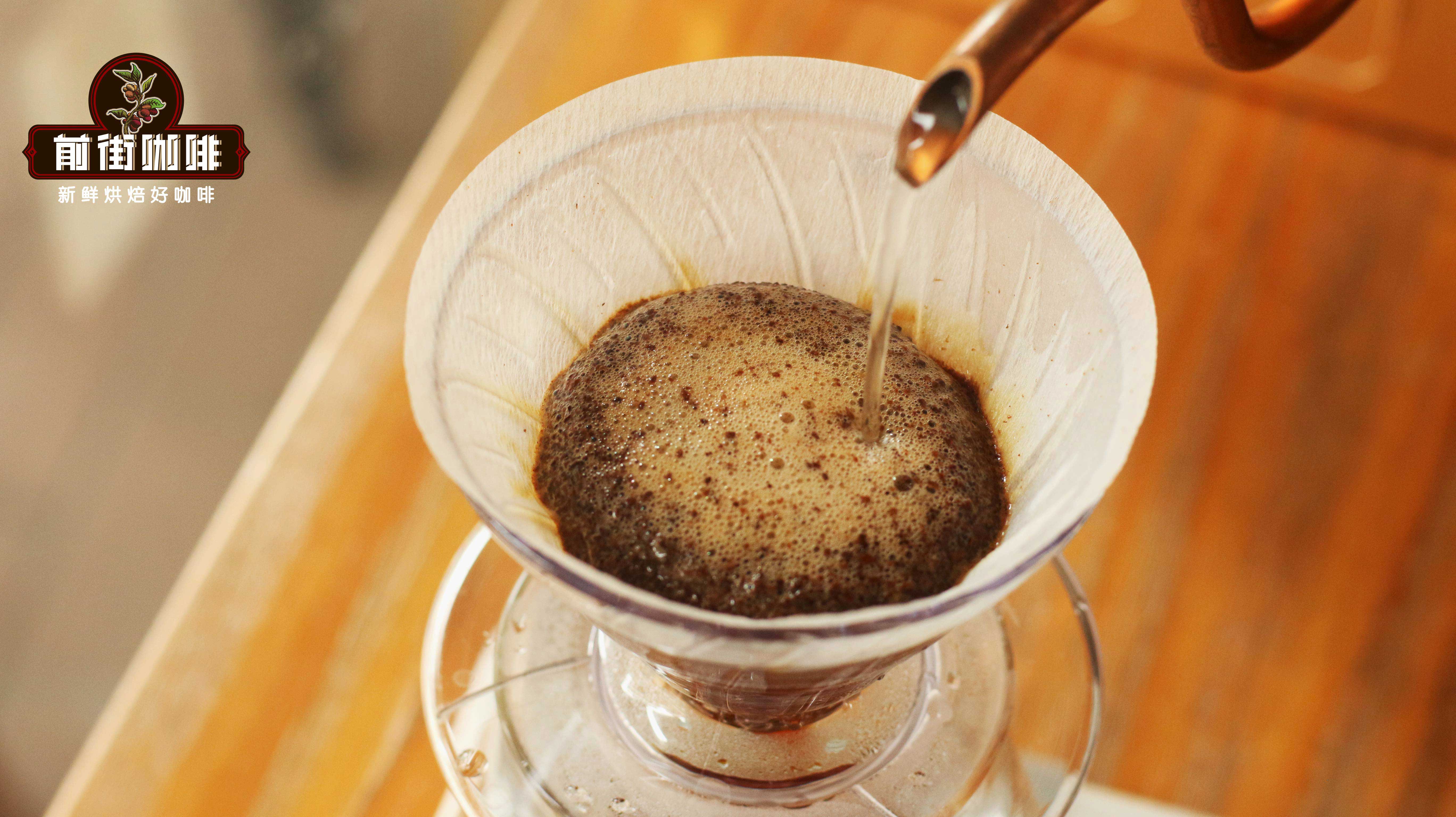
A Complete Guide to Pour-Over Drip Bag Coffee: Water Volume and Temperature Explained — Can You Use Water Dispenser Water Directly? Front Street Brewing Tips Shared
The extraction principle behind drip bag coffee and pour-over coffee is exactly the same: both involve letting hot water pass through a layer of coffee grounds to draw out aroma and flavor. To brew a delicious cup, choosing the right flavor type, picking the right cup, and controlling water temperature and the amount of water are all crucial. This article starts with flavor selection for drip bag coffee, moves on to how cup shape affects taste, and then answers two common questions in detail: Can you brew directly with water from a water dispenser? How much water is actually right for one drip bag? The article also draws on several drip bag products from the Front Street Coffee brand, offering specific step-by-step pouring techniques and water volume recommendations to help you easily brew your ideal flavor. [more…]
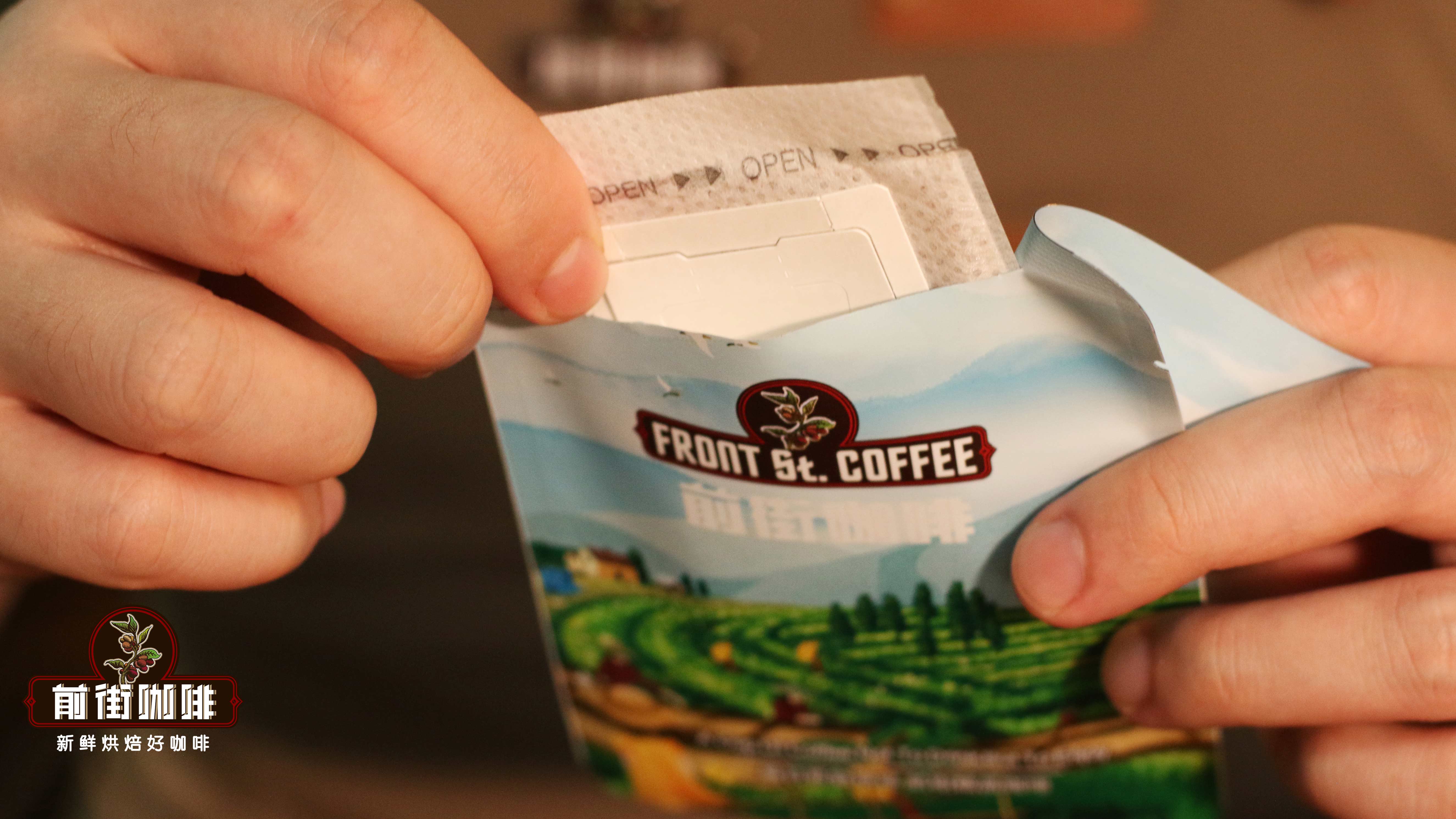
How to properly brew drip bag coffee? A detailed guide to water temperature and total water volume, with flavor selection and brand recommendations
Drip bag coffee, with its convenient filter bag design, allows enthusiasts to easily enjoy black coffee without a grinder or dripper, but behind this seemingly casual operation, water temperature and the amount of water poured are the key determinants of flavor. Starting from the basic principles of drip bag coffee, this article will break down the specific steps of staged pouring in detail, explain why hot water from a water dispenser is not suitable for direct brewing, and provide a reference ratio of 1:15 coffee to water. At the same time, tailored to different taste preferences, it compiles purchasing suggestions for a variety of Front Street Coffee drip bags ranging from floral, fruity and acidic to rich and balanced, helping you consistently reproduce at home a pour-over-level cup of coffee that is full of aroma and clean in taste. [more…]
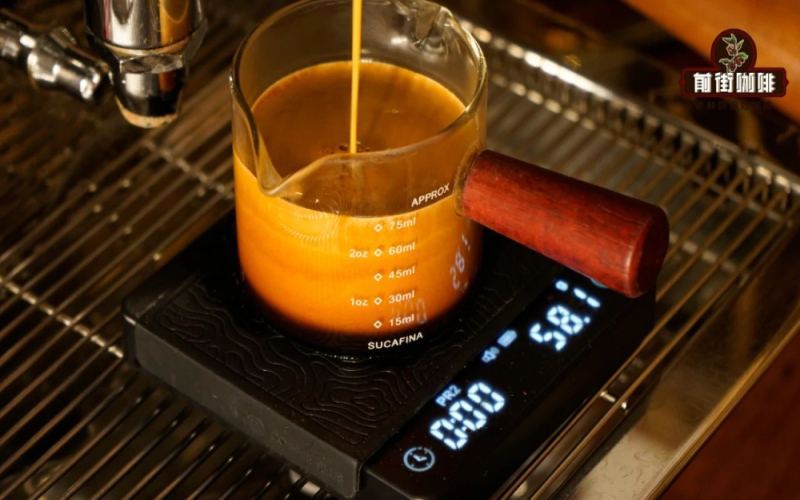
A Complete Guide to Italian Lungo Coffee: Extraction Logic and Historical Evolution from Espresso to Ristretto
In the Italian coffee system, Lungo is a unique presence—it belongs, along with Espresso and Ristretto, to the category of drinks extracted directly on an espresso machine, yet it stands apart with a markedly different flavor due to its larger extraction volume. This article will analyze the definition of Lungo from the perspective of extraction yield and concentration, compare its differences from Ristretto and Espresso in terms of brew ratio and flavor, and trace back to the social context of 1950s Italy to explain why this "more coffee for the same price" cup came into being. Front Street Coffee will also share the true taste performance of Lungo through actual extraction tests, and explore the possibilities of the espresso machine beyond espresso. [more…]
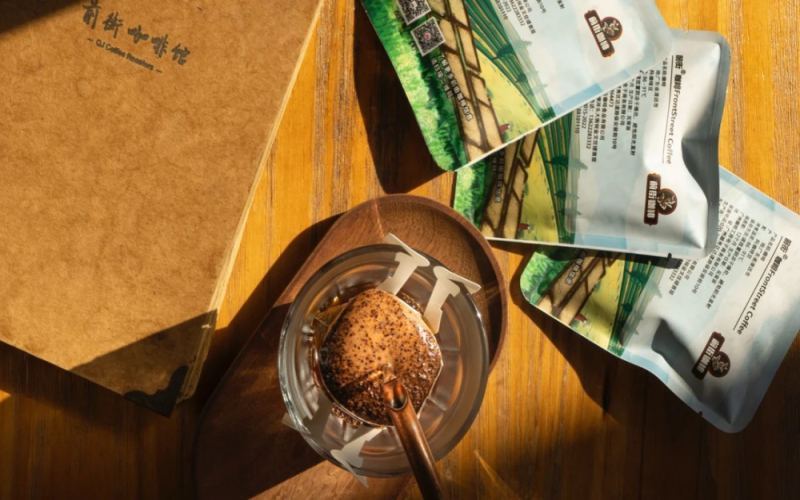
Can you only brew drip bag coffee once? A detailed guide to brewing temperature, water volume, and key points for buying Front Street drip bags.
Drip coffee bags have become the daily go-to for many coffee lovers thanks to their convenient brewing method. But there are still plenty of questions surrounding drip coffee bags: How many times can you actually brew them? How should you control the water temperature and volume? How do you pick drip bags with fresh flavor? Starting from the brewing practices of Front Street Coffee drip bags, this article systematically walks through key steps such as warming the cup, water temperature, pouring, and blooming, and answers common questions one by one—including flavor choices, whether they can be re-brewed, and shopping tips—to help you brew a cup of drip black coffee that is rich in aroma and well balanced in taste. [more…]
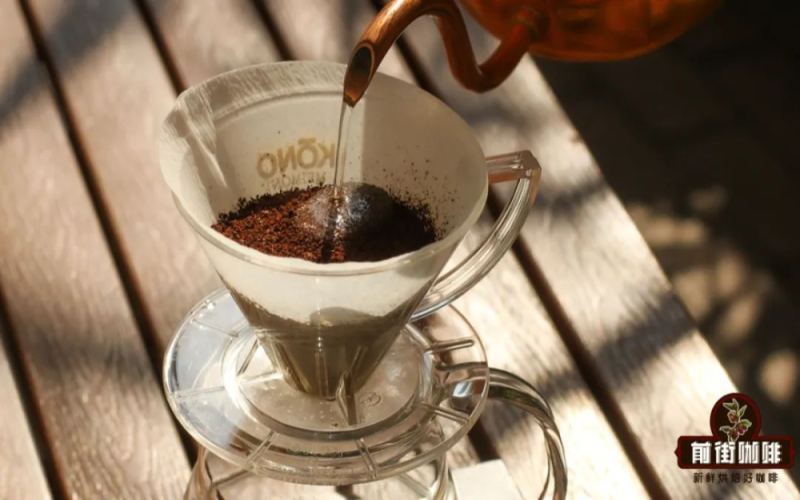
The Science of the Coffee Bloom in Pour-Over Brewing: Why We Bloom, and How to Master Water Volume and Timing
Blooming is an indispensable preparatory step in pour-over coffee before the actual pouring begins, known in English as "bloom." Many enthusiasts are accustomed to the practice of using twice the coffee grounds' weight in water, pouring in circles, and waiting 30 seconds—but what is the principle behind this formula? And what flavor differences arise from insufficient or excessive blooming? This article will systematically explain the purpose of blooming, key parameters, and judgment methods from the perspectives of carbon dioxide release and the water absorption state of the coffee bed, helping you adjust flexibly for beans of different roast levels and freshness, and brew a cup of pour-over coffee with even extraction and full aroma. [more…]
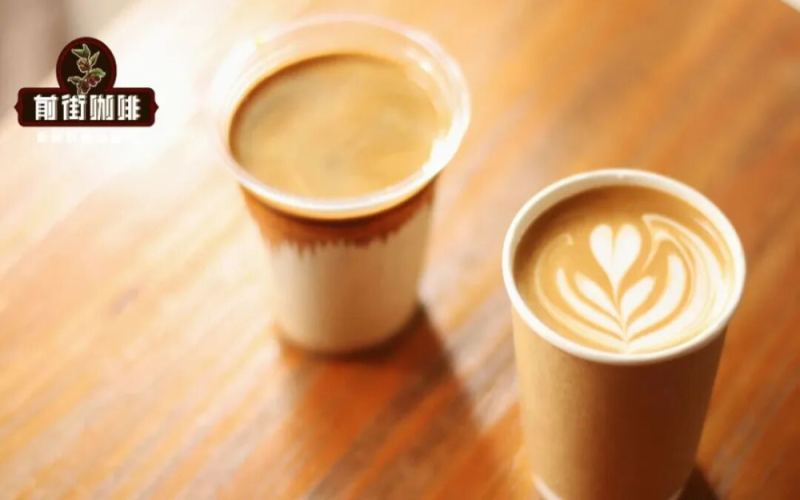
Are Dirty and Flat White Simply Hot and Cold Versions of the Same Drink? A Detailed Explanation of the Differences and Similarities Between Dirty Coffee and Flat White
In specialty coffee shops, Dirty and Flat White are often treated as the default options for testing a barista's skills, even surpassing Americano and Latte in popularity. Someone has put forward an interesting claim: Dirty is just a cold version of Flat White, with the only difference between the two being temperature. Does this viewpoint hold up? To find out the truth, Front Street Coffee decided to put these two milk coffees together for a comprehensive comparison. From bean selection, extraction parameters, and cup volume control, to milk foam condition, temperature management, and the flavor layers on the first sip, we will break down one by one the similarities and differences between Dirty and Flat White in production details and taste experience, to see whether they really are the hot and cold sides of the same cup of coffee. [more…]
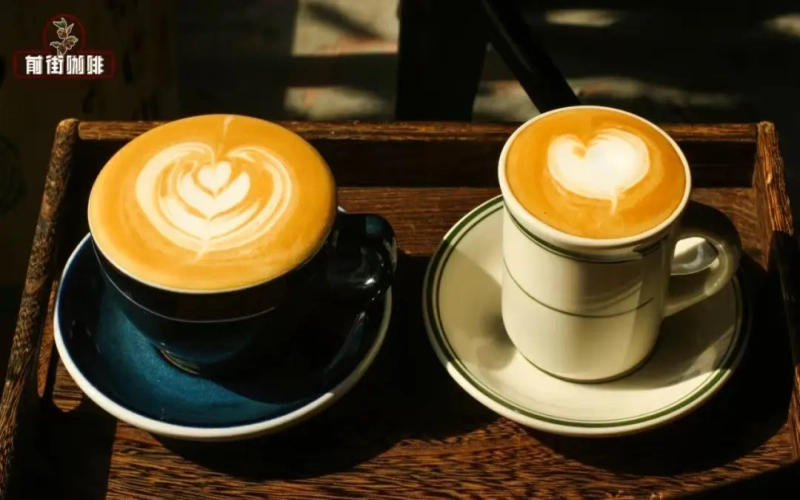
Milk Foam Thickness and Espresso Base: The Core Differences Between a Flat White and a Latte in Ratio, Cup Size, and Mouthfeel
Flat White and Latte are often hard to tell apart visually, especially when served in opaque cups. Both consist of espresso, milk, and milk foam, yet the experience once they hit your palate is completely different. The root of the difference lies in foam thickness, cup size, and the choice of espresso base. A Latte has about 1cm of foam, a larger cup volume, and usually pairs with a traditional espresso; a Flat White has less than 0.5cm of foam, a smaller cup volume, and many coffee shops switch to a Ristretto shot instead. Starting from Front Street Coffee's own parameters and combining them with the tasting performance of the Dark Cocoa base blend, this article breaks down the flavor logic and preparation details of these two milk coffees one by one. [more…]

An Analysis of the Three Golden Rules for Making Cappuccino: The 1:1:1 Volume Ratio, the 11-Point Fill, and Where the Golden Ring Comes From
As a classic representative of Italian milk coffee, cappuccino has three widely recognized rules surrounding its preparation: ingredients in a 1:1:1 ratio, the finished drink should be filled to 11 points, and the surface should show a golden ring. What exactly do these statements mean? What historical backgrounds gave rise to each of them? Why, after more than a century of evolution, has only the 11-point fill persisted to this day? This article will break down the true meanings and origins of these three major rules one by one, while also tracing the evolution of cappuccino from a local Italian drink to modern Italian-style coffee, helping coffee enthusiasts more accurately understand the preparation logic and tasting key points of this classic milk coffee. [more…]