







Search Results for: Bloom
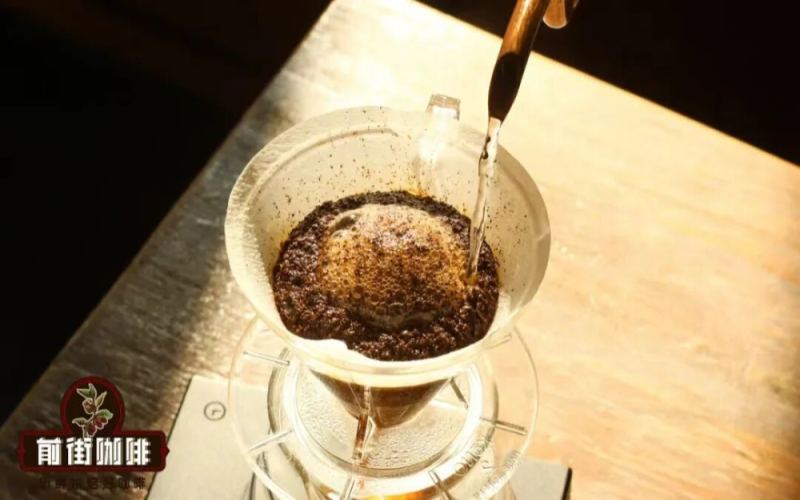
Bloom Time | Why is blooming necessary when making pour-over coffee? What effects does the length of the bloom time have on the taste of the brewed coffee?
"How big of a difference can there be between coffee with a 30-second bloom and a 60-second bloom?" This was a question a friend asked Front Street Coffee yesterday. I have to say, this question is actually quite interesting! As we all know, blooming is a routine step in pour-over coffee. Specifically, before the official pour, we pre-pour [more…]
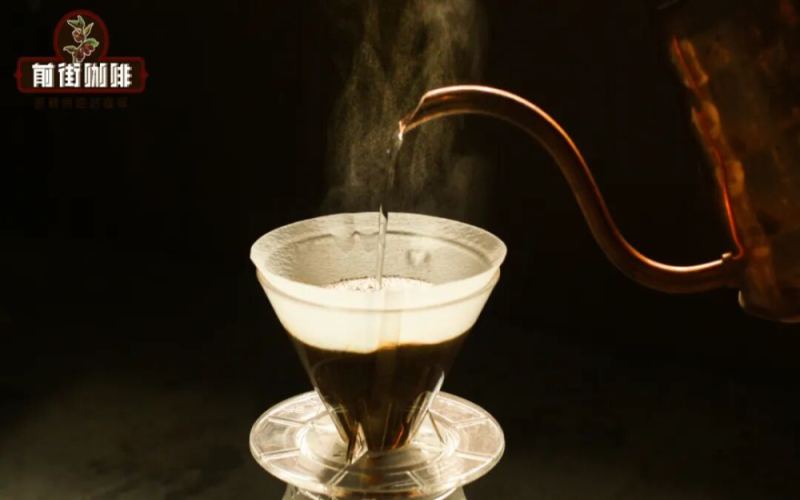
Bloom Duration | Does blooming coffee grounds for too long affect the coffee's flavor? Does a longer bloom increase the extraction yield of pour-over coffee?
Recently, a friend came across a post online: "If the blooming time is too long, it's easy to brew coffee that is under-extracted." Obviously, this statement goes against our long-standing understanding of blooming. Because as everyone knows, the purpose of blooming is to release the carbon dioxide in the coffee grounds, allowing us to more easily extract the coffee. [more…]
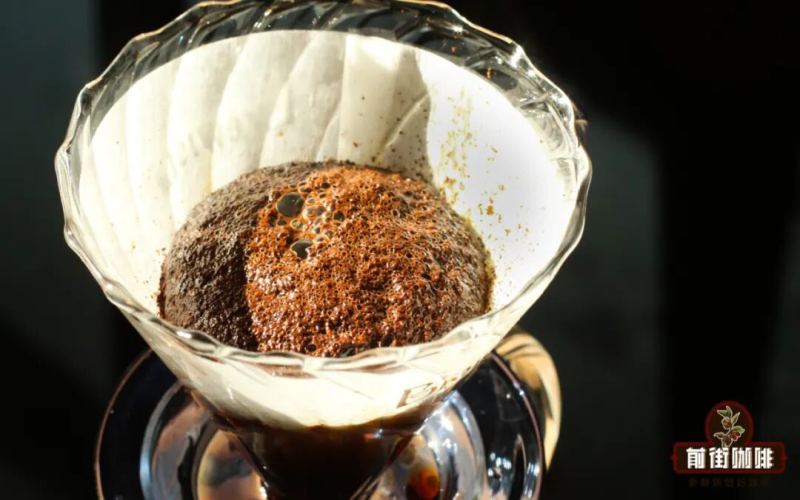
Coffee Blooming | How to achieve the "perfect bloom" when making pour-over coffee? How do you adjust the bloom time for pour-over coffee?
As the saying goes: "Bloom well, and brewing is trouble-free." For pour-over coffee, blooming is a very important preparatory step. So-called blooming is the step where, before we formally extract the flavor compounds from the coffee, we use a small amount of hot water to pre-wet the coffee grounds and wait for a certain period of time. [more…]
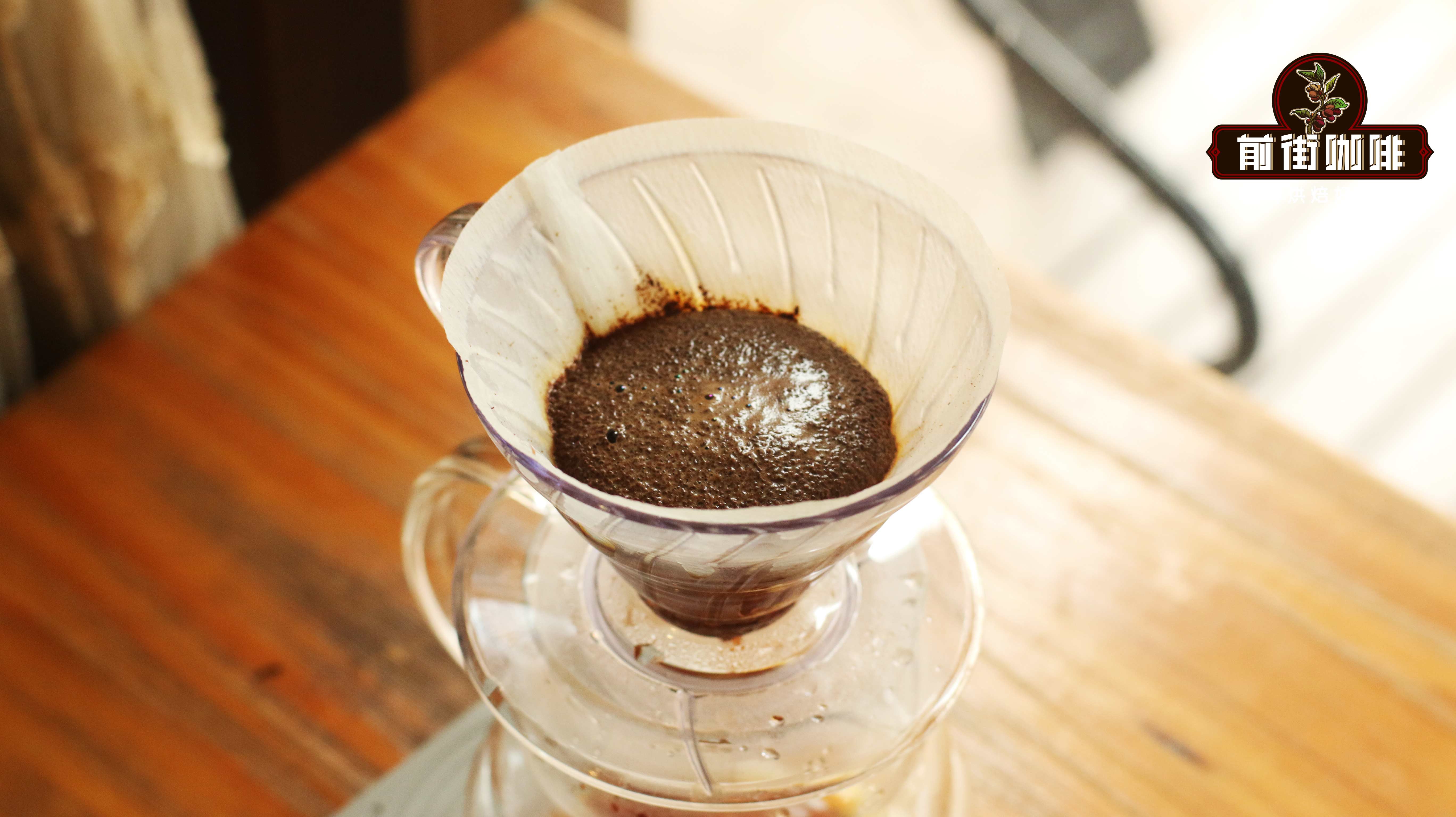
Clever Cup Brewing Method | Does the Clever Cup need blooming when steeping coffee grounds? How can coffee beginners make Yirgacheffe pour-over black coffee with the Clever Cup?
For more specialty coffee knowledge, please follow: Front Street Coffee (Frontsteet Coffee). When making pour-over coffee, we usually perform the bloom first, which is especially common in filter-style brewing methods. So, is a bloom still necessary in immersion-style coffee extraction? [more…]
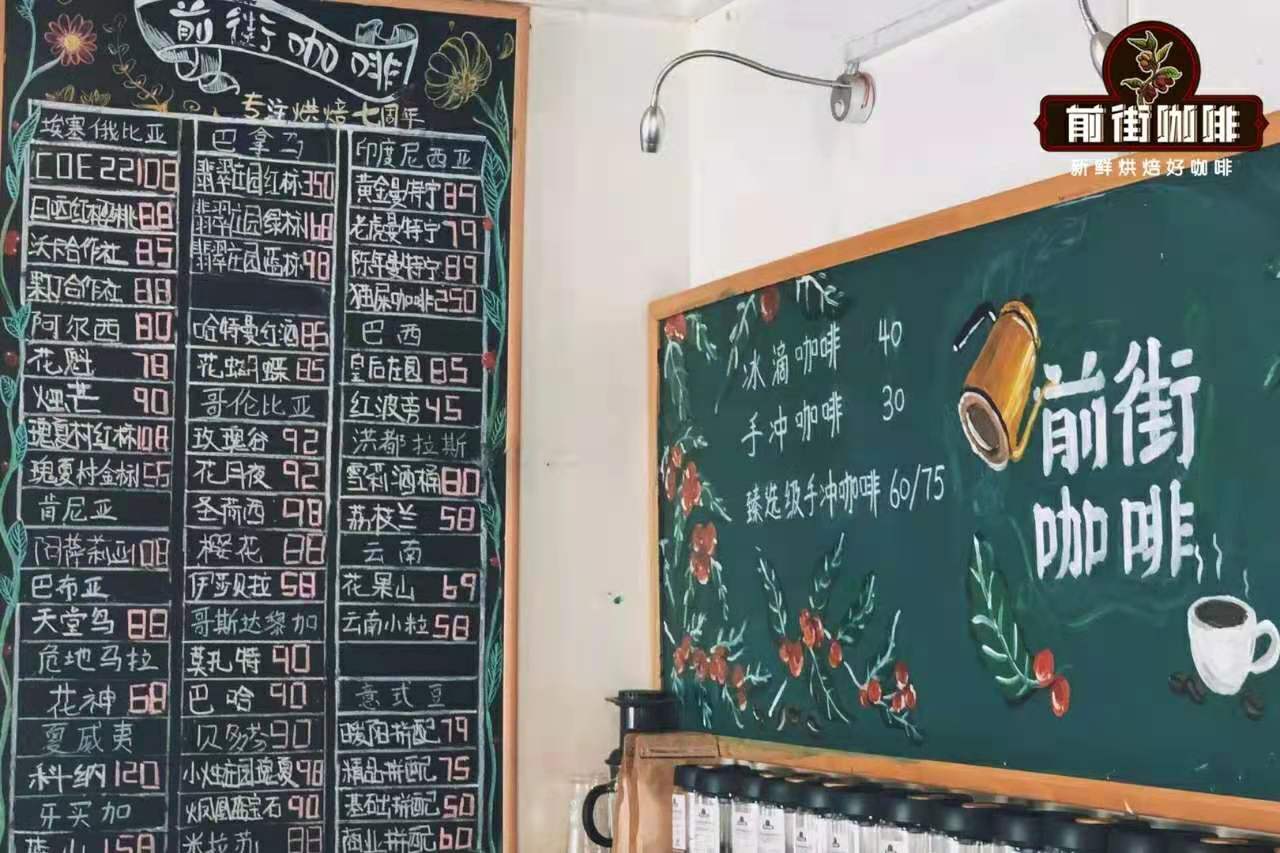
Single-Origin Coffee Bean Flavor Window | Why Must Pour-Over Coffee Be Ground and Brewed Fresh? How Does Coffee Bean Flavor Change Past Its Peak?
Many people assume that freshly ground coffee means fresh coffee, but that's not actually the case. In fact, to truly enjoy the aroma of coffee, it's not just about grinding fresh—there are also specific requirements regarding the roasting time of the coffee beans. Front Street Coffee, whether in-store or through its online Taobao shop, offers only freshly roasted coffee beans, unless a customer specifically requests grinding. [more…]
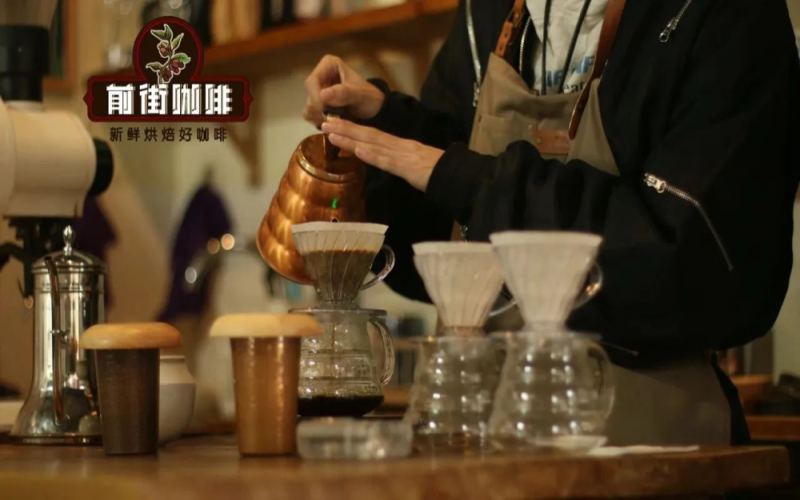
Pour-over coffee brewing ratio | Is the espresso coffee-to-water ratio different from pour-over? What details should be noted for pour-over coffee blooming?
Pour-over coffee is a brewing method that places great emphasis on technique and coffee expertise. Factors such as the amount of coffee beans used for pour-over, the coffee grind size, the coffee-to-water ratio and time, and the brewing technique all affect the flavor extracted in pour-over coffee. So how can you brew a perfect-tasting pot of pour-over coffee? In the rest of this article, Front Street [more…]
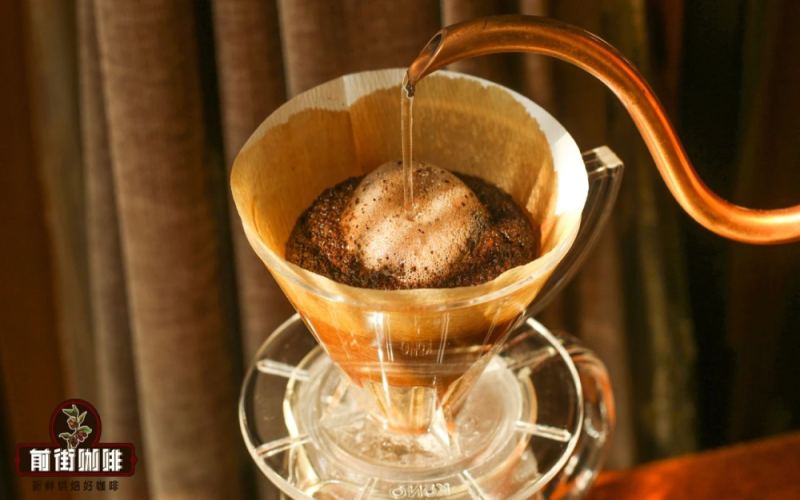
Pour-over Coffee Brewing Techniques | How Important Is Blooming to Pour-over Coffee? How Much Water and How Long for Coffee Blooming? How to Judge the Blooming Process?
Blooming is an important step in brewing coffee, and there's a popular saying that "you can tell if a coffee will taste good just by looking at its bloom." So when people learn to brew coffee, they intentionally or unintentionally "perfect" a flawless "coffee burger." But if you understand the logic behind blooming, you'll discover that blooming is actually [more…]

Seven Elements of Hand-Brewed Coffee | Is the correct English for hand-brewed coffee "Hand Drip" or "Pour Over coffee"? What are the brewing methods for hand-brewed coffee?
What is the English for pour-over coffee? If translated literally, it could be rendered as "Hand coffee," but that term is definitely incorrect. Next, expressions like "Hand punch" are also common mistranslations. The correct term should be "Pour over coffee." Now, pour-over [more…]
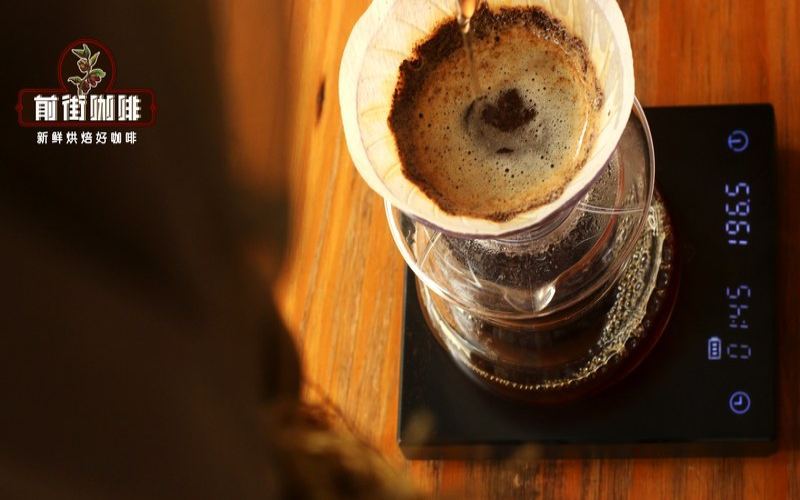
Single-Origin Coffee Opening and Resting Patterns: Capturing the Optimal Drinking Window When Bean Aromas Bloom
Freshly roasted single-origin coffee beans are filled with a large amount of carbon dioxide inside. If they are ground and brewed immediately, the intense degassing reaction will form many bubbles in the coffee bed, preventing the hot water from fully contacting the coffee grounds. Giving the beans a period of steady resting time allows the gas to escape slowly, so that the internal aromatic compounds can be released during extraction. [more…]

Panama Geisha Pour-Over Coffee | Is the coffee-to-water ratio for pour-over always 1:15? What grind size is suitable for pour-over single-origin beans?
Pour-over coffee is a process where flavor extraction and filtration happen simultaneously, with extraction occurring centered around the spot where water is poured, and the key lies in how to control and balance it. At Front Street, when adjusting pour-over coffee parameters, we usually consider the grind size of the coffee beans and the brewing water temperature first, but in fact the coffee-to-water ratio is also very important. During brewing, the water [more…]
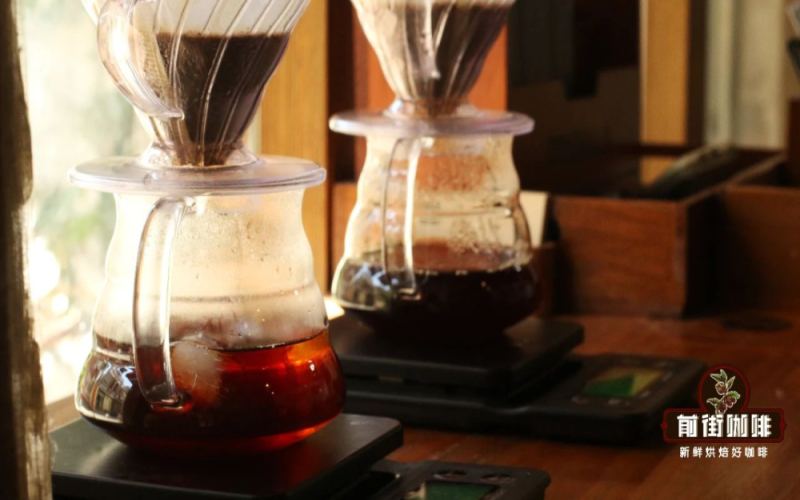
Yirgacheffe Washed Gudingding Pour-Over Parameters Sharing | What Are the Differences in Pour-Over Brewing Water Temperature, Pouring Technique, and Extraction Time Between Dark Roast and Light Roast Coffee Beans?
For more specialty coffee knowledge, please follow: Front Street Coffee (Frontsteet Coffee). The most charming thing about pour-over coffee is its adjustability. Many customers who often come to Front Street for coffee also try making pour-over at home, and they always say that pour-over coffee is too difficult. [more…]
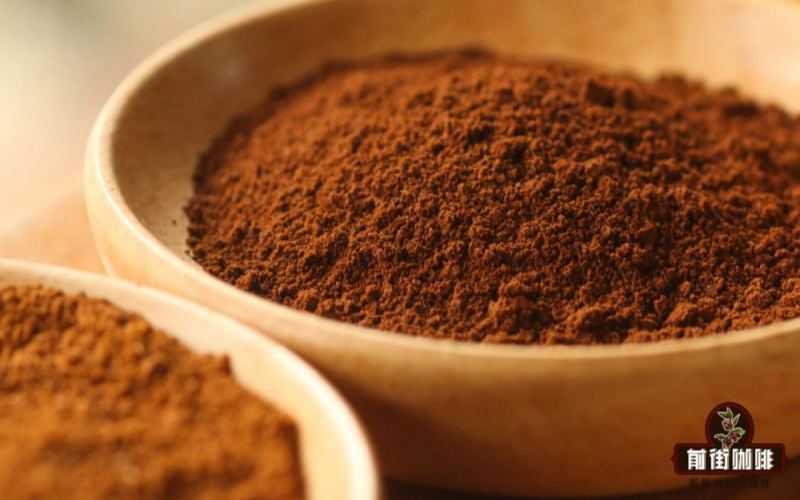
Brewing with Coffee Grounds | Can you use espresso grounds for pour-over coffee? What are the key points to note when making pour-over black coffee with fine coffee grounds?
Recently, a customer asked Front Street what to do when the coffee beans they bought were ground too fine, suitable for making espresso. I believe many friends have encountered this situation: the ground coffee they bought turned out to be too fine. If brewed with the usual pour-over parameters, it would definitely over-extract. Does that mean it has to be thrown away and can't be used? Today, Front Street will share with everyone [more…]
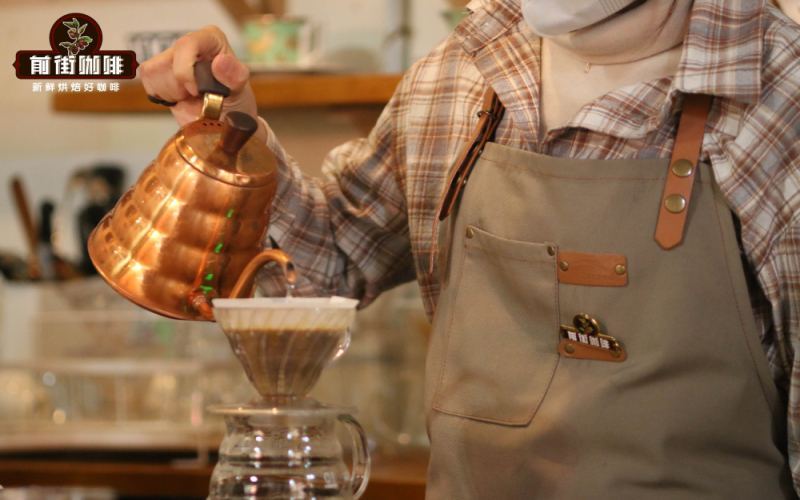
手冲咖啡闷蒸全解析:注水量、时间掌控与浅烘豆排气技巧
闷蒸是手冲咖啡中看似简单却暗藏玄机的关键步骤。本文从前街的视角出发,深入探讨闷蒸的核心目的——排出二氧化碳、稳定萃取,并解析英文「bloom」一词与咖啡粉层膨胀状态的关联。文章详细对比了不同注水量(1倍至3倍)的利弊,推荐1.5-2倍水量为较优选择,同时说明闷蒸时间应依据排气效果灵活控制在20-40秒之间。此外,还分享了通过观察鼓包变化判断闷蒸终点的实用技巧,以及不同闷蒸时长对咖啡风味的具体影响,帮助咖啡爱好者精准掌握这一环节。 [more…]
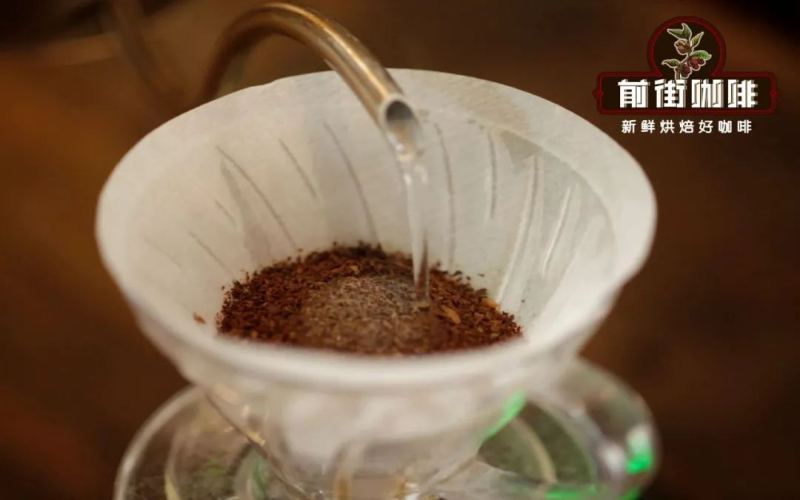
Blooming Method | What Is the Purpose and Significance of Blooming in Pour-Over Coffee? How Much Water for Blooming? Calculating Blooming Time for Coffee Extraction
In freshly roasted and freshly brewed coffee, there is a crucial small detail: baristas emphasize the need to "bloom." There is even a saying in the coffee community: "Bloom well, and brewing will be trouble-free," forming a positive link between blooming and brewing. So what is blooming, and how do you bloom? Careful [more…]
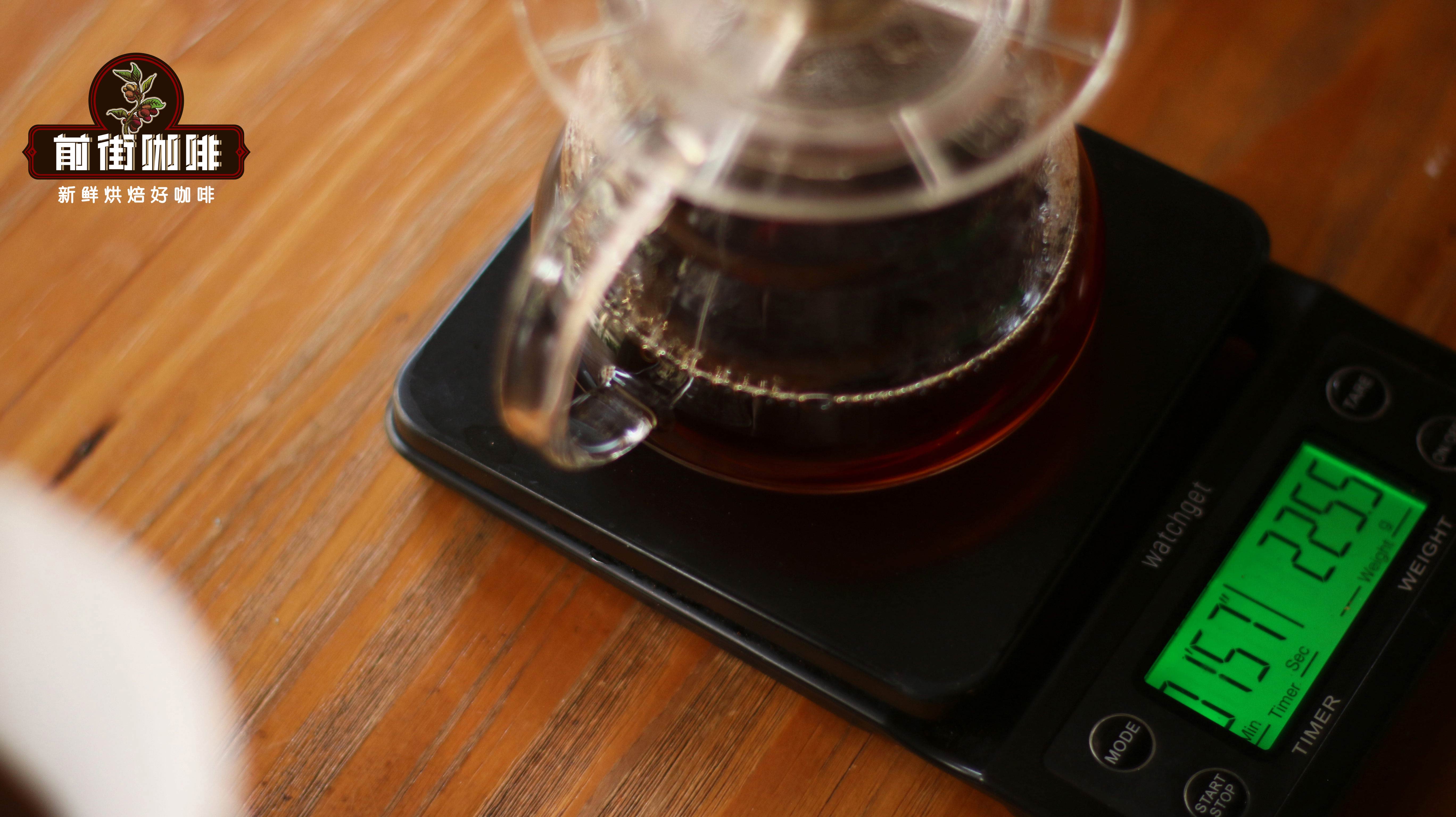
Sharing the Five Major Pour-Over Coffee Techniques | Does the Pouring Technique Affect Coffee Extraction? Flavor Comparison and Differences of Pour-Over Coffee Using the Three-Stage Volcano Pour Stirring Method
Compared to other single-origin coffees, pour-over coffee has a great many brewing methods. For example: one-pour, three-stage, volcano pour, variable-temperature brewing, stirring, and so on. Today let's get to know some of the brewing methods that commonly appear in pour-over coffee~ 1. One-pour The one-pour method and the single-pour method are still [more…]
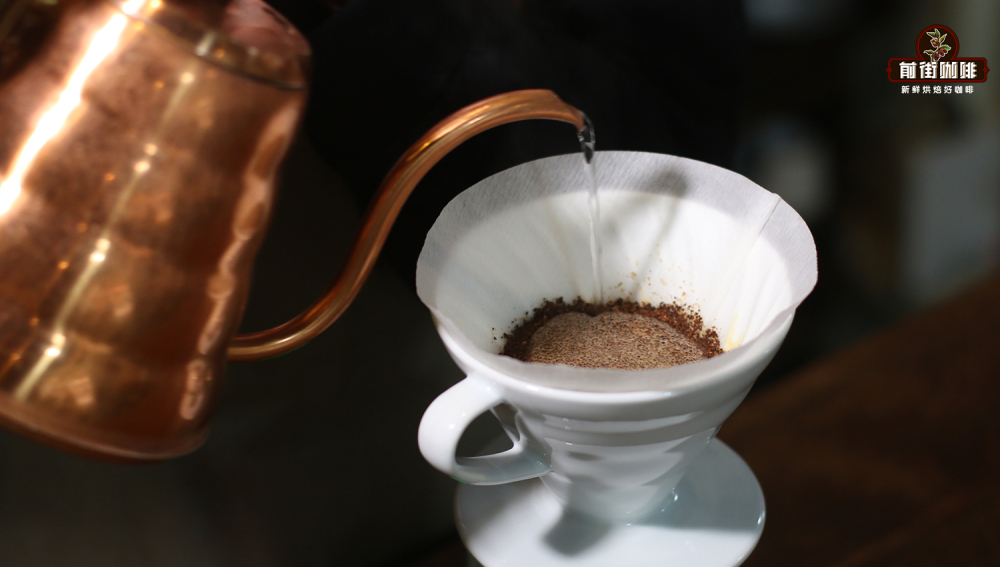
Single-Serve Pour-Over Coffee Method | What Is Gold Cup Extraction Yield? Which Brewing Technique Suits Coffee Beginners? Pros and Cons of the Drip Method, Volcano Pour, and One-Pour Technique
Front Street Coffee encounters customers asking about pour-over coffee every day, whether it's about what pouring technique should be used for pour-over coffee, or how much coffee grounds to use for pour-over coffee. In fact, with the development of coffee culture, more and more people no longer think of coffee as [more…]

Coffee Filter Cup | How to adjust the pour-over parameters when brewing different doses of coffee with a V60? How to make multi-serving pour-over coffee with a V60 #01 filter cup?
Introduction: The V60 #01 dripper is used to brew 1–2 servings of coffee, and using 15–20 g of grounds is the most suitable. Some friends, when they really can't drink that much alone, will brew a little less, while some friends, when sharing with others, will brew a little more. So when brewing with a dripper of the same size, [more…]
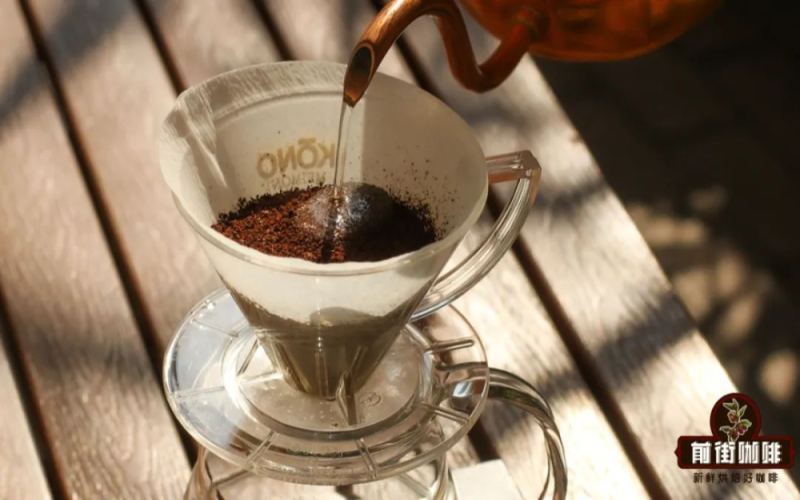
手冲咖啡闷蒸原理解析:为何要闷蒸、注水量与时间如何掌握
闷蒸是手冲咖啡正式注水前不可省略的预备环节,英文称作Bloom。许多爱好者习惯采用咖啡粉两倍水量、绕圈注入、等待30秒的做法,但这个公式背后的原理是什么?闷蒸不足或过久又会带来怎样的风味差异?本文将从二氧化碳排放、粉层吸水状态等角度,系统讲解闷蒸的目的、关键参数与判断方法,帮助你在不同烘焙度与新鲜度的豆子面前灵活调整,冲出一杯萃取均匀、香气饱满的手冲咖啡。 [more…]
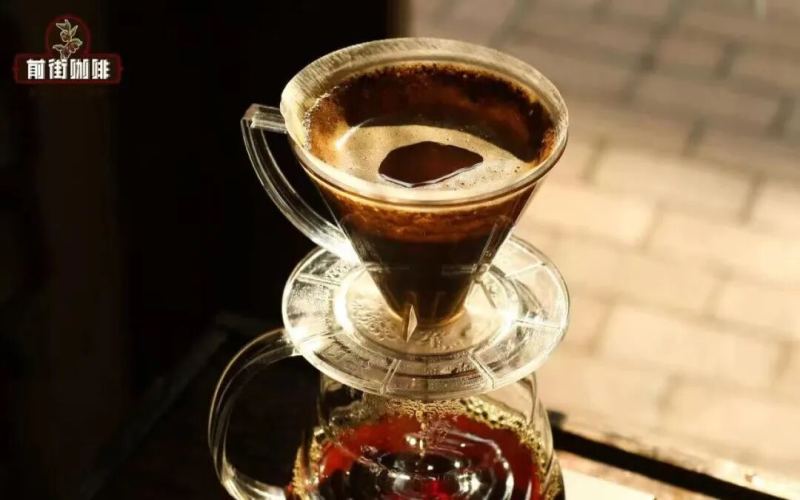
Coffee Brewing | What information is hidden in the coffee bed when making pour-over coffee? How can you judge the condition of single-origin pour-over beans from the coffee bed?
Yesterday a friend chatted with Front Street about a rather interesting phenomenon: he noticed that most people, when brewing coffee, even during the waiting intervals when they're not pouring water, still choose to fix their eyes intently on the changes in the dripper, as if trying to glean some information from the coffee bed. And you know what, there really is some truth [more…]
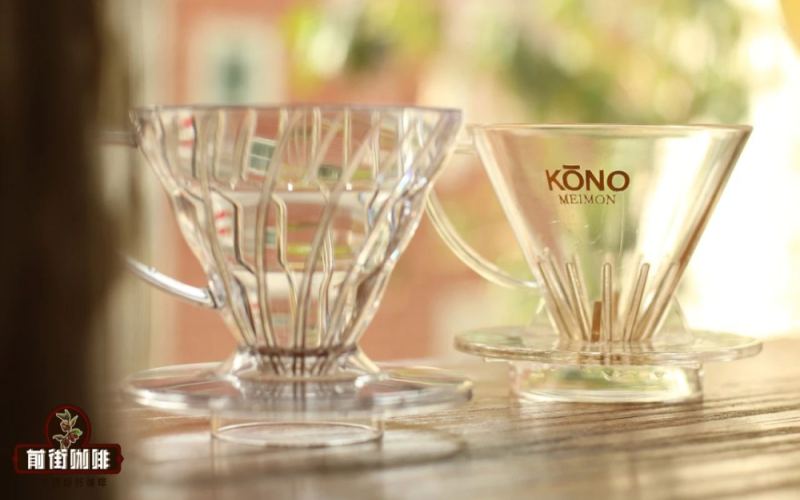
Pour-over Dripper Usage Tutorial | Which Coffee Beans Are Suitable for Brewing with the Kono Dripper? Introduction to the Kono Dripper's Extraction Principles and Coffee Flavors
The KONO dripper, like the Hario V60, is cone-shaped. The biggest difference lies in the height of the ribs. KONO has 12 ribs that are lower than those of the Hario V60, which helps with airflow during brewing and increases the efficiency of the bloom. When the KONO dripper is used together with its server, it's like [more…]