







Search Results for: Coffee Cherry Color
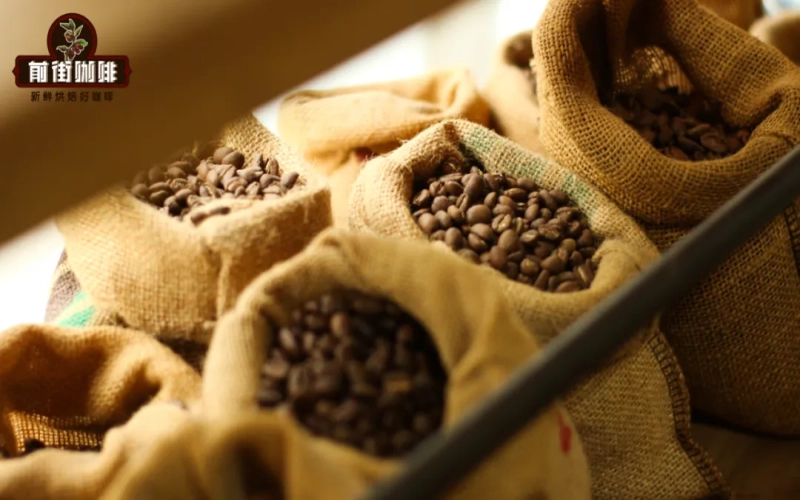
How Do Roast Levels Change Coffee Flavor? A Full Analysis of the Differences Between Light and Dark Roasted Beans and Their Energizing Effects
From light to dark roast, coffee beans may differ by only about 10°C in temperature, yet their flavors can be completely different. The degree of roasting not only affects the beans' color, size, density, and brittleness, but also reshapes aroma and taste through the Maillard reaction and caramelization. This article starts with roast classification, explains the SCAA color value standards and the flavor characteristics of light, medium, and dark roasts, and combines the specific performances of Front Street Yirgacheffe·Red Cherry and Front Street Warm Sun Blend to help readers understand how different roast levels affect the balance of acidity and bitterness, aroma complexity, and energizing effect. [more…]
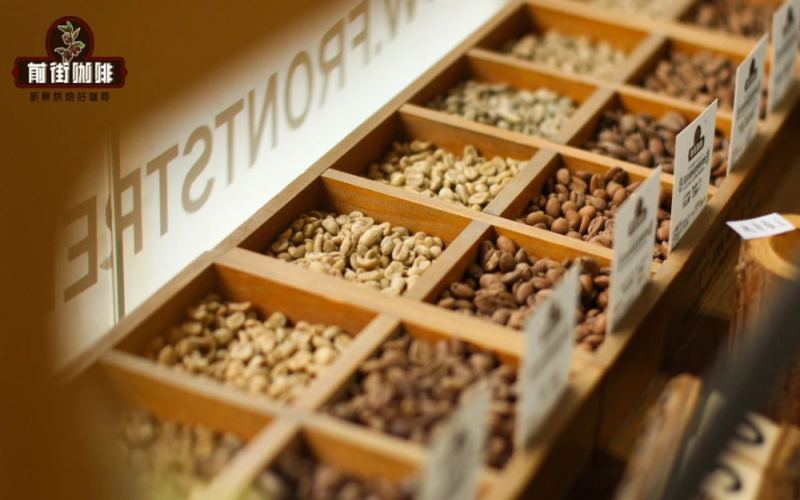
Yirgacheffe Kochere Region Natural vs. Washed Coffee Bean Flavor Differences and Analysis of the Red Cherry Project
The processing method of green coffee beans is one of the key stages that determines the direction of flavor. Even for coffees from the same Yirgacheffe region, the two processes of natural and washed give the beans completely different personalities. This article takes the Kochere region as its starting point and, combining two beans—Front Street Coffee Yirgacheffe Red Cherry Natural and Front Street Coffee Yirgacheffe Kochere Washed—systematically sorts out the differences between the two processing methods, from regional background, green bean appearance, and roasting curves to cupping and brewing performance. It also introduces the origin and operation of the Red Cherry Project, helping enthusiasts more clearly understand the impact of processing methods on flavor. [more…]

How to Accurately Describe the Flavor of Pour-Over Single-Origin Coffee and a Buying Guide
When drinking pour-over coffee, how can you accurately articulate the flavors you perceive? Starting from Front Street's tasting experience, this article explores methods for accumulating flavor memory. Drawing on the classification logic of the coffee flavor wheel, it uses fruit as an example to explain how aroma, acidity, and mouthfeel together build a judgment baseline. At the same time, through the case of cherry blossom-flavored foods, it illustrates the potential connections between flavor associations and color and season, helping you establish a systematic coffee flavor description framework and offering reference ideas for choosing the price of pour-over single-origin coffee beans. [more…]

How Do Washed and Natural Coffee Beans Differ? A Clear Explanation from Silver Skin and Color to Flavor
Faced with a dazzling array of coffee beans, how can you quickly tell whether they are sun-dried or washed? In fact, as long as you grasp the basic processes of the two processing methods, and then combine them with the color of green beans, the silver skin of roasted beans, and the performance in the cup, you can easily distinguish them. The sun-dried method has a long history and relies on natural drying, so sugars easily seep into the bean surface; the washed method uses water tank screening and soaking to give coffee a cleaner tone. This article will start from the processing steps and compare one by one the differences between sun-dried and washed in green beans, roasted beans, and flavor, and use Front Street Yirgacheffe Sun-Dried Red Cherry and Washed Gudingding as examples to provide specific brewing comparisons, helping you quickly establish a basis for judgment in daily tasting. [more…]
Yirgacheffe Kochere: How Washed and Natural Processing Shape Coffee Flavor Differences and the Award-Winning Background of the Red Cherry Project
Yirgacheffe is Ethiopia's most iconic specialty coffee region, and coffee beans from its sub-region Kochere present strikingly different flavor profiles depending on the processing method. This article takes Front Street Coffee's two beans—Natural Red Cherry and Washed Kochere—as its starting point, systematically reviewing the background of the Kochere region, the operational mechanism and quality standards of the Red Cherry program, and comparing them across four dimensions: green bean appearance, roasting curves, cupping performance, and Clever Cup brewing, to help coffee enthusiasts understand the practical impact of natural and washed processing on flavor direction, as well as the grading logic behind Yirgacheffe G1. [more…]
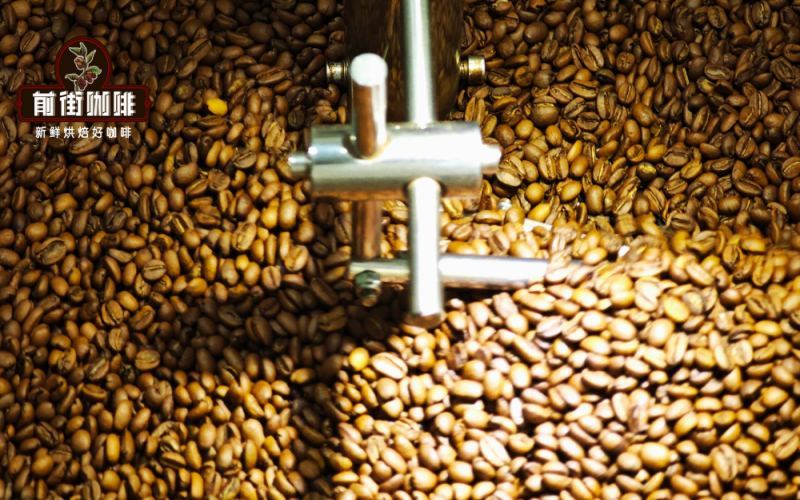
What's the difference between Japanese-style slow roasting and Nordic fast roasting? An in-depth analysis of the flavor differences in Yirgacheffe Worka Red Cherry roasting.
What are the essential differences between the two major schools of coffee roasting—Japanese-style slow roasting and Nordic-style fast roasting—in terms of technique and flavor expression? This article uses Front Street Volcán Red Cherry coffee beans (natural process) as a sample, and through a comparison of two actual roasting curves, breaks down each stage one by one, from charge temperature, heat and airflow adjustment, to the yellowing point and first crack development. Japanese-style slow roasting pursues a steady mouthfeel, pronounced caramelization, and high consistency, with a short resting period; Nordic-style fast roasting emphasizes lifted floral and fruity aromas and a tea-like entry, but places higher demands on green bean quality. The article also analyzes dimensions such as roasted bean appearance, ground coffee color differences, and cupping performance, leading you to a comprehensive understanding of how these two roasting philosophies shape the final flavor of coffee. [more…]
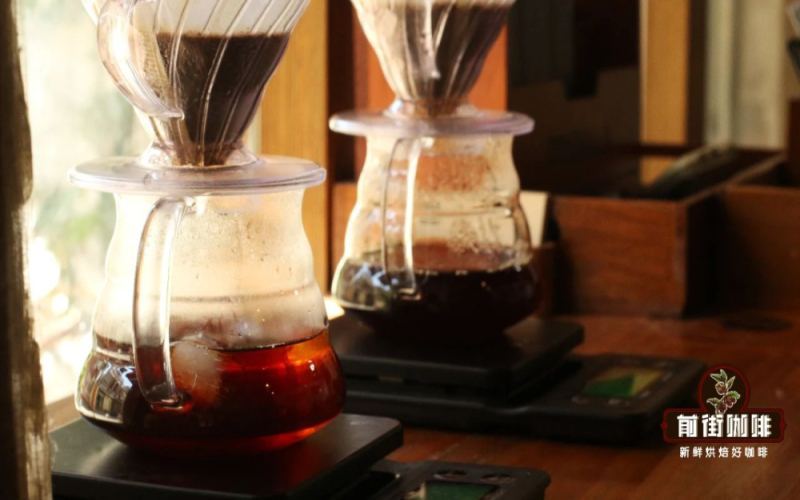
Yirgacheffe Red Cherry Project Coffee Flavor Analysis: A Complete Guide to Natural Processing and Comparison with Aricha
Yirgacheffe is hailed as the evergreen tree of the specialty coffee world, and the Red Cherry Project is even more synonymous with high-quality natural-process Ethiopian beans. This article will take you deep into the origins and operating mechanisms of the Red Cherry Project, analyze the essence of the natural processing method, and compare the similarities and differences between Front Street Coffee's Red Cherry Yirgacheffe and Natural Aricha—two G1-grade beans—in green bean appearance, roasting curves, and cupping flavors. It also includes Front Street Coffee's brewing parameters and technique suggestions to help you more fully understand the flavor directions and tasting points of these two coffees. [more…]

What Is Cascara Coffee Cherry Tea? A Complete Guide from Processing to Brewing Ratios and Strength Control
Besides the bean inside the coffee cherry that can release thousands of aromatic compounds after roasting, the peeled fruit skin can actually also be brewed and drunk. In Europe and America it is called Cascara, while in China it is often called coffee cherry tea. This article begins with the tissue structure of the fruit skin, the materials removed during green bean processing, and the old uses of the skin as fertilizer or waste, then traces back to the story of Salvadoran estate owner Aida Batlle, who accidentally discovered its sweet aroma after sun-drying and tried brewing it, explaining that Cascara in Spanish simply means skin and husk. It then introduces the production process of the skin, from peeling, sun-drying, and manually removing impurities to 4–5 days of drying and color-change monitoring, analyzes the flavor characteristics of the skin tea, which is almost only sweet, and provides Front Street Coffee’s practical reference for hot brewing at 94°C water temperature, 20g of skin with 400ml of water, and a 1:20 ratio, as well as key points such as cold brew and specialty drinks, and caffeine being only one quarter that of coffee. [more…]
Ethiopian Natural Yirgacheffe: An In-Depth Analysis of Red Cherry Selection, G1 Grade, and Flavor Profile
Sun-dried Yirgacheffe is renowned for its almost stringent red cherry harvesting and multi-layered manual sorting, resulting in a clean, refined quality and alluring fruity aromas. In the 2015 crop season, G1 sun-dried beans even surpassed the quality of G1 washed beans. This article provides a complete overview of its processing flow—from hand-picking cherries and sun-drying for about two weeks until moisture content drops to 12%, to hulling, density and bean color screening, and manual re-sorting. It also shares the brewing experience: prominent sweetness, with notes of citrus and jasmine, like a symphony of Harar, Yemen Mocha, and washed Yirgacheffe flavors. The article also reviews the regional transformation after the introduction of washing technology in 1972, as well as the wonderfully diverse and delightful taste profile under the pastoral coffee-growing environment. [more…]
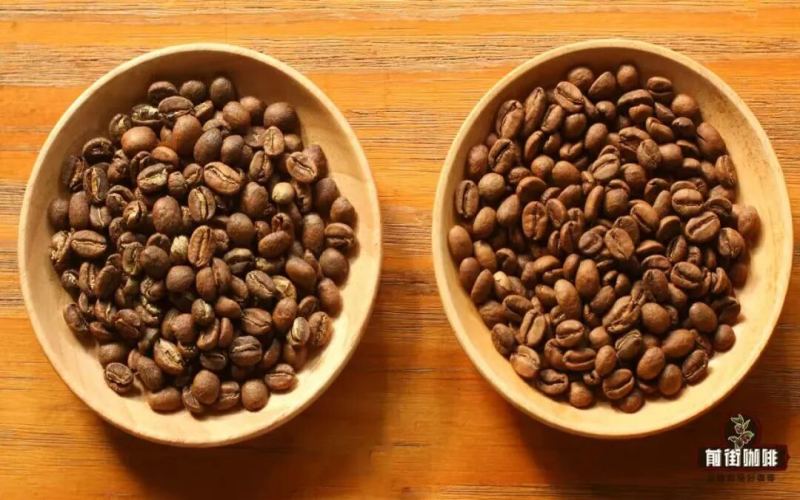
Coffee Bean Identification | What Are the Differences Between Washed and Natural Coffee? How Can Coffee Beginners Learn to Tell Natural Beans from Washed Beans?
If you often drink pour-over coffee, Front Street believes you've probably seen friends who can tell washed and natural processed coffee apart at a glance, or with a single sip. Because they distinguish them so quickly, many friends are amazed and wonder how on earth they do it. Just yesterday, [more…]
Practical Comparison of Japanese-Style Slow Roasting vs. Nordic-Style Fast Roasting: Roast Curves and Cupping Flavor Differences of Yirgacheffe Worka Red Cherry
The two major schools of coffee roasting—Japanese slow roasting and Nordic fast roasting—reflect fundamentally different philosophies of tasting: the Japanese value a rich, clean mouthfeel, while the Nordics prefer bright, elevated acidity and aroma. This time, Front Street Coffee selected the sun-dried Yirgacheffe Worka Red Cherry and, through two actual roasting curves, compares the differences between slow roasting and fast roasting one by one—from airflow and heat adjustment, the pace of temperature rise, to the appearance of the roasted beans and cupping performance. Slow roasting is like braising pork until tender, letting heat penetrate evenly; it results in a high degree of development, rounded sweetness, and a short resting period. Fast roasting emphasizes the efficiency of hot air and pursues bright floral and fruity aromas, but it demands stricter quality from the green beans. The article also introduces the origin background of the Worka cooperative and the division of labor at the Banko processing station, and, combining green bean grade, appearance consistency, and actual cupping results, sorts out the applicable scenarios and flavor orientations of the two roasting methods for coffee lovers' reference. [more…]
Ethiopia Sidamo Kebado Cooperative Coffee Flavor Analysis and Introduction to the Red Cherry Project
Kebado is a small coffee cooperative in the Dara region of Sidama Province, made up of hundreds of coffee farmers with an average farm size of only about 0.6 hectares, at an altitude approaching 2,000 meters. The significant day-night temperature difference and fertile soil here provide ideal conditions for coffee cultivation. The green beans naturally carry rich raisin and fermented wine aromas, with an elongated bean shape and a yellow-brown color, feeling dense in the hand. After roasting, whether light or dark, they display bright berry notes and a chocolate-like lingering finish. This article will take you deeper into Kebado's flavor characteristics and introduce how the Red Cherry Project led by the Dutch company Trabocca enhances coffee quality in remote areas of Ethiopia through technical assistance and quality control. Front Street Coffee recommends that you pay attention to the unique charm of this producing region. [more…]
The Origin of the Red Cherry Project and Yirgacheffe Red Cherry Coffee Beans: Natural and Washed Flavor, Medium-Light to Medium-Dark Roasting, and Brewing Guide
What exactly does the "Operation Cherry Red" that frequently appears on café menus mean? Many people mistakenly believe that Red Cherry coffee has a cherry flavor, but that is not the case. Operation Cherry Red is a quality improvement project initiated by the Dutch coffee trader Trabocca, encouraging small-scale farms in Ethiopia to carefully select fully ripe coffee cherries. The Yirgacheffe Natural Red Cherry supplied by Front Street Coffee comes from this project. This article will begin with the origins, operating mechanism, and producing region distribution of Operation Cherry Red, and then provide a detailed interpretation of the origin information, flavor characteristics, processing method, and suitable brewing parameters and techniques for medium-light roast and medium-dark roast of Front Street Natural Red Cherry, helping coffee enthusiasts gain a comprehensive understanding of this coffee. [more…]

Red Cherry Project Yirgacheffe vs. Regular Yirgacheffe: A Full Analysis of Green Bean, Roasting, Cupping, and Brewing Differences
Yirgacheffe is an evergreen in the specialty coffee world, and the Red Cherry Project is an important initiative for improving the quality of smallholder farms in Ethiopia. From the perspective of Front Street Coffee, this article systematically sorts out the specific differences between Red Cherry Project Yirgacheffe and regular Yirgacheffe (using sun-dried Aricha as an example) in green bean appearance, roasting curves, cupping performance, and brewed flavor. The article also introduces the background of the Red Cherry Project, the key points of the sun-dried processing method, and the drop temperature, brewing parameters, and flavor descriptions of Front Street Coffee's two G1-level beans, helping coffee enthusiasts more clearly understand the quality differences between the two. [more…]
Coffee Bean Roasting Principles | What's the Difference Between Dark Roast and Light Roast Coffee Beans? Can Single-Origin Beans Like Natural Red Cherry, Bird of Paradise Estate, Brazil Yellow Bourbon, and Mozart Be Used for SOE Coffee?
When Front Street Coffee baristas introduce coffee bean flavors to customers, they also share a lot of related knowledge about coffee beans. From a single coffee bean to the coffee we taste, it goes through picking, drying processing, hulling and sorting, roasting, and finally extraction—every step [more…]
Yirgacheffe SOE Flavor Analysis: The Espresso Interpretation of Single-Origin Beans and Processing Method Differences
Yirgacheffe is renowned in the pour-over world for its signature lemon, floral, and honey sweetness, but when this distinctive single-origin bean is used to make espresso, how do the flavors perform? This article focuses on Yirgacheffe SOE, outlining its roasting differences, suitable applications, and the impact of processing methods. Light-to-medium roasted Yirgacheffe is suitable for pour-over, cold brew, and similar methods, while medium-dark roasted beans are better suited for espresso and moka pot coffee. The article also recommends products such as Front Street Coffee Washed Gutingding, Front Street Coffee Natural Red Cherry, and Front Street Coffee Natural Red Cherry SOE to help you find the cup that suits you. [more…]
Ethiopia Yirgacheffe G1 Operation Cherry Red Aricha Pour-Over Guide: A Full Analysis from Terroir to Brewing Parameters
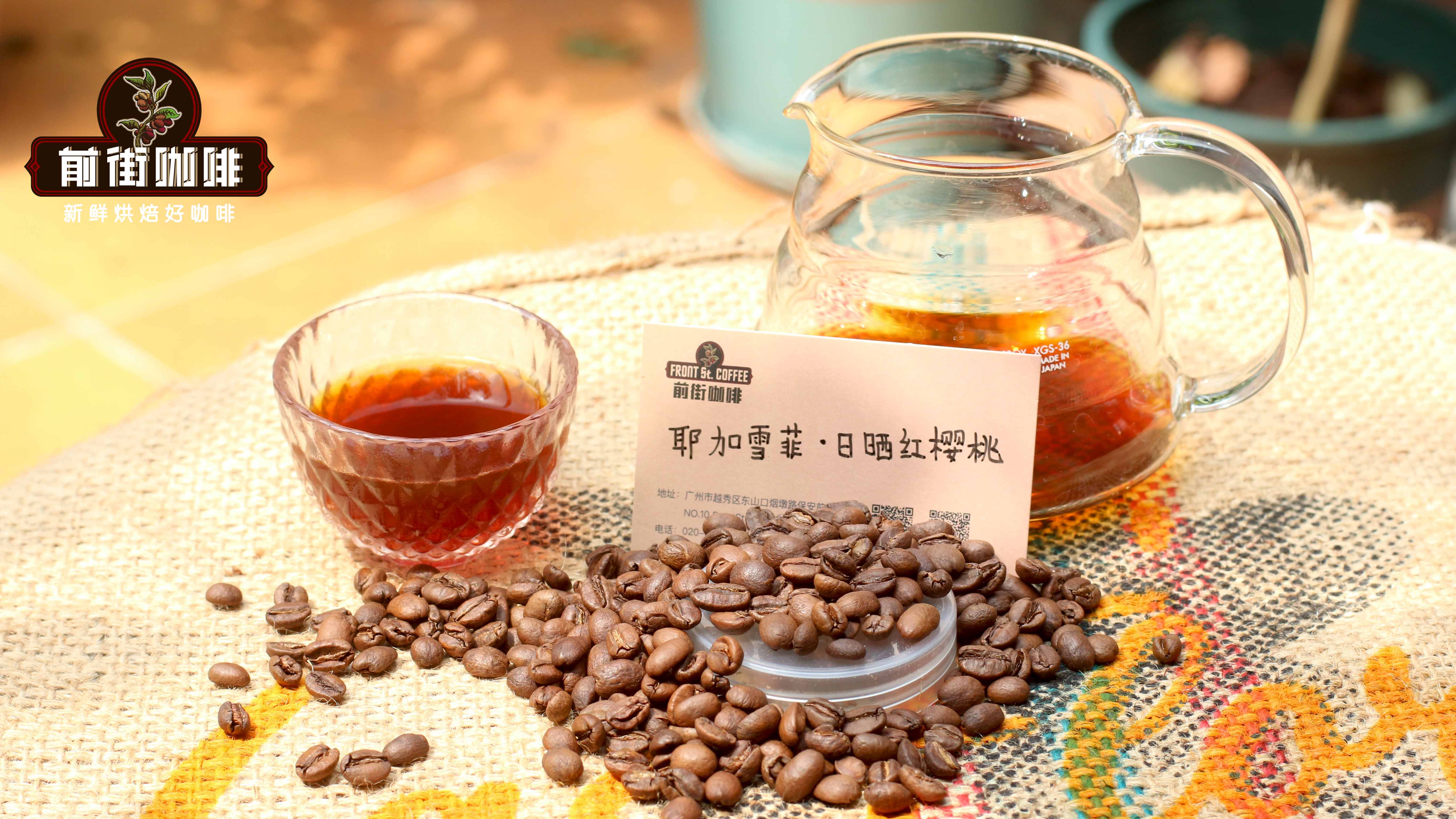
Yirgacheffe is the iconic producing region for specialty coffee in Ethiopia, and the Aricha Red Cherry Project is a representative natural-process standout within it. This article will systematically lay out the complete picture of this Front Street Coffee Yirgacheffe G1 Red Cherry, from regional geography, historical origins, and flavor characteristics to grading standards and roasting and brewing recommendations. You will learn how the Kebel Aricha processing station achieves a clean fruit profile through raised-bed sun drying, and why the G1 grade can overturn many people's preconceived notions about coffee. At the end of the article, detailed pour-over parameters are included to help you recreate at home a cupscape woven from berries and a light fermented wine aroma. [more…]
Yirgacheffe Natural vs. Washed: How to Choose? A Full Guide to G1 Grade Flavor, Mouthfeel, and the Red Cherry Project
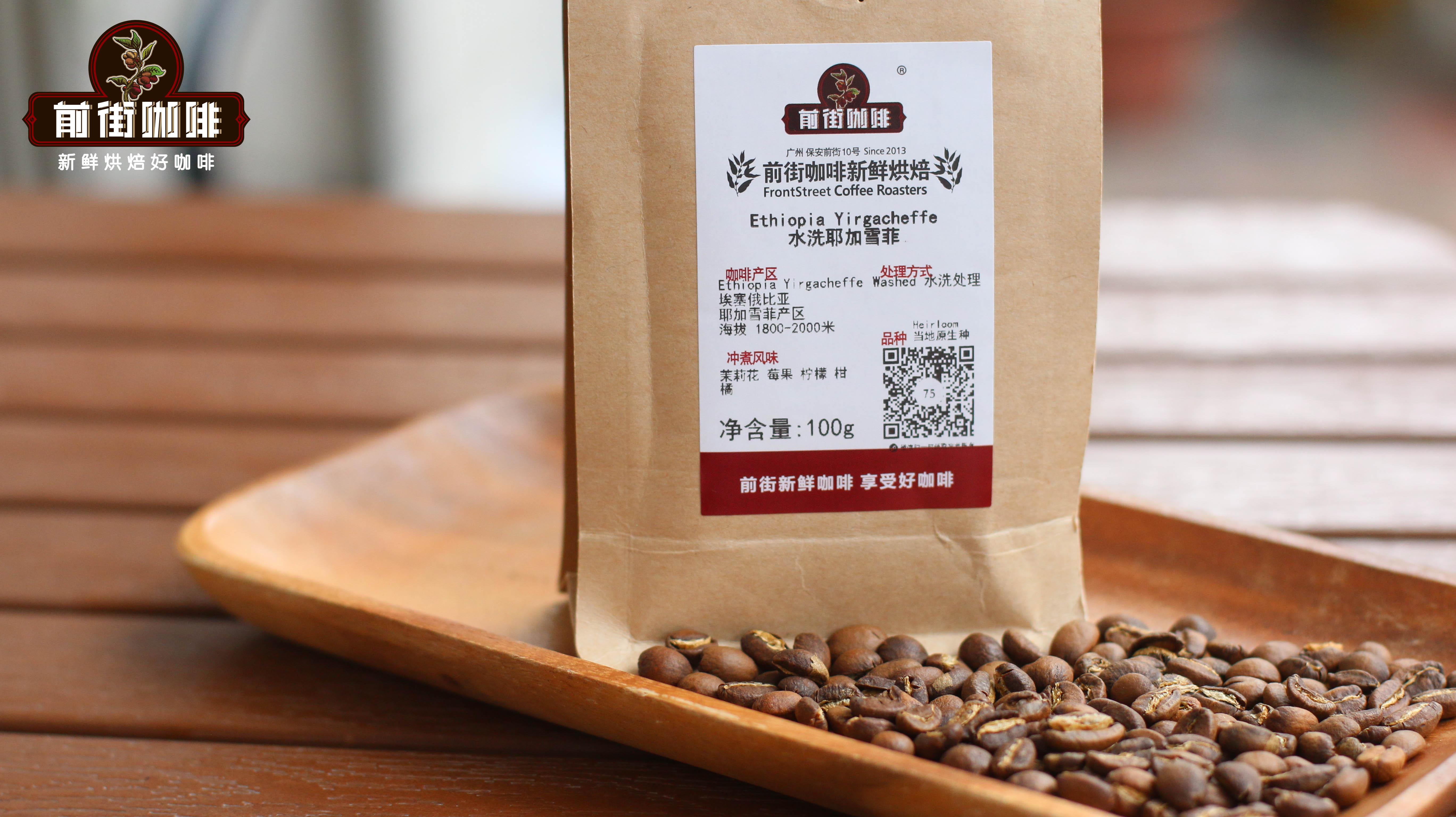
Yirgacheffe is one of Ethiopia's most renowned coffee regions, and its natural and washed processing methods present completely different flavor profiles. Starting from Front Street Coffee's bean list, this article outlines the regional background of Yirgacheffe, the washed processing technique of the Gedeb cooperative, and the story behind the Red Cherry Project, and compares the cupping performance and brewing parameters of two G1 beans—Front Street Yirgacheffe Red Cherry (natural) and Front Street Yirgacheffe Konga (natural)—to help coffee enthusiasts understand how to choose between natural and washed coffees based on their taste preferences. [more…]
An In-Depth Guide to Front Street Yirgacheffe Red Cherry Natural G1 Pour-Over Parameters and Flavor Profile
Yirgacheffe is Ethiopia's most iconic specialty coffee region, and the sun-dried G1 under the Red Cherry Project is the cream of the crop. This article provides a comprehensive analysis of the unique charm of Front Street Yirgacheffe Red Cherry coffee beans, covering everything from the region's geography, historical origins, processing methods, and grading standards to roasting recommendations and pour-over parameters. You will learn how the Kebel Aricha processing station uses refined sun-drying methods to create stunning fruity flavors, and how to use a V60 dripper to extract the alluring aroma of berries and lightly fermented red wine. Whether you are a beginner just getting into specialty coffee or a seasoned enthusiast in search of the ultimate flavor, this guide will help you better savor this sun-dried Yirgacheffe, hailed as the "King of Fruits." [more…]

Yirgacheffe's Two Processing Methods Explained: How Washed and Natural Shape Classic Flavors
Yirgacheffe, as Ethiopia's most renowned specialty coffee region, produces two dramatically different flavor profiles through its washed and natural processing methods. Washed processing brings bright acidity and white floral notes, while natural processing presents intense berry flavors and fermented sweetness. Front Street Coffee uses the Gotingding Cooperative's washed beans and the Red Cherry Project's natural beans as examples to explain in detail the process flow, quality control, and brewing performance of both processing methods, guiding you to a deeper understanding of the flavor logic behind Yirgacheffe's processing methods and the quality innovation significance of the Red Cherry Project. [more…]