







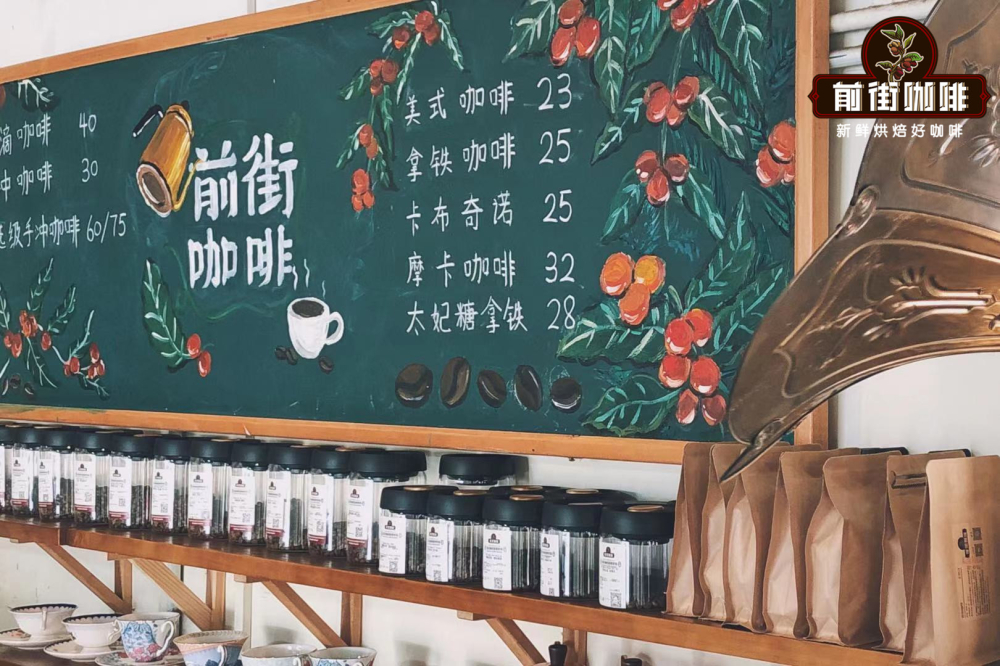
When Front Street Coffee baristas introduce coffee bean flavors to customers, they also share a lot of related knowledge about coffee beans. From a single coffee bean to the coffee we taste, it goes through picking, drying, hulling and sorting, roasting, and finally extraction, and each step more or less affects the flavor presentation of the coffee. Roast level is one of the issues many people care about most, so in this article Front Street will briefly discuss how much roast level affects coffee flavor.
The roasting principle of coffee beans
A coffee bean is composed of a large number of substances. Through high-temperature roasting, these substances undergo a series of chemical reactions to form various flavor compounds, and the proportion of flavor compounds directly affects the final taste of the coffee. Among the factors affecting the taste of a cup of coffee, green beans account for 60%, roasting 30%, and extraction 10%, so the importance of roasting is self-evident.
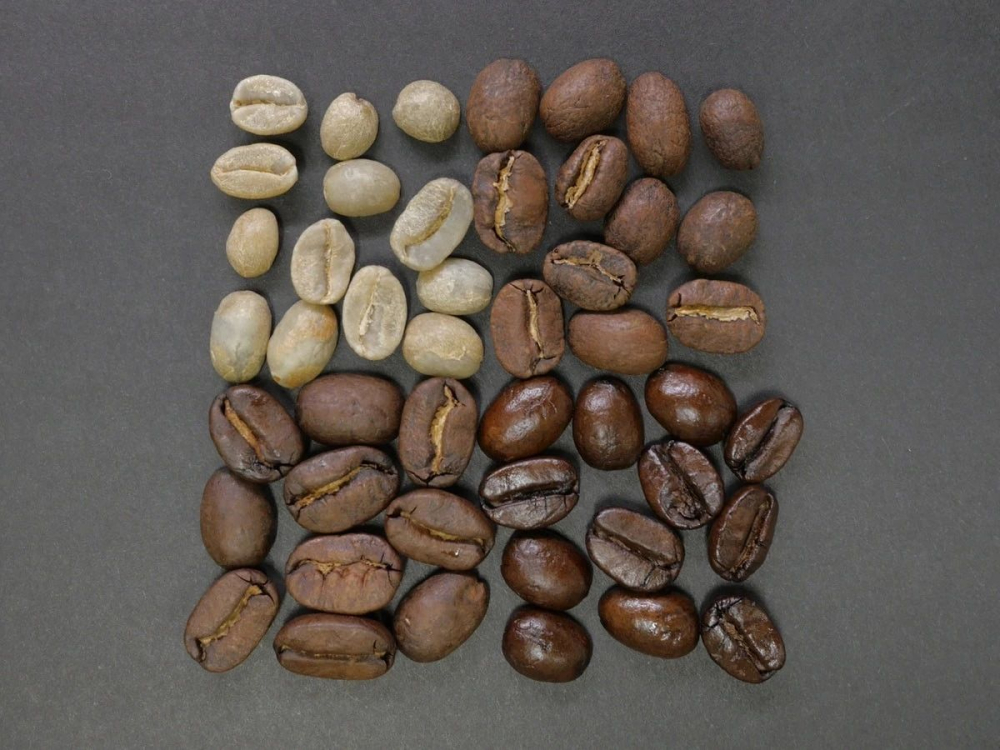
During the entire roasting process, the Maillard reaction and caramelization reaction are mainly produced. The Maillard reaction is key to affecting the flavor and color of coffee beans. Under high temperature, sugars and amino acids react to form hundreds of flavor compounds, bringing together the unique flavor of coffee beans. The caramelization reaction is when sugar substances undergo dehydration, degradation, and browning under high temperature, making the coffee beans darker in color and releasing aromatic and acidic compounds.
The formation of coffee bean aroma and the change in color are inseparable from the Maillard reaction and caramelization reaction. During roasting, three factors that determine the final flavor of coffee must be properly controlled: acidity, sweetness, and bitterness. Generally, the longer the total roasting time, the less acidity remains in the end. Conversely, bitterness becomes stronger with longer roasting time, and darker-roasted coffee becomes more bitter.
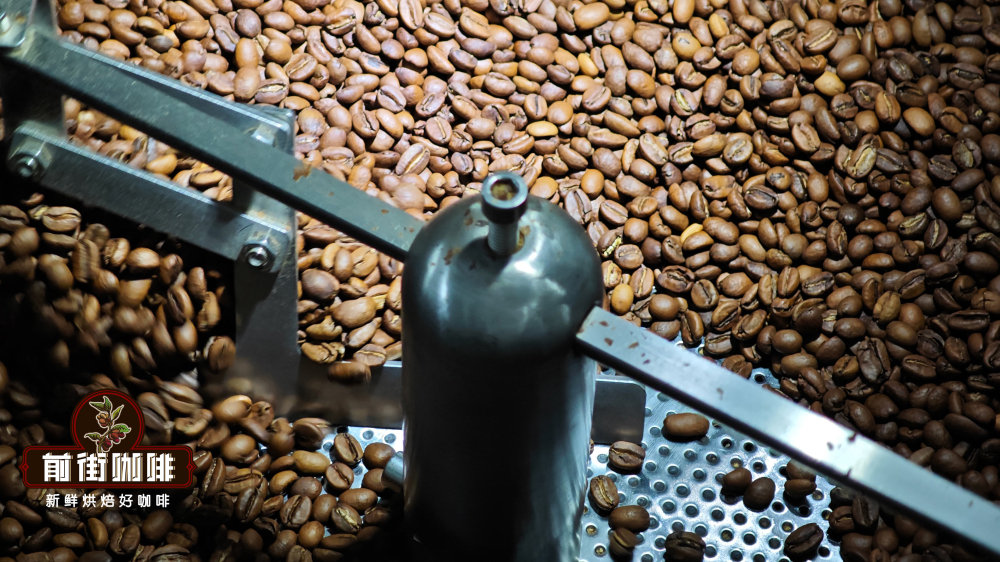
How roast level affects coffee flavor
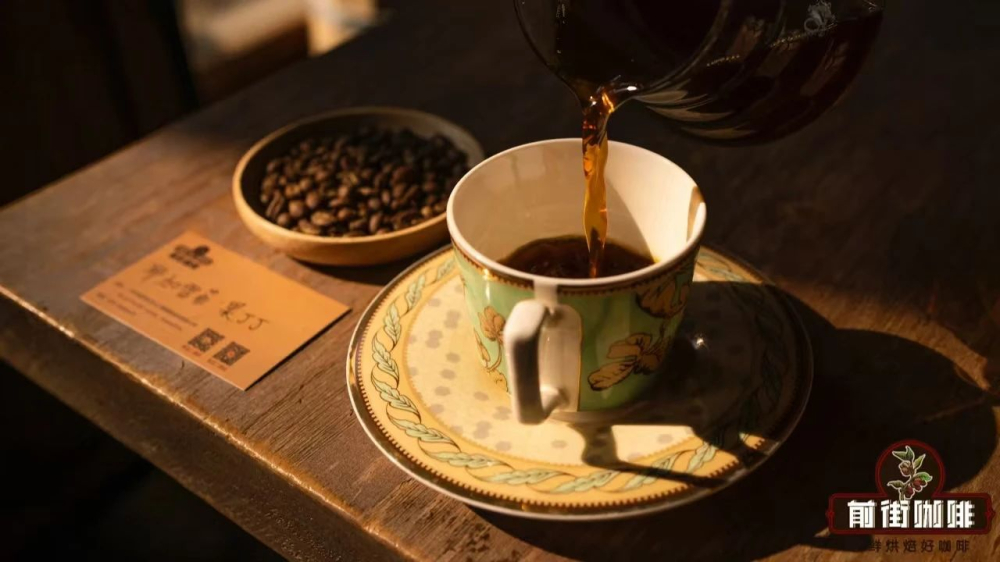
Traditionally, in order to highlight a rich and full-bodied coffee taste, roasters generally used dark roasting, which also made it less likely to taste defective flavors in the coffee. With the introduction of the concept of specialty coffee, people began to emphasize unique regional flavors and advocate coffee with a clean mouthfeel and obvious sweet-and-sour flavors, so light-roasted coffee gradually became popular. A darker roast level promotes more caramelization of substances, so if you want to retain more fruit acidity and floral aroma, a lighter roast level is used.
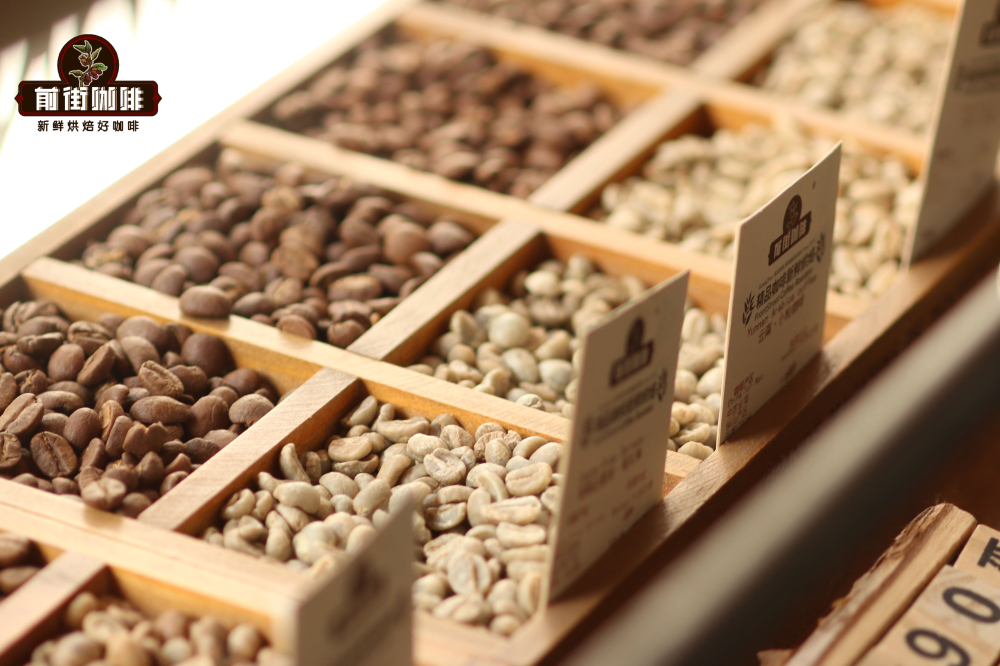
The roast levels of coffee beans commonly seen on the market can be roughly divided into three categories: light roast, medium roast, and dark roast.
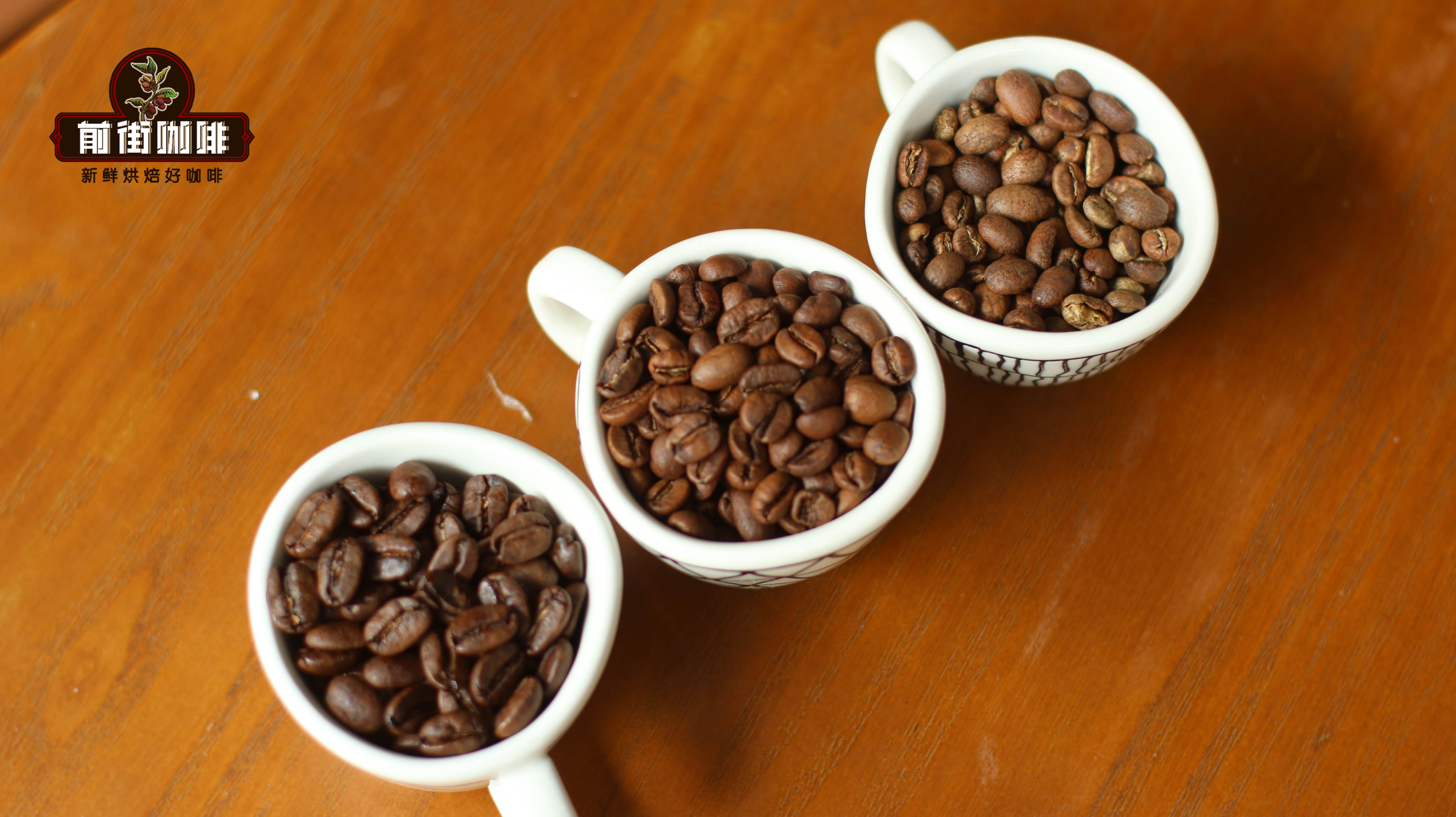
Light roast: rich fruity notes, with sweet-and-sour floral and fruity acidity, and a relatively strong acidity can be felt. For example, Front Street washed Yirgacheffe Gedeb Ding Cooperative coffee beans.
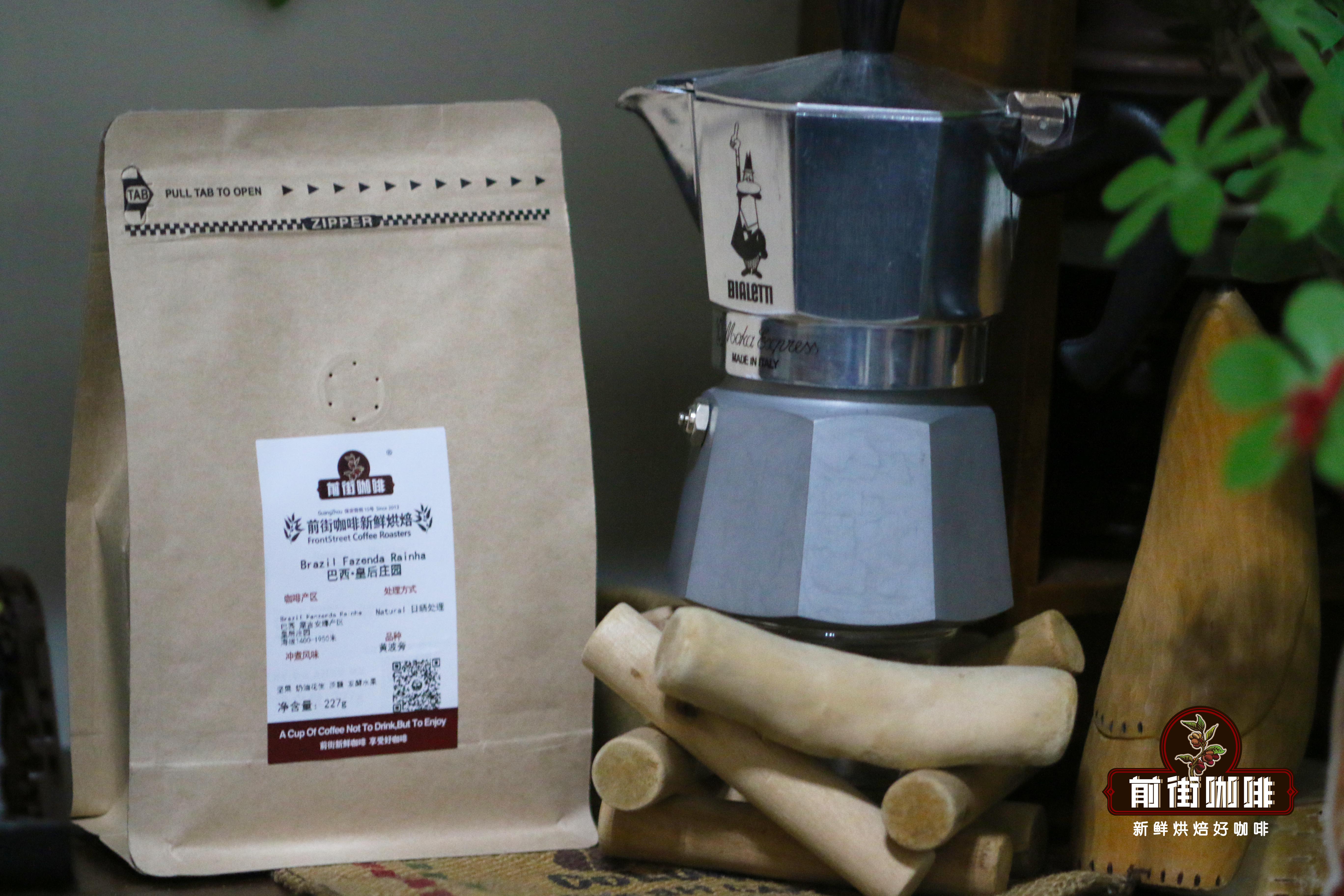
Medium roast: nutty notes, mainly caramel, cocoa, and malt aromas. For example, Front Street Brazil Queen Estate coffee beans.
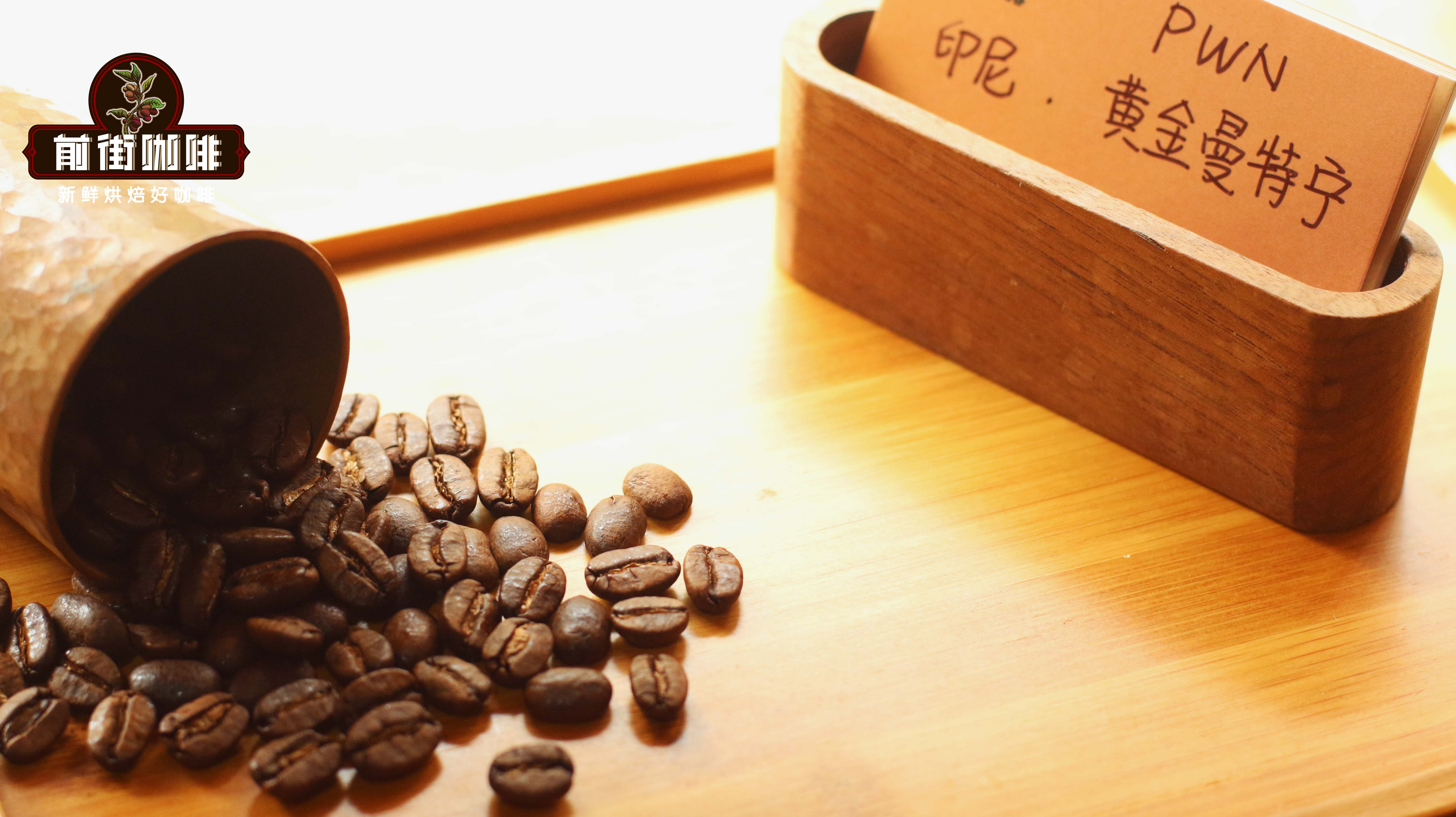
Dark roast: with a slight bitter note of chocolate, lower acidity, strong caramel aroma, and spicy, woody, and charred notes. For example, Front Street PWN Golden Mandheling coffee beans.
Many people here may think that sour coffee means light roast and bitter coffee means dark roast. However, from the perspective of people in the coffee industry, it is not that simple. The choice of roast level requires understanding the flavors of the coffee-producing region and presenting the unique taste of one's own roasting in order to become a competitive product in the market. As a seller, the roaster must not only find the roasting curve corresponding to a coffee, but also ensure that the quality of the coffee produced is consistently stable. Therefore, to roast coffee well, roasters need to be familiar with coffee bean characteristics and roasting principles, and also continuously accumulate experience, so that the complex aroma of coffee beans can be presented more perfectly.
SOEWhat roast level is suitable for choosing coffee
SOE stands for "Single Origin Espresso," an espresso made from single-origin coffee. The opposite is espresso blend.
When we use blended coffee beans to make espresso, coffee beans from different producing regions are mixed together. As the roast level deepens, the flavor and mouthfeel tend to become balanced and rounded, and it is also more conducive to extraction stability. In order to present the regional flavor characteristics of single-origin coffee (such as the floral and fruity aroma of Africa), roasters choose a lighter roast level to retain more acidity and floral aroma. These high-quality flavors that perform well in pour-over are instead amplified into various tastes under extraction by a pressurized espresso machine, easily making the espresso sharply sour and pungent.
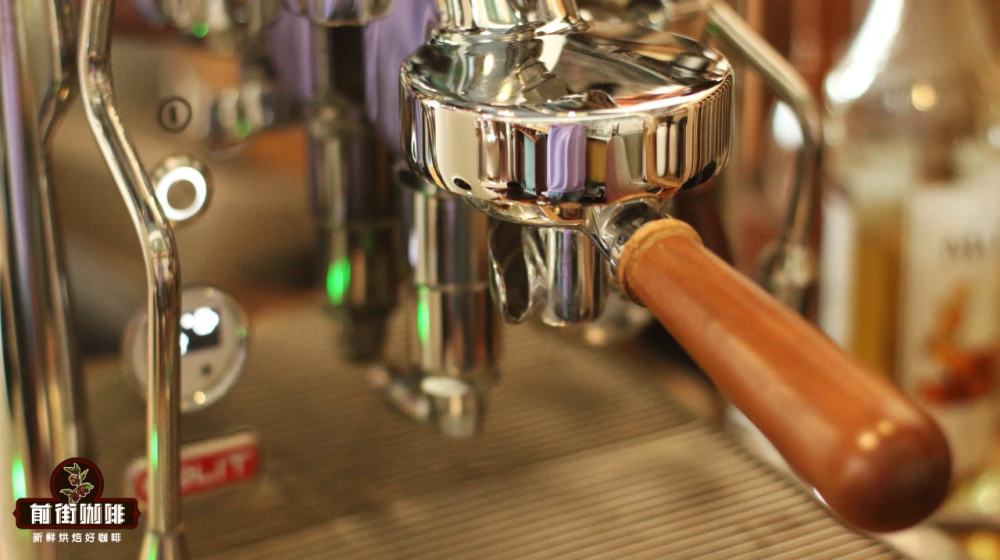
The roasting of all single-origin coffee must take into account presenting the unique regional flavor of the origin and the aroma of the coffee beans themselves, just as Yirgacheffe should have fresh and bright citrus and lemon acidity, and Blue Mountain coffee should have sweet dark chocolate and caramel aromas. Similarly, SOE must also express highly recognizable flavor characteristics of the origin, such as the floral and fruity aroma of Africa. Roasters will choose a lighter roast level to retain more acidity and floral aroma. These high-quality flavors that perform well in pour-over are instead amplified into various tastes under extraction by a pressurized espresso machine, easily making the espresso sharply sour and pungent. If dark roasting is used, the aroma cannot be brought out, and SOE becomes meaningless.
To present a SOE with a unique style, in addition to testing the roaster's skill, the barista in the extraction stage also needs to precisely control various parameters. The lighter the coffee beans, the harder they usually are. When the extraction strength is insufficient, the espresso will taste flat and bland, while over-extraction will make it strong and pungent. If you want to find the right extraction yield, you need to adjust various extraction parameters, such as extraction time, water temperature, grind size, dose, beverage weight, and so on. Now everyone understands why it is said that SOE is not that simple, right?
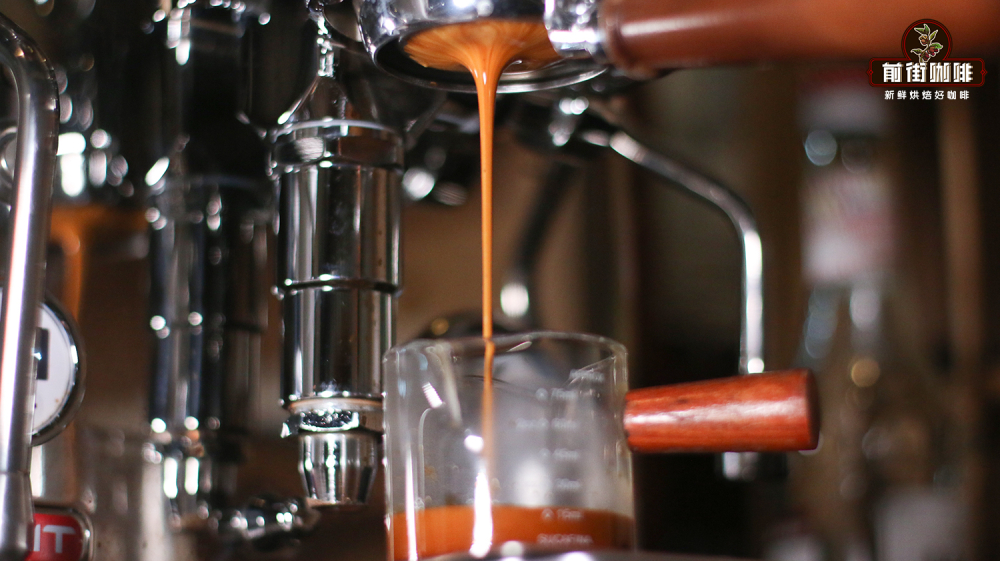
SuitableSOERecommended single-origin coffee beans for making
Light roast and dark roast easily present unpleasant pungent mouthfeels in espresso extraction. Front Street suggests choosing some medium-roast coffee beans with flavors that are easier to present for making it. This can not only enrich the taste of the coffee in our cup, but also be more conducive to extraction stability. Here Front Street recommends four flavor types for everyone's reference:
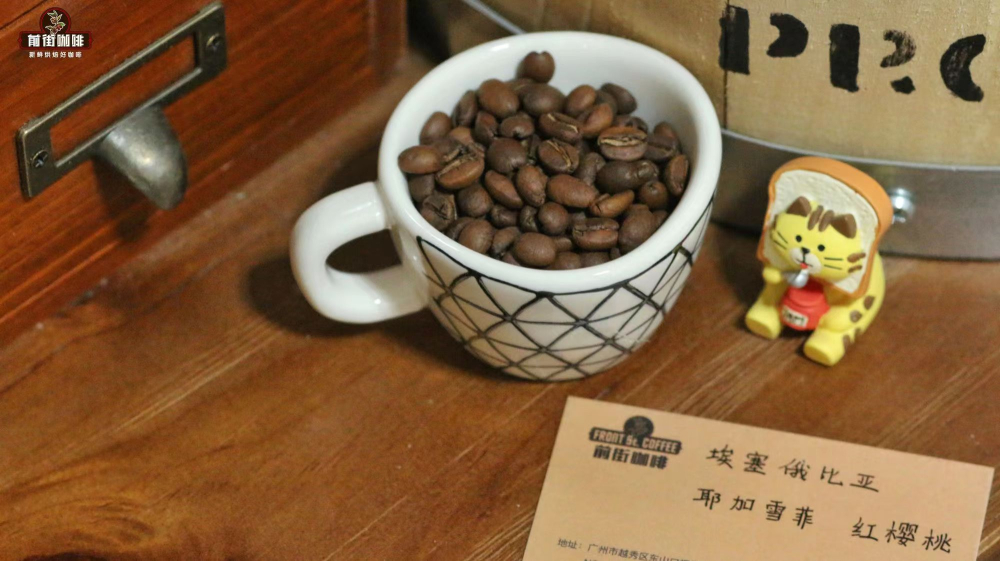
Tropical fruit, refreshing sweet-and-sour sun-dried Red Cherry coffee beans
This Front Street sun-dried Yirgacheffe coffee bean was originally used for pour-over drip brewing. Coffee cherries at just the right ripeness retain complete pulp and are dried under sunlight. The core absorbs a large amount of sugar from the pulp, and the coffee shows very high sweetness and a strong fruity aroma. When Front Street uses it to extract espresso (grind size needs to be adjusted), the crema on the surface is delicate, the color tends toward pale yellow, and it smells of sweet berries. The sweet-and-sour berries and caramel give a clean mouthfeel. Adding steamed hot milk will present the sweetness of honey.
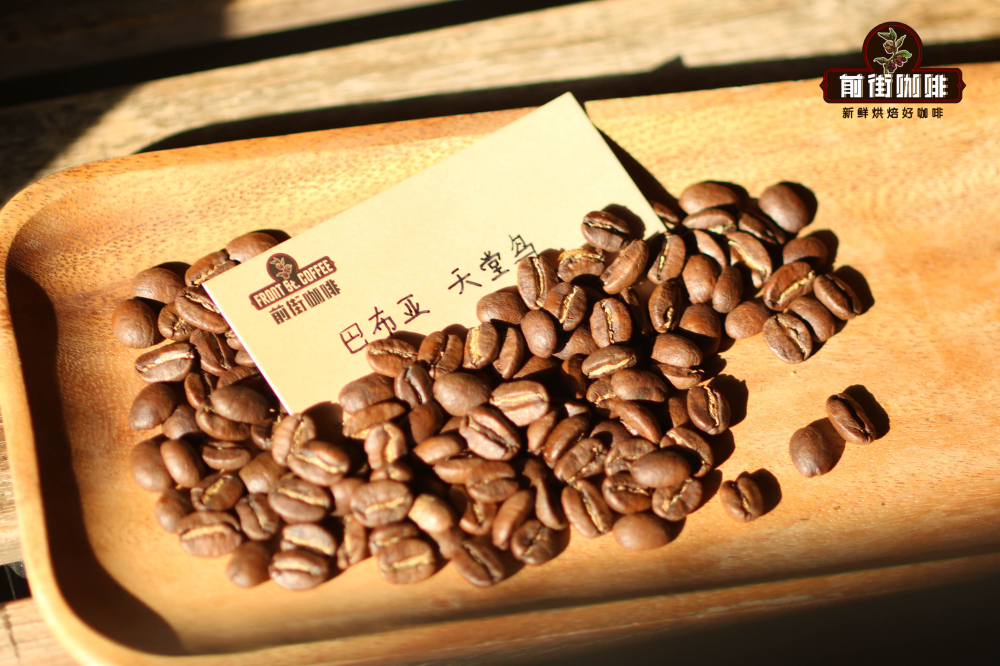
Hazelnut and sugarcane sweet Papua Bird of Paradise coffee beans
This washed Bird of Paradise coffee is known as "Little Blue Mountain." The superior geographical conditions of Papua nurture coffee with a full aroma. When brewed as pour-over, Bird of Paradise presents the sweetness of toasted bread, nutty sweetness, and a spicy finish, with a rich and balanced mouthfeel. Made into SOE, it presents aromas of roasted hazelnut and chocolate, and the fresh sweetness of melon and sugarcane.
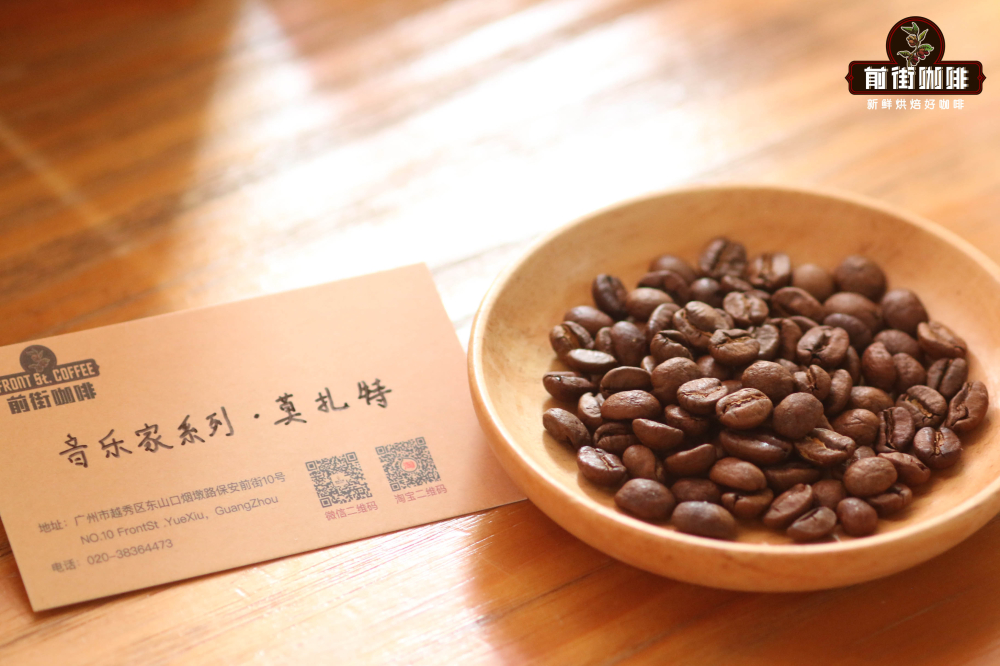
Rich fermented fruity aroma Costa Rica Mozart coffee beans
Raisin honey processing is a method that retains 100% of the coffee's pectin and uses zero water. Ripe and plump fruits retain the pectin layer before drying for sealed fermentation, maximizing the sweetness of the coffee beans. When brewed as pour-over, this Front Street coffee bean presents rich rose aroma, raisins, and the high sweetness of white wine. Extracted as SOE, it shows thick tropical fruit and fermented flavor notes.
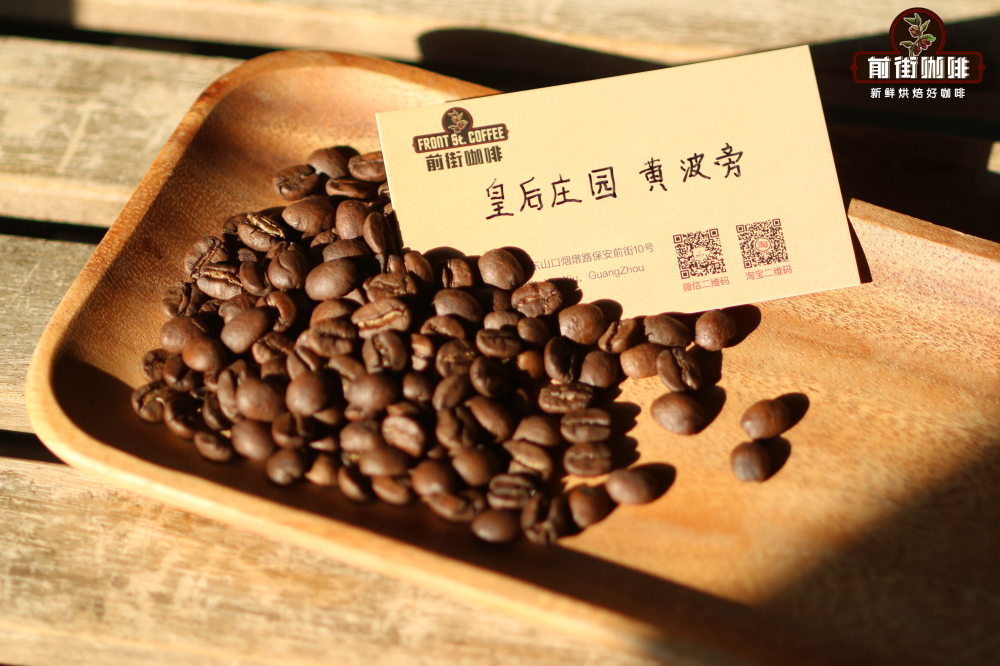
Chocolate, cream, and peanut Brazil Queen Estate Yellow Bourbon coffee beans
If none of the above are the flavor types you like, you might as well take a look at this Queen Estate coffee bean from Brazil, a major coffee country. The medium-dark roast level gives the coffee a thick aroma of nuts, cream, and peanuts, with a finish of amply sweet chocolate. The extracted SOE has a beautiful rich crema, and it is also full of aroma when made into milk coffee.
Professional coffee knowledge exchange More coffee bean information Please follow Coffee Workshop (WeChat public accountcafe_style )
For more specialty coffee beans, please add the private WeChat Front Street Coffee (FrontStreet Coffee), WeChat ID:qjcoffeex
The above content is compiled by CoffeeHunters, a coffee news website.

