







What makes Yirgacheffe coffee processing so distinctive?
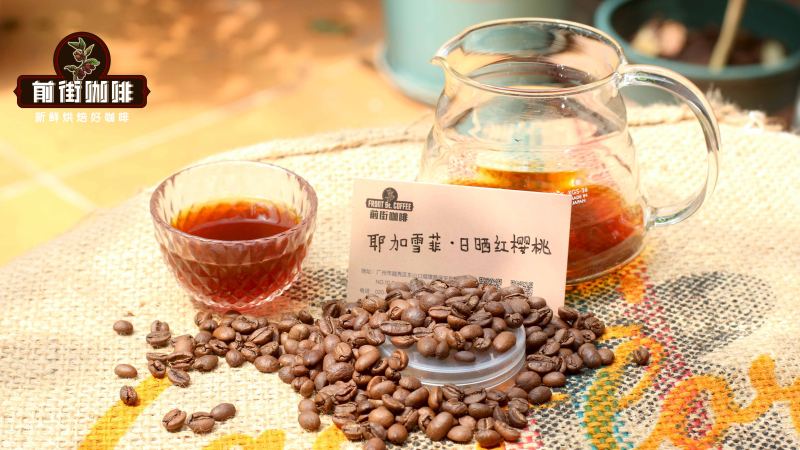
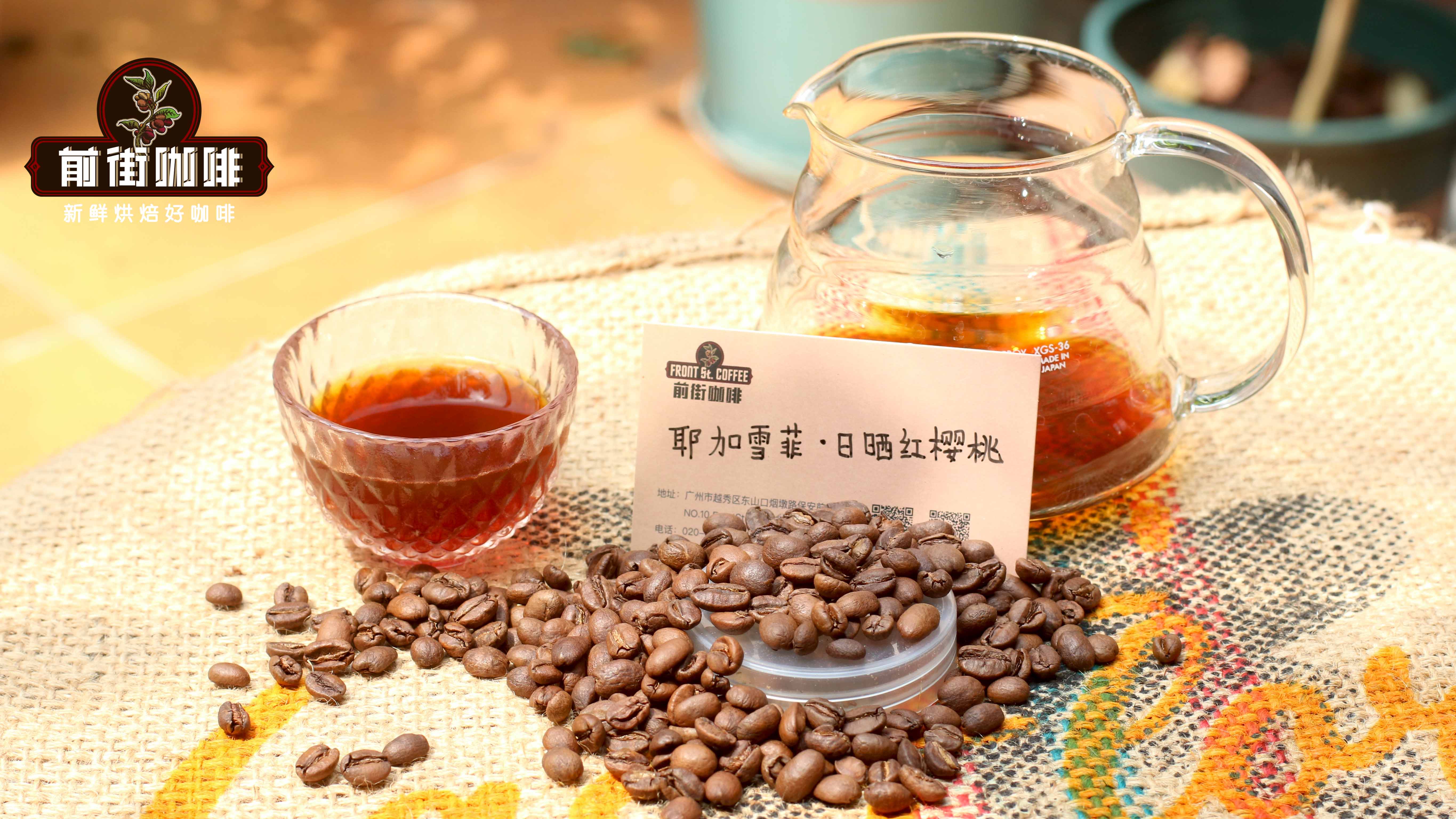
Yirgacheffe G1 Red Cherry Aricha is a natural-processed Ethiopian coffee from the Kebel Aricha station, dried on raised beds to keep the fruit profile clean. Expect light fermented wine aroma, sweet orange, spice and honey sweetness. The town sits at 1,700 to 2,100 meters, one of the highest coffee-growing areas, and the G1 grade reflects strict sorting of ripe red cherries.
Coffee processing here relies on raised-bed natural drying rather than washed methods, which is why the cup shows berry notes alongside a gentle fermented character. Thousands of coffee trees grow in the rift valley around Misty Valley, where fog and cool, humid air shape the region's floral and fruity terroir. A pour-over with moderate temperature and a steady pour helps reproduce that cup at home.
Yirgacheffe is a signature region for Ethiopian specialty coffee, and the Red Cherry Project Aricha is a representative example of its natural processing. This article will systematically outline the complete profile of this Front Street Yirgacheffe G1 Red Cherry, from the region's geography, historical origins, flavor characteristics, and grading standards to roasting and brewing recommendations. You will learn how the Kebel Aricha processing station achieves a clean fruit profile through raised-bed natural drying, and why the G1 grade can overturn many people's preconceptions about coffee. At the end of the article, detailed pour-over parameters are included to help you recreate in your own home a cup interwoven with berry notes and a light fermented wine aroma.
Ethiopia — Front Street Yirgacheffe G1 Red Cherry Project
A Unique Geographical Environment
Yirga cheffe is a small town in Ethiopia, at an altitude of 1,700-2,100 meters. It is one of the highest coffee-producing regions in the world and also the synonym for Ethiopian specialty coffee. Lake Turkana, Lake Abaya, and Lake Chamo bring abundant moisture to this area. In the rift valley represented by the Misty Valley, fog lingers all year round, with spring-like weather in all four seasons, gentle breezes, and a cool, humid climate. Thousands of coffee trees thrive and multiply here, nurturing Yirgacheffe's unique terroir with its elusive interweaving of floral and fruity aromas.
Ethiopian Yirgacheffe Aricha G1
Front Street Yirgacheffe Natural Red Cherry G1
[Country]: Ethiopia
[Grade]: G1
[Region]: Yirgacheffe Gediyo
[Altitude]: 1,900-2,100 meters
[Processing Method]: Natural
[Variety]: Heirloom
[Producer]: Kebel Aricha
[Flavor]: Light fermented wine aroma, sweet orange, spice, honey sweetness
The Historical Origins of Yirgacheffe
In the earliest days, Yirgacheffe's coffee trees were planted by European monastic scholars (similar to the practice of Belgian monks growing wheat to brew beer), and only later were they handed over to farmers or cooperatives to manage. Coffee trees were scattered randomly in forests, fields, and backyards. Every harvest season, Ethiopian coffee trading companies would go to the town to buy coffee beans from farmers, and ultimately auction and export them under the brand "Yirgacheffe."
The Flavor of Yirgacheffe
Although Yirgacheffe beans are on the smaller side, they are known for their gentle, elegant, sweet, and lovely character. They exude an extremely complex aroma, and their mouthfeel is also quite outstanding, making them difficult to sum up in just a few words. Broadly speaking, Yirgacheffe's dry aroma carries intense fruity notes, with a rich dried-fruit character, and you can sense the aromas of strawberry, mango, and apricot jam. The wet aroma is like sweet syrup, similar to viscous apricot nectar wrapped in rustic honey or chocolate. On the palate it is not intense, with medium body and not particularly pronounced acidity, yet it is lively and bright, like fruity black tea. The phrase "coffee enters the mouth, a hundred flowers bloom" describes it most aptly.
In the Yirgacheffe region, there are many high-quality coffee processing stations, and quite a few coffees have seen their value multiply because they came from these stations. The natural Yirgacheffe produced by Kebel Aricha Mill is one of them. This coffee is what we commonly call ARICHA beans. After being processed by the Kebel Aricha processing station using the refined natural method, it is classified by the ECX as Gr.1 or G1 (the highest grade for Ethiopian coffee), and is hailed as the "King of Fruits."
After the processing station screens the usable coffee cherries, the coffee cherries with the entire pulp and skin kept intact are placed on raised beds for natural drying. It is precisely this raised-bed drying method, which requires intensive manual labor, that isolates the cherries from contact with the ground, prevents the musty, earthy off-flavors that can arise during natural drying, and creates an exceptionally clean fruit flavor. After more than two weeks of natural drying, the dark brown coffee fruits are professionally stored and left to mature in flavor. Only before shipment does the processing station remove the coffee beans from the coffee cherries, so the sweetness can be imagined.
The Grading of Yirgacheffe
According to different green coffee processing methods, Yirgacheffe can be divided into two major categories:
Category A is the washed processing method, with grade standards set by the Specialty Coffee Association of America, SCAA, divided into Gr-1 and Gr-2. The smaller the Arabic numeral, the higher the grade. G1 Yirgacheffe has a distinctive style, and the flavor of citrus and floral notes fused into the coffee liquid is a taste no one can resist. If you want to taste the highest-grade Yirgacheffe G1, buy Front Street Washed Gudingding, which is suitable for beginners to quickly identify the flavor of a refined single-origin coffee.
Category B is green coffee processed by the natural method, with grades divided into Gr-1, Gr-3, Gr-4, and Gr-5. Likewise, the highest grade is G1. Front Street Natural G1 Yirgacheffe is rich in fruity aroma. Opening a bag of freshly roasted G1 natural Yirgacheffe can overturn everyone's original understanding of coffee. Only those who have tasted the highest-grade natural Yirgacheffe will believe that coffee is a fruit.
Yirgacheffe Aricha Grade 1 green beans are yellow-green in color, the typical color of natural coffee, with uniform, plump beans and few defects. They are exported in ordinary jute bags printed with basic coffee information (processing station, exporter, ICO code, processing method, region). Inside the jute bag is a plastic bag for agricultural products. This coffee best expresses its characteristics when roasted slowly at a light roast level.
The Best Roasting and Brewing Methods
The brilliantly flavored Front Street Natural Red Cherry is of course suited to highlighting its floral and fruity notes, so a light or medium roast is recommended. As for the brewing method, pour-over and siphon are best. When grinding the beans, you can already smell the striking natural fruity aroma, with obvious sweetness.
Round and sweet, with rich floral and fruity aromas, a prominent sweet aftertaste, and relatively weak acidity, presenting an overall soft and clean character.
The wet aroma of the brewed coffee, with ripe berry fermented fruit wine notes, makes it hard to believe this is Yirgacheffe, though personally I am not very fond of this wet aroma. However, from the extremely smooth entry to the delicate body, the surge of ripe fruit sweetness is truly stunning, with sweetness exceeding any Yirgacheffe I had tasted before. The aftertaste is also quite good, truly worthy of the name "fruit bomb." After drinking it, you can basically be assured that sweetness will remain in your mouth for half an hour.
[Pour-Over Tutorial] Front Street Yirgacheffe Red Cherry, 15 g coffee, medium-fine grind (granulated sugar size), V60 dripper, 90°C-91°C water temperature. First pour 30 g of water and bloom for 30 seconds, then pour to 105 g of water, pause at 135 g, wait until the water level in the coffee bed drops to half before pouring again, and pour slowly and evenly until reaching 225 g of water. Finally, you can swirl the dripper to increase extraction. Water-to-coffee ratio 1:15, extraction time 2:00. Flavor: berries, light fermented red wine notes.
The above content is compiled by CoffeeHunters, a coffee news website.


