







Search Results for: Coffee Brewing Water
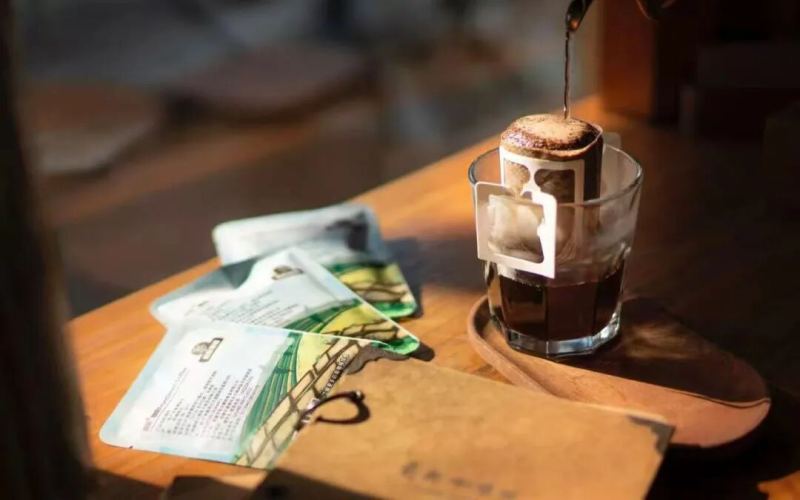
Drip Bag Coffee | What Are the Ideal Water Temperature, Water Amount, and Brewing Time for Brewing Drip Bag Coffee? How Can You Brew Drip Bag Coffee to Taste as Good as Hand-Brewed Coffee?
If we don't want to go through overly complicated coffee-making steps but still want to enjoy the taste of freshly brewed coffee, then drip bag coffee is definitely the most suitable choice. Making drip bag coffee is very simple—no need to grind beans, no need for professional brewing equipment. All we need is a cup and any pouring kettle, and we can [more…]
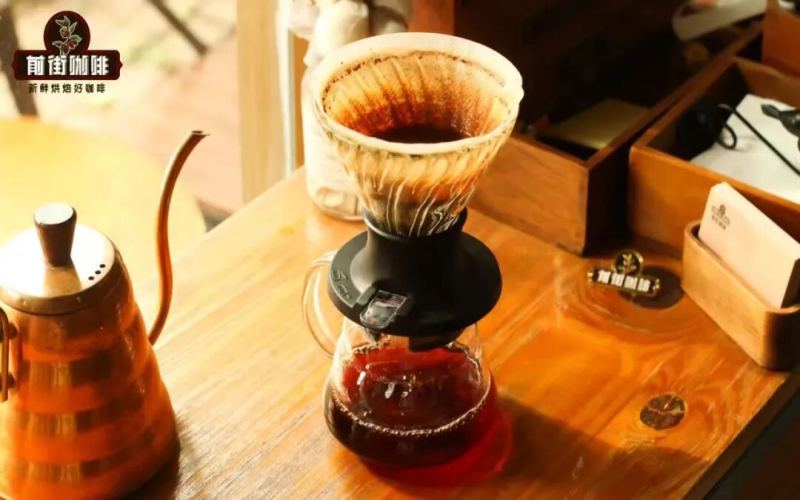
Pour-Over Coffee Brewing | What Is World Champion Tetsu Kasuya's Hybrid Brewing Method? How Can Coffee Beginners Use the Hybrid Brewing Method to Make Pour-Over Coffee?
"Absolutely delicious!" That's how Mr. Tetsu Kasuya introduced the coffee brewed with his improved hybrid brewing method at the beginning of one of his earlier videos. (Call me the screenshot master.) Front Street believes everyone is already familiar with Tetsu Kasuya. He is not only the champion of the 2016 World Brewers Cup, but also [more…]
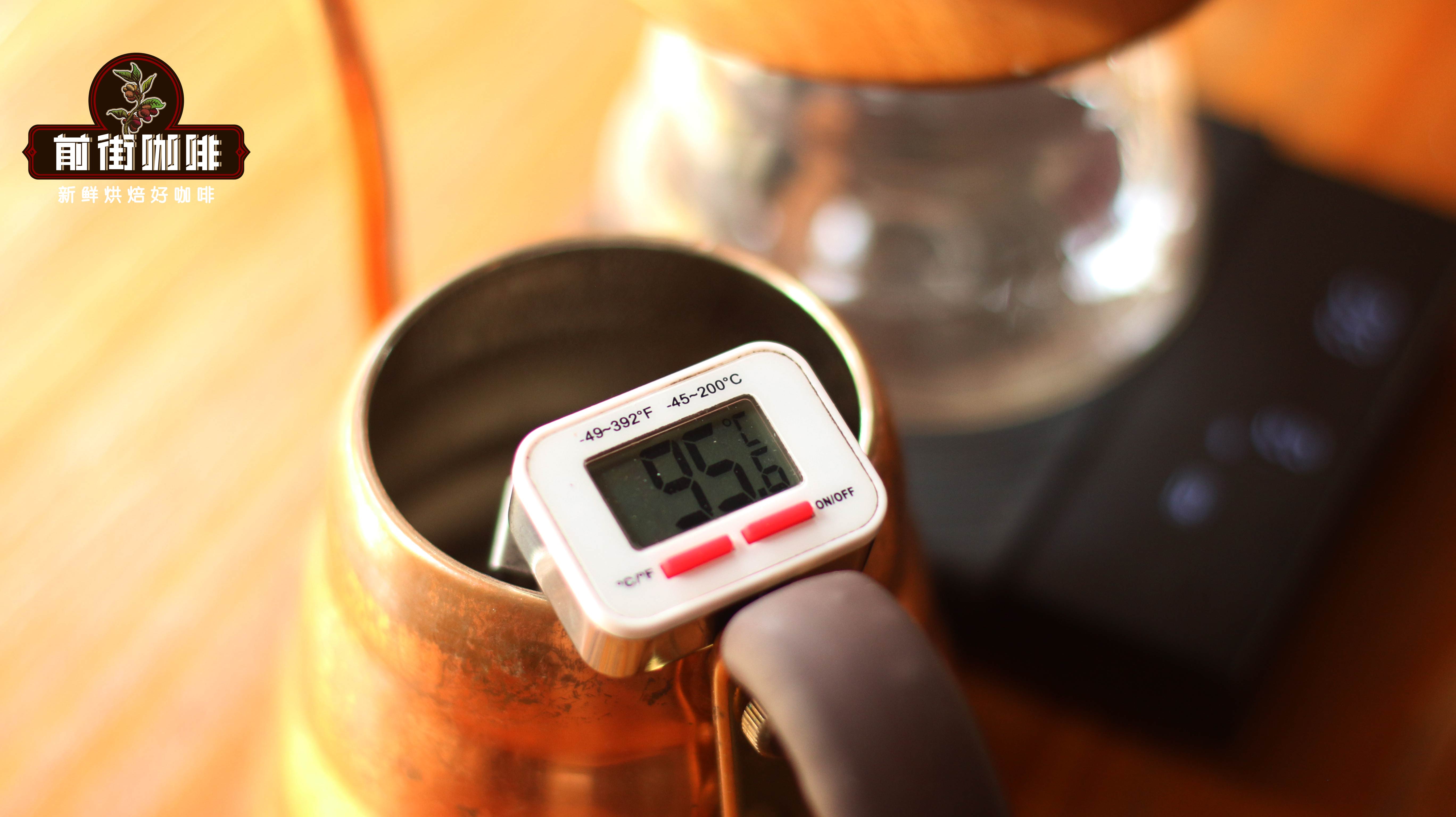
Pour-over Coffee Brewing Temperature | What water temperature should be used to brew light and dark roast coffee beans? Is there a difference between brewing parameters and actual water temperature? Does water temperature affect coffee extraction?
For more specialty coffee knowledge, please follow: Front Street Coffee (Frontsteet Coffee) What water temperature is needed for brewing pour-over coffee? Currently, the mainstream recommended brewing temperature is between 86°C and 93°C, with higher temperatures used for light roasts and lower temperatures for dark roasts. Once, at [more…]
What Water Should You Choose to Brew Phoenix Dancong? Is Soft Water Suitable for Brewing Oolong Tea? Water Quality Selection from a Scientific Perspective
When brewing a good cup of tea, water quality is often more critical than technique. As early as Lu Yu's "Classic of Tea," spring water was regarded as the finest choice, and modern science has revealed the reasoning behind this through TDS, hardness, and pH values. This article focuses on the brewing water for oolong teas such as Phoenix Dancong, outlines the industry reference values from the American Tea Association, and cites multiple studies to explain why soft water enhances the sweetness, freshness, and clarity of the tea liquor, while hard water brings about astringency and floating residue. For tea lovers who cherish the complex aroma of oolong tea, choosing the right water is the first step in unlocking the tea's charm. Front Street Coffee also recommends starting with low-mineralization soft water to appreciate the subtle variations in the tea's layers. [more…]
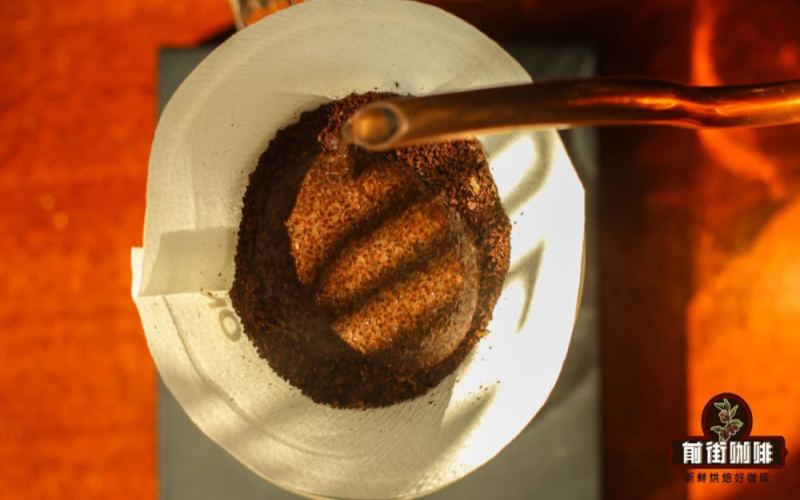
Single-Origin Pour-Over Beans for Beginners | What Are the Four Japanese Pour-Over Techniques? How Do Different Coffee Brewing Methods Affect Coffee Flavor?
Recently, many coffee-loving friends who come to Front Street Coffee to buy coffee beans have asked Front Street how to correctly brew pour-over coffee to bring out its best flavor. Front Street also often says that the process of pour-over coffee is a kind of enjoyment, and coffee brewed by one's own hands feels even more delicious on a spiritual level. So this Front Street article will introduce [more…]

How Do You Use the Switch Smart Mug? A Detailed Explanation of Tetsu Kasuya's New Hybrid Brewing Method and How It Differs from the 4:6 Method
Based on the original 4-6 brewing method, Tetsu Kasuya made new adjustments to the hybrid brewing method. By changing only two operational details, he significantly improved extraction stability and uniformity. The hybrid brewing method combines immersion and drip filtration, and requires a smart dripper with a valve to execute. This time, Front Street Coffee uses a Diamond Mountain bean from Hacienda La Esmeralda as an example, and demonstrates the complete process of the new hybrid brewing method with a Hario V60 smart dripper, including the coffee-to-water ratio, grind size, staged pouring, and water temperature control, to help you understand the logic behind this brewing approach and adjust it flexibly according to your own taste. [more…]
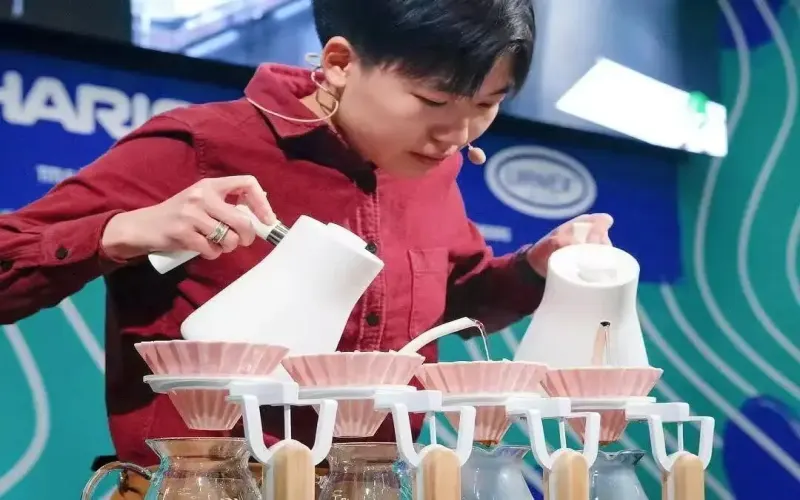
Temperature Variation Techniques in Coffee Brewing: Three Low-Temperature Water Methods to Unlock Geisha's Floral Aroma and Sidra's Fruity Notes
In recent years at the World Coffee Brewing Championship, competitors have frequently used low-temperature water for brewing, and even champion brewers have shared similar approaches. In fact, this isn't truly cold water, but a variable-temperature brewing method using water cooler than conventional hot water—extracting coffee in stages with multiple water temperatures to regulate the speed and amount of soluble compounds dissolving, thereby achieving the ideal flavor. This article shares three common and practical variable-temperature brewing methods: the bloom variable-temperature method, the final-stage variable-temperature method, and the immersion variable-temperature method. Using Panama Geisha and Finca La Frontera Sidra as examples, Front Street provides detailed parameters such as water temperature, grind size, and coffee-to-water ratio to help you easily try it at home. [more…]
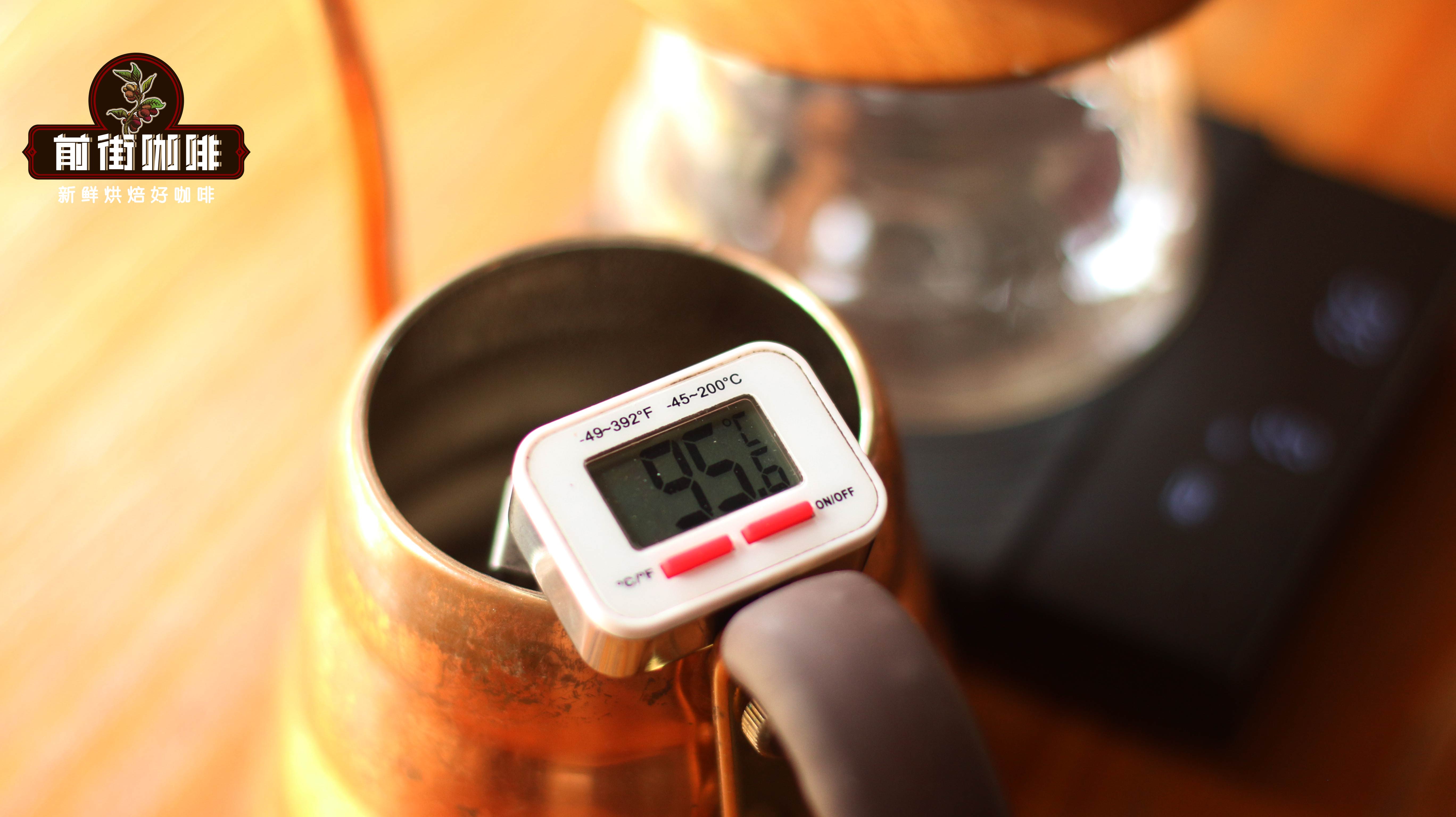
Master Freshness, Grind Size, Water Temperature, and Coffee-to-Water Ratio: Brewing Pour-Over Coffee from Four Major Regions—Yirgacheffe, Mandheling, Kenya, and Brazil
Yirgacheffe, Mandheling, Kenya, and Brazil are the four major coffee regions most familiar to coffee enthusiasts, and each has its own distinctive brewing approach. In this article, Front Street Coffee will explain the four key elements of pour-over brewing—freshness, grind size, water temperature, and coffee-to-water ratio—and provide specific brewing parameters and techniques for a representative bean from each of the four regions. The article will also cover the principles of bean resting and degassing, how to calibrate grind size using a standard sieve, and the taste differences brought about by different coffee-to-water ratios under the SCA Golden Cup extraction theory, helping you brew these four common single-origin coffees to taste even better. [more…]
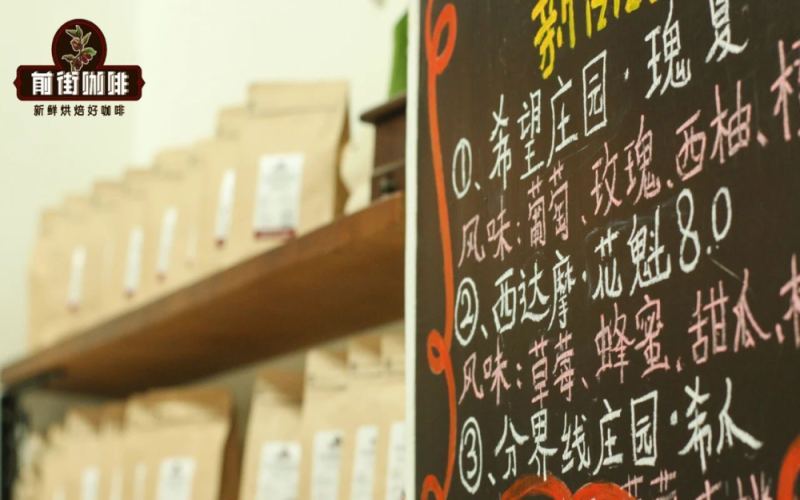
A Complete Analysis of Pour-Over Coffee Brewing Time: Extraction Logic from Dripper Structure to Pouring Technique and a 2-Minute Standard Recipe
How long exactly should the brew time for pour-over coffee be controlled to? This question seems simple, but in reality it involves the combined effects of multiple variables such as the structure of the dripper, the dose of coffee, the pouring speed, and the grind size. Brew time is essentially the duration of contact between coffee grounds and water, which directly determines the degree to which flavor compounds are dissolved. This article will start from the principles of extraction, analyze one by one the various factors that affect brew time, and share a basic brewing recipe commonly used in Front Street Coffee stores—15 grams of coffee, a 1:15 coffee-to-water ratio, a V60 dripper, three-stage pouring, with a total time of about 2 minutes—suitable for beginners new to pour-over to imitate and practice. [more…]
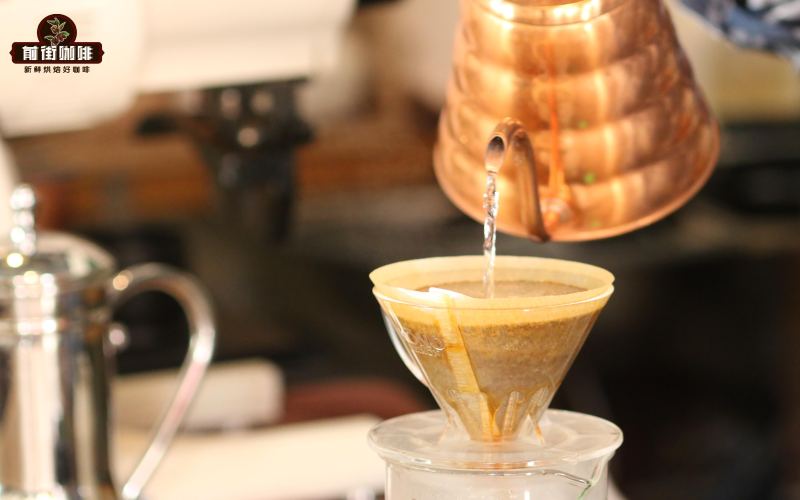
Pour-Over Coffee Water Quality
To brew a delicious cup of coffee, you need not only good beans but also good water. In brewed coffee, water accounts for over 98% of the final cup. Therefore, choosing the right water for brewing is also crucial. So what kind of water is actually suitable for brewing coffee? First, Front Street Coffee will explain the requirements for water suitable for brewing coffee. One [more…]
Why Extract Coffee at Different Temperatures? Analyzing Three-Temperature Variable-Temperature Brewing and Pour-Over Water Temperature Selection
In pour-over coffee, when extraction parameters are too high, it is usually possible to dial them back, but if over-extraction is caused by too many fines from the grinder, adjusting parameters alone is often not enough to solve the problem. In this case, sifting out the fines or adopting variable-temperature brewing are both response options recognized by Front Street Coffee. This article will focus on variable-temperature brewing: it is not a minor adjustment of 2~3°C, but rather segmented extraction with a larger temperature differential, controlling the dissolution rhythm of flavor compounds through high-temperature fast extraction and low-temperature slow release. The article will trace the origins of this method, analyze the championship cases of Wu Zelin and Emi, explain how to use cold water to regulate temperature and achieve a variable-temperature operation that starts high and ends low, and share in detail the practical process of the "Devil Brewing Method" by Tetsu Kasuya, which Front Street Coffee favors. [more…]
Pour-over Coffee Brewing Extraction Time | Pour-over Coffee Steps, Ratios, and Pouring Techniques
For more specialty coffee knowledge, please follow our WeChat official account: Front Street Coffee (FrontStreet Coffee). Pour-over coffee has become deeply loved by enthusiasts with the development of the third wave of specialty coffee. Many enthusiasts enjoy brewing pour-over coffee at home. Is pour-over coffee difficult? Actually, to [more…]
Brewing Water Temperature | The Relationship and Difference Between Pour-Over Coffee Brewing Water Temperature and Coffee Flavor: How to Determine the Pour-Over Water Temperature
I wonder if everyone has heard this saying: pour-over is easy to get started with but hard to master. It means that anyone can brew coffee, but wanting to brew a delicious cup of coffee freely and according to your own vision is actually very difficult. There aren't many factors that affect pour-over coffee, and among them, water temperature is one of the four major elements of brewing. Hand [more…]
Songzhong Huangzhixiang Dancong Oolong: Soft Water or Hard Water for Brewing? A Detailed Practical Guide
Whether to use soft or hard water for brewing tea has long been a hotly debated topic among tea lovers. A US study of ordinary consumers showed that although soft water extracts more catechins, participants actually preferred tea brewed with hard water. For highly aromatic oolong teas such as Songzhong Huangzhixiang Dancong, the mineral content in water significantly affects the presentation of aroma and flavor. This article reviews the effects of different water qualities on tea, introduces water treatment methods commonly used in cafes and traditional water conditioning techniques in tea ceremony, and, combined with Front Street Coffee's brewing recommendations, helps you find a water quality and brewing method suitable for Dancong under everyday conditions. [more…]
What Is the Ideal Water Temperature for Pour-Over Coffee? An Analysis of the Difference Between Brewing Water Temperature and Actual Extraction Temperature
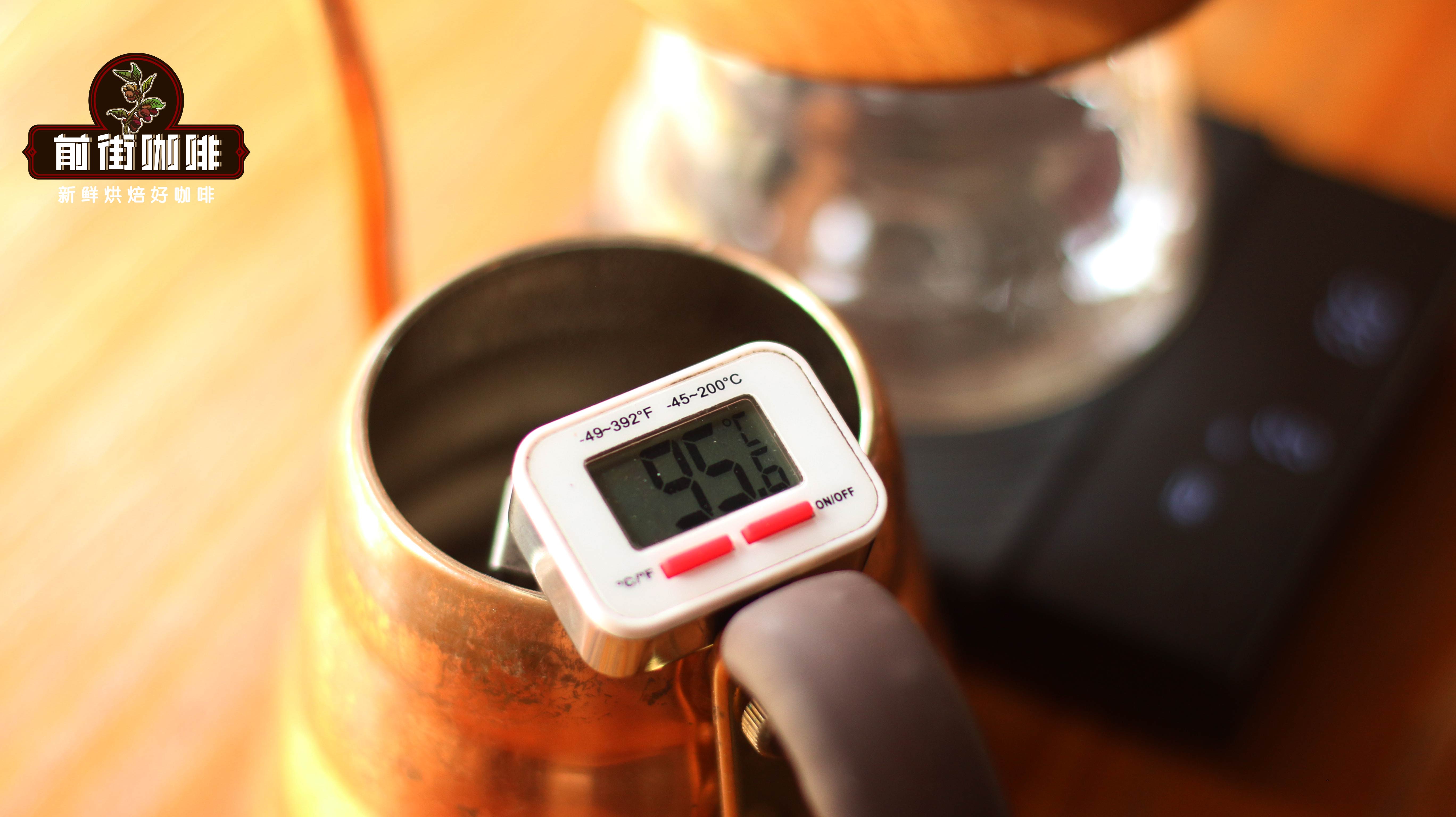
When brewing pour-over coffee, what temperature should the water actually be set to? Mainstream recommendations fall between 86°C and 93°C—light roasts suit higher temperatures, while dark roasts are better with lower water temperatures. However, the initial water temperature in the pour-over kettle does not equal the actual extraction temperature when it contacts the coffee grounds. Through actual testing, Front Street found that when the water temperature in the kettle is 90°C, the temperature participating in extraction within the coffee bed only remains around 84.5-86°C, with a clear gap between the two. This temperature difference mainly comes from the coffee grounds absorbing heat, the dripper absorbing warmth, and the water flow losing heat as it is exposed to air. As long as you deliberately raise the height of the water stream during the pouring stage, you can accelerate the temperature drop, bringing the effect of a 93°C initial water temperature close to 90°C during extraction. Understanding the relationship between the set parameter temperature and the actual extraction temperature helps you adjust flexibly in daily brewing and consistently present your ideal flavor. [more…]
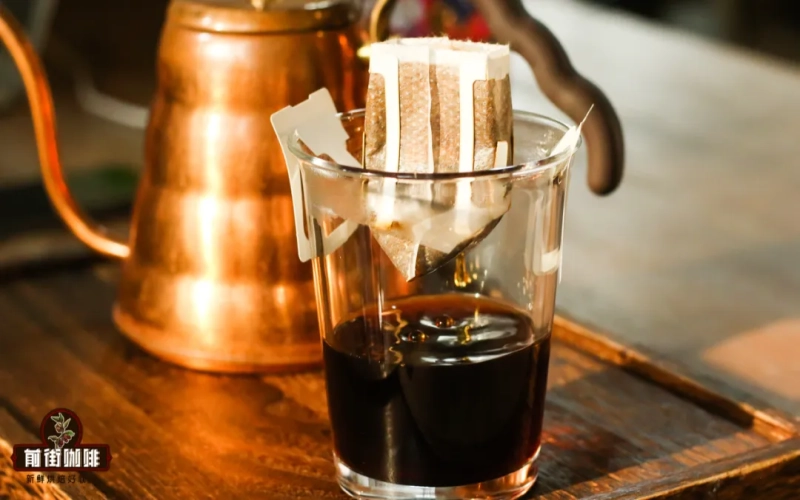
The Complete Guide to Drip Bag Coffee Brewing: Mastering the Three-Stage Control of Water Temperature, Volume, and Time, and Experiencing the Flavors of Front Street's Five Producing Regions
Drip bag coffee has become the top choice for many people during business trips, office work, and travel thanks to its convenience—no need to grind beans or use professional equipment. However, many people encounter problems such as weak flavor, sharp acidity, or noticeable astringency when brewing. In fact, as long as you master the three key parameters of water temperature, water volume, and brewing time, you can make a cup of coffee close to pour-over quality with a drip bag. This article will explain, one by one, the different water temperature requirements for light and dark roasts, the conversion method for a 1:15 coffee-to-water ratio, visual pouring techniques when no scale is available, and the complete process of pouring in 3~4 stages, blooming for 30 seconds, and a total time of about 2 minutes. It will also introduce the flavor sequence of Front Street Coffee's classic five-origin drip bag coffee, helping beginners get started easily. [more…]
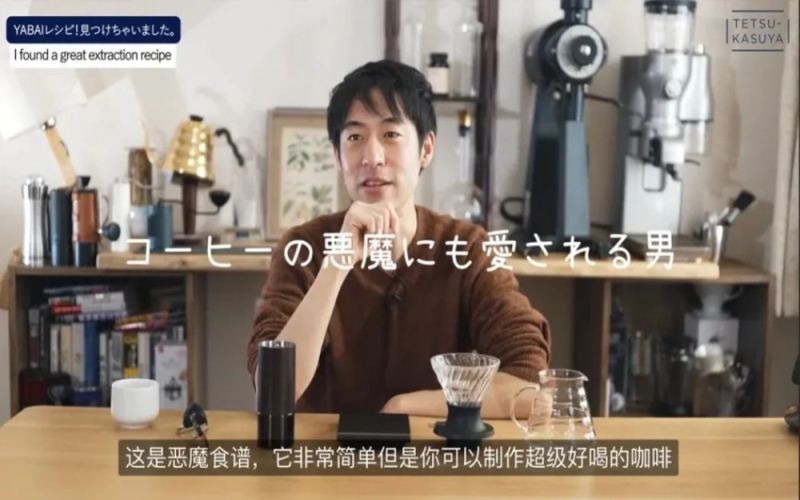
Tetsu Kasuya's Devil Brewing Method Explained: Simple Smart Cup Operation and Flavor Control Tips
World Brewers Cup champion Tetsu Kasuya has developed a Smart Cup brewing recipe called the "Devil Brewing Method," building on the 4:6 Method. This approach combines drip filtration with immersion: the first stage uses high temperature to extract flavor, while the later stage uses low temperature immersion to enhance body. It is simple to perform yet delivers outstanding results. After actual testing, Front Street Coffee also found its performance to be quite good. This article will break down the principles, parameter settings, and operating procedure of this brewing method in detail, and share how to adjust the sweetness-acidity balance of the coffee through water distribution. If you have a Smart Cup with a valve on hand, you may want to follow along with Front Street Coffee and try this simple and delicious brewing method. [more…]
What Water Should You Choose for Brewing Coffee? Why Purified Water Is Not Recommended for Coffee Machine Extraction
Regarding what water to use for brewing coffee, there has long been a popular saying: "Don't use purified water." Does this claim actually hold up? Water quality really does influence how coffee flavors express themselves, and purified water is called into question mainly for two reasons: first, its extraction efficiency is on the low side, because the water lacks calcium and magnesium ions to help dissolve flavor compounds; second, purified water has poor conductivity, which can cause the boiler probe in a coffee machine to malfunction, leading to abnormal refilling or even breakdowns. Through comparative experiments, Front Street found that coffee brewed with purified water versus mineral water shows only slight differences in concentration and extraction yield—hard for an ordinary person to notice. What is truly unsuitable for brewing coffee is hard water with a TDS above 175 ppm. This article will analyze these points one by one and offer water-quality recommendations for everyday brewing. [more…]
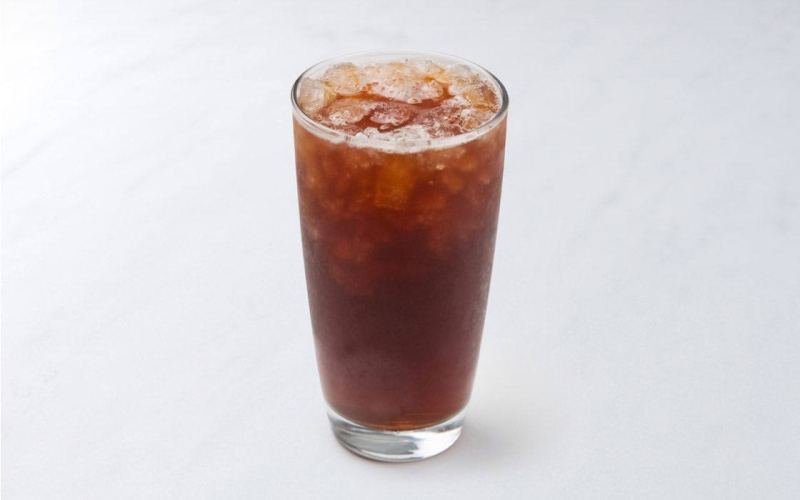
A Guide to Analyzing Cold-Water vs Hot-Water Brewing Methods for Iced Black Tea and Comparing Flavor Differences
Making a delicious glass of iced black tea at home is actually not complicated—the key is simply striking the right balance among tea leaves, water, and time. This article will introduce two ways to make iced black tea: cold brewing and hot brewing. It will go over the steps for each, the types of tea they suit, and the occasions they are best for, and compare the flavor differences between the two methods. The article uses loose-leaf tea for demonstration, but tea bags work just as well. In addition, it will recommend oolong and herbal teas suitable for cold brewing, as well as Front Street Coffee's teaware and tea selections, to help you easily make a satisfying glass of iced black tea at home. [more…]
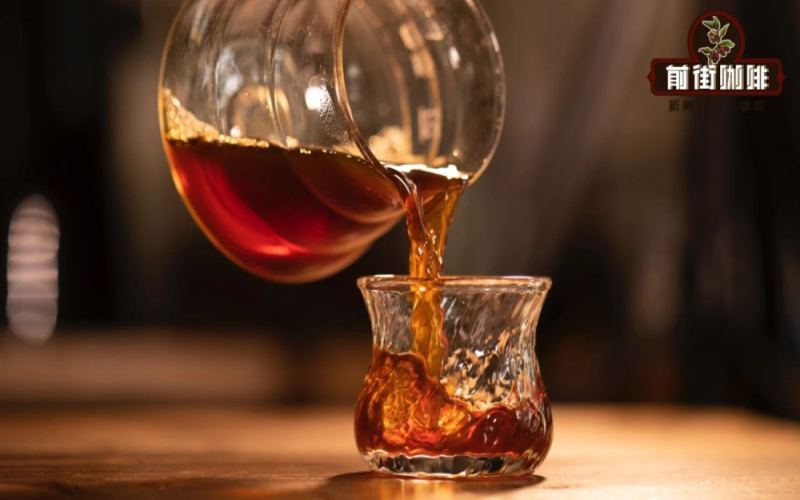
How to Control the Extraction Time of Pour-Over Coffee? The Combined Effects of Dripper Structure, Coffee Dose, and Pouring Speed on Flow Rate and Flavor
The extraction time of pour-over coffee directly affects the final flavor strength and mouthfeel. This article breaks down how four dimensions—dripper structure, coffee dose, pouring speed, and grind size—influence the contact time between coffee grounds and water, and in turn change the coffee's layering and body. Using 15 grams of coffee, a 1:15 coffee-to-water ratio, and a V60 or KONO dripper as an example, a Front Street Coffee barista shares a 2-minute brewing recipe suitable for beginners, helping enthusiasts consistently recreate café flavors at home while understanding the logic behind different combinations such as fast brewing with a fine grind and slow brewing with a coarse grind. [more…]