







How Does Low-Temperature Water Change Coffee Brewing?
Low-temperature water in coffee brewing means using water cooler than the usual 90°C, often below 80°C and sometimes near 70°C, at one chosen stage rather than for the whole pour. Because heat controls how quickly soluble compounds dissolve, cooler water at a single stage slows coffee extraction and shifts the balance of acids, sugars, and aromatics in the finished cup.
Three variable-temperature approaches are common: a bloom stage with cooler water, a cooler final pour, and an immersion step at reduced heat. Each targets coffee extraction speed rather than total yield, which is why competition baristas pair them with Panama Geisha for floral aromatics and Frontera Estate Sidra for fruity notes, adjusting grind size and ratio to match.
In recent years at the World Coffee Brewing Championship, contestants have frequently used low-temperature water for brewing, and even champion baristas have shared similar approaches. In fact, this isn't really cold water, but a variable-temperature brewing method using water cooler than conventional hot water—extracting coffee in stages with multiple water temperatures to regulate the speed and amount of soluble compounds dissolving, thereby achieving the ideal flavor. This article will share three common and practical variable-temperature brewing methods: the bloom variable-temperature method, the final-stage variable-temperature method, and the immersion variable-temperature method. Using Panama Geisha and Frontera Estate Sidra as examples, Front Street Coffee provides detailed parameters such as water temperature, grind size, and coffee-to-water ratio to help you easily try it at home.
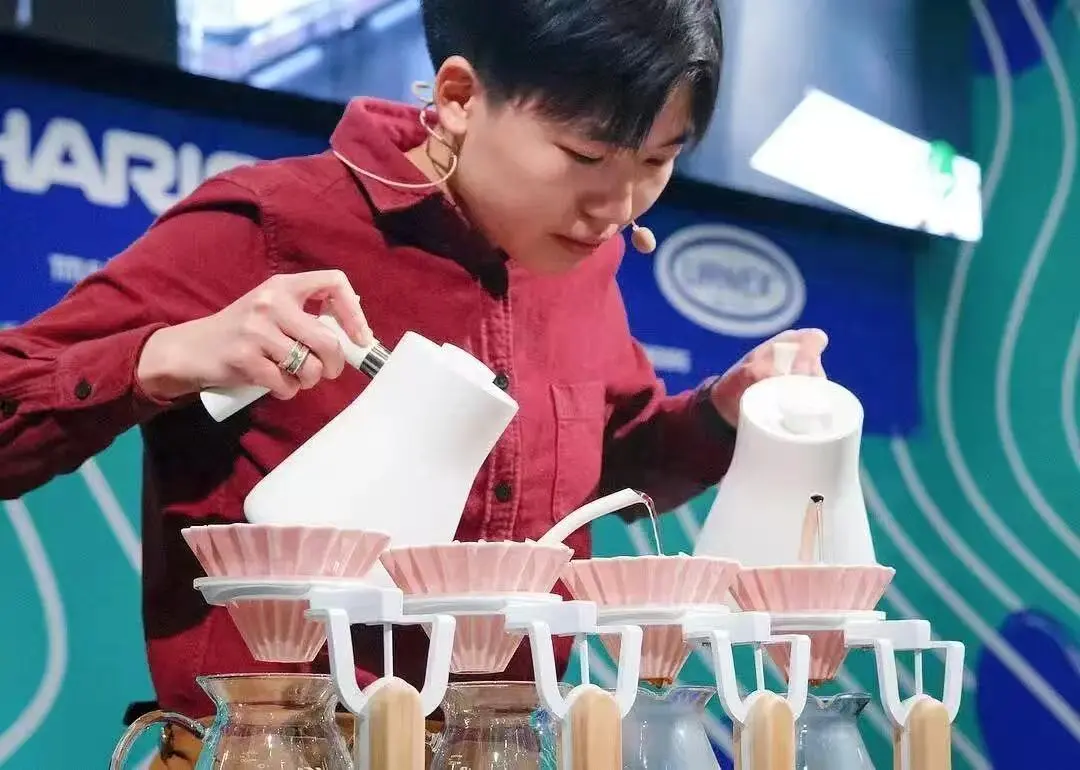
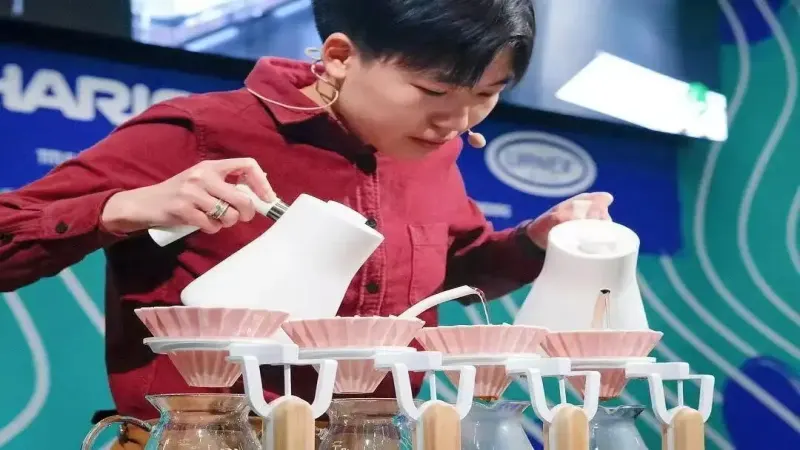
If you've paid attention to coffee brewing competitions in recent years, you'll notice an interesting phenomenon: many contestants add "cold water" to the coffee during extraction. Even more surprisingly, some champions have openly shared similar brewing ideas on social media after winning. So many people can't help but wonder: is the secret to winning just—adding a bit of cold water when brewing coffee?
Of course, the "cold water" here isn't truly ice water, but rather hot water significantly cooler than conventional brewing temperatures. It's just that because the temperature difference is so noticeable, people habitually jokingly call it "cold water." Specifically, the water temperature we normally use for brewing coffee is mostly around 90°C, while this "cold water" is usually below 80°C, and in extreme cases can drop to 70°C.

If this temperature were used for extraction throughout the entire process, the coffee would inevitably be severely under-extracted due to insufficient water temperature and low extraction efficiency. Therefore, contestants only use low-temperature water at a specific stage of extraction. That's right—this is what everyone commonly calls "variable-temperature brewing"—using water at different temperatures to brew coffee in stages.
The purpose of variable temperature isn't actually complicated. As Front Street Coffee mentioned in the article "Is Coffee Extraction Mysticism?", this is done to control the speed or total amount of certain soluble compounds dissolving out of the coffee, bringing the final cup's flavor and mouthfeel closer to the ideal state. Pour-over coffee extraction is inherently divided into different stages, and using low-temperature water at different stages produces completely different effects. Today, Front Street Coffee shares three variable-temperature brewing methods with different functions but relatively common use—all quite interesting, and worth trying when you have time. (It should be noted that the parameters in this Front Street Coffee article are for reference only. Everyone's grinder and coffee beans are different, so it's best to adjust based on actual brewing results.)
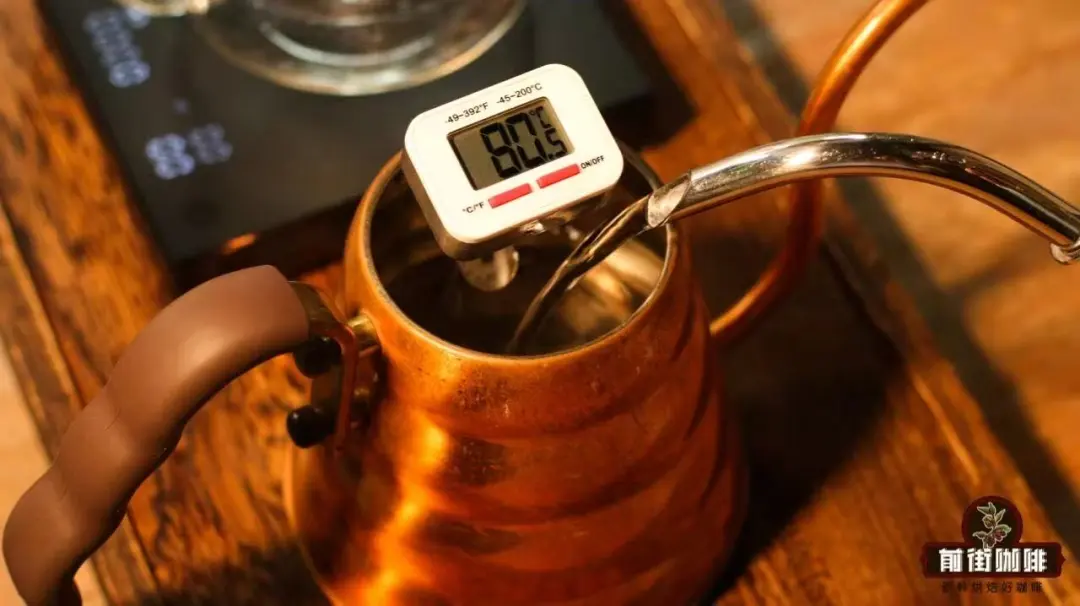
1. Bloom Variable-Temperature Method Please ignore Front Street Coffee's naming skills. As the name suggests, this is a variable-temperature brewing method that uses low-temperature water during the bloom stage. Front Street Coffee has also shared this in several previous articles. The purpose is easy to understand: delay the release of soluble compounds that dissolve and volatilize quickly, thereby increasing their amount in the cup and allowing us to taste richer flavors, such as more pronounced sweetness or fuller floral notes.
Here, Front Street Coffee uses highlighting floral notes as an example. The floral aroma compounds in coffee dissolve and volatilize in large amounts during the early stage of extraction, so the floral notes that remain in the final cup are often insufficient. Through bloom variable-temperature brewing, the extraction efficiency in the early stage is reduced, and the release point of floral notes is pushed back, allowing us to taste more floral notes in the cup.
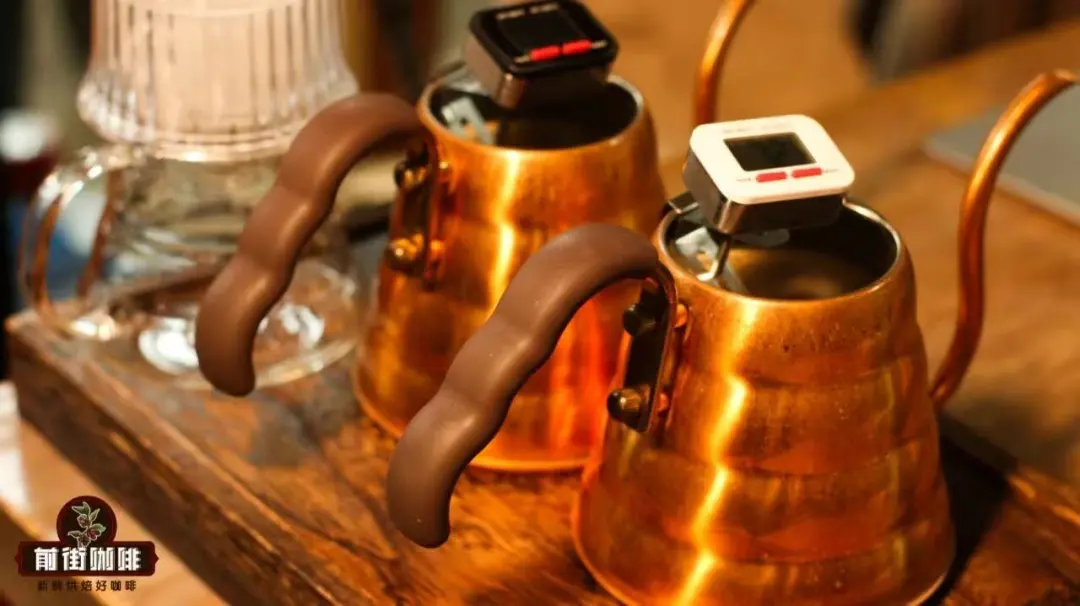
However, note that when the water temperature is low during blooming, the coffee grounds don't degas sufficiently, so the main extraction stage needs to use a higher water temperature than usual to ensure complete extraction. Front Street Coffee demonstrates with the richly floral Front Street Coffee Panama Boquete Geisha from its bean list. Aside from water temperature, the other parameters are roughly the same as usual: 15g of coffee grounds, ground finer—Front Street Coffee uses a grind size with 80% passing through a No. 20 sieve, extraction time of 2 minutes, coffee-to-water ratio of 1:15, three-stage pouring, with water distribution of 30ml, 120ml, and 75ml. For this medium-light roasted Geisha, the bloom water temperature is 80°C, and the latter two main extraction stages use 95°C.
The Geisha brewed this way has more pronounced white floral notes than before (more intense, but not exaggeratedly so), and performs well in other aspects too: sweet and tart, with flavors of citrus, honey, and oolong tea in addition to floral notes, a light and clean mouthfeel, and a prominent lingering aroma. 2. Final-Stage Variable-Temperature Method The second is a variable-temperature brewing method that uses low-temperature water during the final extraction stage. The purpose is more straightforward than the former: reduce the bitter compounds dissolved in the final stage and increase the proportion of sweetness and acidity, making it more suitable for medium-light roasted coffee. But it's a bit more troublesome to execute, because it requires three temperatures. It's also a three-stage pour: first use 92°C hot water for blooming, then use 95°C hot water in the second stage to extract a large amount of pleasant flavor compounds, and finally use 85°C hot water for the third stage.
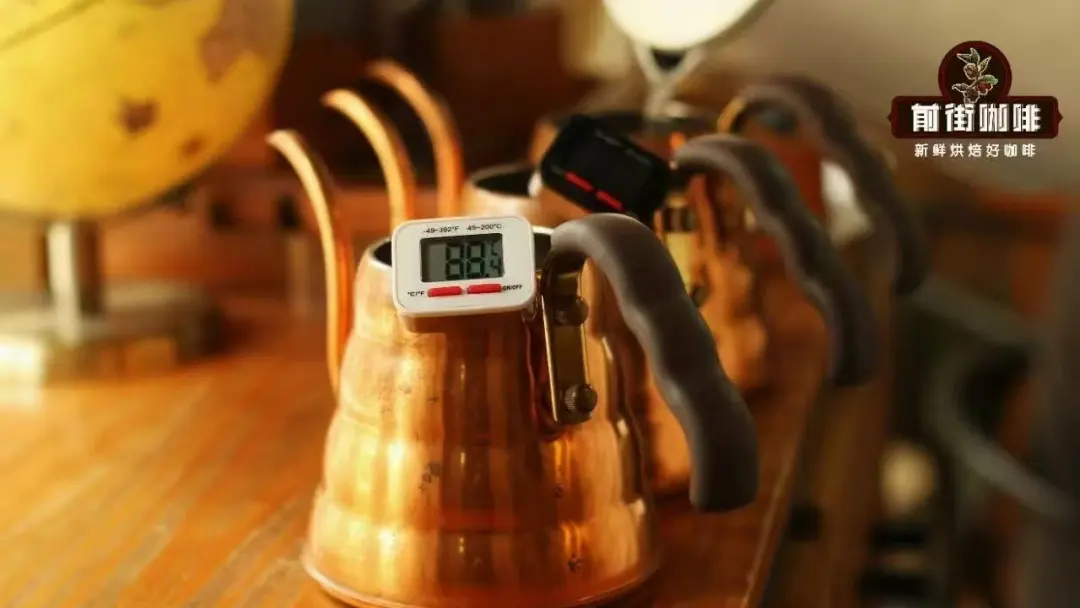
Other parameters remain consistent. Take the fruit-forward Front Street Coffee Frontera Estate Sidra from Front Street Coffee's bean list as an example. When using the final-stage variable-temperature method, Front Street Coffee's parameters are: 15g of coffee grounds, coffee-to-water ratio of 1:15, extraction time of 2 minutes, grind size with 80% passing through a No. 20 sieve, and water temperatures of 92°C, 95°C, and 85°C as mentioned above. The Sidra brewed with this set of parameters has less bitterness than conventional brewing, with a flavor profile dominated by sweetness and acidity, featuring grape, apricot, passion fruit, and a hint of floral notes. 3. Immersion Variable-Temperature Method The immersion variable-temperature method differs from the previous two in that it requires a valved dripper or a clever cup, because low-temperature water is used for immersion extraction during the brewing process. The purpose is equally easy to understand: prevent over-extraction or under-extraction. A water temperature of 70°C can avoid over-extraction, while the added immersion can prevent under-extraction. Additionally, this method doesn't require much water flow control, making it relatively beginner-friendly.
Since explaining it would be rather lengthy, and Front Street Coffee previously wrote a dedicated post sharing it—the clever cup version of World Champion Tetsu Kasuya's 4:6 method—interested friends can refer to "The World Champion's New Invention" to learn more. Front Street Coffee won't go into further detail here.
- END -
The above content is compiled by CoffeeHunters, a coffee news website.


