







Search Results for: Coffee Bean Types
A Complete Guide to Coffee Defects: Ten Common Types, Causes, and Identification Methods Illustrated
The content of defective beans directly affects coffee quality and grade classification. Taking Brazil as an example, the local system uses a "deduction method," grading based on the number of defective beans per 300 grams of main beans. In addition, coffee usually requires hand sorting during processing, and only by fully mastering the types and characteristics of defective beans can they be effectively removed. So exactly how many types of defective beans are there? This article will use illustrated explanations to introduce ten common defective beans one by one, including shell beans, stones, moldy beans, fermented beans, dead beans, immature beans, shell beans, insect-damaged beans, black beans, and cocoa beans, explaining their causes, appearance characteristics, and negative effects on coffee flavor, laying the foundation for subsequent learning about defective bean selection. [more…]
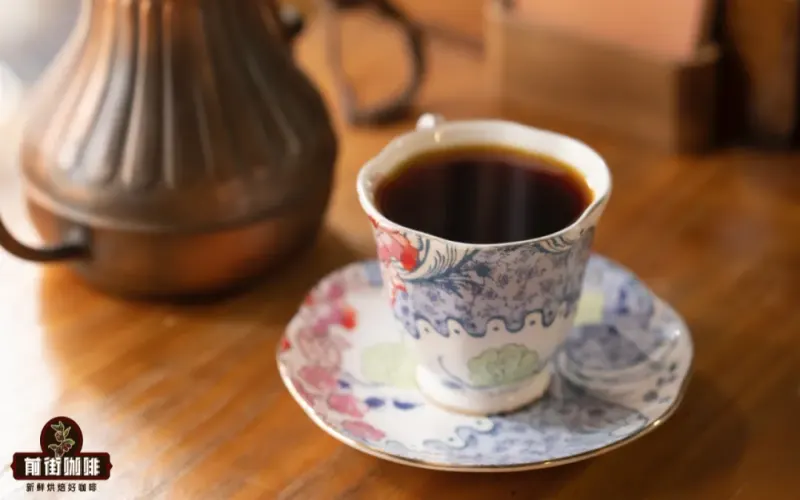
Same Coffee Bean, Different Brews: What Exactly Changes with Espresso, Americano, Pour-Over, and Cold Brew? A Complete Guide to Black Coffee Types and Flavor
Black coffee is not simply "coffee without milk or sugar." Although Americano, espresso, pour-over, and cold brew are all made from just water and coffee, they end up presenting completely different aromas, flavors, and mouthfeels because of the different extraction methods. This article uses Front Street Coffee's Strawberry Candy Espresso, a blended bean, as an example to break down one by one the brewing parameters and flavor performance of four common types of black coffee, and also offers coffee bean recommendations suitable for espresso, Americano, pour-over, and cold brew respectively. Whether you are just starting out or want to adjust your brewing plan, you can find practical references here and understand why the same bean can create such dramatically different landscapes in the cup. [more…]
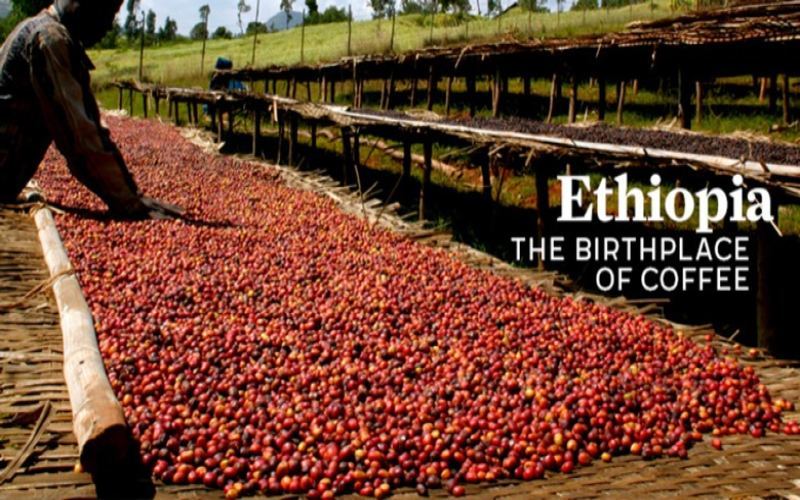
Cold Brew Origin Recommendations: Cold Brew Performance of Fruity and Full-Bodied Types
The choice of origin for cold brew coffee determines whether the cup leans toward fresh fruit juice or rich cocoa. The long-steep cold water extraction method makes origin flavors express themselves differently than in hot brewing, and some origins perform better in cold brew. For fruity cold brew, Ethiopian origins are a good choice. Huakui natural beans made as cold brew, hot [more…]

Common Types of Italian Coffee | What Are the Classic Milk Coffee Recipes? What's the Difference Between a Latte, Macchiato, Cappuccino, and Dirty?
Espresso is a must-have beverage in every café. Many people's first impression of espresso is that it's unbearably bitter. In fact, espresso isn't limited to such bitter shots. If you want an espresso that isn't bitter and suits your taste, the first thing you need to understand is the different types of espresso. Front Street Cof [more…]
Where Does the Floral Aroma in Coffee Beans Come From? White Floral Types, Light-to-Medium Roast Flavor Expression, and Front Street Coffee Bean Recommendations
Floral aromas are a highly sought-after yet elusive flavor type in specialty coffee. Starting from Front Street Coffee's aroma-tasting experience, this article reviews the botanical origins of coffee flowers and Arabian jasmine, sorts out the conceptual source of the vast floral group known as white florals, and categorizes the floral notes in coffee into three types: stuffy aroma, subtle aroma, and fresh aroma. Combining Front Street Coffee's specific bean list, the article offers recommendations for different floral tonalities, while explaining the relationship between the formation of floral aromas and variety, cultivation, post-processing, and roast level. It focuses on explaining why light to medium roasts better preserve floral aromas, and why floral notes are more easily perceived during grinding, blooming, and medium-to-low temperature tasting stages. [more…]
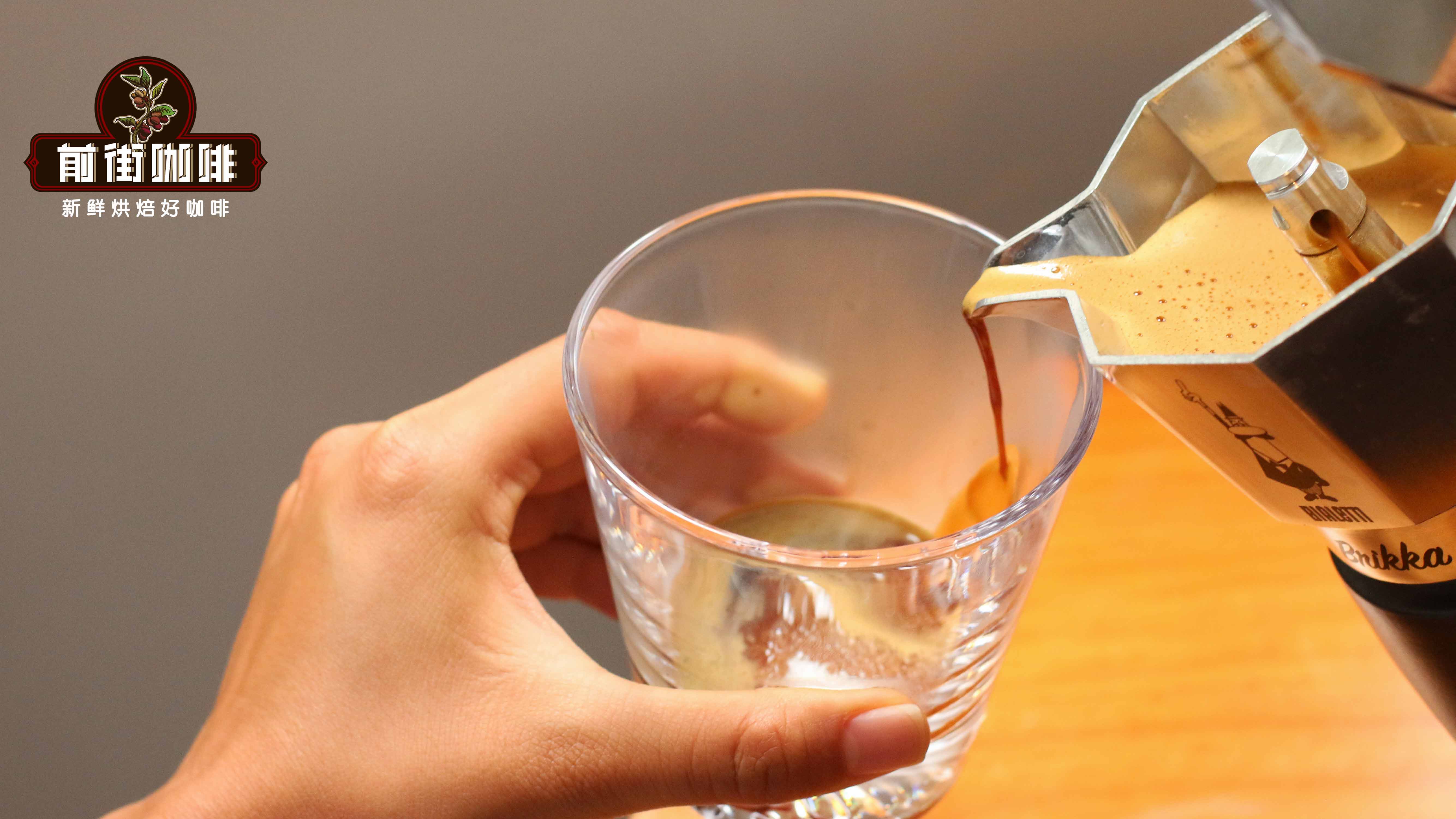
Moka Pot Coffee Beginner's Guide: Working Principles, Suitable Bean Types, and Analysis of Blends vs. SOE Choices
As a classic home coffee device, the moka pot is favored by many coffee enthusiasts for its simple operation and rich output. It consists of a lower chamber, a filter basket, and an upper chamber, using steam pressure to push hot water through the coffee grounds to extract a highly concentrated coffee liquid. Because the moka pot operates at a relatively high temperature and with 1 to 2 bar of pressure during extraction, it has certain requirements for the roast level and flavor direction of the coffee beans. This article will explain the moka pot's working principle, the types of coffee beans suitable for pairing, and the choice between blends and SOE, and will provide specific product recommendations from Front Street Coffee for beginner and advanced needs, helping readers use the moka pot more efficiently to make their ideal coffee. [more…]
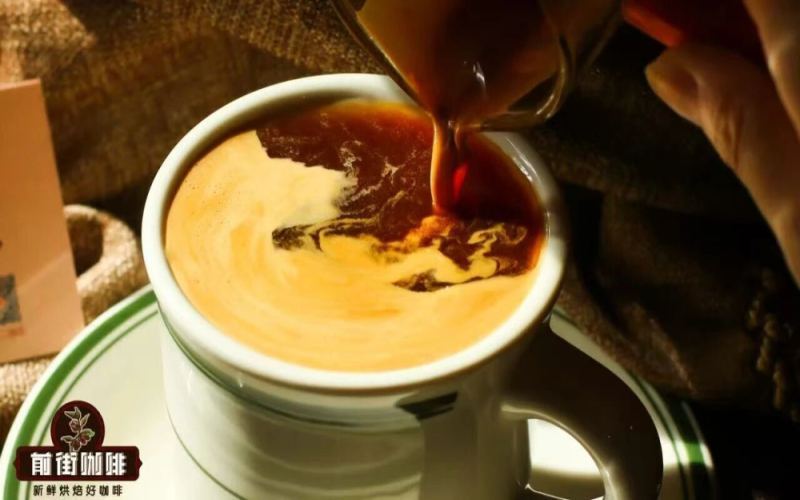
A 2026 Roundup of Italian-Style Everyday Coffee Beans Worth Buying: A Full Breakdown of Espresso Coffee Types
Espresso has a strong, heavy body, and many people are in the habit of adding sugar or milk to soften its bitterness, which has given rise to a rich family of espresso-based drinks—con panna, macchiato, caramel macchiato, cappuccino, latte, mocha, flat white, americano, and more all belong to this extended family. If you want to easily make a delicious cup of espresso at home, choosing a bag of beans with stable quality, a reasonable price, and good extraction performance is crucial. This article rounds up five espresso daily-driver coffee beans worth buying in 2026, all from the Front Street Coffee brand, covering deep-roast intense styles, medium-roast floral-and-fruity styles, nutty profiles, commercial-style blends, and budget-friendly entry-level options, along with the origin blend and flavor characteristics of each bean, making it easy for coffee lovers to choose according to their needs. [more…]
Espresso Types | What Are the Characteristics of Single-Origin Espresso (SOE) Coffee? Affordable Selected SOE Single-Origin Coffee Bean Recommendations for Beginners
When we often order at coffee shops, many baristas will recommend, "Would you like to try our SOE?" Some customers who come to Front Street Coffee also proactively ask whether there is SOE coffee. The so-called "SOE" is Single Origin Espresso, referring to the use of [more…]

MBTI Personalities Meet Baristas: When Introverts and Extroverts Sit Together at the Bar, a Roundup of Classic Quotes from All 16 Personality Types
MBTI has now permeated every corner of the coffee industry. When the younger generation of baristas joins the bar, "Are you an I person or an E person?" has become a daily greeting. This personality test, based on Jungian personality theory, dividing people along four dimensions and yielding 16 types, has become a new-generation social label, much like horoscopes and blood types. This article takes a lighthearted approach to rounding up the "classic quotes" of different MBTI types of baristas, from the rigor of ISTJ to the casualness of ENFP—see which one strikes a chord with you. Whether you're a socially anxious I person or a socially outgoing E person, you can find your "parallel-self" here. You're also welcome to comment with your four letters and your signature catchphrase, and see if you can find fellow baristas of your type. [more…]
Types of Espresso | How to Distinguish the Types of Italian Milk Coffee? How Are Americano, Latte, Cappuccino, and Mocha Made?
When you stand in front of the counter at a coffee shop, looking at the dazzling array of coffee products, such as the common latte, cappuccino, or macchiato, do you ever feel a bit confused? This time, Front Street Coffee has specially compiled an overview of espresso coffee types, so that besides being able to [more…]
Coffee Combo Full Analysis: The Pairing Logic of One Bean, Multiple Drinks, Suitable Bean Types, and Latte and Espresso Requirements
In recent years, coffee combos have become increasingly common in the specialty coffee scene, but many people find in practice that the combinations made with their own beans either turn out bitter as an americano or bland as a latte, making it hard to achieve an ideal balance. What kind of coffee beans are actually suitable for making a combo? What considerations go into the espresso used for a latte? From the perspective of Front Street, this article systematically sorts out the concept of the combo, the approach to bean selection, and key points for serving, helping coffee enthusiasts understand this "one bean, multiple drinks" pairing logic, so that the same bean can show its proper layers of flavor in both black coffee and milk coffee. [more…]
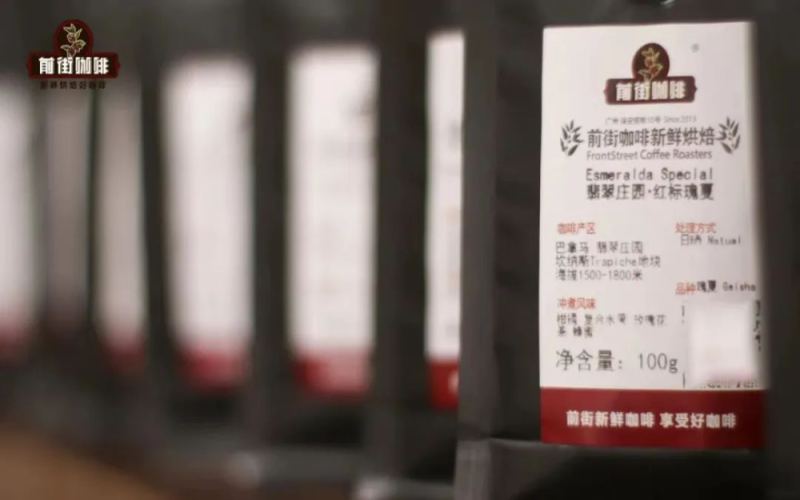
What exactly is a micro-lot coffee? From production volume to the Esmeralda Estate auction Geisha, a detailed look at its many types
When selecting coffee beans, you may have noticed the term "micro-lot coffee." Literally, it seems to refer simply to a smaller batch of beans, but the reality is far more than that. The core of a micro-lot lies in being "specially treated" or "having something unique," rather than merely being low in volume. This article will walk you through the true meaning of micro-lot coffee and introduce different categories one by one, including innovative experimental, meticulously selected, air-freight pre-heated, and private custom types. We will also mention Hacienda La Esmeralda's annual process of selecting the best plots through cupping for auctions, as well as information about Front Street Coffee, to help you fully understand the diverse aspects of micro-lot coffee. [more…]
The Difference Between Single-Origin Coffee and Blended Coffee: A Comprehensive Analysis of Types, Blending Methods, and Flavor Characteristics
For coffee enthusiasts, understanding the difference between single-origin coffee and blended coffee is an important step in exploring the world of coffee. Single-origin coffee centers on beans from a single origin, emphasizing the unique character of regional flavors; blended coffee, through the skillful blending of multiple beans, pursues balance and complexity in taste. This article systematically sorts out the definitions, representative types, blending ratios, and flavor characteristics of the two, from Blue Mountain and Colombia to Mandheling, from cappuccino to mocha, helping readers comprehensively master knowledge of coffee classification. At the same time, the article also specially recommends related products from Front Street Coffee, providing professional reference for your coffee purchases. [more…]
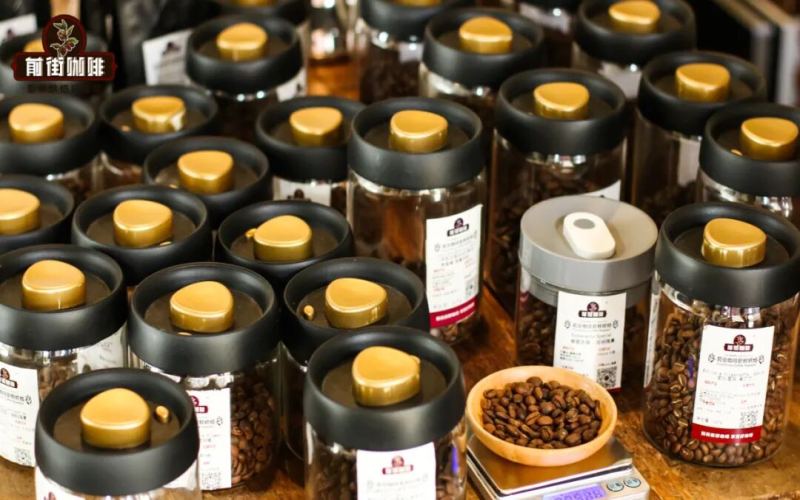
Hand-brewed coffee bean blends | Can blended coffee beans be used for hand brewing? Does a greater variety of beans in a blend make the coffee flavor richer?
Yesterday afternoon, a customer friend asked Front Street: "If you blend all thirty-plus kinds of beans on your blackboard together, would the coffee brewed from them be super delicious?" This is actually not the first time Front Street has received such a question, because many vendors have started promoting blends of four or even more types, so there are often [more…]

How Fine Should You Grind for Pour-Over Coffee? A Full Analysis of Grinder Burr Types and Sieve Calibration
Grind size is one of the core variables in pour-over coffee extraction, directly affecting water flow rate, extraction yield, and the final flavor profile. But with conical burrs, flat burrs, ghost tooth burrs, and other burr types on the market, along with the complex distribution of coarse, fine, and extra-fine particles, how can you find the right grind setting for your coffee beans? Front Street Coffee starts from how burr structure affects particle size, combines it with practical testing methods using standard inspection sieves, and systematically sorts out the grind passing-rate standards corresponding to different roast levels and brewing methods, helping you determine grind parameters in a quantifiable way so that every brew is more stable and controllable. [more…]
A Comprehensive Guide to Coffee Types: Detailed Analysis of Flavor Characteristics and Origin Differences of 12 Classic Coffees
The world of coffee is rich and diverse, with different origins and roasting methods creating distinctive flavor experiences. This article systematically reviews 12 common types of coffee, from the elegant delicacy of Jamaican Blue Mountain to the rich mellowness of Indonesian Mandheling, from the chocolate notes of Yemeni Mocha to the unique flavor of Hawaiian Kona, analyzing one by one their taste characteristics, origin background, and best ways to drink them. Whether you prefer light and smooth or rich and strong, you can find your ideal choice in this coffee map. Front Street Coffee takes you deep into the personality and charm of each type of coffee. [more…]
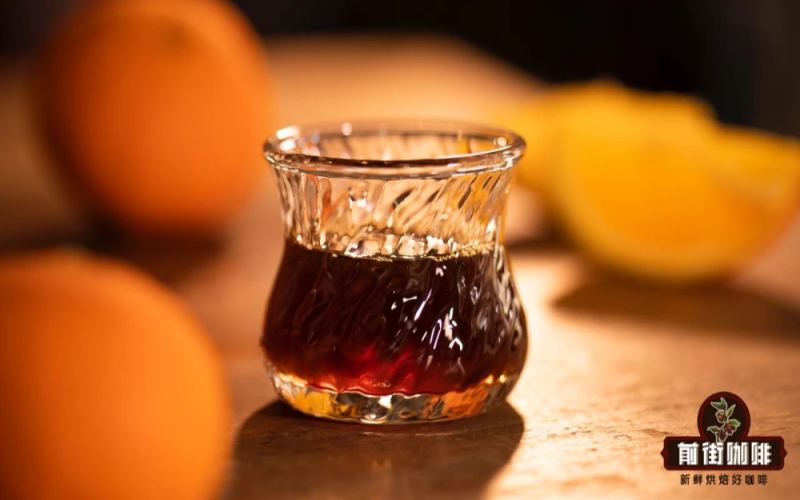
Where Does the Sweetness of Black Coffee Come From? An Analysis of Roast Types and Pour-Over Extraction Techniques That Affect Sweetness
Many people believe that black coffee is only bitter and sour, but a good cup of coffee can indeed deliver a surprisingly sweet sensation. This sweetness does not come from sugar detected by taste, but from sweet aromas perceived through the sense of smell. Sucrose in green coffee beans is converted into substances such as caramel during roasting, and different roast levels present completely different types of sweetness. Front Street divides sweetness by roast level into the honey-fruit type, the chocolate-dried-fruit type, and the dark-roast sweet-aftertaste type, and recommends corresponding coffee beans for each. In addition, by adjusting the pouring technique and extraction rhythm of pour-over brewing, the sweetness of coffee can also be effectively enhanced. This article will systematically analyze the sources of coffee sweetness, the differences in sweetness across roast levels, and the brewing techniques that Front Street has summarized in practice. [more…]
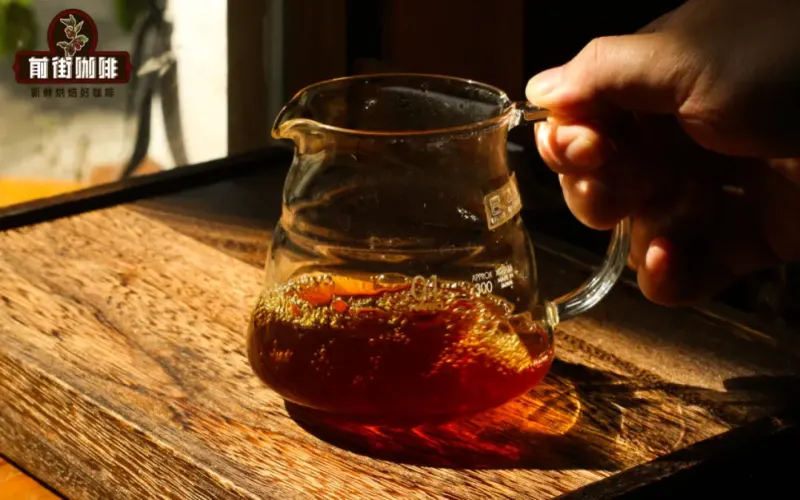
Coffee Floral Aroma Tasting Guide: A Comprehensive Analysis from Aroma Sources to Three Common Floral Types
Many coffee enthusiasts feel puzzled when tasting coffee with floral notes—why can others detect jasmine and rose scents, while you can only perceive fruity flavors? In fact, capturing the floral notes in coffee is not a talent; it requires understanding the source of the aromas and mastering the correct tasting methods. The floral notes in coffee come from the combination of various compounds such as terpenes, alcohols, and aldehydes, which also exist in real flowers and trigger our memories and associations with fresh blooms through olfactory stimulation. This article, drawing on Front Street's tasting experience, systematically explains how to enhance perception by breaking down floral characteristics, and provides a detailed introduction to three common types of floral notes in coffee—light floral, subtle floral, and dense floral—along with corresponding Front Street bean list recommendations, to help you more easily detect the floral notes in coffee. [more…]
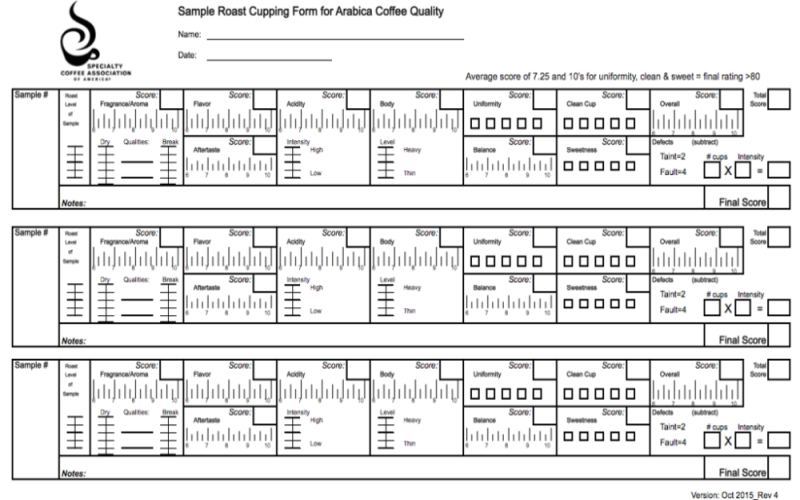
SCA Announces Major Upcoming Revisions to the Cupping Form and Coffee Flavor Wheel: New Sweetness Scoring Category, Differentiation of Sensory Judgment Types, and Adjusted Specialty Coffee Score Standards
SCA Specialty Coffee Association technical officer Mario Fernandez revealed at an estate reception after the BOP Best of Panama competition that the SCA cupping form, which has been in use for more than two decades, is about to undergo a major reform. The current cupping form mixes discriminatory, descriptive, and emotional sensory judgments together, which easily leads to scoring bias. The new plan intends to separate the three and add evaluation items such as sweetness. At the same time, the coffee flavor wheel will also break free from its North America-centered limitations and compile a globally applicable flavor reference. In addition, SCA also plans to widen the score gap between specialty coffee and commercial coffee; a coffee scoring 80 points may in the future drop to 75 points or even lower. This article will sort out the background, direction, and specific contents of this reform for you. [more…]
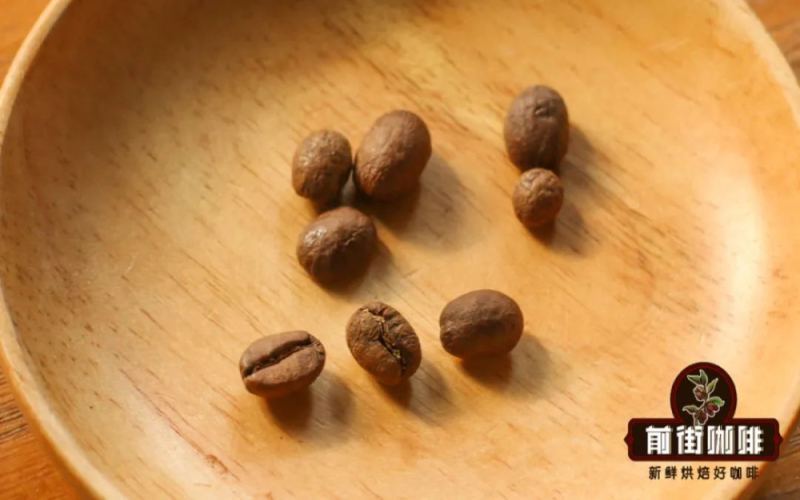
Do Coffee Beans Really Have Male and Female Types? Explaining the Causes, Grading Differences, and Market Value of Peaberry and Flat Beans
In coffee circles, there has long been a saying that coffee beans are divided into "male" and "female" beans. Some people call oval beans "male beans" and flat beans "female beans," and use this to drive up the price of round beans. However, the truth is that coffee beans have no gender distinction. The difference between round beans and flat beans comes from whether the ovule was successfully pollinated during fruit development. Round beans are sought after because they are rare, but they show no significant flavor difference from flat beans of the same variety from the same origin. This article will systematically sort out the origin of round beans, their particle size characteristics, the logic of grading and pricing, and the actual attitudes of various producing regions toward round beans, to help you view this special bean shape rationally. [more…]