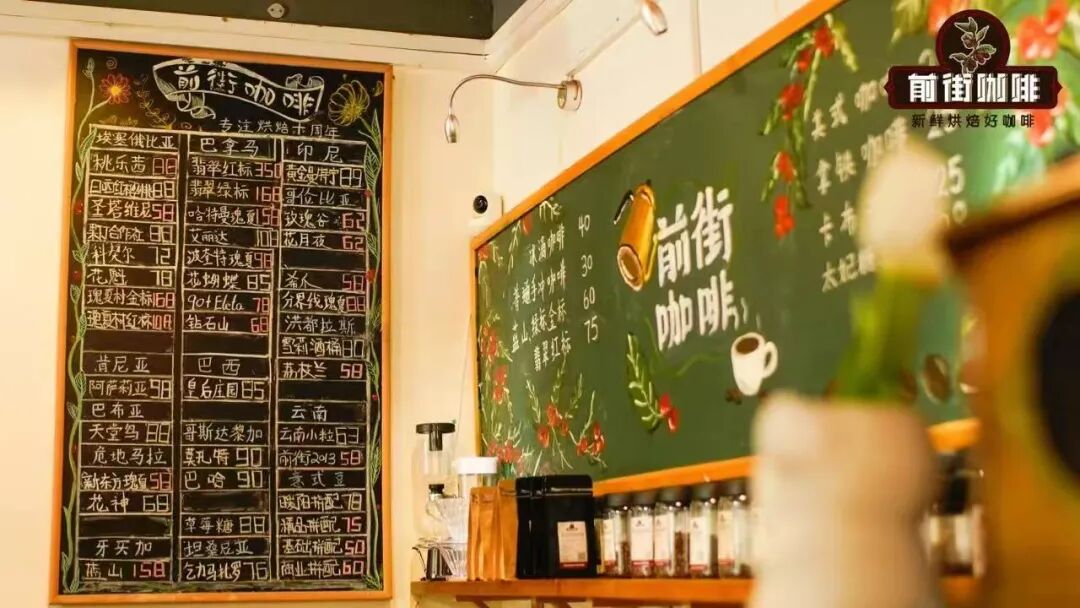
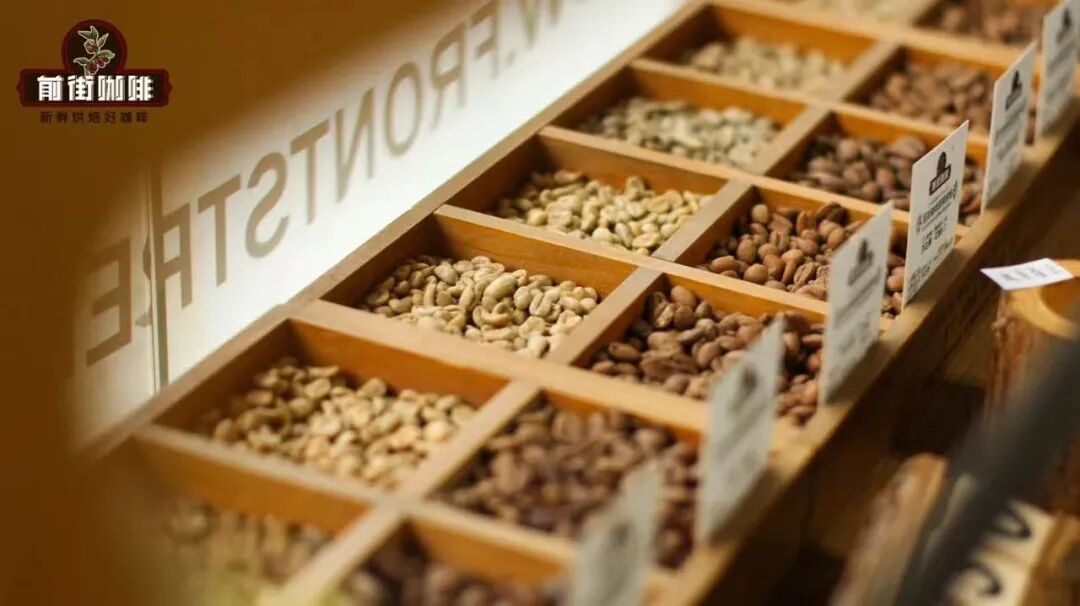
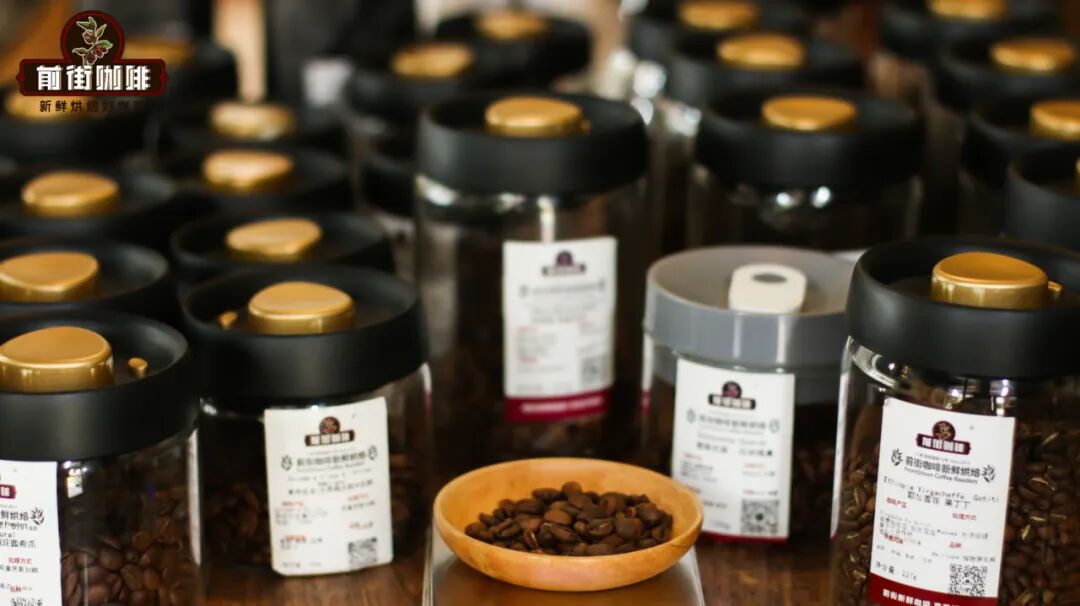
Yesterday afternoon, a customer friend asked Front Street: "If you blend all thirty-plus kinds of beans on your blackboard together, wouldn't the coffee brewed be super delicious?"This actually isn't the first time Front Street has received such a question. Since many merchants have started promoting blends of four or even more types, beginners often think: the more varieties of coffee beans used in a blend, the better.
But in fact, this isn't the case. The quality of a blended coffee cannot be equated with the number of coffee varieties used in the blend. The main reasons many friends have this misunderstanding, besides being influenced by merchants' promotions, is that they haven't fully understood the concept of blending.So today Front Street will share what blended coffee is, and then use a coffee blended from over thirty kinds of coffee beans to show everyone why the number of coffee beans in a blend isn't better the more there are!Blended coffee, also called mixed coffee, is a coffee category made by mixing two or more different beans. Although we only need to mix different coffee beans together to make a blend, things are often not as simple as imagined! Because blending is a technical skill~Blending can achieve many possibilities that single-origin beans at the same price point find hard to achieve! Through blending, we can make the created beans achieve the effects we want. This includes but is not limited to: making a "hexagonal warrior" that performs excellently in all aspects, with outstanding flavor and mouthfeel; or using blending to make a highly cost-effective coffee with extremely low cost but remarkable flavor; or making the produced coffee more stable...
As everyone knows, coffee is an agricultural product, and its taste is affected by many factors. So even for the same kind of coffee bean from the same plot, the quality and taste of each batch will differ from the previous batch. If we choose a single coffee bean for coffee production, then every time the batch changes, the stability of the output will be affected by the change in taste. Blending can solve the problem of unstable taste!By blending several different coffee beans together, the coffee's flavor is no longer from a single source, because its flavor is composed of several coffee beans together. This is also equivalent to diluting the importance of each bean. When a certain bean in the blend fails to meet expectations in the new crop season, or when it cannot be sourced, it can be replaced with other similar beans to maintain stable taste.(There are changes, but not very big) In addition, we can also create a highly cost-effective coffee through blending. The so-called high cost-effectiveness means that this bean's performance will far exceed single-origin beans at the same price. Because blending can make up for shortcomings by leveraging strengths, we can use the strengths of one bean to fill the shortcomings of another coffee bean, while the other coffee bean happens to have the strengths that this coffee bean lacks. Combined with each other, they become a "hexagonal warrior" that is excellent in all aspects but not high in cost.(For example, the Front Street Warm Sun Blend in Front Street's bean list is exactly like this!).Or create entirely new flavors through the fusion of flavors...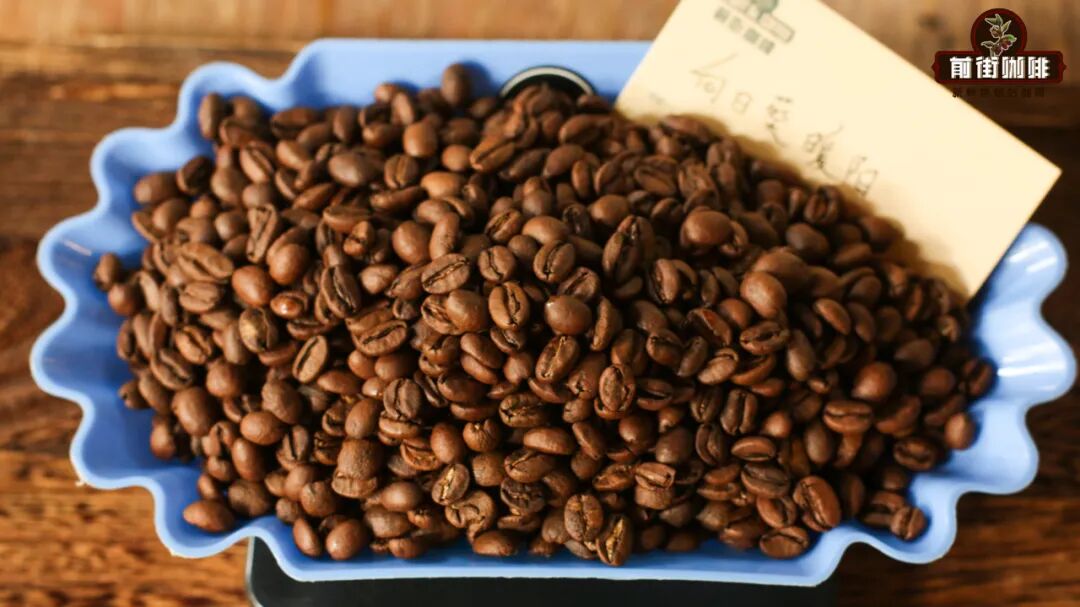
In summary, we can know that blending is a way to avoid the defects of a single bean type by combining the characteristics of different beans, rather than simply stacking up the number of varieties. So if we simply stack up the number of varieties, what kind of situation will occur? Let Front Street experiment!
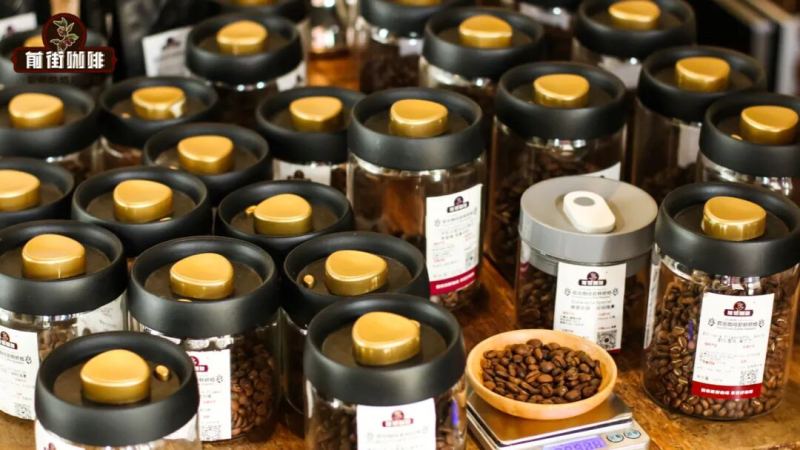
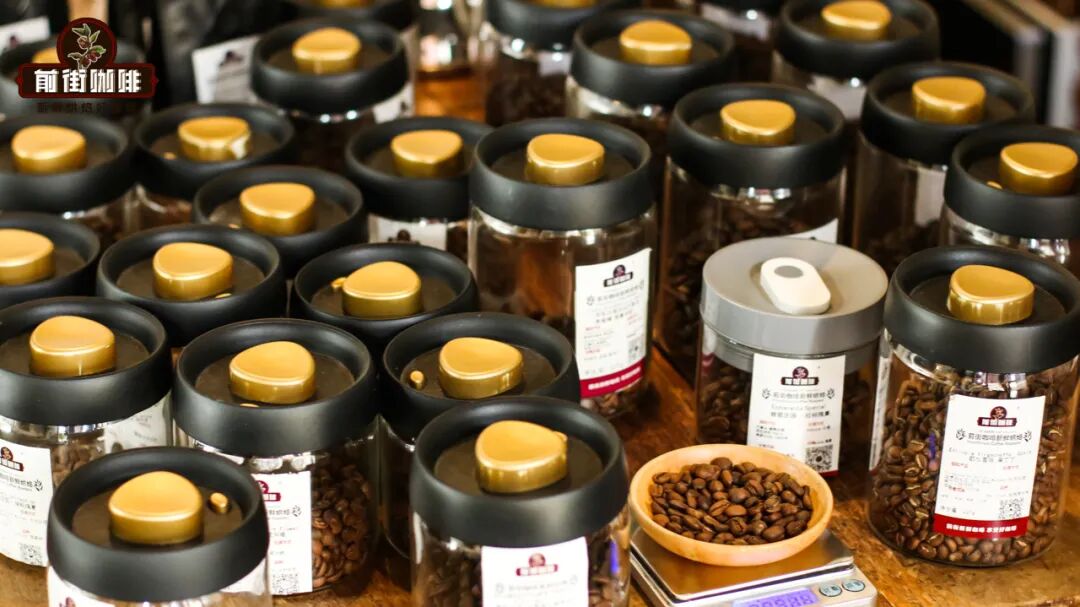
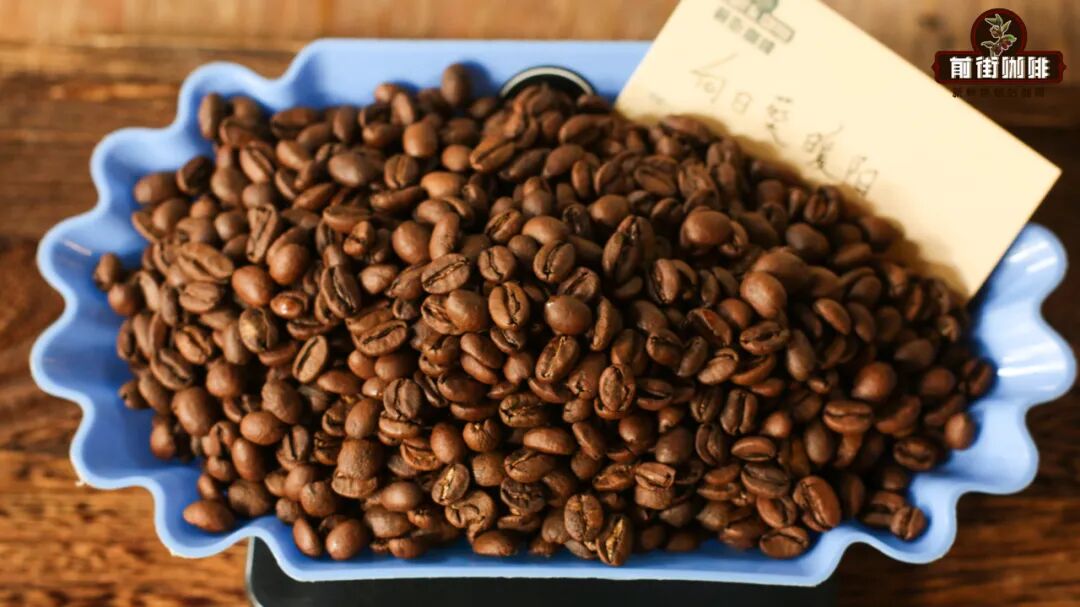
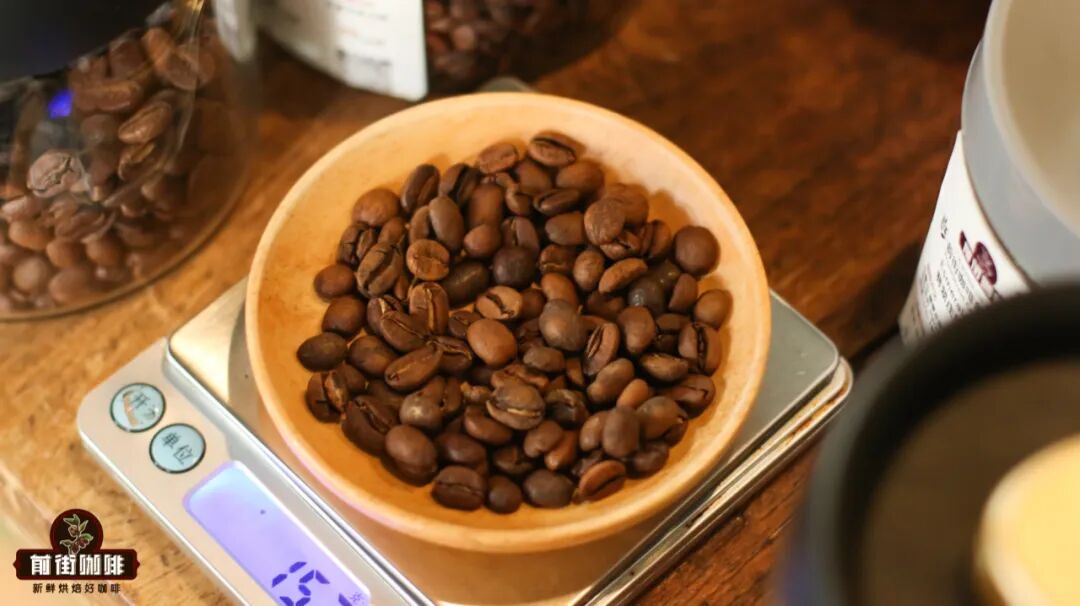
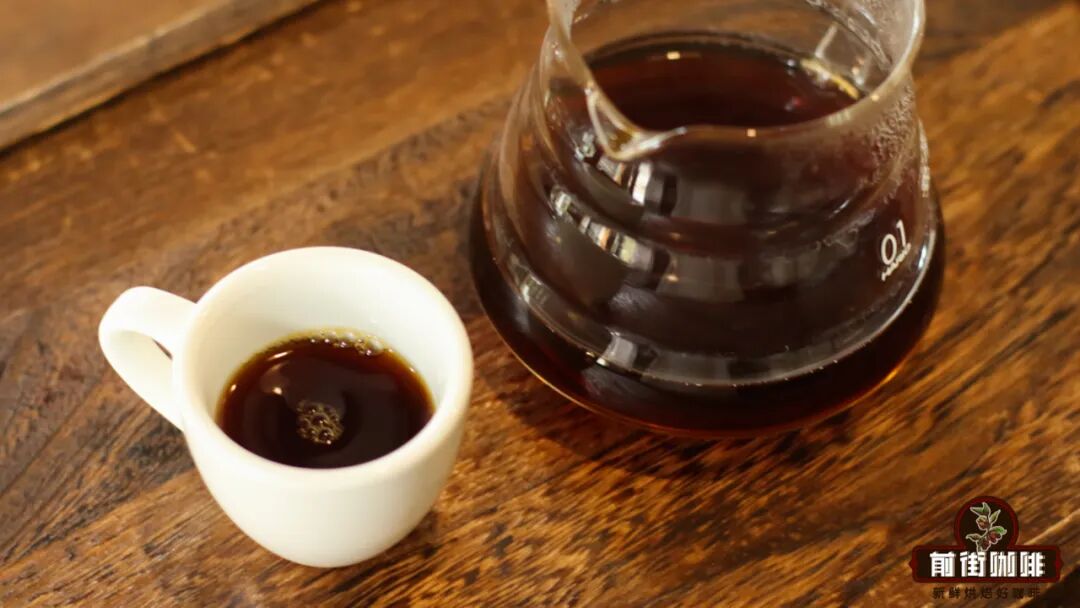
Front Street took 3 beans from each of the more than 30 different coffees sold in the store to combine into a 15g blended coffee, and then "cooked" it by pour-over. The extraction parameters were the usual formula for brewing light-roast coffee, but because the purpose of this experiment was not brewing, the parameters and process are directly skipped.This special blended coffee bean still had a slight berry and spice aroma when ground into powder, but after being brewed into coffee, almost no flavor could be tasted. Although it had a good mouthfeel and a long finish when drunk, there was no prominent flavor. It was very messy, very vague, and so was the taste.The reason this situation occurs is that too many coffee beans were used, and in equal amounts, so no single coffee bean could serve as the core to support the taste of the entire cup. Therefore, the various flavors canceled each other out, and the flavor was vague. If this is hard to understand, then everyone can think of the modeling clay you once played with!
Everyone has played with modeling clay, right! When we knead modeling clay of various colors together, what appears is not the imagined colorful clay, but instead a single grayish-brown color. Although the principle is different, the reasoning is similar, and blended coffee is the same.When the number of coffee beans used in our blend increases, the more we need to pay attention to the proportions between the beans and how well their characteristics match. Otherwise, it will instead weaken the characteristics of the beans and produce the exact opposite effect.And this greatly tests the blender's understanding of each coffee bean!
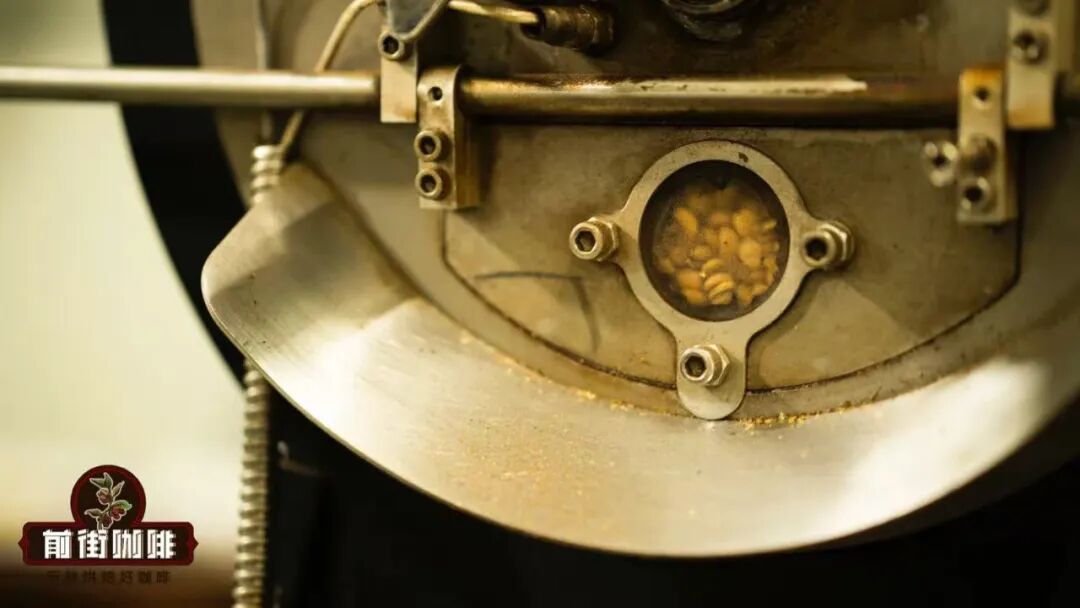
Then, the more beans used, the more complex the blending process becomes. This is not only because the characteristics and amounts of each bean must be adjusted, but also because the beans differ in size and density, so they require different roasting curves.Simply put, if you want to obtain the ultimate experience, then the beans should at least be similar in roast level, even if not identical. For this, we need to adopt the post-blending method. Post-blending means blending after each bean has been roasted separately. When the types of beans used in the blend increase, the more roasting batches we need.
Although the blending process is more complex, when there are too many types of beans, the actual effect obtained is not proportional to the effort put in. Therefore, blended coffee is not better the more types of coffee beans are used! Nowadays, most merchants' blends that we can see use between 2 and 5 types of beans. This is the result obtained after weighing the pros and cons. The above content is compiled by CoffeeHunters, a coffee news website.