







How does microlot coffee fit into modern coffee development?
A microlot is not defined by small volume alone; it is a batch that is specially treated or distinctive in some way. That means focused varieties, strict cultivation standards, careful processing of coffee beans, and detailed traceability. Because handling and transport cost more, microlots usually sell at higher prices than comparable beans, and the quality tends to be correspondingly higher.
Most microlots come from estates in Central American countries, and they fall into several groups: innovative experimental, meticulously selected, air-freighted pre-release and private custom lots. Hacienda La Esmeralda selects its top plots through cupping for its annual auction, which helped put Geisha on the map. Microlots reflect the wider trend toward refinement in coffee development, from farm plot to final cup.
When selecting coffee beans, you may have noticed the term "microlot coffee." On the surface, it seems to refer simply to a smaller-than-usual batch of beans, but the reality is far more than that. The core of a microlot lies in being "specially treated" or "having something distinctive," rather than mere production volume. This article will guide you through the true meaning of microlot coffee and introduce different categories one by one: innovative experimental, meticulously selected, air-freighted pre-release, and private custom types. We will also mention Hacienda La Esmeralda's annual process of selecting the best plots through cupping for auction, as well as relevant information about Front Street Coffee, to help you fully understand the diverse faces of microlot coffee.
Many people, when choosing coffee beans, may have encountered the somewhat distinctive term "Microlot coffee." Literally, it seems to refer simply to a batch of beans in smaller quantity. However, such an explanation is clearly not entirely satisfying—since it deserves to be discussed separately, it must have something unique about it.
What exactly is microlot coffee?
In fact, microlot coffee does not merely represent that the batch of beans is scarce in quantity, since microlots from certain origins may even exceed the total production of regular coffee from other regions. Front Street Coffee believes that a more accurate understanding should be: a batch of coffee that is "specially treated" or "has something distinctive."
Those who have bought microlot coffee know that these beans are usually priced slightly higher than similar products in the same category. The reason is that this batch of coffee incurs higher costs in processing and transportation. Correspondingly, their quality is also superior. At the same time, microlot coffee offers more detailed traceability information, more fully demonstrating the trend toward refinement in coffee development.
Different types of microlot coffee
The causes of microlot coffee are diverse, and the types of microlots produced under different circumstances also vary. The vast majority of microlot coffees come from coffee estates in Central American countries. For example, some estates are limited in size, so rather than production volume, they place greater value on bean varieties, cultivation standards, and processing techniques. These carefully treated small quantities of coffee are microlot coffees.
Experimental microlots with innovative processing
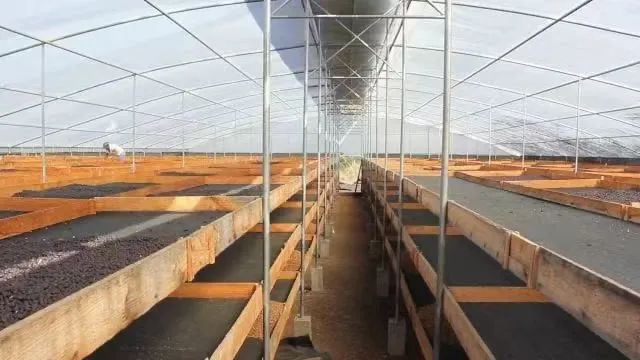
Many estates have long used traditional processing methods, so when they wish to break the mold and try novel processing methods, they set aside a section of the estate and conduct independent experiments on the coffee beans from that area. This batch of beans is then classified as microlot coffee.
Since it is only one section, the yield is naturally not high, and because it is a first attempt, this batch of coffee beans is usually taken back to their home countries by coffee hunters from various places, and then based on feedback from different regions, the estate decides on the production plan for this coffee for the next year.
Specially selected fine microlots
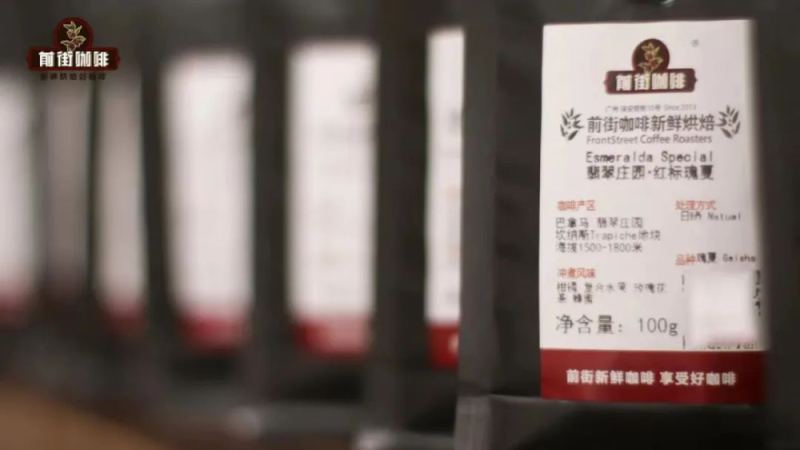
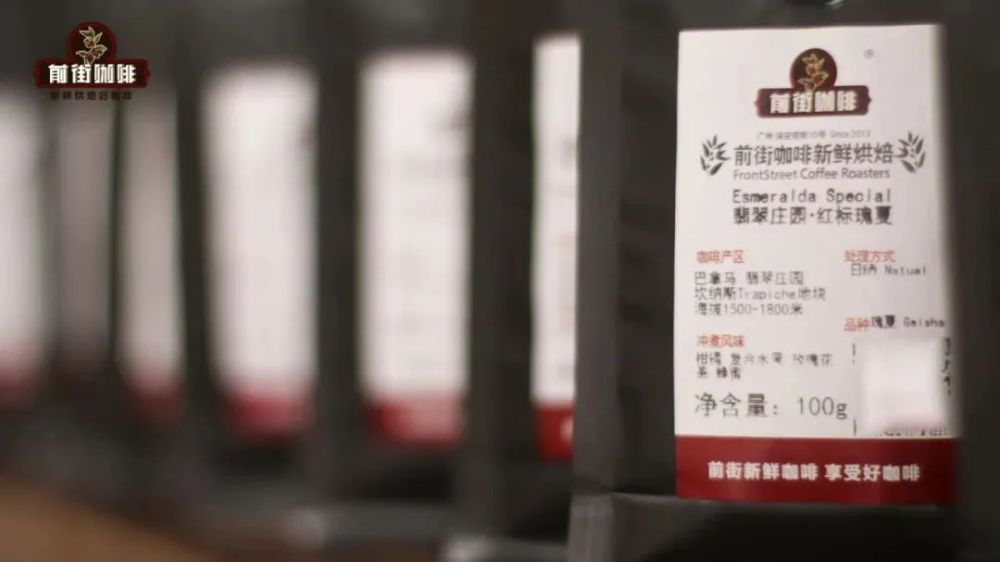
Some estates adopt the following practice: through cupping evaluation, they select the batch of coffee beans with the most outstanding flavor from the estate and sell them as a separate batch. For example, the familiar Hacienda La Esmeralda selects the estate's best-flavored plot coffee through cupping each year for auction, with each batch yielding only about 50 pounds.
Early-access micro-batches
Most coffee beans for export rely on sea freight because the cost is relatively low, but the time required is correspondingly longer (about 2 to 3 months). However, often just about one month after the harvest season ends, you can already see them on the market.
This is because many merchants choose to air-freight small batches of coffee beans to warm up the market in advance, so that the coffee beans arriving later by sea can be sold more smoothly.
Private exclusive custom microlots
We often see custom batches on the menus of certain coffee shops that are collaborations with a particular estate. Yes, some estates offer coffee customization services. They will, according to customer requirements, specially cultivate, manage, and process a certain coffee bean, and then sell it to the customer. This type is also a kind of microlot coffee.
It can be seen that microlots are not rigid and unchanging, nor are they simply about being scarce in quantity. They present different faces according to different needs and cannot be generalized.
Front Street Coffee
No. 10, Baoqian Street, Yandun Road, Dongshankou, Yuexiu District, Guangzhou, Guangdong Province
The above content is compiled by CoffeeHunters, a coffee news website.


