







When you stand at the counter of a coffee shop, looking at the dazzling array of coffee products, such as the common latte, cappuccino, or macchiato, do you feel a bit confused? This time, Front Street Coffee has specially compiledan overview of espresso coffeetypes, not only to help you recognize the differences in various coffee flavors, but also to explain the brewing ratios in detail.
Types of Espresso Coffee
All the espresso coffee products we see are made using espresso as the base, with different proportions of milk, water, or other ingredients added to create a variety of products.
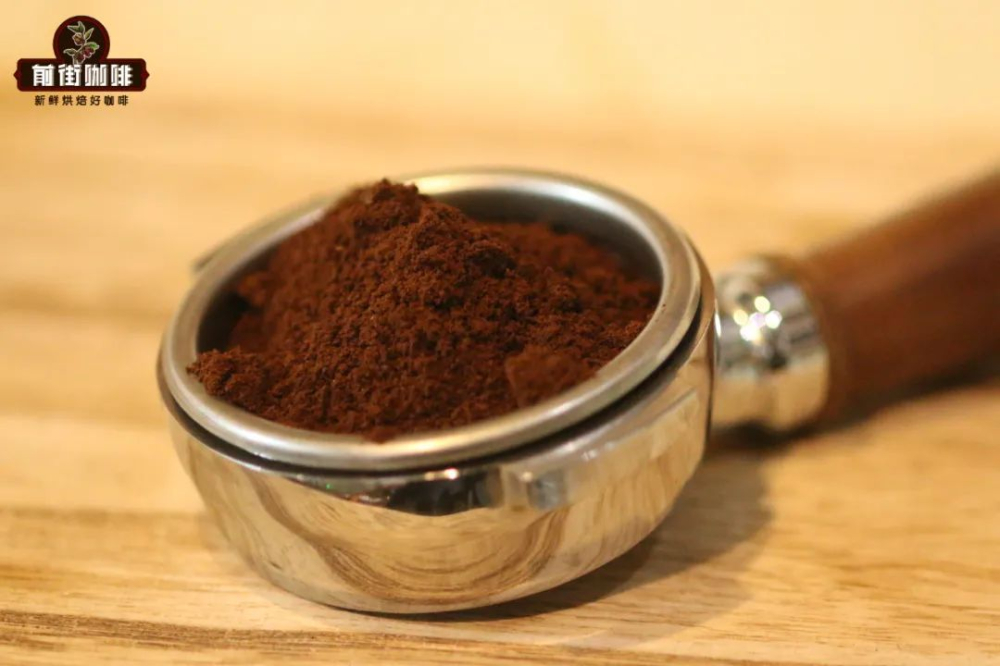
The preparation of espresso requires an espresso machine with pressure capability for extraction. Typically, coffee shops use freshly roasted espresso blend beans/single-origin coffee beansground very fine, then place the coffee grounds into the portafilter basket, distribute and tamp them evenly, and then lock it into the group head of the espresso machine.
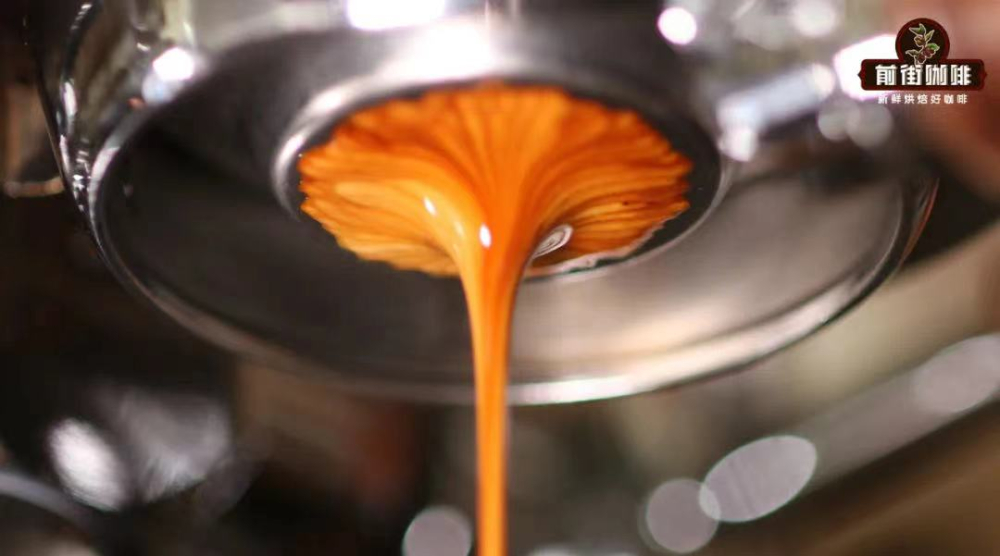
Next, press the extraction button, and 94°C hot water is pressurized in a vacuum environment and quickly passes through the coffee bed, extracting a 1:2 coffee-to-water ratio of highly concentrated espresso. Due to its high concentration, even after adding water/milk or other ingredients, it still retains the coffee's flavor. At the same time, the preparation time is short, so espresso won the affection of consumers as soon as it was invented.
Front Street Coffeeextracts espresso, usingespresso blend coffee beans. This is because blended coffee beans can, through blending beans from different origins, achieve a stability that single-origin coffee beans (single-origin beans) lack (since coffee beans are an agricultural product, their quality and flavor performance each year are affected by terroir and climate).
For daily store offerings, Front Street Coffee uses its own blend, freshly roasted "Sunflower Warm Sun Blend Coffee Beans", using Ethiopian natural Yirgacheffe + Honduran Sherry. The extracted espresso exhibits fermented wine aroma, berries, vanilla cream, and nutty caramel, with a rich and smooth mouthfeel and a distinctive flavor. Whether making espresso milk coffee or Americano, it can express an enticing vanilla cream aroma and fermented wine aroma.
Each extraction of espresso will have different dosage limits depending on the size of the portafilter basket. Front Street Coffee, when making a single shot of espresso (1 shot), uses 10-11g of coffee grounds to extract 20-25g of coffee liquid, with an extraction time of about 22 seconds; when making a double shot of espresso, it uses 19-20g of coffee grounds to make 35-40g of coffee liquid, with an extraction time of about 29 seconds.

How to Make Americano
During World War II, when American soldiers came to Italy, they were not used to the espresso made by Italian espresso machines, so they added a large amount of hot water to the espresso to dilute the taste.
This action amazed Italians, so they called this American-style drinking method "Americano", which means "American" in Italian. When Americans heard this slightly mocking term, not only were they not offended, but they actually felt pleased, so the name Americano spread and specifically refers to the drinking method of diluting espresso with hot water.

There is no fixed rule for the amount of water in Americano; everyone can adjust it according to their preferred strength. Front Street Coffee usually makes Americano using a double shot of espresso (40g), adding 200ml of hot water/ice water mixture.
How to Make Latte
Caffe Latte is Italian, referring to coffee latte, while Latte means milk in Italian. If you go to an Italian coffee bar and tell the barista you want a "Latte", the barista may look at you with confusion and then give you a glass of milk. To get a coffee latte in Italy, you must say "Caffe Latte" to receive an authentic Italian coffee latte.
However, the latte you order in Italy may very likely have no milk foam, because the milk frother was invented relatively late, first appearing in the United States in the 1950s-60s. Before that, lattes were simply espresso with milk, without milk foam.
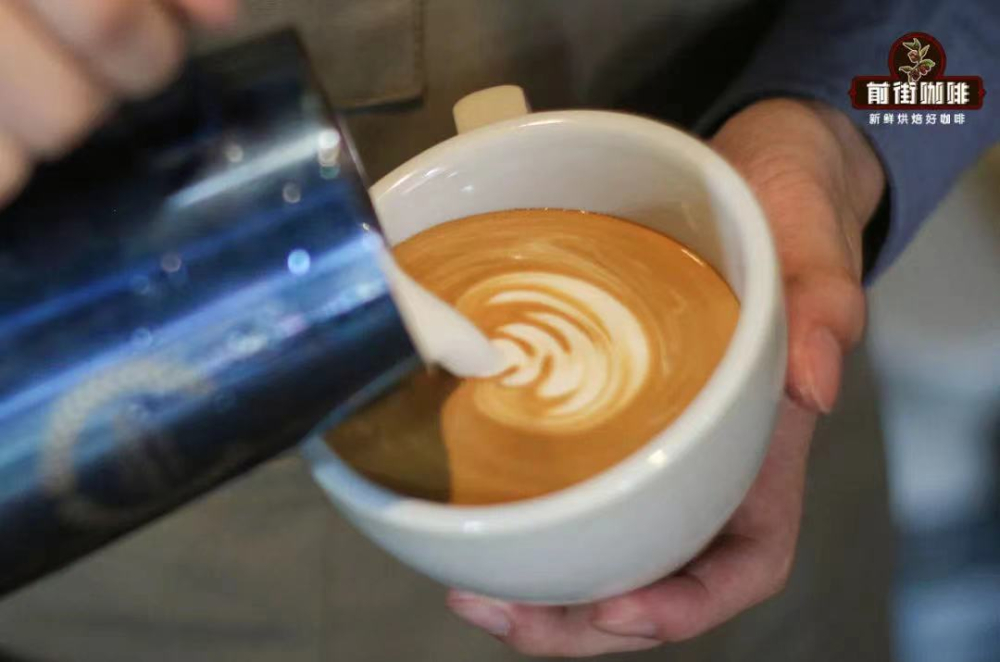
In terms of composition, a latte is one-fifth espresso, two-fifths hot milk, and two-fifths milk foam. The flavor of a latte has espresso and milk as dual protagonists; savoring the integration and balance of the two is the most unique flavor of a latte. Front Street Coffee usually makes latte using a double shot of espresso (40g), adding 250ml of hot milk/iced milk frothed with smooth milk foam.
How to Make Cappuccino
The difference between Cappuccino and latte is that cappuccino has a higher proportion of espresso. It consists of one-third espresso, one-third hot milk, and one-third milk foam. Cappuccino can also be sprinkled with cocoa powder or cinnamon powder for extra flavor. In terms of mouthfeel, it is mainly focused on the coffee flavor, with milk as a complement.
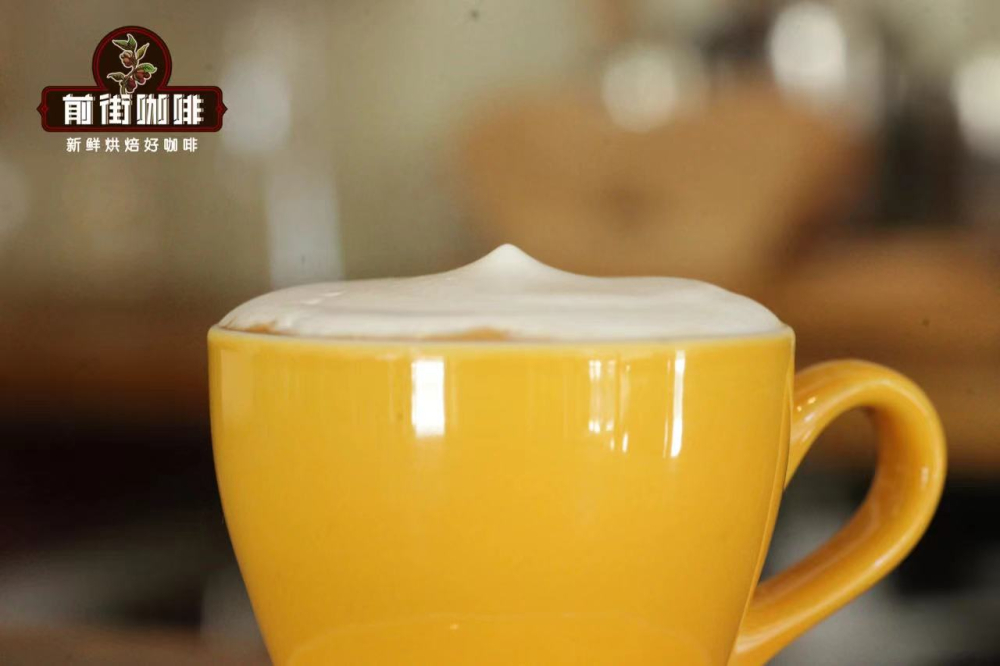
Front Street Coffee, when making cappuccino, usually uses a double shot of espresso (40g), adding 180ml of hot milk frothed with thick, dense milk foam.
How to Make Mocha
Mocha was originally the name of a famous port in Yemen, exporting coffee beans produced in nearby countries/regions. These coffee beans have a rich chocolate flavor, and later mocha coffee also broadly referred to special coffee bean varieties with chocolate aroma. But later the port was dismantled, and in order to drink coffee with the same flavor, Europeans added chocolate sauce/cocoa powder to milk coffee, turning it into the espresso mocha coffee we know today.
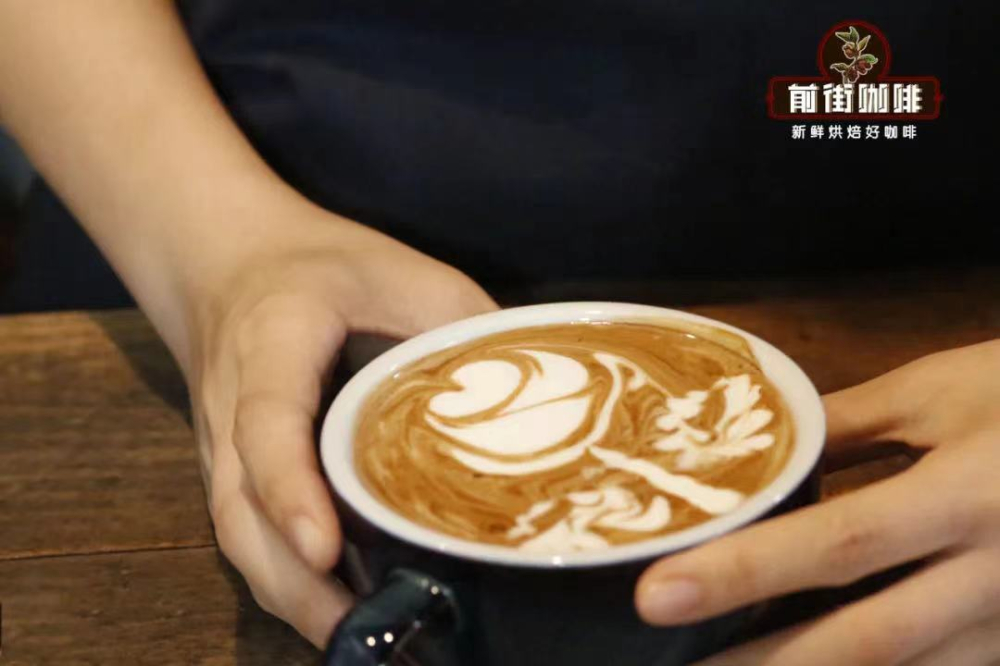
Front Street Coffee, when making latte, usually uses a double shot of espresso (40g) + an appropriate amount of chocolate sauce/cocoa powder, adding 250ml of hot milk/iced milk frothed with smooth milk foam.
The above content is compiled by CoffeeHunters, a coffee news website.


