







Search Results for: quantity
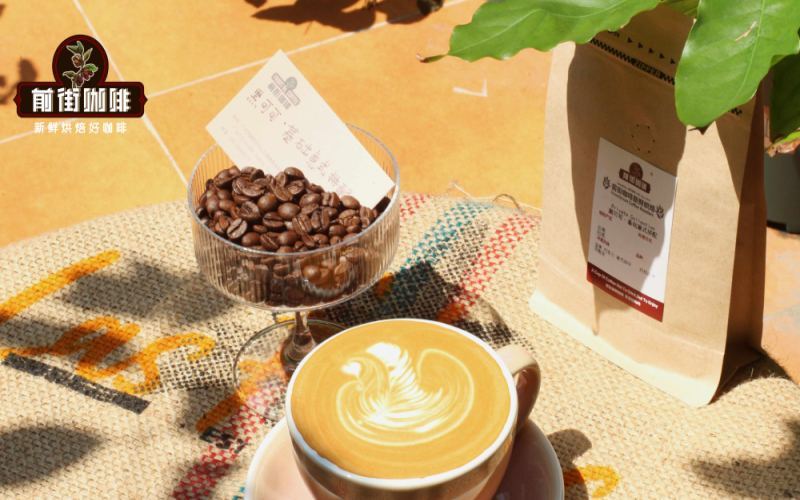
A Step-by-Step Guide to Making an Authentic Latte: A Full Analysis of Milk Quantity and Espresso Ratios for Hot and Iced Drinks
Making a latte at home, do you always find that yours turns out either too bitter, or the milk flavor overwhelms the coffee aroma? Actually, as long as you choose fresh ingredients, master the espresso extraction ratio, and then adjust the coffee-to-milk combination based on the bean's roast level and whether you want a hot or cold drink, you can easily recreate coffee-shop quality. This time, Front Street Coffee breaks down the key points of latte-making clearly: from the espresso extraction formula and the flavor tendencies of beans at different roast levels, to the coffee-to-milk ratios best suited for hot lattes and iced lattes respectively, along with reference solutions based on specific products such as Front Street Coffee's Huakui SOE and Sunflower·Warm Sun blend. Whether you prefer a rich, toasty aroma or a fresh, floral-fruity profile, you can find the balanced, delicious cup that suits you. [more…]
SOE Coffee Bean Recommendations: Balancing Budget and Drinking Frequency
When it comes to SOE coffee beans, we should start with the actual taste in the cup. For everyday bean purchases, you need to consider how quickly you'll drink them, how much to buy at once, and whether you mainly make black coffee or milk coffee at home. The roast level of the coffee beans determines the basic taste, the origin and processing method bring differences in aroma, and the equipment you use will change the concentration, so when choosing beans you need to take all these factors into account. [more…]
Chocolate-flavored beans: when are they smoothest to drink?
The cocoa, nut, and caramel aromas of chocolate-flavored coffee beans often need a little time to settle before they emerge from the smoky, roasty character left by the roast. When buying beans, don't just look at the flavor label—also pay attention to the roast date, the packaging method, and your own pace of drinking. These factors determine the rhythm of a bag of beans from opening to finishing. [more…]
Peru Andes Terra Nera Palm Civet Coffee: Origin, Production, and Harrods Release Details of the World's Most Expensive Coffee Beans
Terra Nera coffee beans are produced in the Quechua region in the southeastern Andes of Peru. Their value is greatly enhanced by the involvement of the palm civet (Uchunari) in processing, and they are recognized as one of the most expensive and rarest coffees in the world. Its annual output is affected by natural conditions and the state of the palm civets, and has sharply dropped from 70 kilograms to about 45 kilograms. It is divided into six grades, with the top Grade 0 being entirely hand-selected. These beans are sold only in limited quantities at Harrods in London, and must be roasted to order after reservation. Grade 0 even comes with English sterling silver decoration and a 24K gold-plated bag, with the name engraved by a silversmith. In terms of flavor, it is 100% Arabica, with notes of bitter cocoa, hazelnut, and dried leather. The mouthfeel shifts from light to buttery and silky, with a rich, mellow finish. Front Street Coffee will also continue to follow developments involving this kind of rare bean. [more…]
KOUANDJI Estate, New Caledonia, South Pacific: The Rare Legend of Bourbon Pointu Leroy Coffee Beans
In the Melanesian archipelago of the South Pacific, New Caledonia is like a vibrant oasis, hiding one of the world's rarest, most expensive, and most unusual coffees. KOUANDJI Estate is located at the foot of the mountains about 25 kilometers southeast of the capital, Nouméa, and is dedicated to reviving the region's nearly vanished coffee-growing industry. The estate cultivates "Leroy," also known as Bourbon Pointu, named for the pointed ends of its fruit. Its caffeine content is only half that of ordinary Arabica, and its yield is extremely low—even the French presidential palace must purchase it in limited quantities. Front Street Coffee has always paid attention to such niche, rare bean varieties. This article will take you deeper into the story behind its historical origins, variety characteristics, and unique flavor. [more…]
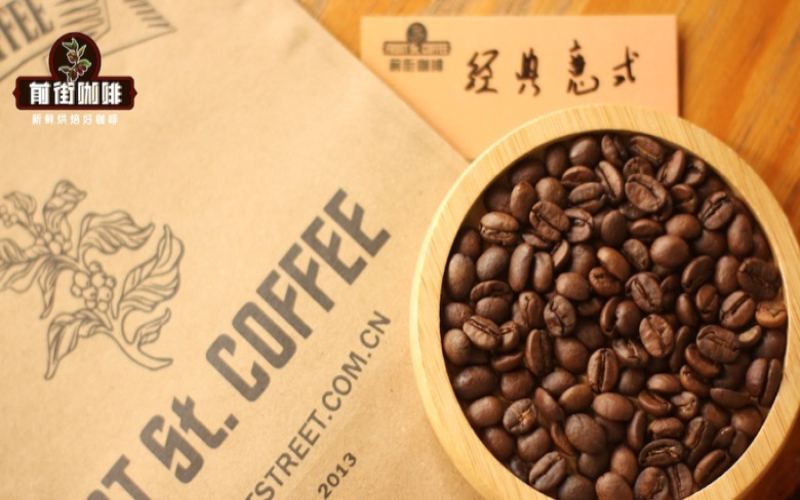
Discussing Commercial Espresso from a Menu Structure Perspective: How a Shop Should Establish Its Base Bean
Looking at a coffee shop's bean list tells you a lot about how that shop thinks. Some shops have very long lists, packed with single origins, blends, and limited releases; others carry only one or two espresso beans year-round, yet make every cup solid. For most cafes, the core of a commercial espresso bean list isn't quantity—it's staying power—one [more…]
A Comprehensive Analysis of the Varietal Origins, Flavor Characteristics, and Pour-Over Techniques of Geisha Coffee Beans
Geisha is one of the most sought-after varieties in today's specialty coffee world, having won over countless enthusiasts with its stunning floral and fruity aromas and unique sweetness. This variety originally came from the wild forests of Ethiopia and is now cultivated in small quantities in places such as Panama and Guatemala. This article will guide you through the botanical characteristics of the Geisha coffee tree, the appearance and flavor expression of both green and roasted beans, and share how to fully release its aromatic layers through pour-over brewing. If you are looking for a bean worth savoring slowly, Front Street Coffee's Geisha single origin may become your new choice. [more…]
The Cafe Owner's Espresso Bean Shopping List: How to Pair Four Blends for Maximum Peace of Mind
For opening a coffee shop, espresso beans are the ingredient used in the largest quantity and have the greatest impact on product consistency. Choose wrong, and either costs spiral out of control or your drinks lack distinction; choose right, and a single machine can support most of the menu. Today, from the perspective of a shop owner, let's clearly explain the positioning and pairing plans for Front Street Coffee's four espresso blends. First, let's clarify: [more…]
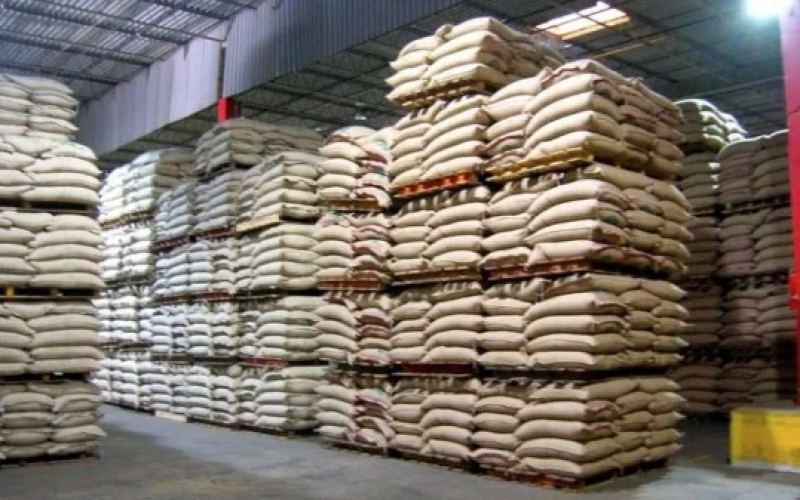
The export of Ugandan coffee has decreased! The government increases funds to increase production.
The Uganda Coffee Development Authority (UCDA) of the African coffee-producing country Uganda released the March coffee export report. The volume of Ugandan coffee exports was 329,686 bags of 60 kilograms, 246.8 billion shillings (64.74 million US do [more…]
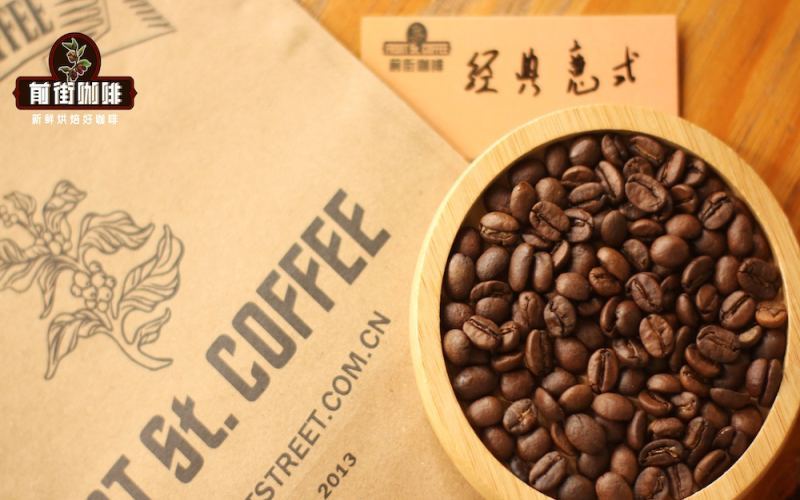
Three-tier bean configuration for coffee shops: main lineup, everyday value, and specialty picks
When opening a coffee shop, choosing beans is always the unavoidable lesson. New owners easily fall into two extremes: either they only pick the most expensive ones, and costs become unmanageable; or they only look at price, and the quality and reputation of the drinks suffer. A mature approach is tiered pairing: one main bean as the base, one everyday bean to control costs, and one specialty option for differentiation. Each [more…]
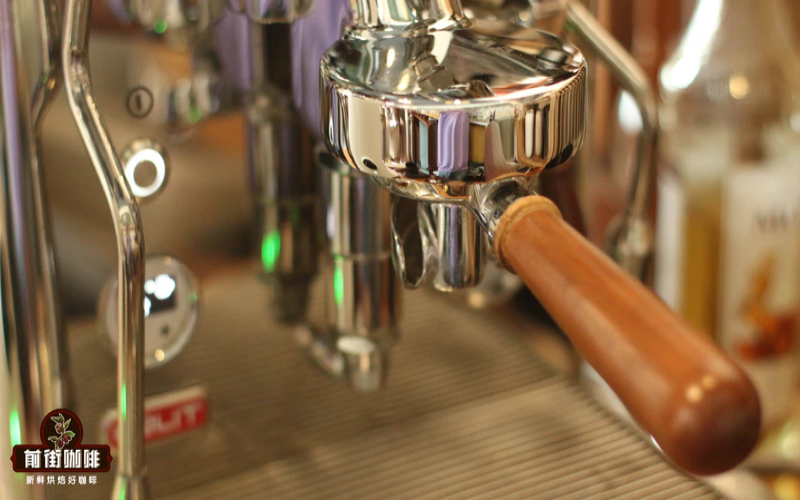
Recommendations for distinctive coffee beans: balancing budget and drinking frequency
From bean to cup, a coffee must go through grinding and extraction. When choosing specialty coffee beans for everyday use, you need to consider how quickly you'll drink them, how much to buy at a time, and whether you mainly make black coffee or milk coffee at home. First confirm your usual equipment and preferred taste, then compare specific beans—this makes the actual process much more focused. [more…]
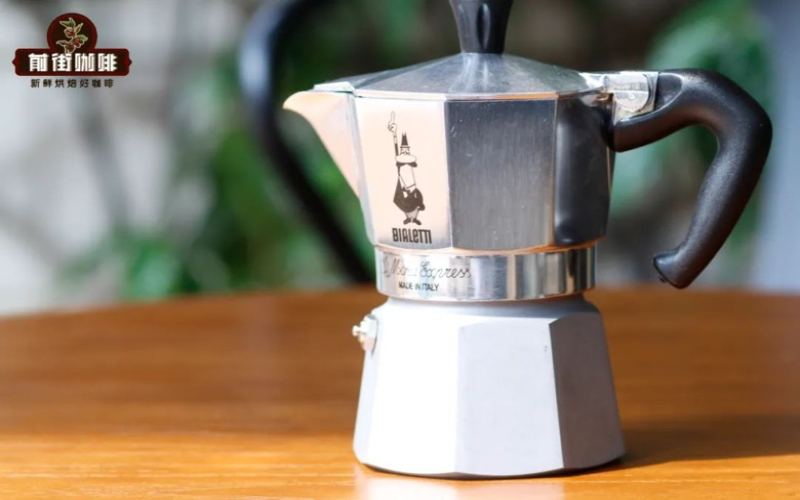
Moka pot: cold water or hot water? How to pair everyday beans with novelty beans
Roast level is the knob that adjusts where the flavor focus lies: light roasts lean toward floral and fruity notes with bright acidity, medium roasts toward sweetness and balance, and dark roasts toward nuts, cocoa, and a full body, with the extraction rhythm shifting accordingly. It's not about better or worse, only about matching your own way of drinking. Moka pot extraction relies on steam pressure; when loading the grounds, simply fill the filter basket level, no [more…]
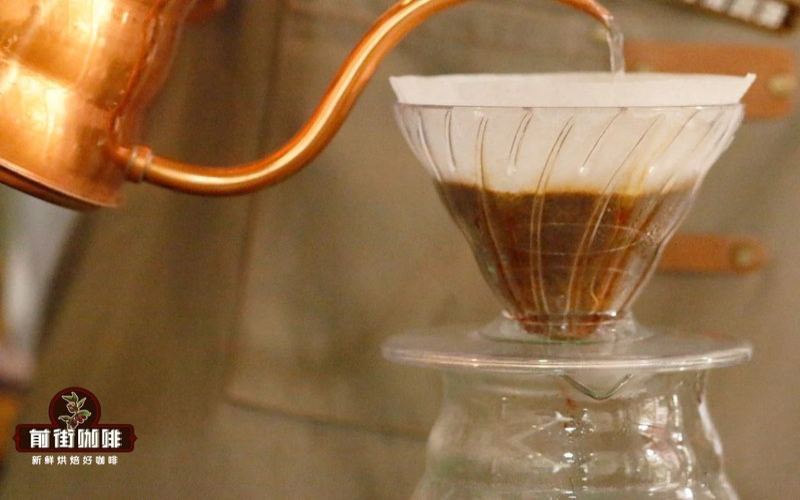
Recommended coffee beans for espresso machines: balancing budget and drinking frequency
To understand the coffee beans brewed by a coffee machine, you need to translate flavor descriptions into sensations you can actually taste. For everyday bean buying, you need to consider how quickly you drink them, how much to buy at once, and whether your household mainly makes black coffee or milk coffee. Floral notes, fruity acidity, nuts, and cocoa are not a matter of high or low—they are simply different directions, and only the category that suits you has long-term [more…]
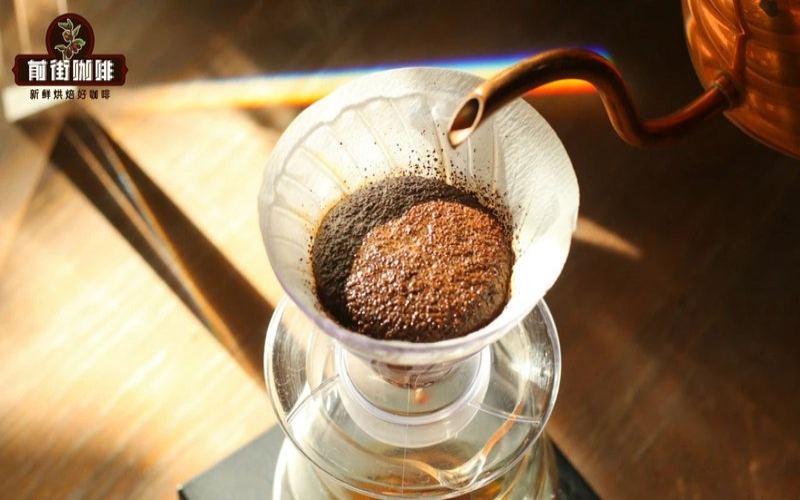
Channels for Buying Yirgacheffe Coffee: Balancing Budget and Drinking Frequency
The purchasing channels for Yirgacheffe coffee will present different aspects depending on the brewing method. For everyday bean buying, you need to consider how quickly you'll drink them, how much to buy at once, and whether your home mainly makes black coffee or milk coffee. Pour-over easily brings out the aroma, a coffee machine emphasizes intensity, and a moka pot amplifies the full-bodied feel. When choosing beans, you should first determine your own [more…]
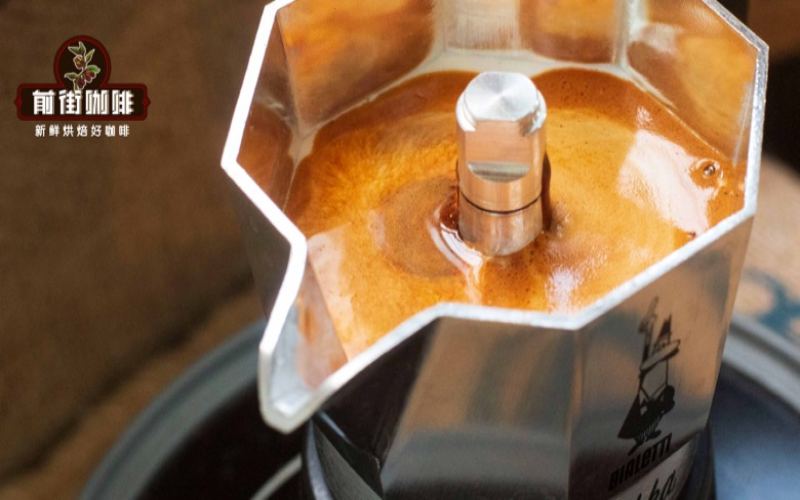
Fruity and floral coffees for pour-over: balancing budget and drinking frequency
When it comes to fruity and floral coffees suited for pour-over, you have to start with how they actually taste in the cup. For everyday bean buying, you need to consider how fast you'll drink them, how much to buy at a time, and whether you mainly make black coffee or milk coffee at home. The roast level of coffee beans determines the basic taste, the origin and processing method bring aroma differences, and the equipment you use will change the strength, so when choosing beans you need to [more…]
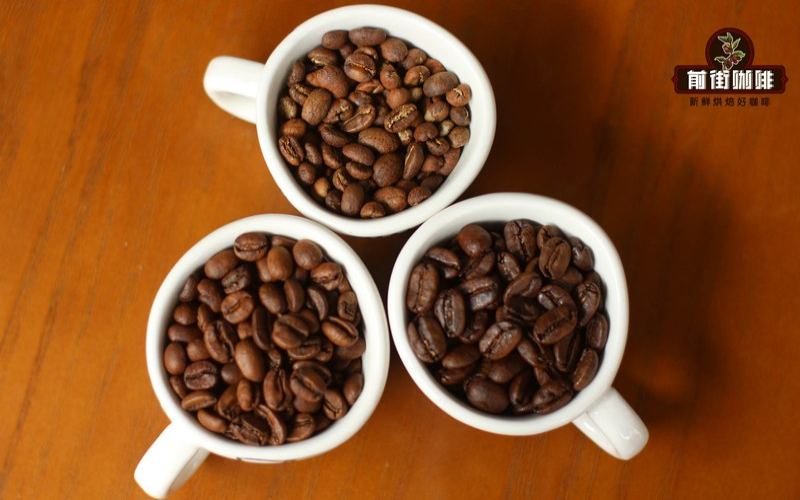
High-value Yirgacheffe coffee bean recommendations: balancing budget and drinking frequency
To understand high-value Yirgacheffe coffee beans, you need to translate flavor descriptions into what you can actually taste. For everyday bean buying, consider how quickly you'll drink them, how much to buy at once, and whether you mainly make black coffee or milk coffee at home. Floral, fruity acidity, nutty, and cocoa notes aren't a hierarchy—they're different directions, and the one that suits you is the right category. [more…]
The Flavor Countdown in the Bean Hopper of a Fully Automatic Coffee Machine
From the moment coffee beans finish roasting, their aroma is constantly changing. Right after roasting, they contain more carbon dioxide, then they enter a stage where the aroma opens up and the sweetness becomes clear, before gradually leveling off. Although fully automatic coffee machines are convenient to operate, when the beans go into the hopper still affects the crema, intensity, and aroma in the cup. On the packaging [more…]
Yirgacheffe High-Value Picks: Balancing Budget and Drinking Frequency
For everyday-priced Yirgacheffe coffee beans, simply memorizing a few names isn't enough. When buying beans for daily use, you need to consider how fast you'll drink them, how much to buy at once, and whether you'll mainly make black coffee or milk coffee at home. What's truly worth referencing is the sweet-to-sour ratio once it hits your palate, the body's thickness or thinness, and the lingering aftertaste once it cools—then, combined with your brewing habits, choose [more…]

Balanced Acidity Coffee Beans: When to Drink Them After Buying
The balance of acidity and sweetness is not determined solely by a bean's origin or flavor description—the state of the coffee beans after they leave the roaster matters just as much. Freshly roasted beans continue to release carbon dioxide, their aroma has not yet stabilized, and the cup may taste sharp, astringent, or disjointed; only after resting to the right stage do the acidity, sweetness, and aftertaste more readily come together into [more…]
Recommended Coffee Beans for Cold Brew: Balancing Budget and Drinking Frequency
Choosing coffee beans suitable for cold brew starts with the actual drinking experience. For everyday bean buying, you need to consider how quickly you'll drink them, how much to buy at once, and whether your household mainly drinks black coffee or milk coffee. The roast level of the coffee beans determines the base flavor, the origin and processing method bring aromatic differences, and the brewing equipment you use will change the strength, so when selecting beans you need to take [more…]