







How Does Mandheling Bean Respond to Different Brewing Methods?
The same Mandheling bean can taste very different depending on how it is brewed. Espresso uses a small, concentrated extraction that produces a thick body, while Americano adds hot water for a lighter cup. Pour-over relies on a slower drip, and cold brew steeps for hours. Grind size, water ratio, and contact time decide what lands in the cup, not the bean alone.
A versatile medium-roast blend from Costa Rica, Colombia, and Ethiopia shows these differences clearly. Front Street coffee notes that one bean can taste almost unrecognizable across the four brews, so matching the bean to the method matters more than the label on the bag. The article breaks down brewing parameters and flavor performance for each style.
Black coffee is not simply "coffee without milk or sugar." Although Americano, espresso, pour-over, and cold brew are all made from just water and coffee, they end up presenting completely different aromas, flavors, and mouthfeels due to different extraction methods. This article uses Front Street Strawberry Candy Espresso, a blend, as an example to break down the brewing parameters and flavor performance of four common types of black coffee one by one, while also recommending suitable coffee beans for espresso, Americano, pour-over, and cold brew respectively. Whether you are just starting out or looking to adjust your brewing approach, you can find practical references here and understand why the same bean can create completely different scenery in the cup.
When it comes to black coffee, it is actually a very broad term, generally referring to coffee drinks made only with water and coffee, without any additional ingredients. Americano, cold brew, espresso, and pour-over coffee can all be included in the category of black coffee.
However, although the ingredients appear to be only water and coffee, different preparation methods bring completely different textures. Even when using the same coffee bean, changing the extraction method will produce obvious differences in aroma, flavor, and mouthfeel. Next, Front Street will discuss how the same bean performs when made into several different types of black coffee.
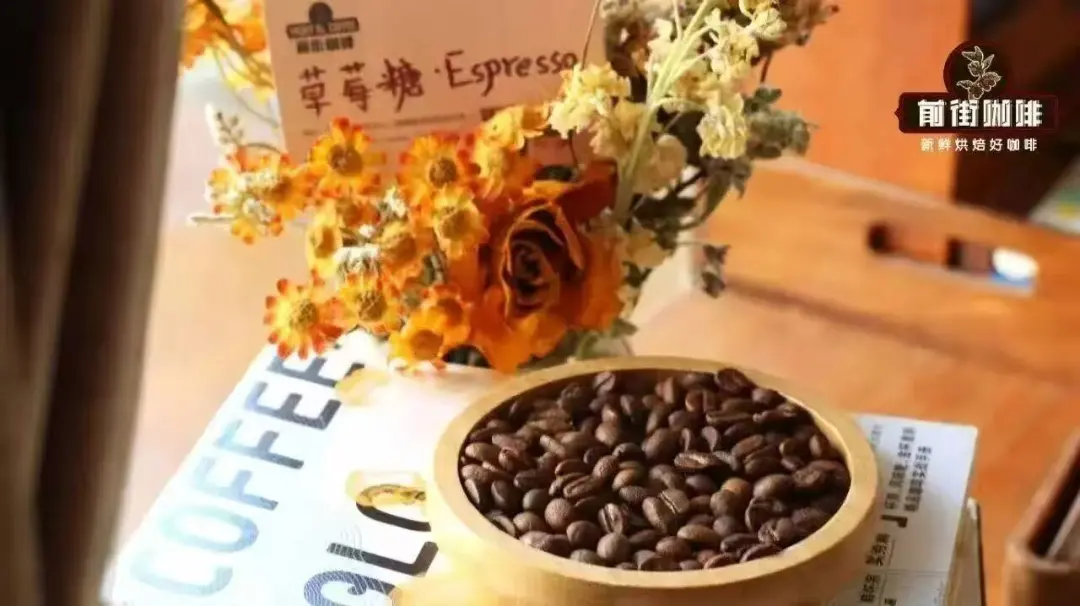
Before the formal comparison, let me introduce the bean used consistently in this test — Front Street Strawberry Candy Espresso. This is a highly versatile blend composed of coffee beans from three producing regions: Costa Rica, Colombia, and Ethiopia. The medium roast gives it both a distinct berry aroma and a relatively balanced flavor profile, with neither acidity nor bitterness standing out excessively, so it is almost suitable for every coffee preparation method.
Front Street chose it as the benchmark bean for this sharing, and it also happens to be on Front Street Coffee's activity list today, so friends who have not joined yet may want to take a look.
1. Espresso
Espresso is a highly concentrated coffee made with an espresso machine. Although the serving is very small, the concentration is extremely high, so the flavor is very concentrated and the mouthfeel is quite thick.
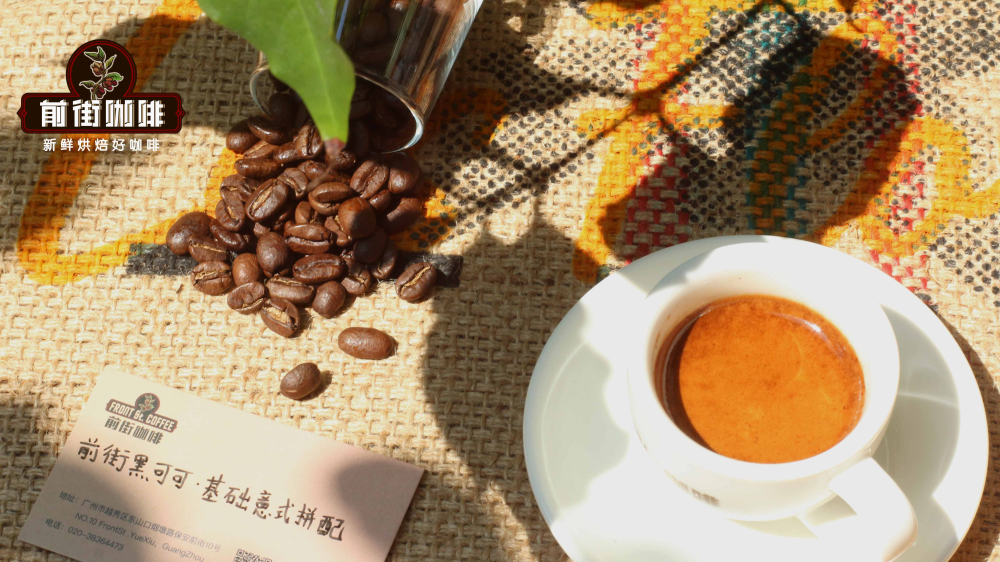
If you want stable results, for espresso you can prioritize Front Street's espresso bean series, such as the classic blend with rich crema, the specialty blend with prominent nutty notes, the commercial blend suitable for cafe use, and the cost-effective basic black cocoa blend.
Taking actual practice as an example, when Front Street makes espresso with Front Street Strawberry Candy Espresso, it uses a 1:2 dose-to-yield ratio and controls the extraction time at around 30 seconds. These parameters are actually not picky about beans, and most coffee beans can use them. The espresso extracted this way is concentrated enough, and the extraction yield keeps up. The flavor performance may not be stunning, but it will definitely be stable and tasty.
The espresso made by Front Street using Front Street Strawberry Candy Espresso with the above parameters has a very concentrated flavor, with notes of berries, cream, and caramel biscuit. The mouthfeel is full and solid, and the overall taste is balanced. It is just relatively high in concentration, so it tastes fairly intense, but still smooth, with obvious sweetness returning and a very long finish.
Americano
If you take the espresso extracted above with Front Street Strawberry Candy Espresso as the base and then add about four times its volume of water, it becomes an Americano.
After adding water, the concentration is lowered, the threshold for drinking drops, and both the flavor and mouthfeel become much softer, though it still retains a certain richness and body. Compared with espresso, Americano, because it is less concentrated, can instead present more delicate flavor layers, such as strawberry, grape, cream, and caramel.
Many beans are suitable for making Americano. If you prefer this kind of floral and fruity profile, you can choose Front Street Huakui SOE, Front Street Grana Geisha SOE, and Front Street Red Cherry SOE. Most of them are medium roasts and can retain richer origin character. As long as the parameters are reasonable, it is easy to extract a fresh sweet-and-sour style.
Pour-over Coffee
Pour-over coffee belongs to drip extraction. There are relatively more steps and preparation, but it is not actually difficult to brew, and it is quite forgiving. As long as the parameters are set properly, brewing a delicious pot of coffee is not difficult.
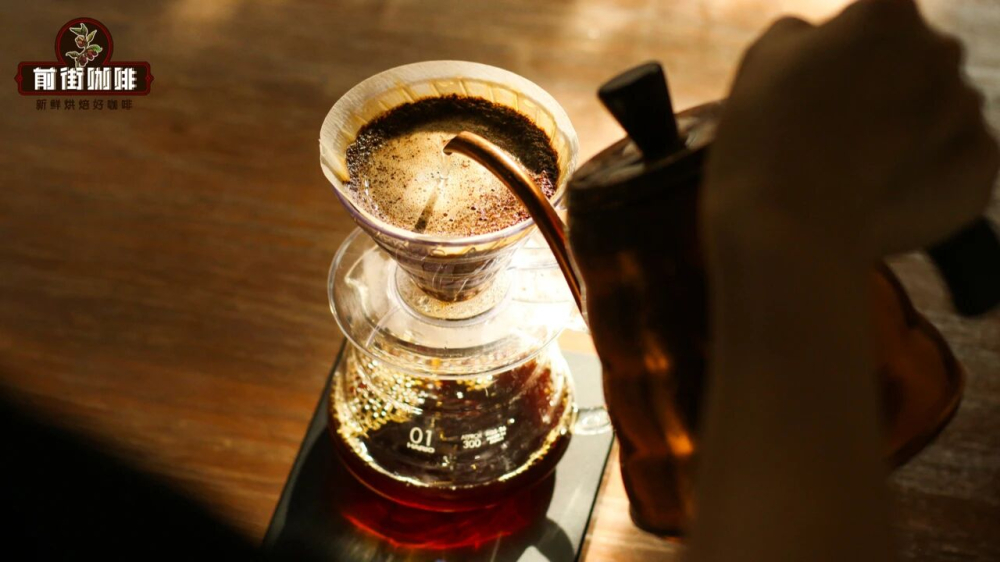
When using Front Street Strawberry Candy Espresso for pour-over, Front Street uses the following parameters: 15g dose, 1:15 coffee-to-water ratio, grind size controlled at a 70%–75% passing rate on a No. 20 sieve, water temperature 89°C, and extraction time about 2 minutes.
The pour-over coffee brewed this way has rich layering. Because both the concentration and extraction yield fall within the appropriate range, the mouthfeel is soft, light, and smooth, the flavor is balanced, and the notes are clear and prominent. You can clearly taste strawberry candy, jasmine, blueberry, caramel, cream, and chocolate, with a long finish and a quite excellent performance.
The most special thing about pour-over is staged pouring under normal pressure, allowing different flavor compounds to dissolve in sequence, thereby bringing richer layers and a longer aftertaste. If you want to experience coffee with a unique style, you can try Front Street Gudingding Cooperative, Front Street PWN Golden Mandheling, and Front Street Boquete Geisha. These beans are all highly recognizable specialty representatives today.
Cold Brew Coffee
Cold brew is different from the previous types. It also uses only water to extract coffee, but it uses cold water soaking. Because extraction efficiency is lower at low temperatures, the preparation time is lengthened. However, the operation itself is actually easier. Just put water and coffee grounds into a sealed container and soak it in the refrigerator. It is so simple that it hardly requires skill.
Because it is an iced drink, it is best to choose light-to-medium roasted beans for cold brew. These beans are richer in fruit acidity and floral compounds, with a light sweet-and-sour mouthfeel, weaker bitterness, and a round body, making them very suitable for summer. When buying beans for cold brew, you can prioritize Front Street Kenya Little Tomato, Front Street Mozart, Front Street Strawberry Candy, and Front Street Blackberry.
When making cold brew with Front Street Strawberry Candy Espresso, the parameters Front Street uses are: 1:10 coffee-to-water ratio, soak for 10 hours, then filter and refrigerate for several hours to ferment.
The cold brew made with Front Street Strawberry Candy Espresso has particularly prominent sweetness. On the one hand, this comes from the bean itself; on the other hand, because the extraction yield of cold-water soaking is lower, bitter compounds do not dissolve in large amounts, so the finished coffee is sweeter than the previous methods.
Its mouthfeel is mellow and full, and the flavor is very clear. You can also taste strawberry, cream, chocolate, and caramel, with a long finish and a satisfying performance.
The above is how the same coffee bean presents differently under different preparation methods. It can be said that each one has its own personality, so even if they are all called black coffee, the actual differences can be very large.
The above content is compiled by CoffeeHunters, a coffee news website.


