








How Can a Coffee Enthusiast Taste Floral Notes in Coffee?
Tasting floral notes in coffee comes down to smell more than taste. The aromas come from compounds such as terpenes, alcohols, and aldehydes that also occur in real flowers, and they reach the nose through both the nostrils and the back of the throat. Slurping, breathing out slowly after sipping, and comparing the cup with an actual flower help these notes register.
Floral character is usually grouped into three types: fresh, subtle, and pungent. Light roasts and washed African lots such as Yirgacheffe tend to show them most clearly, while fruity flavors can mask them. Letting the cup cool for a few minutes and writing down what is smelled often reveals jasmine or rose that was missed at first.
Many coffee enthusiasts feel puzzled when tasting coffee with floral notes—why can others detect jasmine or rose scents, while they only perceive fruity flavors? In fact, capturing floral notes in coffee isn't a talent; it requires understanding the source of the aromas and mastering the correct tasting methods. The floral notes in coffee come from a combination of various compounds such as terpenes, alcohols, and aldehydes, which are also present in real flowers. These substances stimulate our sense of smell and trigger memories and associations with fresh flowers. This article will start from Front Street's tasting experience and systematically explain how to enhance perception by breaking down floral characteristics. It will also introduce three common types of floral notes in coffee—fresh, subtle, and pungent—along with corresponding Front Street bean recommendations to help you more easily detect floral notes in coffee.

However, many friends, including those at Front Street, actually find it difficult to identify floral notes when they first encounter coffee. Therefore, friends often feedback after tasting Front Street-recommended coffee with floral notes that they can't detect any floral notes at all, but instead perceive more fruity flavors. So they come to ask Front Street: How exactly can one taste the floral notes in coffee?
Speaking of which, this matter is neither too difficult nor easy. As long as you understand the source of floral notes in coffee and pair it with appropriate tasting methods, you can relatively easily capture the floral notes from coffee. So today, Front Street will chat with everyone about how to taste the floral notes in coffee! How to taste the floral notes in coffee? Many beginners often have a misconception when experiencing coffee flavors: because everyone always says "taste the flavors," it's easy to think that coffee flavors are entirely discerned by the taste buds on the tongue. But in fact, "tasting" is just an action. To appreciate coffee flavors, besides taste, other senses need to participate together, especially smell—it plays a crucial role in constructing flavors!

The floral notes in coffee come from a complex combination of compounds, such as terpenes, alcohols, aldehydes, and lipids, which are also the main sources of floral aromas. The reason we can perceive floral notes from coffee is precisely because these compounds stimulate our senses, thereby awakening memories of encountering these compounds when smelling fresh flowers in the past (aromas) , creating associations, and ultimately concluding that there are "floral notes." And smell is the primary sense for experiencing floral notes. But as Front Street said earlier, many friends find it hard to capture floral notes in coffee at the beginner stage. The reason is simple: the aromas in coffee are not as pure and complete as those in actual objects. Besides floral notes, coffee contains a large number of other aromatic compounds, so we can associate various flavors from it. But it's precisely because various aromas are interwoven and mixed together that we don't easily identify floral notes.
Don't worry! Front Street will next share a little trick to help everyone better capture the floral notes in coffee. This trick is not hard to say, but not simple either—that is, we need to capture the "essence and outline" of concrete aromas! What does that mean? To put it plainly, it's about identifying specific characteristics! Just as people look different from one another, aromas also differ. When we want to taste floral notes from coffee, we can first try to break down the characteristics of the flower's aroma, then find these characteristics in the coffee, and finally combine them to associate and feel the essence of the floral notes.
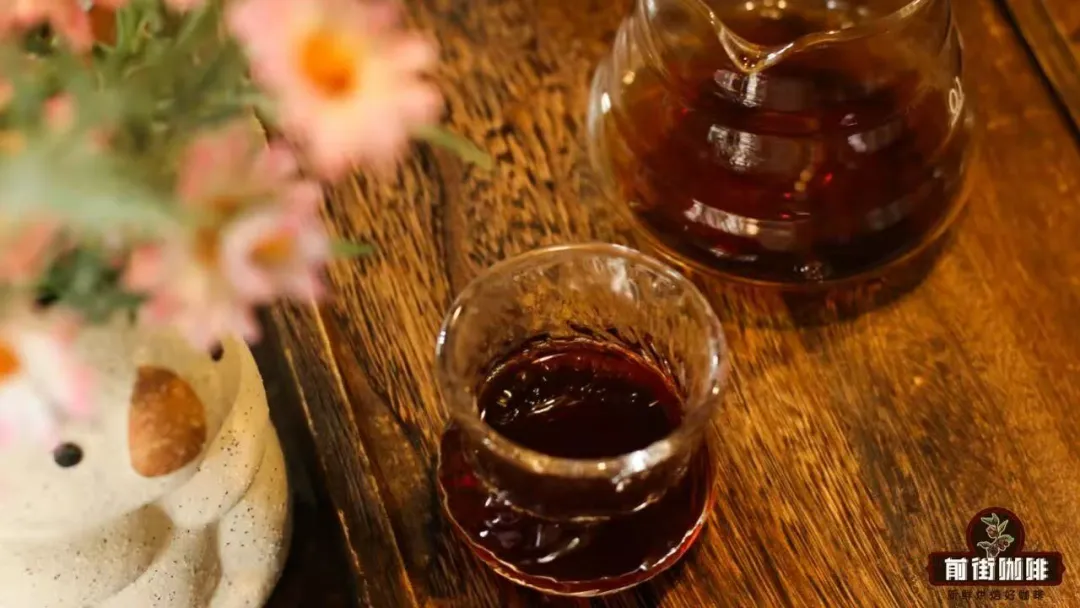
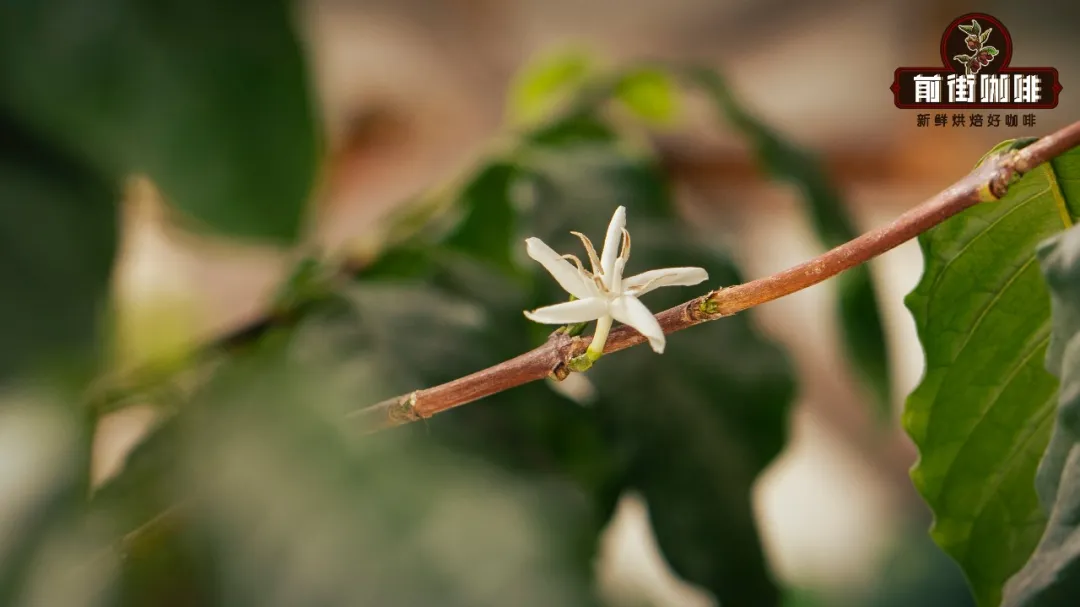
But as Front Street said, the floral notes in coffee are not complete, so we can only identify a rough outline. In coffee, there are three common types of floral notes: fresh type, subtle type, and pungent type. Fresh Floral Notes Fresh floral notes are the most common in coffee and also the easiest type for everyone to perceive. Flowers like jasmine, coffee flower, gardenia, magnolia, and orange blossom all belong to the fresh floral type.
Delicate, refreshing, and elegant are the main characteristics of fresh floral notes. Compared to other floral notes, the fresh type is not too intense but very easy to capture! This type of floral note smells slightly sweet, then has the watery sensation unique to aquatic plants (that is, a fresh and transparent feeling) , along with a soft powdery scent, giving a refreshing and comfortable feeling. Usually, this type of floral note mainly appears in high-altitude coffees from Africa, Central America, and other origins, especially washed coffee beans. In Front Street's bean list, coffees with such floral notes include: Front Street Yirgacheffe·Washed Gutingding, Front Street Panama Boquete·Washed Geisha, Front Street Emerald Estate·Green Label Geisha, etc. These are all washed coffee beans with fresh floral notes, and interested friends might want to experience them.
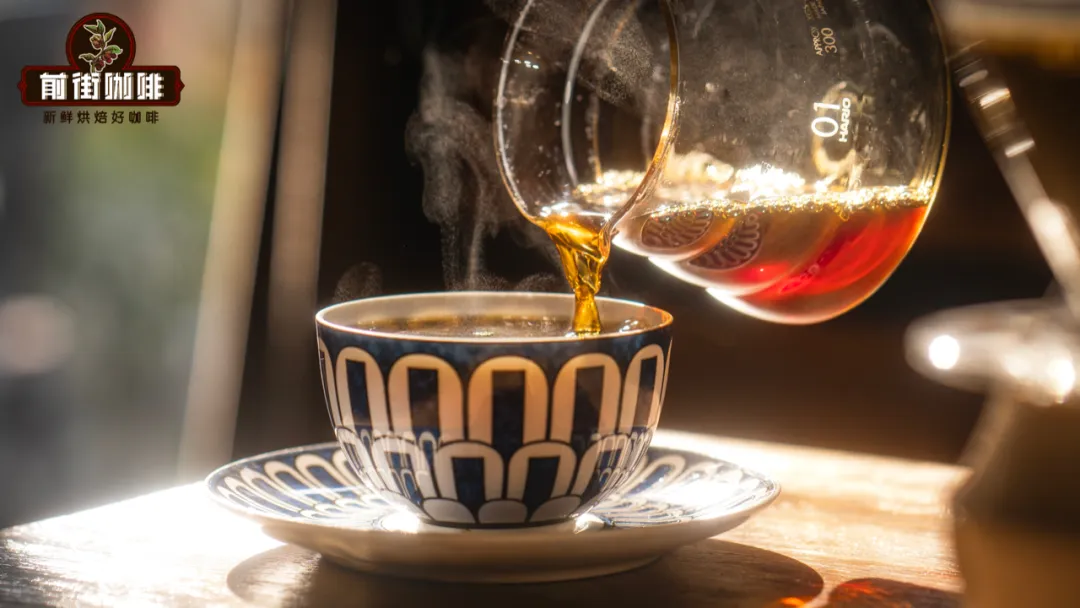
Subtle Floral Notes Subtle floral notes are also a relatively common type in coffee! Lavender, rose, magnolia, violet, etc., all belong to the subtle floral type. Warm, soft, and rich are the main characteristics of subtle floral notes. Compared to the former, subtle floral notes are slightly harder to identify in coffee, but they last longer, and we can feel them by savoring carefully. Usually, this type of floral note appears together with the aroma of ripe fruits in coffee, with a warm and soft tone, carrying a slight woody note, giving a peaceful and healing feeling, easily associated with darker-colored, steady, and elegant floral scents.
And this type of floral note is often captured in high-altitude, deeply fermented coffees from Africa and Central America. For example, in Front Street's bean list, there are: Front Street Ethiopia·ALO, Front Street Costa Rica·Mozart, Front Street Dividing Line Estate·Sidra, etc. These are all coffee beans with subtle floral notes.
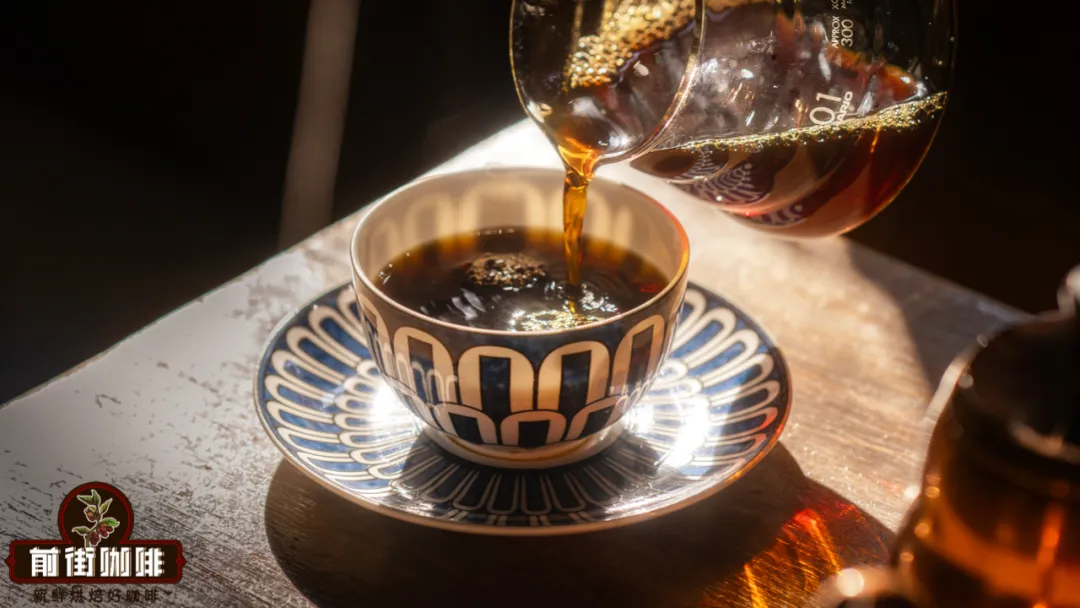
Pungent Floral Notes Finally, pungent floral notes! Pungent floral notes are quite special, but their distinctiveness makes them easier to identify. This type of floral note generally has a slight pungency, accompanied by lemongrass or some spice scents, with a long-lasting taste that is very easy to discern by smell. Chamomile, osmanthus, and other floral notes are typical representatives of the pungent type. However, this type of floral note is relatively rare in coffee. In Front Street's bean list, coffees with such floral notes include: Front Street Gesha Village Estate·Gold Label Geisha, Front Street 90+ Estate's Eleta Geisha.
In addition Of course, besides mastering tasting techniques, we can also use some special brewing methods to make the floral notes in coffee more prominent. Front Street previously shared detailed information in the article "Pour-Over Recipes to Enhance Floral Notes" , and interested friends can click to learn more~
- END -
The above content is compiled by CoffeeHunters, a coffee news website.


