







Search Results for: Coffee Bean Regions
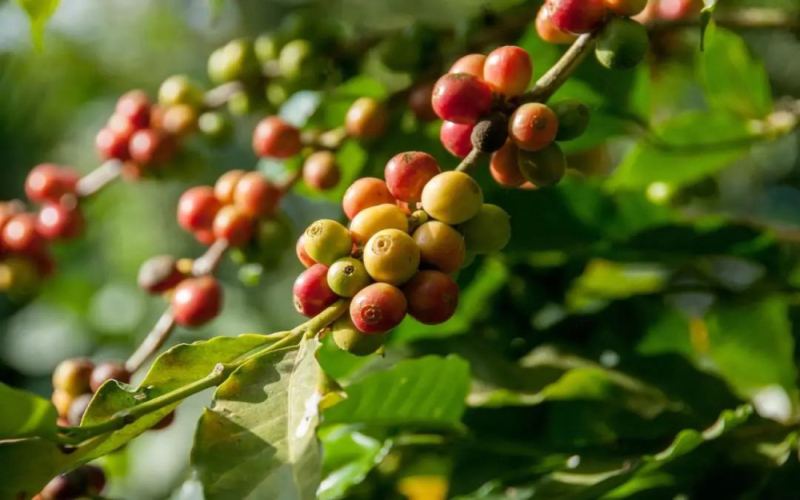
A Complete Analysis of the Main Arabica Coffee Producing Regions: Flavor Characteristics of the Three Major Regions and Introduction of Representative Bean Varieties
Arabica coffee accounts for more than seventy percent of global coffee production and has extremely strict requirements for its growing environment. Starting from the coffee belt on both sides of the equator, the three major producing regions of Latin America, Africa, and Asia-Pacific each nurture distinctly different coffee flavors. This article systematically sorts out the distribution of Arabica's main producing areas, introducing one by one the terroir conditions and cupping characteristics of representative producing areas such as Brazil Cerrado, Colombia Huila, Guatemala Huehuetenango, Costa Rica Tarrazu, Indonesia Sumatra, China Yunnan Baoshan, and Ethiopia Yirgacheffe, while also sharing the selection approach of the Front Street Coffee daily drinking bean series, helping coffee enthusiasts build a cognitive framework for the basic flavors of each producing area. [more…]
Ethiopian Yirgacheffe and Sidamo Regions Explained: A Complete Guide to Brewing and Flavor of Front Street Coffee's Huakui Beans
Ethiopia, as the birthplace of coffee, often confuses beginners with its regional divisions. There are only three officially registered producing regions—Yirgacheffe, Sidamo, and Harar—but the micro-regions actually in circulation are far more numerous. Front Street Coffee will guide you through the relationships among these regions, with a focus on popular sub-regions such as Guji Hambela, Shakiso, and Uraga. The article will also provide a detailed breakdown of the origin information, processing method, and flavor characteristics of Front Street's Huakui G1 coffee beans, along with practical brewing suggestions to help you better savor this natural-process bean with its strawberry and cream aromas. [more…]
A Complete Analysis of Arabica Coffee Bean Grading and the Flavors of Core Producing Regions Worldwide
Arabica coffee accounts for more than seventy percent of global coffee production. Its cultivation conditions are demanding, with high requirements for altitude, soil, and microclimate, so different producing regions display distinctly different flavor profiles. This article focuses on the basic growth characteristics of Arabica and the distribution patterns of the Coffee Belt, systematically reviewing the flavor styles and processing methods of representative origins across the three major growing regions of Latin America, Africa, and Asia-Pacific, including Brazil Cerrado, Colombia Huila, Guatemala Huehuetenango, Costa Rica Tarrazu, Indonesia Sumatra, China Yunnan Baoshan, and Ethiopia Yirgacheffe. It also intersperses introductions to Front Street Coffee's daily drinking bean series, covering the selection approach and product characteristics for each producing region, providing coffee lovers with a complete and practical guide to Arabica origin flavors. [more…]
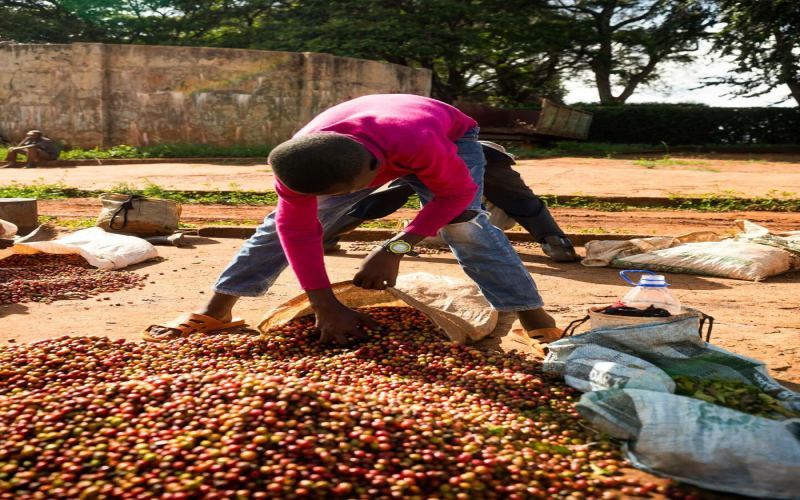
Kenyan Coffee Bean Flavor Code: A Detailed Guide to K72 Washed Processing, SL28/SL34 Varieties, and Acidity Differences Across Growing Regions
Kenyan coffee stands out in the specialty coffee world with its powerful, full-bodied acidity, forming a sharp contrast to the crisp brightness of Ethiopia. From the establishment of the cooperative union in 1931 to the K72 72-hour washed fermentation, from the selection and breeding of SL28 and SL34 to the fine grading of AA, AB, and others, Kenya has built a complete specialty coffee system. This article systematically reviews the historical development of Kenyan coffee, cultivation models, flavor differences among major producing regions, and variety characteristics, and includes roasting and brewing suggestions for Front Street Coffee's Kenyan Asaliya coffee beans, bringing you a comprehensive understanding of the unique charm of this African producing region. [more…]
A Complete Guide to Guatemala's Seven Major Coffee Regions: Hand-Brewed Flavors and Bean Varieties of Antigua and Other Origins
Guatemala is an important specialty coffee producer in Central America, with seven distinctive major regions: Antigua, Cobán, Atitlán, Huehuetenango, Fraijanes, Oriente, and San Marcos. Each region, due to differences in volcanic soil, altitude, and microclimate, nurtures coffee beans with widely varying styles that have repeatedly won international acclaim. Among them, the Antigua region is known for its perfect balance of sweetness, acidity, and body with a hint of smokiness, while the high-altitude environment on the slopes of Volcán de Agua provides ideal growing conditions for premium coffee; its Strictly Hard Bean is plump with balanced acidity, and the giant beans are especially eye-catching. This article will introduce the seven major regions one by one, analyze the pour-over flavor characteristics of coffee beans from each area, and recommend related products from Front Street Coffee to help coffee lovers gain a comprehensive understanding of Guatemalan coffee. [more…]
A Complete Analysis of the Flavor Profiles of Ethiopian Coffee Bean Regions: The Fruity and Floral Acidity from Yirgacheffe to Sidamo
As the recognized birthplace of coffee, Ethiopia has become a specialty entry choice for many coffee lovers thanks to its bright, high-quality fruit acidity and rich floral and fruity aromas. Compared with the expensive Panama Geisha, Ethiopian coffee offers equally impressive acidity at an affordable price. The country has many producing regions, and differences in climate, soil, and altitude give each region a distinct flavor personality. This article will systematically review Ethiopia's main coffee regions, focusing on the washed elegance of Yirgacheffe and the wild natural character of Sidamo, while also delving into the evolution of Huakui coffee, and sharing Front Street Coffee's roasting approach and brewing parameters for Ethiopian beans. [more…]
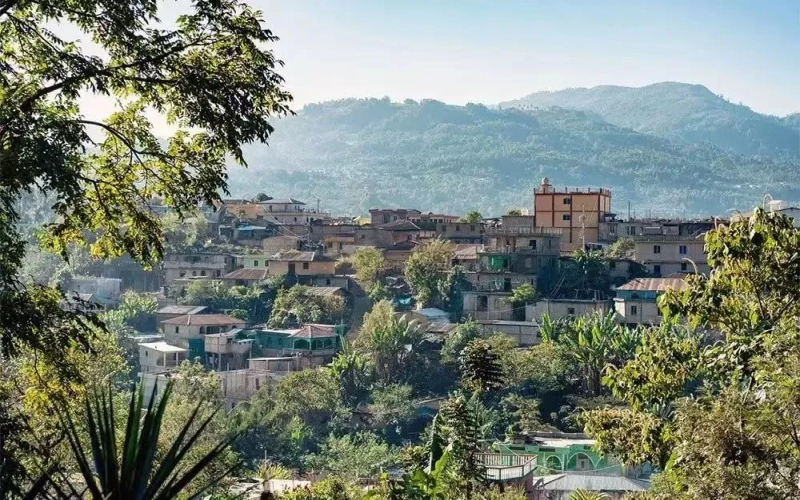
A Complete Analysis of Guatemala's Coffee Regions, Characteristics, and Green Bean Grading System, with Front Street Coffee Everyday Bean Recommendations
Guatemala is located in the Central American volcanic belt, where fertile volcanic ash soil and diverse terrain and climate give rise to outstanding high-grown strictly hard beans. This article will guide you through the cultivation history of Guatemalan coffee and the distribution of its ten major producing regions, with a focus on analyzing the terroir of the most renowned Huehuetenango region, and explain the three-tier grading standards based on altitude: SHB, SEMI-HARD/HARD, and EPW. It will also introduce the entry-level selected Huehuetenango from Front Street Coffee's daily beans series, whose Bourbon, Catuai, and Caturra varieties, after washed processing, present citrus, berry, and nut flavors, with a soft mouthfeel and a tea-like lingering finish. [more…]
Analysis of the Differences Between Ethiopia's Sidamo and Yirgacheffe Coffee Regions and a Comparative Flavor Analysis of Front Street Coffee's Natural Process Beans
Ethiopia, as the birthplace of coffee, is home to many renowned producing regions, among which Sidamo and Yirgacheffe are the most prominent. Yirgacheffe was originally part of the Sidamo region but was separated out due to its distinctive citrus-lemon acidity. From the perspective of Front Street Coffee, this article systematically examines the geographical environment, processing method evolution, and flavor characteristics of Sidamo and Yirgacheffe across three dimensions: region, variety, and processing method. It also provides a detailed comparison of the roasting curves and pour-over parameters of two coffee beans—Front Street Sun-Dried Yirgacheffe Aricha and Front Street Sun-Dried Huakui—to help coffee enthusiasts gain a deeper understanding of the differences and charm of these two regions. [more…]
A Complete Analysis of Ethiopian Coffee Regions: Flavor Characteristics of Nine Specialty Regions and Front Street Coffee Bean Recommendations
Ethiopia is the global gene bank of coffee, with four major cultivation systems—forest, semi-forest, garden, and plantation—that have given rise to nine distinctive regions, including Yirgacheffe, Sidamo, and Harrar. This article systematically reviews the altitude, processing methods, and flavor profiles of each region, and presents the cupping performance and brewing suggestions for several representative beans from Front Street Coffee. From the Gotiti Cooperative to Huakui and Red Cherry, from washed to natural, this guide will give you a comprehensive understanding of this coffee nation hailed as the "taste of a king," helping you find the cup of Ethiopian flavor that suits you best. [more…]
A Complete Guide to Guatemalan Coffee: Terroir of Eight Major Regions, Bean Characteristics, and Brewing Tips for Two Front Street Coffee Signature Selections
Guatemala is one of the most important specialty coffee-producing countries in Central America. With its high altitudes, volcanic soil, and diverse climates, it nurtures richly layered coffee flavors. This article systematically reviews the historical development of Guatemalan coffee, its bean varieties, grading standards, and processing methods, explains in detail the terroir differences among the eight major producing regions, and highlights two Antigua representatives from Front Street Coffee—Floral and Santa Clara—including their varieties, processing methods, roasting approach, and flavor profile, helping coffee enthusiasts build a complete understanding of this producing region. [more…]
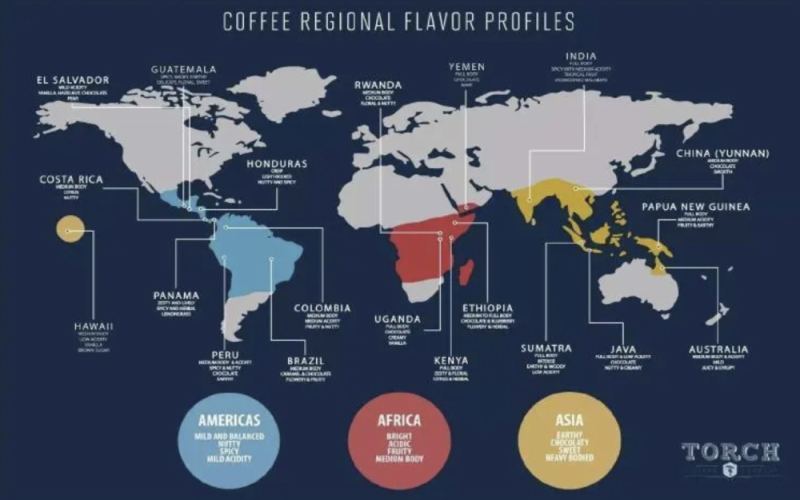
Global Coffee Bean Producing Regions Explained: An Overview of Coffee Belt Climate Characteristics and Flavor Differences Across Three Continents
The growth of coffee trees has strict requirements for the natural environment. The world's major coffee-producing regions are concentrated in a narrow strip between the Tropic of Cancer and the Tropic of Capricorn, known in the industry as the Coffee Belt. This region spans Africa, Central and South America, and Asia, with an average annual temperature above 20 degrees Celsius, warm weather year-round, frost-free winters, abundant sunshine, and ample rainfall, providing ideal growing conditions for coffee trees. Even coffee of the same variety, when grown in different countries or regions, can present completely different flavors in the cup—differences in altitude, climate, and soil give each bean its own unique regional imprint. Front Street Coffee has repeatedly verified this pattern in daily cupping sessions. Starting from the characteristics of producing regions across three continents, this article will sort out their respective flavor trends and representative coffee beans. [more…]
A Complete Guide to Guatemala's Coffee Regions: Variety Characteristics of Eight Major Origins and a Flavor Guide to Antigua La Flor del Café
Guatemala is an important representative of specialty coffee in Central America. Thanks to its volcanic geology, highland microclimates, and high-altitude growing conditions, it produces coffee beans known for bright fruit acidity and a smoky finish. This article systematically reviews the geographical and flavor differences among Guatemala's eight major producing regions, explains the key points of the washed processing method, and introduces representative beans from producing regions such as Antigua, Huehuetenango, New Oriente, and Acatenango one by one. Among the Front Street Coffee staple bean series, Guatemalan coffee and Antigua La Flor del Café beans are ideal choices for experiencing the country's classic flavors, performing excellently whether brewed by pour-over or made as cold brew or ice drip. [more…]

Is there really a link between coffee bean size and flavor quality? A detailed explanation of the origins of the size grading systems in Kenya and Tanzania
In the world of coffee, many producing regions grade coffee beans by bean size—the larger the bean, the higher the grade and the more expensive the price. But does bean size really affect flavor? Front Street Coffee once conducted a comparative experiment, cupping the large and small beans of the same lot separately, and the results showed no obvious difference in taste between the two. So why do regions like Kenya and Tanzania still use size grading today? Behind this lie both historical colonial factors and practical considerations of roasting uniformity. Starting from Front Street Coffee's experiment, this article will sort out the pros and cons of size grading, explain the core factors that truly determine coffee flavor, and describe the flavor performance of Front Street Coffee's Kenya·Little Tomato, a high-grade bean. [more…]

A Complete Analysis of Latin American Coffee Regions: Flavor Profiles and Processing Methods of Coffee Beans from Eight Countries Including Brazil and Colombia
Latin America is one of the most important coffee-producing regions in the world. From Brazil to Colombia, from Panama to Guatemala, each country shapes a distinctively different coffee flavor profile through its unique geography and processing methods. This article systematically reviews the producing regions, bean varieties, processing methods, and cupping performance of eight major Latin American coffee-producing countries, and combines Front Street Coffee's daily drinking bean series with Front Street Coffee's brewing methods to help coffee lovers fully understand the balance and cocoa-chocolate notes of Latin American coffee. Whether you are a beginner just starting out or a seasoned enthusiast, you can find the cup that suits you. [more…]
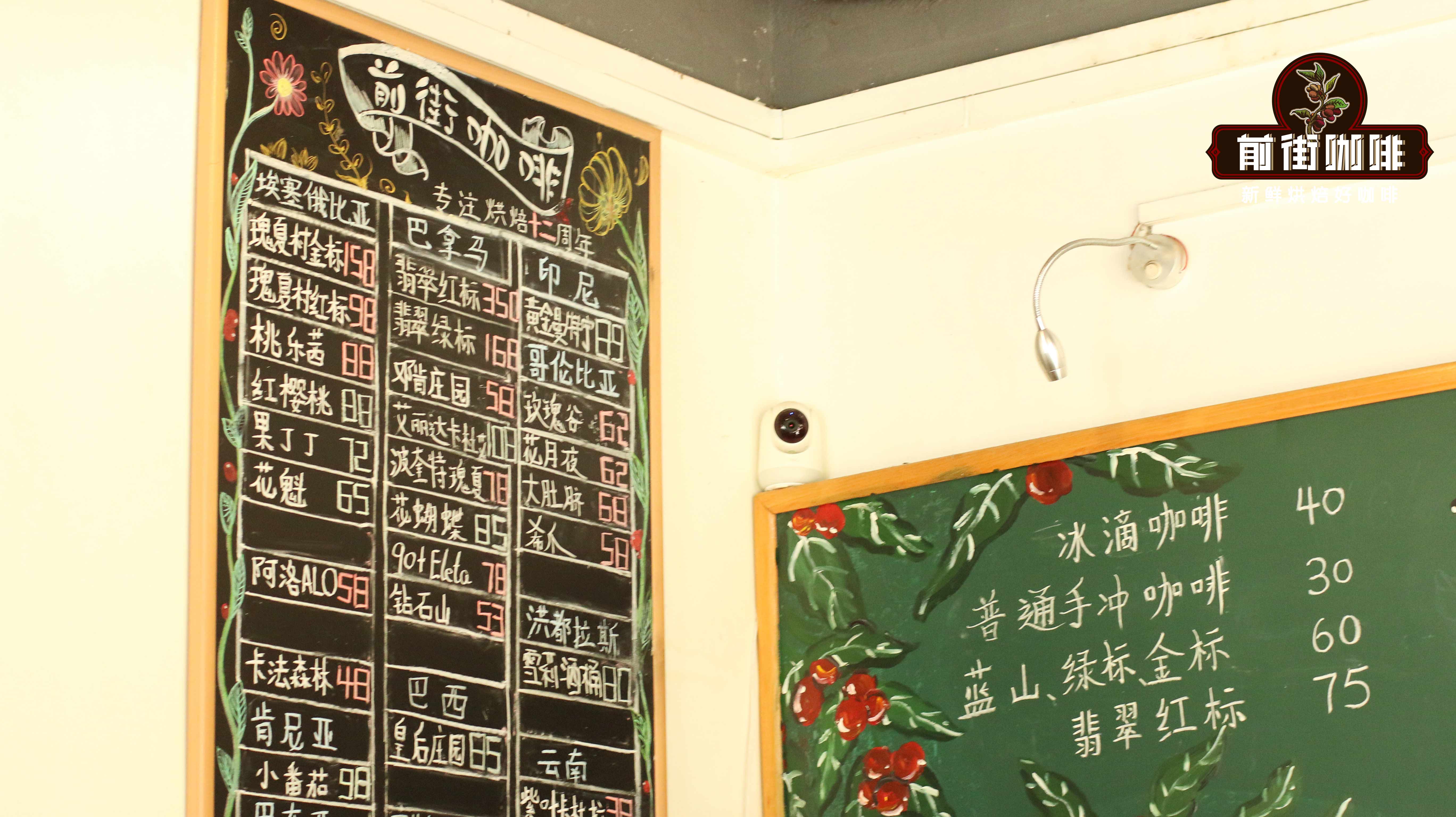
A Complete Guide to Central and South American Coffee Regions: Flavors, Varieties, and Key Producing Countries of Latin American Coffee Beans
The world's coffee belt can be divided into three major producing regions: Africa, Asia-Pacific, and Latin America, each presenting distinctly different flavor profiles. African beans are known for their fruity acidity, Asian beans for their herbal richness, while Latin American coffees fall somewhere in between, celebrated for their balanced, mellow character reminiscent of cocoa and dark chocolate. This article focuses on the Central and South American producing regions, examining country by country—Brazil, Colombia, Panama, Costa Rica, Honduras, Jamaica, Guatemala, and Nicaragua—their coffee varieties, processing methods, major producing areas, and flavor characteristics, and combines this with Front Street Coffee's everyday drinking bean series and brewing demonstrations to help coffee enthusiasts build a systematic understanding of Latin American coffee. [more…]
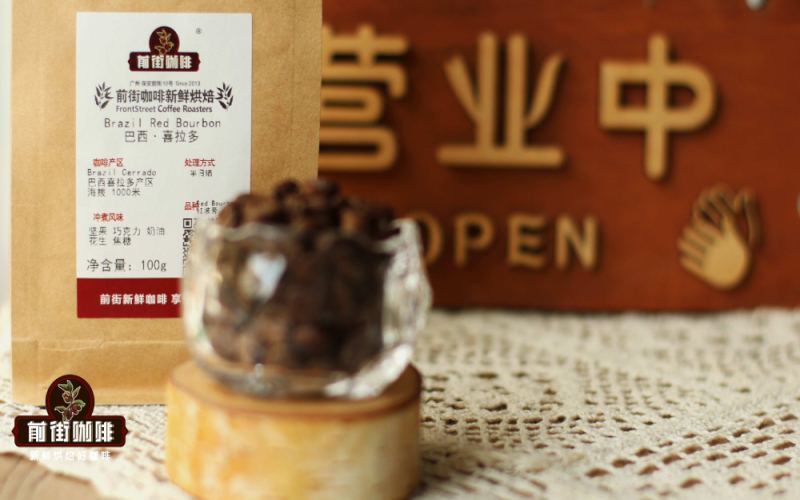
Brazilian Coffee Bean Grading System and Main Producing Regions Explained: Altitude, Varieties, and Front Street Recommendations
As the world's largest coffee producer, Brazil's green bean grading system and regional characteristics have always been a focus of attention for coffee enthusiasts. This article will start with the average cultivation altitude and main producing regions of Brazilian coffee, and provide a detailed interpretation of the local complex grading standards, including defect deduction, screen size specifications, and cup profile classification. At the same time, we will also introduce representative producing regions such as Cerrado and Mogiana, and recommend Front Street Coffee's Brazil Queen Estate Yellow Bourbon coffee beans, taking you through a comprehensive understanding of the unique charm of this quintessential neutral coffee-producing country. [more…]
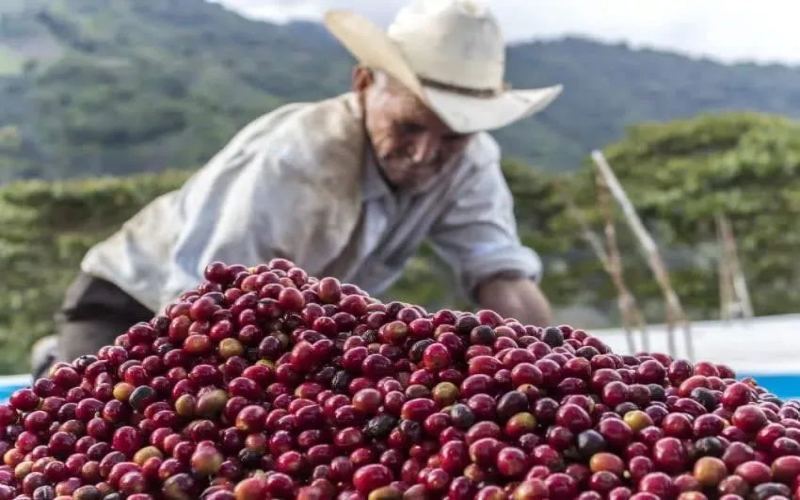
Honduran Coffee Bean Grading System, Flavor Characteristics, and the Stories Behind the Geographical Indications of Eight Major Producing Regions
Honduras, as an important coffee-producing country in Central America, has seen its coffee industry undergo a transformation from rudimentary processing to specialty-grade refinement. This article will guide you through Honduras's coffee bean grading standards, the distribution of its six major regions and eight sub-regions of western coffee, as well as the country's first government-protected geographical indication system. At the same time, we will also share Front Street Coffee's brewing recommendations for Honduras's Sweet Orange Estate, helping coffee enthusiasts better savor the unique flavors of this Central American origin. [more…]
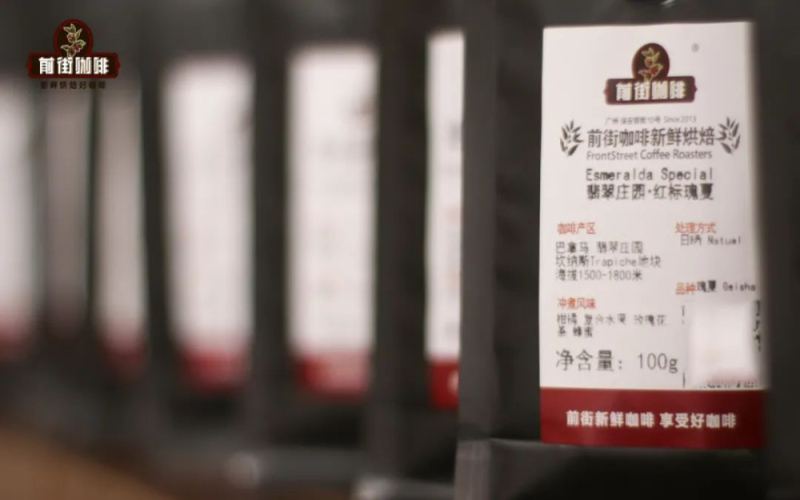
Coffee Regions, Processing Plants, Cooperatives, and Estates: Understanding the Roles in the Supply Chain from Cultivation to Sale
When we talk about specialty coffee, we often hear terms like origin, processing station, cooperative, and estate. They each represent different stages and organizational forms within the coffee supply chain. This article will start with definitions and analyze the differences and connections among these four one by one: how origins are divided into large and small, why processing stations centralize the processing of coffee cherries, how cooperatives help coffee farmers join forces, and why estates enjoy greater autonomy. Understanding these concepts will not only help you more clearly interpret the information on coffee bean labels, but also let you better understand the story behind every cup of coffee when making a purchase. [more…]
A Complete Guide to Latin American Coffee Regions: An In-Depth Guide to the Flavors, Varieties, and Processing Methods of Eight Major Producing Countries, from Brazil to Guatemala
Among the world's three major coffee-producing regions, Latin America (Central and South America) is known for its balance and body, typically presenting flavor notes of cocoa and dark chocolate. From Brazil's nutty-chocolate character, to Colombia's bright acidity, to Panama Geisha's legendary floral aroma, Jamaica Blue Mountain's balanced sweet-acidic-bitter profile, and the diverse expressions of Guatemala, Costa Rica, Honduras, Nicaragua, and other countries, this land has given birth to countless classic coffees. In this article, Front Street Coffee (FrontStreet Coffee) sorts out the origins, processing methods, and representative producing countries of Latin American coffee, along with brewing parameters and flavor descriptions for each producing country, to give you a systematic understanding of the full picture of Central and South American coffee. [more…]

What makes Ethiopian coffee so unique? A comprehensive analysis from growing regions to flavor processing methods
Ethiopia is widely recognized as the birthplace of coffee, with numerous producing regions within its borders, each offering distinct flavors. Compared with the expensive Panama Geisha, Ethiopian coffee—thanks to its affordable price and bright, high-quality fruit acidity—has become the first choice for many people stepping into the world of specialty coffee. From the delicate floral notes of Yirgacheffe to the wild berry flavors of Sidamo, different regions and processing methods give Ethiopian coffee a rich and varied character. Nearly one-third of the coffee beans on the shelves at Front Street Coffee come from Ethiopia, which speaks volumes about its standing in the hearts of coffee lovers. This article will systematically outline Ethiopia's coffee-producing regions, the evolution of processing methods, and the flavor characteristics of representative coffee beans. [more…]