








Latin America is one of the most important coffee-producing regions in the world. From Brazil to Colombia, and from Panama to Guatemala, each country has shaped a distinct coffee flavor profile through its unique geography and processing methods. This article systematically reviews the producing areas, bean varieties, processing methods, and cupping performance of eight major Latin American coffee-producing countries. Combined with Front Street Coffee's daily-drinker bean series and Front Street Coffee's brewing recipes, it helps coffee enthusiasts fully understand the balance and cocoa-chocolate character of Latin American coffee. Whether you are a beginner or a seasoned drinker, you can find a cup that suits you.
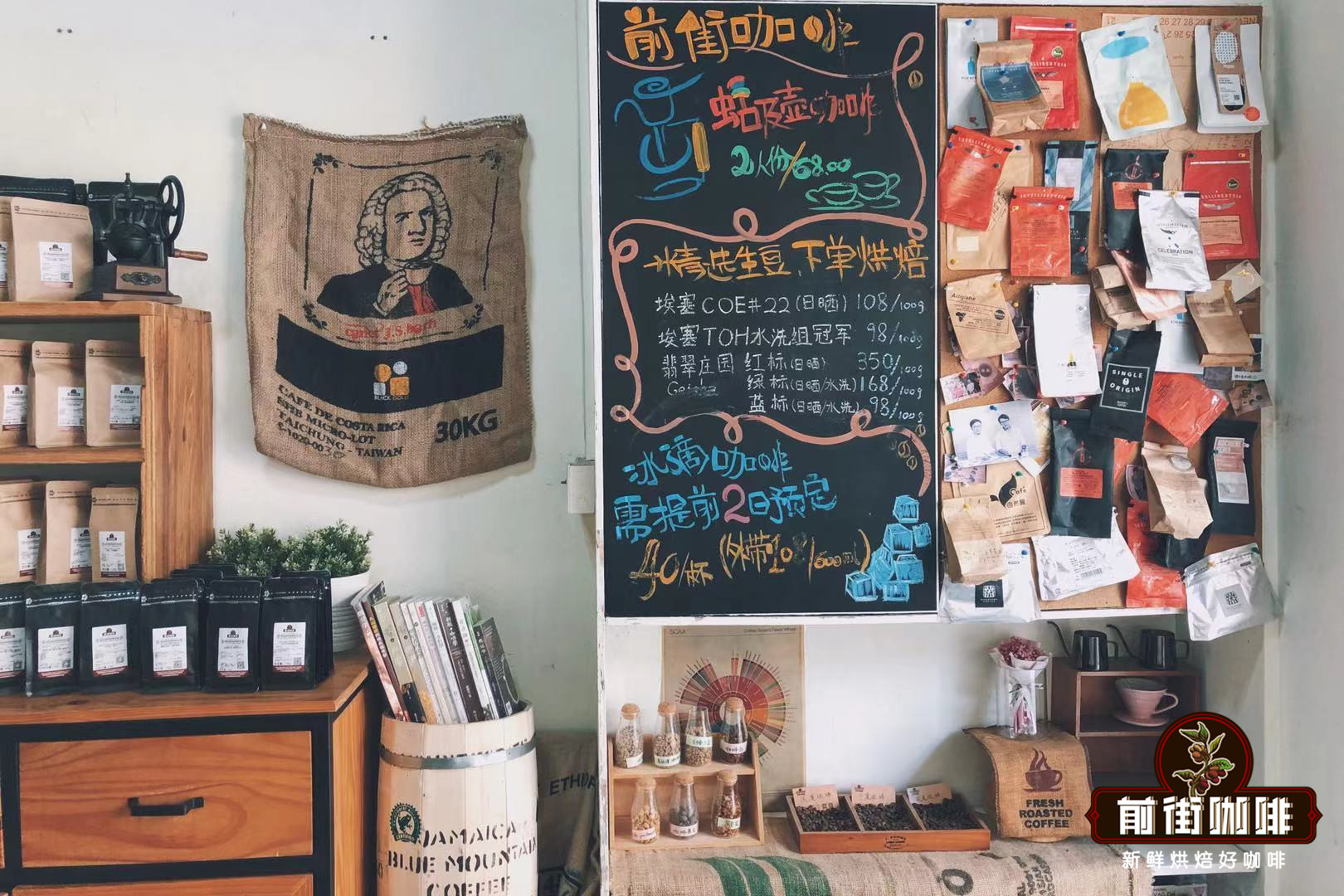
The world's coffee belt is usually divided into three major sections: African producing regions, Asia-Pacific producing regions, and Latin American producing regions (that is, Central and South America). Each of the three has a distinctive flavor label—African beans are known for fruity acidity, Asian beans tend toward herbal depth and body, while Latin American beans fall between the two, winning with a chocolate-and-nut-like richness. Front Street Coffee has previously published separate articles on the African and Asian producing regions, and this piece will focus on Central and South America, introducing the coffee landscape of this land.
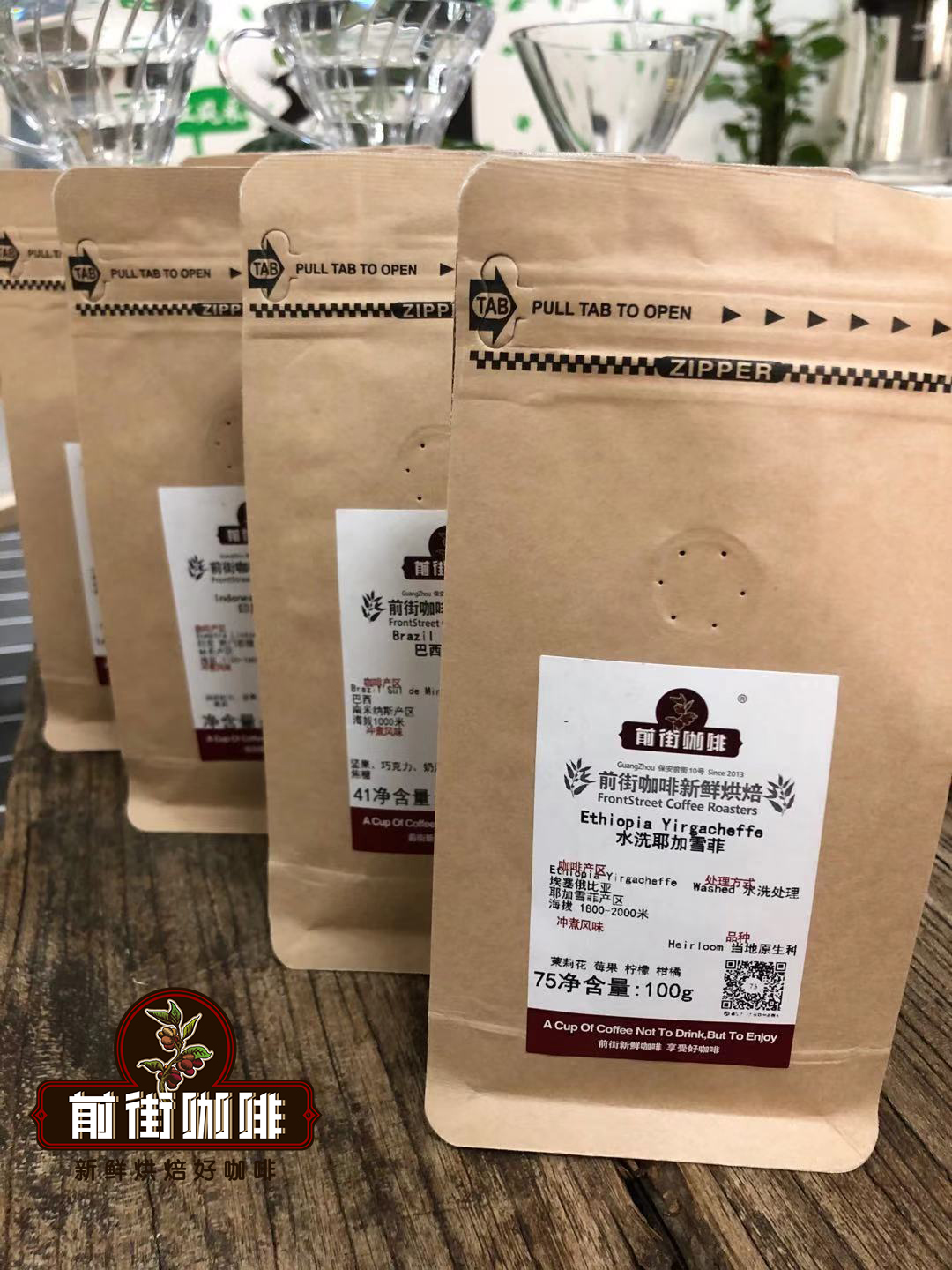
If you want to quickly grasp the flavor patterns and variety composition of Central and South American coffee, you may start with Front Street Coffee's daily-drinker bean series. In this series, the beans from Latin American producing regions include Guatemala Huehuetenango, Costa Rica Tarrazu, Colombia Huila, and Brazil Red Bourbon, among others.
Latin American Coffee Beans
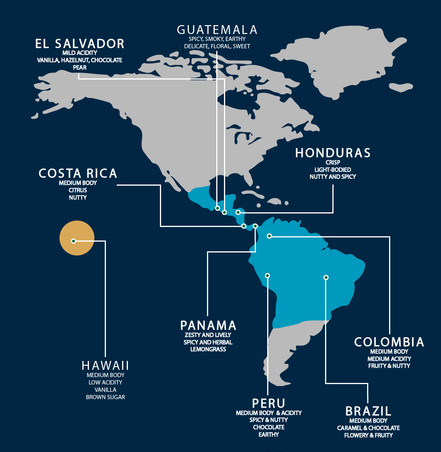
Latin America covers the entire Americas south of the United States, including Mexico (part of North America), Central America, the West Indies, and South America. The climate here is known for being hot and humid, with muggy, damp low-altitude areas and relatively dry high-altitude areas.
The history of coffee cultivation in Latin America can be traced back to the 18th century and is closely tied to Spanish colonial rule. Spanish therefore became the official language of most Latin American countries, while Brazil, once colonized by Portugal, uses Portuguese. During the colonial period, coffee cultivation expanded rapidly, but quality management lagged behind for a long time. It was not until the specialty coffee wave arose that countries began to pay attention to refined production. The main export destination for Latin American coffee beans is the United States, followed by Europe and Asia.
The overall characteristics of Latin American coffee beans lie in outstanding balance and body. Unlike the herbal heaviness of Asian producing regions, Latin American beans show more of a cocoa and dark chocolate flavor direction. In terms of processing, washed is the mainstream, while Brazil mostly uses semi-dry processing. The beans are usually large and plump.
Representative Countries (in no particular order)
1. Brazil (Flavor characteristics: low acidity, pronounced nutty and chocolate notes, good body)
Brazil is the world's largest coffee producer and also the second-largest coffee consumer after the United States. Although natural disasters occur more frequently than in other producing regions, its vast cultivable area is enough to offset production losses.
【Brazilian Coffee Bean Processing Methods】
Brazil's altitude is generally lower than that of other Latin American countries, and it lacks microclimatic conditions. It also tends to use unshaded cultivation, which makes Brazilian beans relatively flat in flavor and lacking in wow factor. There is even a saying in the industry that "Brazil has no good beans" (this is related to the history of neglecting quality during the earlier industrialization period).
However, Brazil has invested a great deal in improving coffee quality, continuously cultivating and improving Arabica varieties, and adjusting processing methods according to dry and wet climatic conditions to bring out the best regional flavors. Commonly used processing methods include natural, semi-dry, and washed. High-humidity producing areas tend to use washed, while low-humidity areas mostly use natural or semi-dry.
【Brazilian Producing Regions】
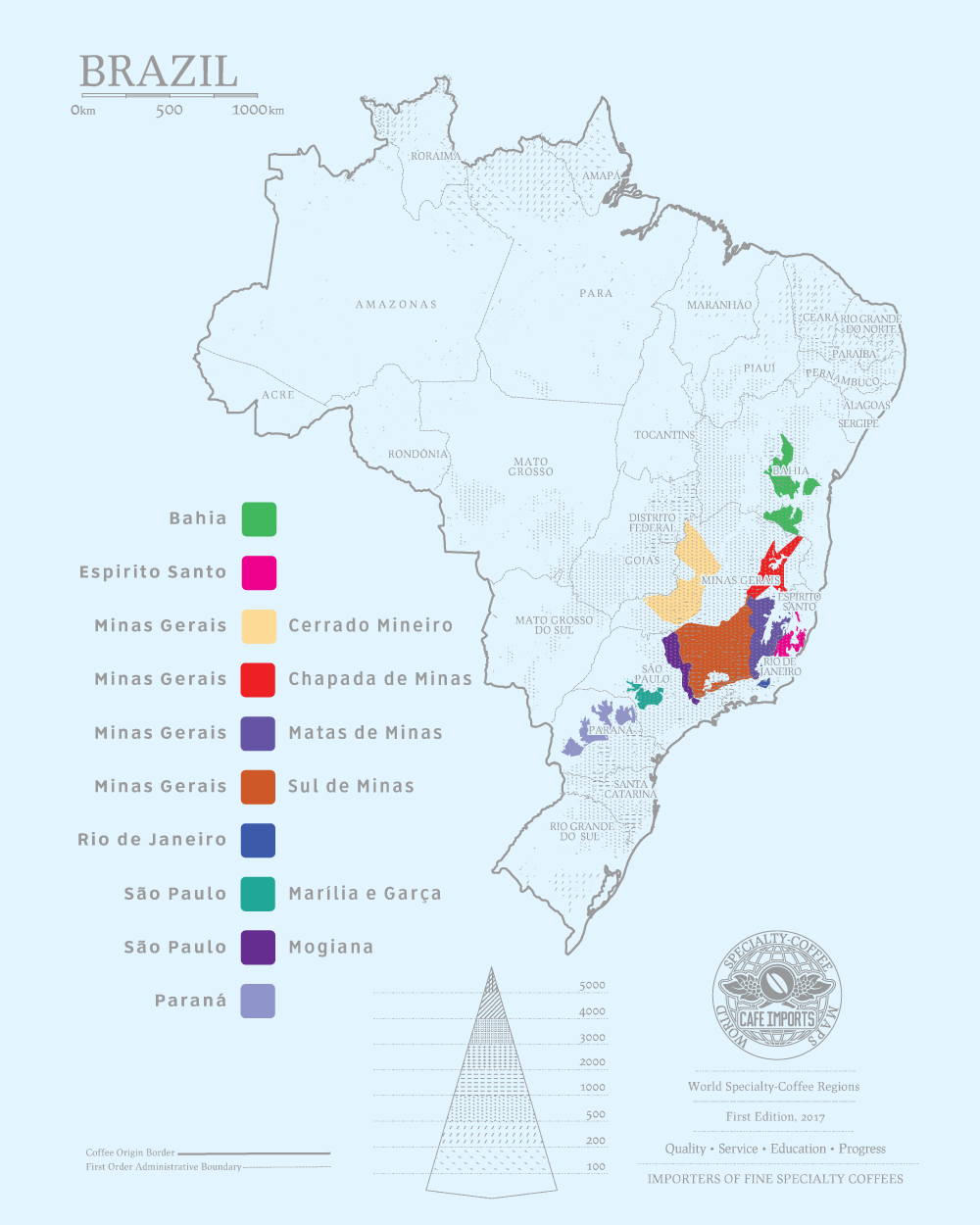
Brazil has 21 states, 17 of which produce coffee. The seven largest producing states together account for 98% of the country's total output: São Paulo, Paraná, Bahia, Espírito Santo, Minas Gerais, Rondônia, and Rio de Janeiro. The main producing areas are concentrated in Minas Gerais, São Paulo, Bahia, and Espírito Santo, and these four places contribute 90% of the country's exports.
São Paulo has several well-known coffee-producing areas, represented by Santos and Mogiana. When the Mogiana railway began construction in 1872, São Paulo's coffee output was still less than 20% of Brazil's total. By the time the railway opened in 1890, São Paulo coffee could be transported out smoothly, and its share of output rose to 50%. By 1920, Brazilian coffee accounted for 80% of global production, half of which came from São Paulo.
Although Brazil remains the largest producer to this day, the near-monopoly situation of the 1920s has never reappeared. As exports declined, Minas Gerais and Espírito Santo later caught up, while the Mogiana Railway Company fell deeply into debt and was taken over by the government in 1952.
Representative producing areas in Minas Gerais include Cerrado and Sul de Minas, both located at relatively high altitudes. Cerrado is in the western part of the state and is a flat plateau at 750 to 1,200 meters above sea level; Sul de Minas is a hilly area at 700 to 1,200 meters. Since 1999, most of the estates winning Brazil's Cup of Excellence auctions have been in Sul de Minas. The southeastern forest zone of the state, at more than 1,000 meters above sea level, also produces high-quality coffee. As for other areas such as the central and northern parts, most are mainly commercial beans.
【Brazilian Coffee Bean Grades】
Brazil's altitude is relatively low among Central and South American countries, so unlike Colombia, it does not emphasize high-altitude hard beans. Instead, it grades by four indicators: bean size, defect rate, cupping score, and flavor.
Flavor grades from high to low: Strictly Soft, Soft, Softish, Hardish, Rioy.
Defect rate grading: NY.2 means 6 defective beans per 300 grams of green beans. NY.1, with absolutely no defects, is extremely rare and cannot be supplied consistently, so the best grade among Brazilian green beans is NY.2.
Cupping quality grades from high to low: Fine Cup, Fine, Good Cup, Fair Cup, Poor Cup, Bad Cup, among which FC and GC are more common.
Bean size grading: the largest Brazilian coffee beans are 19 screen, but supply is limited, so 17 screen and 18 screen are regarded as the highest grades.
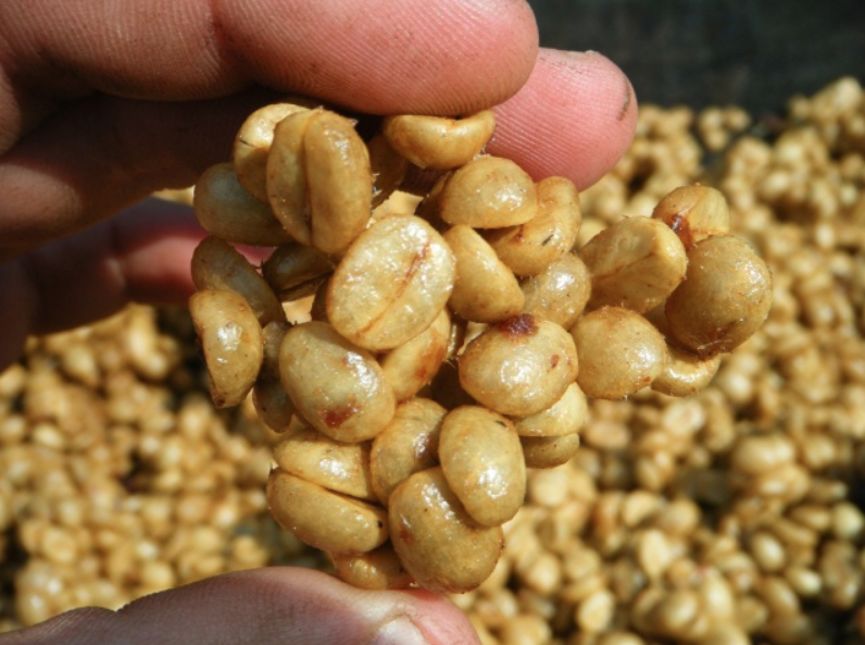
【Front Street Coffee Selects Queen's Estate Yellow Bourbon Coffee Beans for Brewing Demonstration】
Producing region: Mogiana, São Paulo Altitude: 1400-1950m Variety: Yellow Bourbon Processing method: Natural
【Brewing Suggestions】
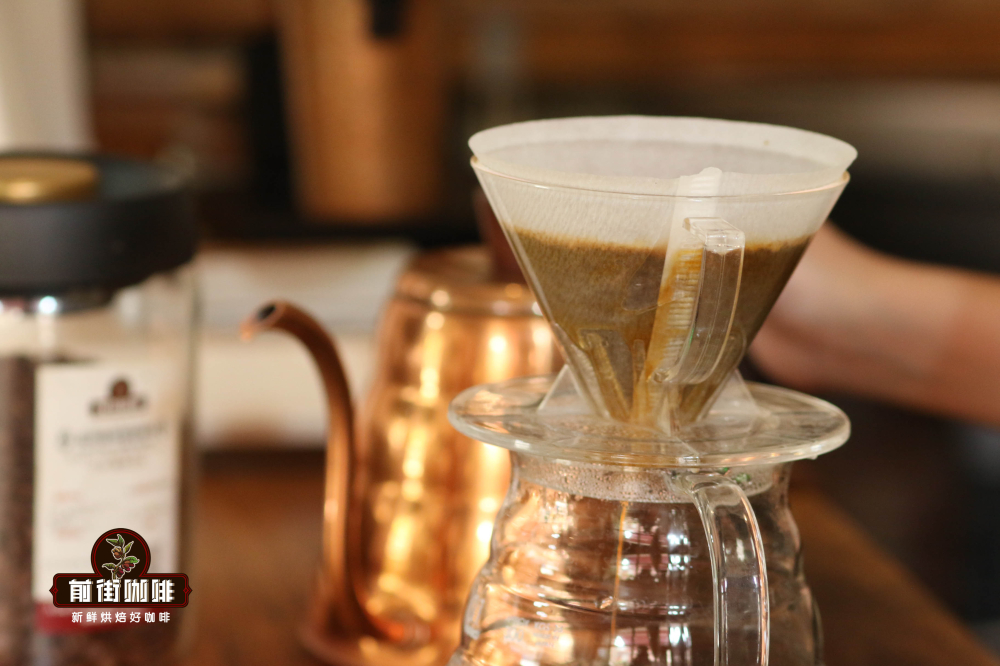
Brewing parameters used by Front Street Coffee: Kono dripper, 88°C water temperature, 15g coffee dose, 1:15 coffee-to-water ratio, medium-fine grind (70-75% passing through a No. 20 standard sieve).
Front Street Coffee uses staged extraction: 30g water for 30 seconds of blooming, then pour in a small circular stream until 125g and pause, then when the water level drops and is about to expose the coffee bed, continue pouring until 225g and stop. (Timing starts at the beginning of blooming.) The extraction time is 2 minutes.
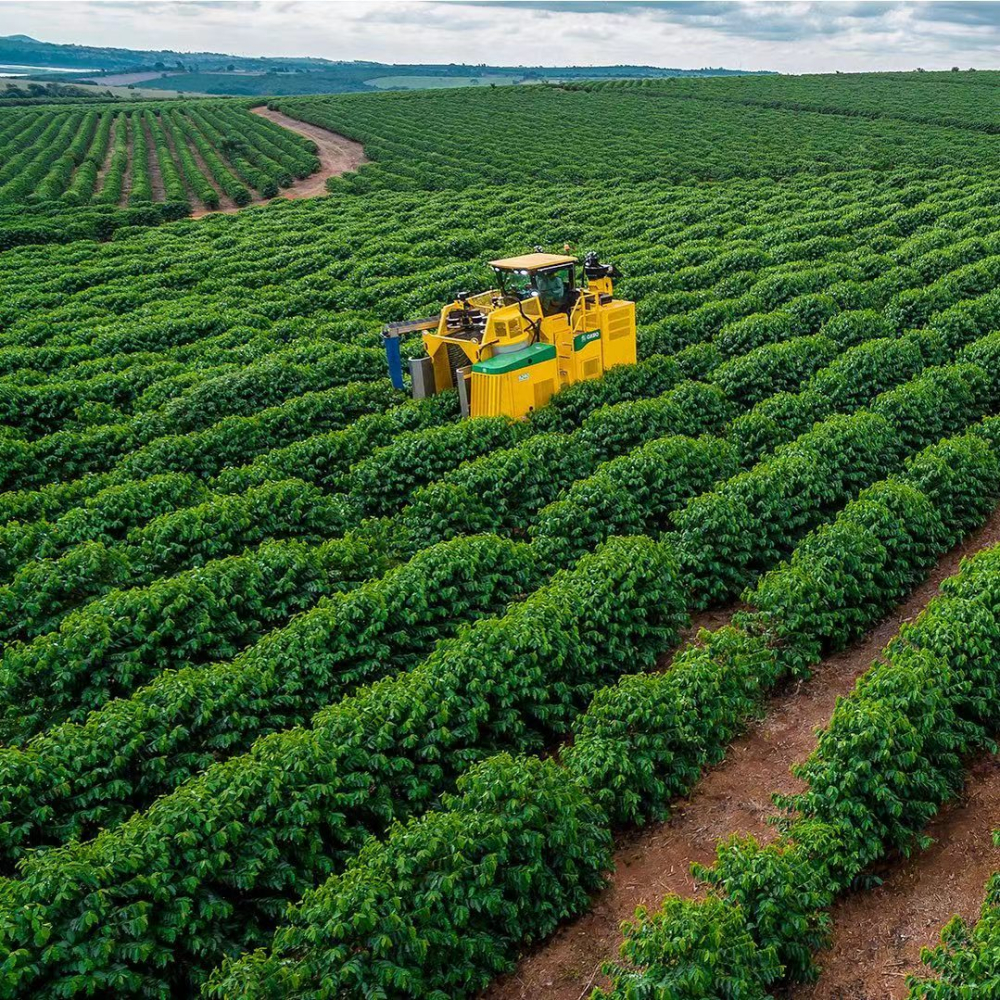
【Flavor Description】
Sweetness stands out on entry, accompanied by a delicate lemon aroma. Nutty flavors are rich, and the finish shows distinct dark chocolate notes. The overall cup is round and smooth.
2. Colombia (Flavor characteristics: rich and substantial aroma, bright acidity, nutty flavors, excellent balance)
Colombia is the world's third-largest coffee producer. Located in northwestern South America, its climate varies with the terrain. The southern part of the eastern plains and the Pacific coast have a tropical rainforest climate, the mountains at 1,000 to 2,000 meters above sea level have a subtropical climate, and the northwest has a tropical savanna climate. Colombian coffee is less intense in body than Brazilian coffee and less bright in acidity than African beans, but it excels in balance, with nutty notes and fruity acidity coexisting.
【Colombian Coffee Bean Processing Methods】
Colombian coffee beans are mainly washed. Unlike most Latin American countries, Colombia adopts a family-based business model, and most growers own their own washing equipment, allowing them to control coffee quality throughout the process.
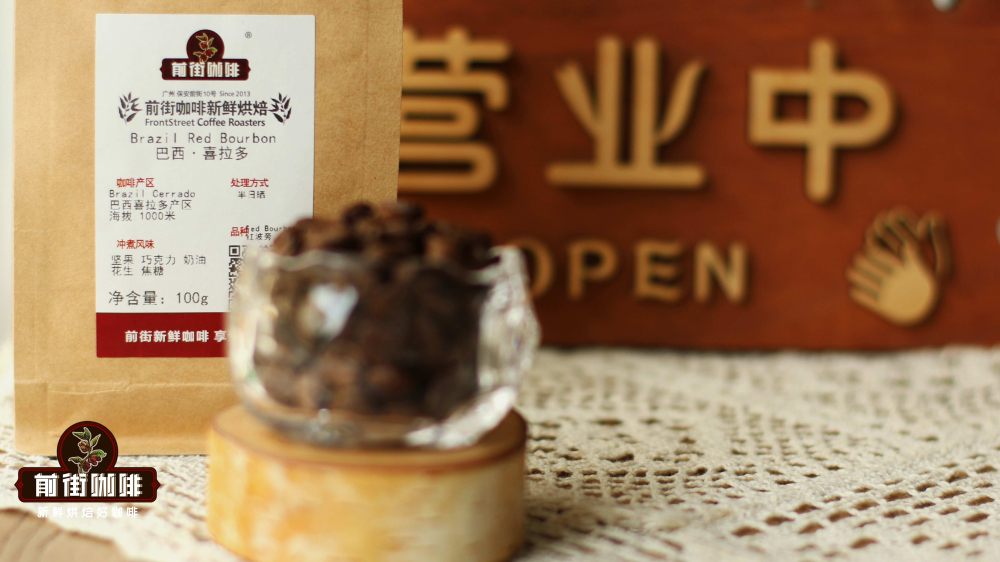
Colombian coffee is often compared with Brazilian coffee, as both are major coffee countries in the Americas. In fact, you do not even need to taste the flavor to distinguish them—their bean appearance gives it away. The completely different processing methods mean Colombian beans retain more silver skin, while Brazilian beans show almost no silver skin. The two are similar in bean size and shape, but the difference in processing makes identification intuitive.
As the coffee market evolves, various processing methods continue to emerge. Colombia's Rose Valley Coffee and Huayueye Coffee, for example, use anaerobic double enzyme washed and anaerobic natural processing, respectively.
【Colombian Producing Regions】
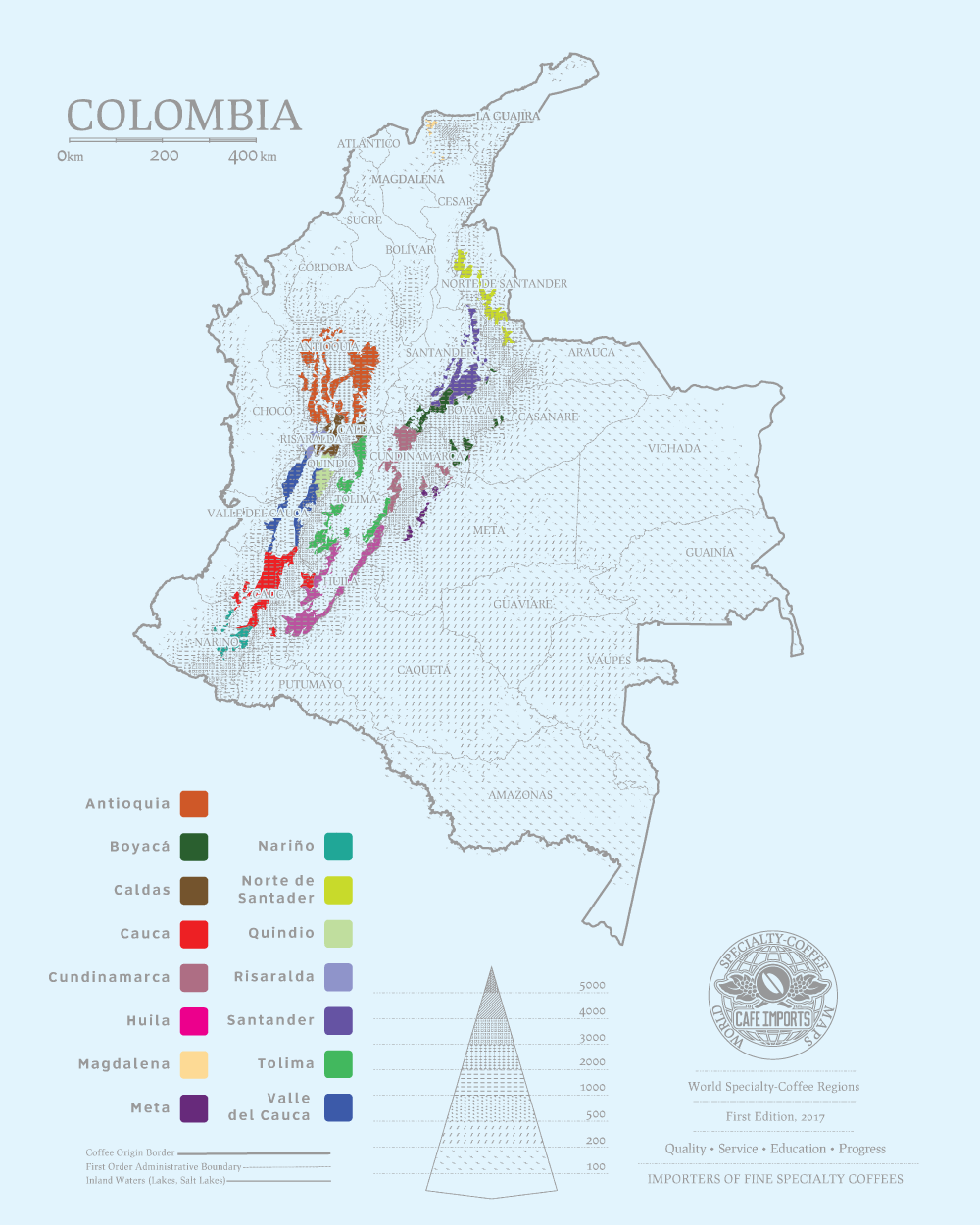
Colombian coffee cultivation follows the Andes Mountains and is divided from south to north into four major producing regions: northern, central, southern, and eastern.
Northern producing region: There is only one dry season each year (December to March) and one rainy season (April to November). Coffee flowers in March, the rainy season follows, and harvest takes place from October to November. The northern producing region is further divided into micro-regions such as Santander, Norte de Santander, La Guajira, Magdalena, and Cesar.
Type | Number of defective beans (per 300g) |
NY.2 | 6 |
NY.2/3 | 9 |
NY.3 | 13 |
NY.3/4 | 21 |
NY.4 | 30 |
NY.4/5 | 45 |
NY.5 | 60 |
NY.5/6 | >60 |
Central producing region: There are two dry seasons and two rainy seasons each year. December to February and June to September are dry seasons, while March to May and September to November are rainy seasons, so this region has two harvests each year. Micro-regions include southern Antioquia, Boyacá, Caldas, Chocó, Risaralda, Quindío, northern Valle del Cauca, Cundinamarca, and northern Tolima, among others.
Eastern producing region: The scale of cultivation is relatively small, and the climate is similar to the north, but rainfall and humidity are higher. It includes only producing areas such as Arauca, Casanare, Meta, and Caquetá. The east was once affected by armed conflict and urgently needs coffee production to drive economic recovery. The National Federation of Coffee Growers of Colombia is investing to help this region plant varieties better suited to the local environment and assist farmers in expanding their farm scale.
Southern producing region: Close to the equator, coffee is grown in higher-altitude mountain areas. Like the north, it has only one wet season and one dry season. The dry season is from June to September, and the rainy season arrives in October and may last until May of the following year. In contrast to the northern autumn harvest, the southern harvest usually lasts from April to June, so green bean traders can supply Colombian coffee beans almost year-round. The south is dominated by specialty coffee varieties, including Huila, Cauca, Nariño, and Tolima.
【Front Street Coffee Selects Colombia Huayueye Coffee Beans for Brewing Demonstration】
Producing region: Huila Estate: Esmeralda Estate Altitude: 1800m Variety: Caturra Processing method: Anaerobic natural
Type | Quality |
NY.2 | 17-18 screen FC |
NY.2/3 | 14-16 screen FC |
NY.3/4 | DD Quality |
NY.4/5 | 14-16 screen GC |
【Brewing Suggestions】
Brewing parameters used by Front Street Coffee: Hario V60 dripper, 90°C water temperature, 15g coffee dose, 1:15 coffee-to-water ratio, medium-fine grind (80% passing through a No. 20 standard sieve).
Front Street Coffee uses staged extraction: 30g water for 30 seconds of blooming, then pour in a small circular stream until 125g and pause, then when the water level drops and is about to expose the coffee bed, continue pouring until 225g and stop. (Timing starts at the beginning of blooming.) The extraction time is 2 minutes.
【Flavor Description】
The mouthfeel is balanced, with floral and strawberry notes followed by a dark cocoa finish, accompanied by creamy and fermented notes.
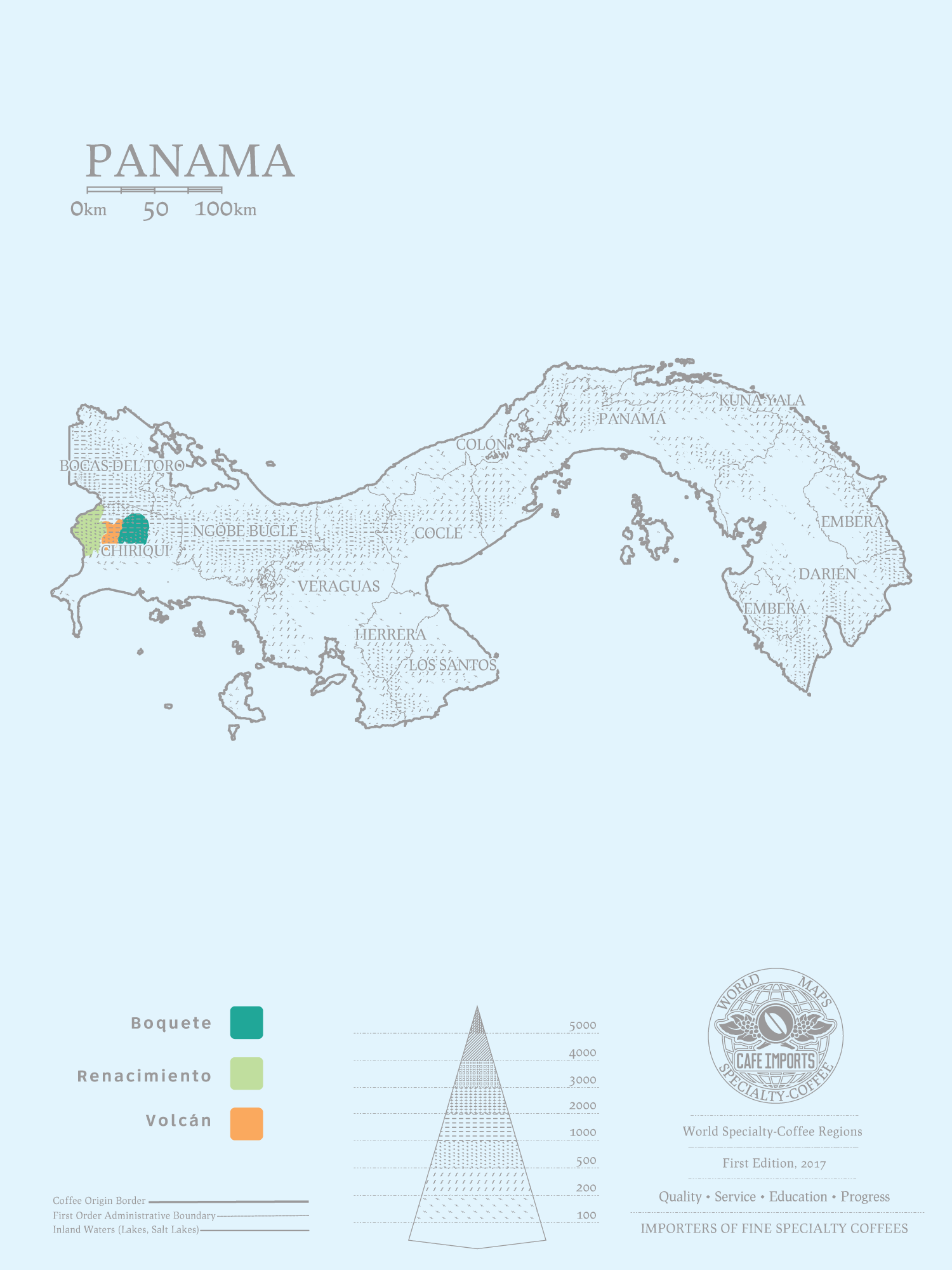
3. Panama (Flavor characteristics: represented by Geisha, with distinctive floral aromas and bright acidity)
Panama is famous worldwide for the Geisha variety, which is inseparable from its superior natural geographical conditions and refined management model. Panama has volcanic ash soil, ample air humidity, and abundant solar resources. After the canal opened at the end of the 20th century, many American elites moved south, both to work and to seek business opportunities, and the coffee industry advanced by leaps and bounds, establishing Panama's position in the specialty coffee world.
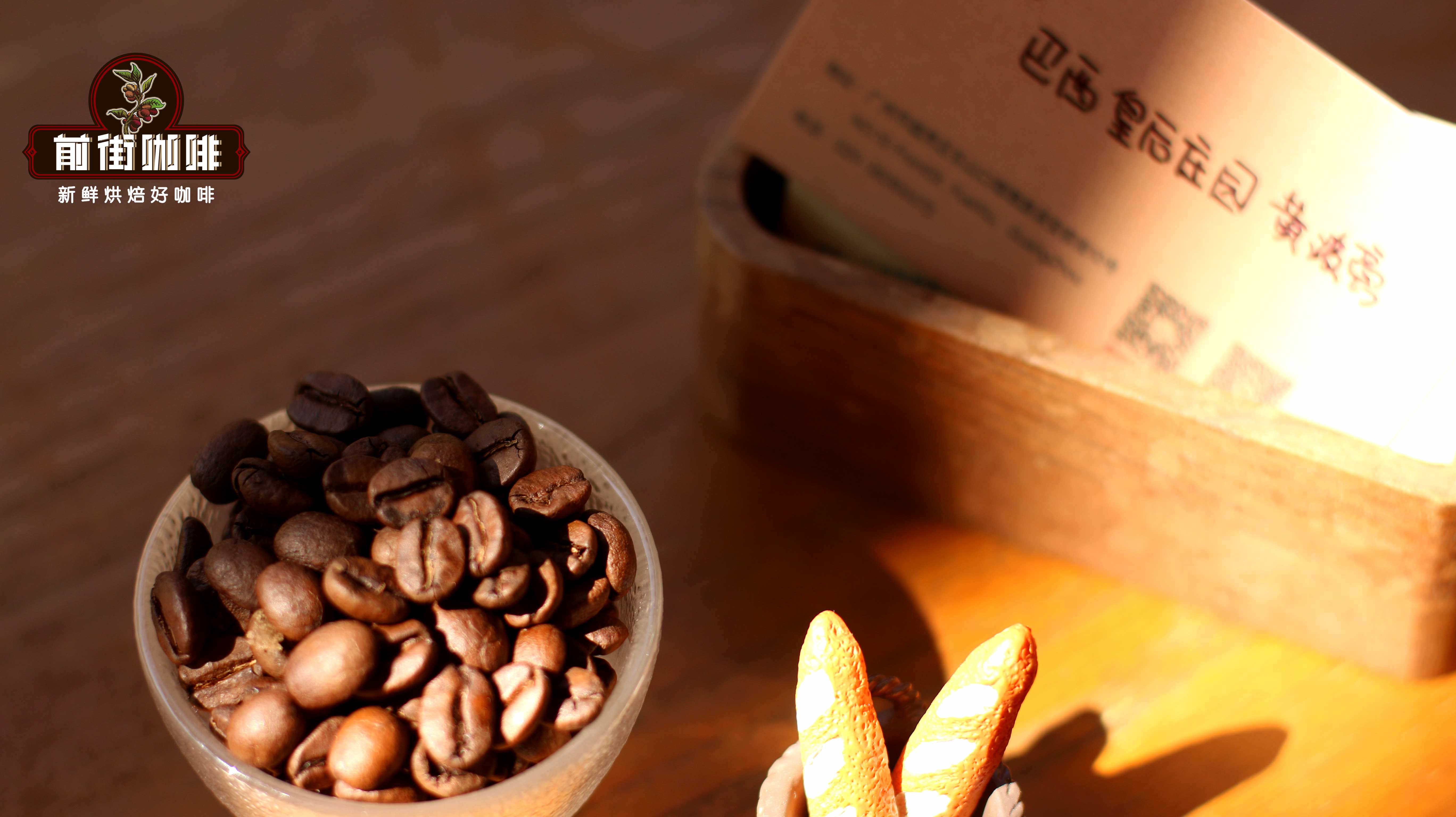
【Panamanian Coffee Bean Processing Methods】
Most Panamanian coffee beans are of the Geisha variety. Common processing methods for Geisha are washed and natural. Washed can display Geisha's purest floral and fruity acidity, while natural adds richness and sweetness on top of that. In addition, Hartmann Estate's wine processing method is also quite distinctive. Inspired by winemaking, it adjusts coffee bean quality by controlling pH, temperature, and humidity.
【Panamanian Producing Regions】
Panama mainly has four coffee-producing regions: Boquete, Volcan, Santa Clara, and Piedra de Candela.
The Boquete producing region has an average altitude of 1,450 meters and the largest output and best quality. Hacienda La Esmeralda, Elida Estate, and Kotowa Estate are all located here.
The Volcan producing region has an average altitude of 2,000 meters, and its coffee characteristics tend to be mild and balanced.
The Santa Clara producing region has an average altitude of 1,500 meters and is close to the Panama Canal, making coffee transportation very convenient.
The Piedra de Candela producing region has an average altitude of 1,200 meters and has gradually attracted attention in recent years. The industry believes it has the potential to develop high-quality specialty coffee.
【Front Street Coffee Selects Panama Hartmann Coffee Beans for Brewing Demonstration】
Producing region: Volcan Estate: Hartmann Estate Altitude: 1250-1700m Variety: Catuai Processing method: Wine processing
【Brewing Suggestions】
Brewing parameters used by Front Street Coffee: Hario V60 dripper, 90°C water temperature, 15g coffee dose, 1:15 coffee-to-water ratio, medium-fine grind (80% passing through a No. 20 standard sieve).
Front Street Coffee uses staged extraction: 30g water for 30 seconds of blooming, pour in a small stream until 125g and pause, continue pouring until 225g and stop. (Timing starts at the beginning of blooming.) The extraction time is 2 minutes.
【Flavor Description】
The texture is full-bodied, with obvious sweet and sour notes. It is smooth on entry and rich in red wine character, with high sweetness, lively bright acidity, and rich layers. Tropical fruit, nuts, red wine finish, honey, and sucrose notes stand out, and after fully cooling it shows a brown sugar flavor.
4. Costa Rica (Flavor characteristics: nutty, floral toffee flavors, moderate sweet-acid balance, aromatic and mellow)
Costa Rica's coffee industry started very early; it was the first country in Central America to grow coffee. As early as 1820, coffee was exported to Europe and became famous at once, once praised by the British aristocracy as "golden beans." After breaking free from Spanish colonial rule, the local government introduced a series of policies to strongly support the coffee industry and promote the development of private estates. Coffee farmers who gradually became wealthier sent their children to Europe for further study, and after returning home they took up professions such as physicians and engineers, showing the high status of coffee farmers in Costa Rica. In addition, Costa Rican law permits only Arabica cultivation; Robusta is considered "contraband" in the country, which is rare even in the world.
【Costa Rican Coffee Bean Processing Methods】
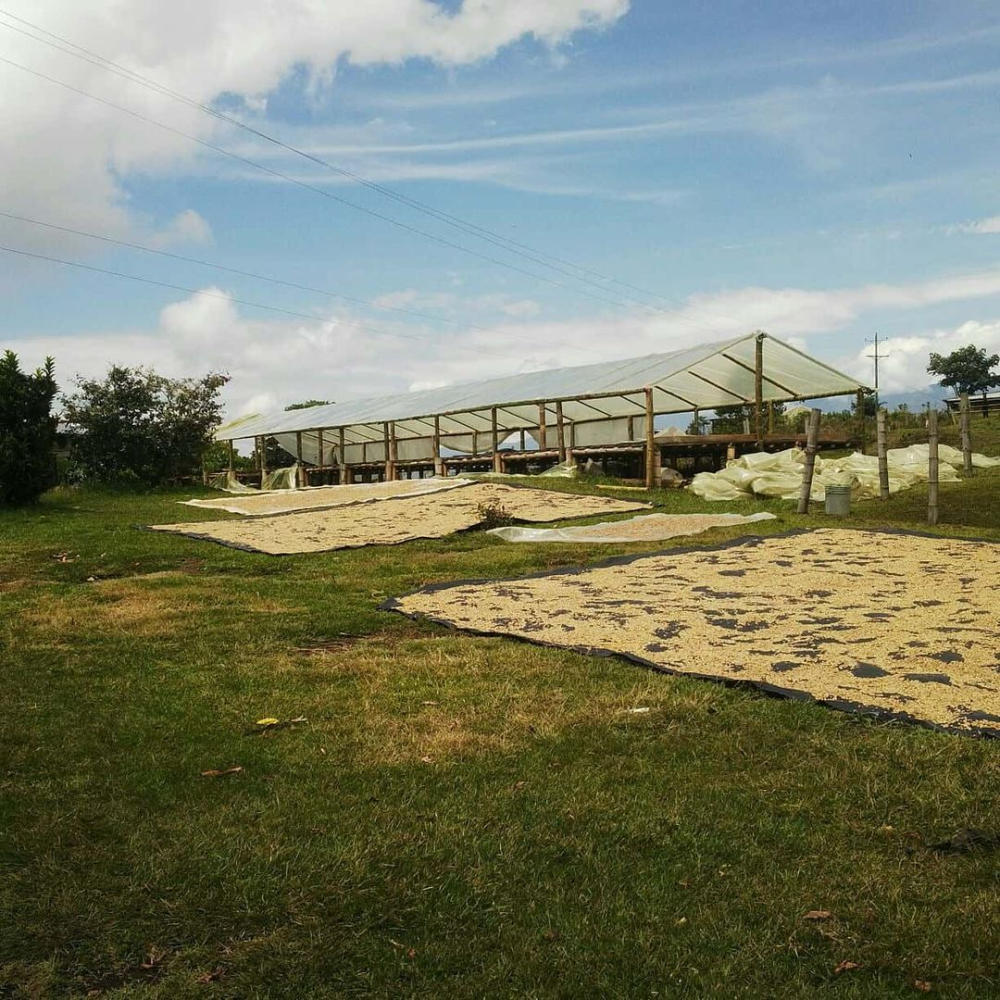
Costa Rican coffee beans are mostly washed, but the most representative is honey processing, which has higher sweetness than washed. Honey processing retains the mucilage before drying, and the processed coffee beans carry a honey-like sweetness. According to the degree of mucilage retention, it is subdivided into white honey, yellow honey, red honey, and black honey.
On the basis of honey processing, raisin honey processing has also been developed. That is, without depulping first, the coffee beans are placed directly on drying beds overnight, causing the skin and pulp to shrink and resemble raisins. The subsequent steps are the same as regular honey processing.
【Costa Rican Producing Regions】
Costa Rica mainly has eight major coffee-producing regions: West Valley, Central Valley, Tarrazu, Tres Rios, Orosi, Brunca, Turrialba, and Guanacaste. Among them, Central Valley, Tarrazu, and Tres Rios are the most famous.
Tarrazu is located south of the capital San José, at an altitude of 1,200 to 1,700 meters, with fertile soil and good drainage. The harvest season is from December to March of the following year. Coffee beans from this region are known for the perfect mouthfeel created by high altitude: smooth, hard and plump beans, and rich aroma.
Central Valley is at an altitude of 1,200 to 1,600 meters, and the harvest season is from November to March of the following year. There are three high-altitude volcanoes in the region—Irazu, Barva, and Poas—which provide abundant nutrients to the surrounding coffee-producing areas. The superior microclimate plus fertile volcanic soil give Central Valley coffee beans chocolate and cocoa flavors and an elegant aroma. The region includes the three sub-regions of San José, Heredia, and Alajuela.
The Tres Rios producing region is located near Irazu Volcano not far east of the capital, at an altitude of 1,200 to 1,650 meters, and the harvest season is from December to March of the following year. In recent years, as the urban area expanded into the suburbs, farmland has been sold to developers, causing coffee output in Tres Rios to drop sharply. More than half of the production is almost entirely bought up by Starbucks, making it difficult for the industry to obtain. The well-known farm in Tres Rios, Aquiares, has been operating since 1857 and has a long history. The region has good climatic conditions, and its coffee beans have excellent balance.
【Front Street Coffee Selects Costa Rica Baja Coffee Beans for Brewing Demonstration】
Producing region: Tarrazu Estate: Canet Estate Altitude: 1950m Variety: Caturra Processing method: Raisin honey processing
【Brewing Suggestions】
Brewing parameters used by Front Street Coffee: Hario V60 dripper, 90°C water temperature, 15g coffee dose, 1:15 coffee-to-water ratio, medium-fine grind (80% passing through a No. 20 standard sieve).
Front Street Coffee uses staged extraction: 30g water for 30 seconds of blooming, then pour in a small circular stream until 125g and pause, then when the water level drops and is about to expose the coffee bed, continue pouring until 225g and stop. (Timing starts at the beginning of blooming.) The extraction time is 2 minutes.
【Flavor Description】
It has a fermented rice wine aroma. On entry, it shows the sweet-sour notes of ripe tropical fruit and berries, with nutty and creamy flavors interwoven. The aftertaste carries caramel, and the finish has a faint floral note.
5. Honduras (Flavor characteristics: balanced and smooth, with acidity and slight sweetness, high body and aroma)
Honduras' coffee industry developed relatively late, far behind most Central American countries. After strong government support and learning from Brazil's development model, it gradually grew. In particular, the involvement and cooperation of Japan's specialty coffee sector in 2010 gave Honduras the potential to become a star. Since 2011, Honduras' coffee output has surpassed Guatemala, making it the largest producer in Central America and ranking among the top ten in the world.
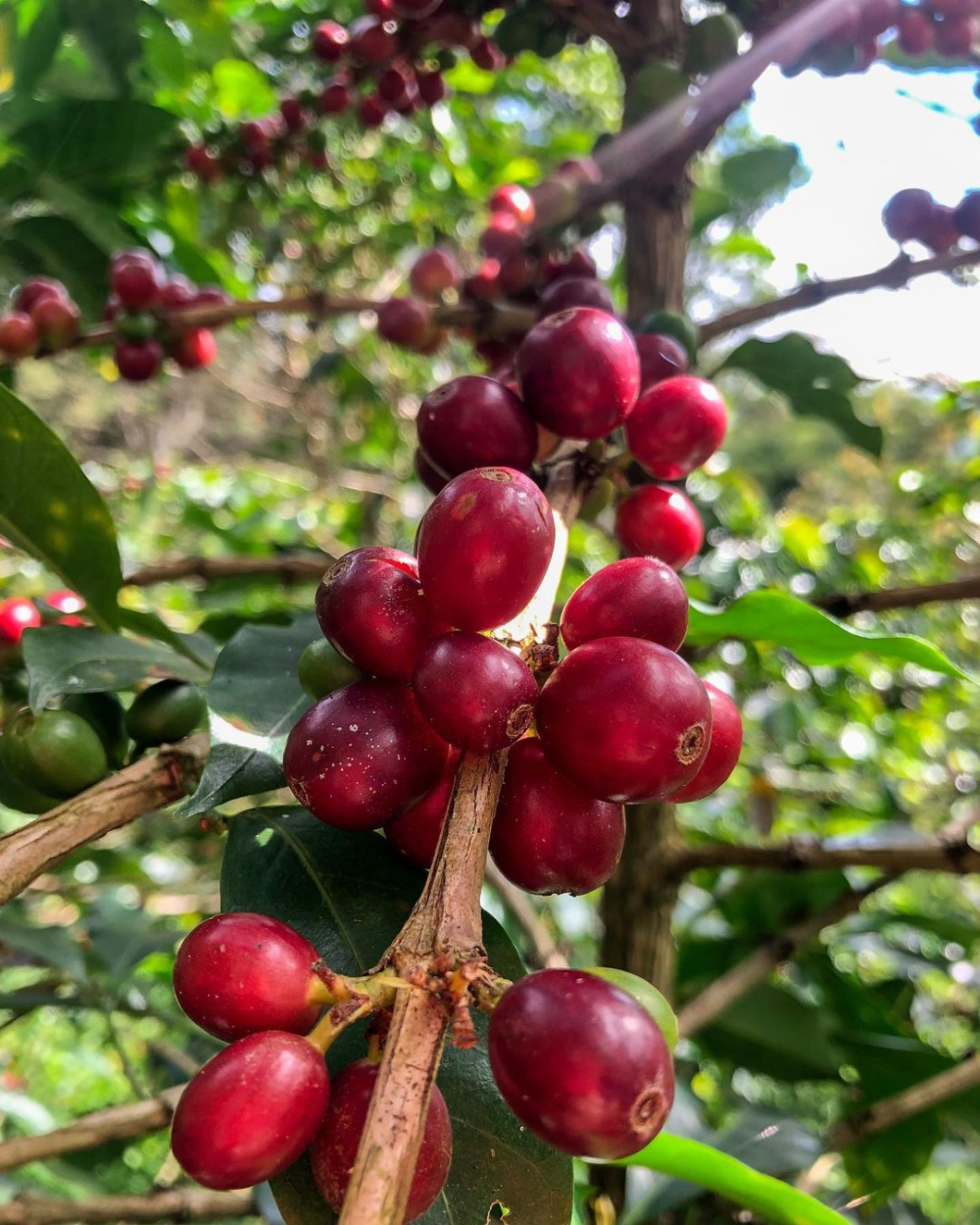
Honduran coffee is mostly sold to Europe, with Germany as the main importer, bringing in nearly 40 million kilograms each year. Although some is also sold to the United States and Japan, sales are far lower than in Europe. Honduras has 280,000 hectares of coffee farms, mainly small farms, most smaller than 3.5 hectares. These small farms contribute 60% of the country's coffee output.
【Honduran Coffee Bean Processing Methods】
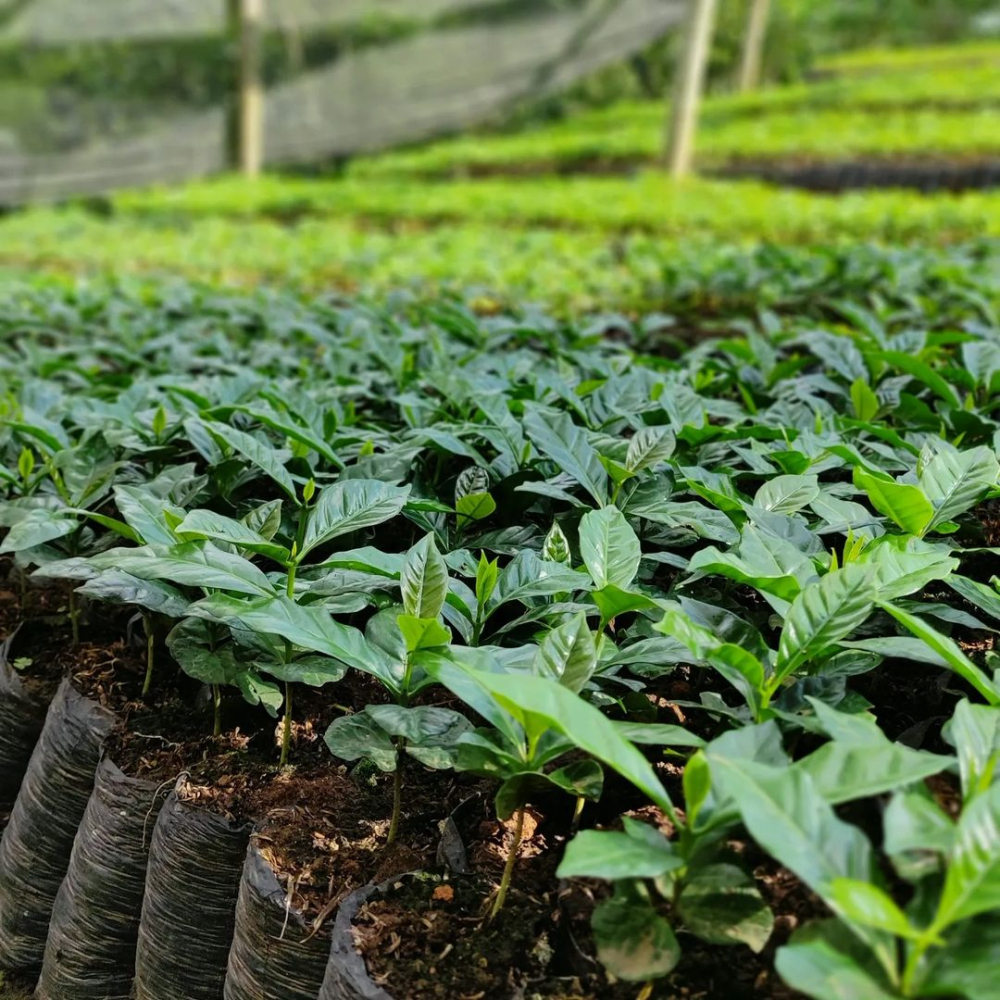
High-quality Honduran coffee mostly uses washed processing to retain the purest flavor. In addition, on the basis of washed processing, barrel-fermented washed processing has also emerged. The recently popular Sherry coffee beans use refined washed whisky sherry barrel fermentation—freshly picked coffee cherries are refined-washed, then placed in barrels that previously aged sherry, fermented at a low temperature of 15 to 20°C for 30 to 40 days, and then shade-dried.
【Honduran Producing Regions】
Honduran coffee is divided into six major producing regions, mainly in the west and south, including Copan, Opalaca, Montecillos, Comayagua, Agalta Tropical, and El Paraiso. Three of them are the main producing regions:
Montecillos: Honduras' highest-altitude producing region. The coffee has a bright mouthfeel and rich layers, full of intense fruit and sweet aromas, with citrus notes.
Copan: The coffee beans have chocolate flavors, a full body, and high sweetness.
Agalta: The coffee beans have honeyed sweetness and balanced acidity, with chocolate notes.
However, the recently very popular Sherry and Lychee Orchid coffee beans do not come from the above six major producing regions, but from Masaguara in Intibuca Province in southwestern Honduras.
【Front Street Coffee Selects Honduras Sherry Coffee Beans for Brewing Demonstration】
Producing region: Masaguara Estate: Mocha Estate Altitude: 1500-1700m Variety: Caturra, Catuai, Pacas Processing method: Refined washed whisky sherry barrel fermentation
【Brewing Suggestions】
Brewing parameters used by Front Street Coffee: Hario V60 dripper, 90°C water temperature, 15g coffee dose, 1:15 coffee-to-water ratio, medium-fine grind (80% passing through a No. 20 standard sieve).
Front Street Coffee uses staged extraction: 30g water for 30 seconds of blooming, then pour in a small circular stream until 125g and pause, then when the water level drops and is about to expose the coffee bed, continue pouring until 225g and stop. (Timing starts at the beginning of blooming.) The extraction time is 2 minutes.
【Flavor Description】
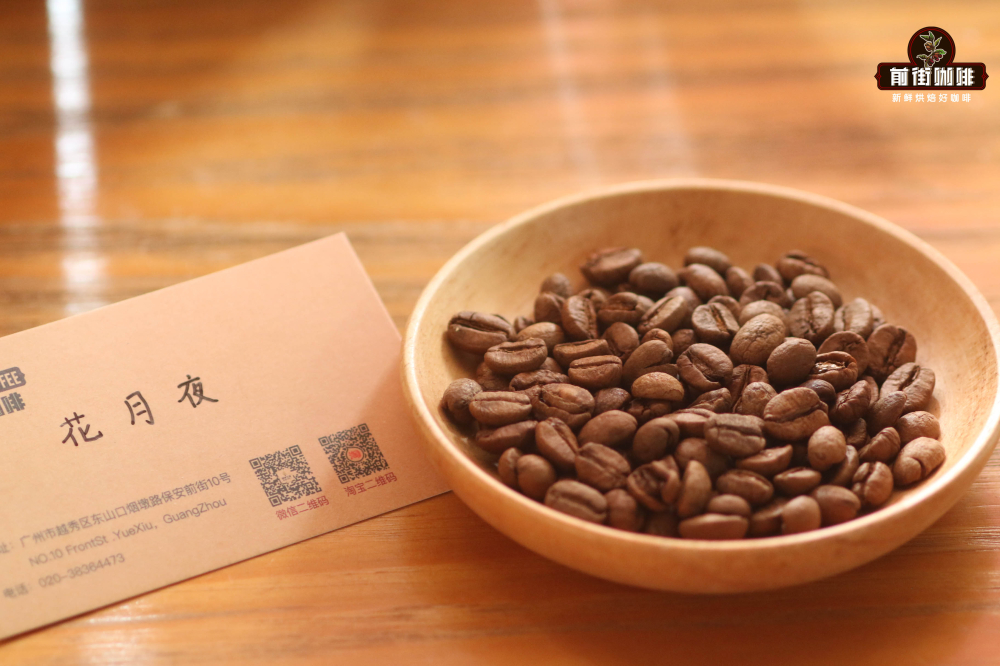
On entry there are vanilla and creamy aromas, with citrus and berry acidity. The middle shows almond and dark chocolate flavors, the finish has maple syrup sweetness, and the aftertaste is vanilla. The flavors are distinct and the mouthfeel is smooth. From hot to cold, the flavor remains stable with no off notes.
6. Jamaica Blue Mountain (Flavor characteristics: rich and aromatic, with a perfect balance of sweetness, acidity, and bitterness)
Jamaica is an island nation in the Caribbean, and Blue Mountain is the highest peak in the western Caribbean (2,256 meters above sea level; coffee may be grown only below 1,700 meters, while above that is protected forest). Blue Mountain is located in the coffee belt at 25 degrees north latitude, with fertile volcanic soil, fresh air, year-round rain, high humidity, and large temperature differences between day and night. Regular rainfall plus the island's misty cloud cover protects the coffee trees from direct sunlight.
【Jamaica Blue Mountain Coffee Bean Processing Methods】
Jamaica Blue Mountain coffee beans mainly use washed processing to ensure the standard flavor. However, there is good news this year: a natural version of Blue Mountain coffee has been successfully produced. This naturally processed Blue Mountain is an unprecedented innovation. The R&D team went through great difficulties, not only needing approval from Jamaica's Ministry of Agriculture to export non-washed green beans, but also visiting and learning from outstanding estates many times and repeatedly adjusting the processing plan.
【Jamaica Blue Mountain Coffee Bean Grades】
Coffee from Jamaica's Blue Mountain region is divided into three grades: Blue Mountain Coffee, Jamaica High Mountain Supreme Coffee Beans, and Jamaica Prime Coffee Beans.
Among them, Blue Mountain Coffee is further subdivided into: Blue Mountain No. 1, Blue Mountain No. 2, Blue Mountain No. 3, and PB (also called peaberry or round bean).
Blue Mountain No. 1: 96% of green beans are 17/18 screen, defect rate below 2%.
Blue Mountain No. 2: 96% of green beans are 16/17 screen, defect rate below 2%.
Blue Mountain No. 3: 96% of green beans are 15/16 screen, defect rate below 2%.
PB: 96% of green beans are PB, defect rate below 2%.
【Front Street Coffee Selects Jamaica Blue Mountain Coffee Beans for Brewing Demonstration】
Producing region: Blue Mountain Estate: Clifton Mount Estate Altitude: 1310m Variety: Typica Processing method: Washed
【Brewing Suggestions】
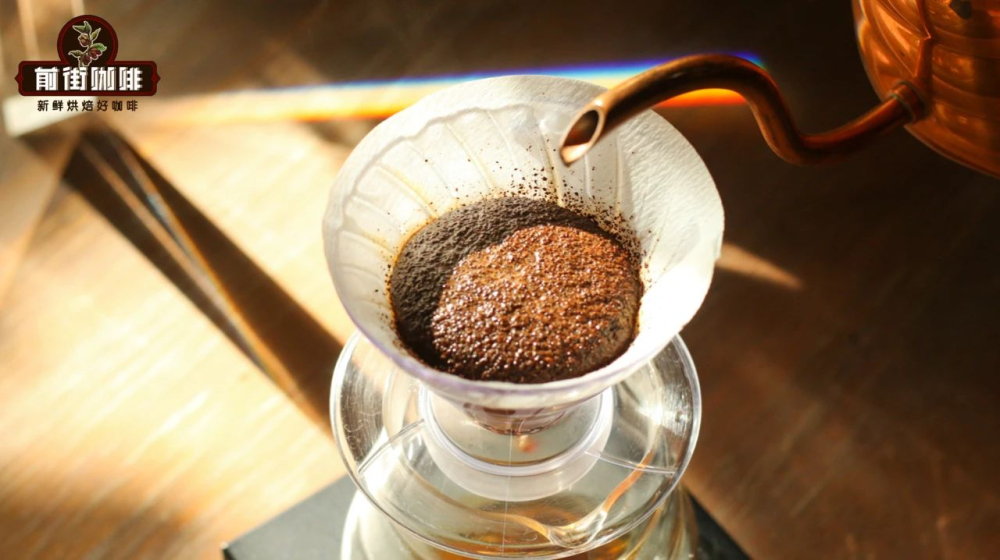
Brewing parameters used by Front Street Coffee: Kono dripper, 88°C water temperature, 15g coffee dose, 1:15 coffee-to-water ratio, medium-fine grind (70-75% passing through a No. 20 standard sieve).
Front Street Coffee uses staged extraction: 30g water for 30 seconds of blooming, then pour in a small circular stream until 125g and pause, then when the water level drops and is about to expose the coffee bed, continue pouring until 225g and stop. (Timing starts at the beginning of blooming.) The extraction time is 2 minutes.
【Flavor Description】
The cup is clean and mild, rich and aromatic, with dark chocolate, nutty, and creamy flavors, and a balance of sweetness, acidity, and bitterness.
7. Guatemala (Flavor characteristics: rich fruity aroma, balanced sweetness and acidity)
Although Guatemala is small in land area, it has tropical rainforests, volcanic geology, highland valleys, and variable microclimates. Its diverse geographical environments create unique coffee flavors. Guatemala's average altitude is relatively high, and the coffee belt is distributed above 1,500 meters, making it easiest to grow strictly hard beans, with a very high proportion of specialty-grade coffee. It mainly cultivates Bourbon, Typica, Caturra, and Catuai.
【Guatemalan Coffee Bean Processing Methods】
Guatemala mainly uses washed processing, supplemented by natural processing. Washed processing ensures fruity flavor, while natural processing enhances richness and layering on that basis.
【Guatemalan Producing Regions】
Guatemala is divided into eight major producing regions, five volcanic and three non-volcanic: Antigua, Traditional Atitlan, Coban Rainforest, New Oriente, San Marcos Volcano, Acatenango Valley, Huehuetenango Highland, and Fraijanes Plateau. Even within the same producing region, flavors are not necessarily the same. For example, in Huehuetenango Highland, crossing just one mountain can noticeably change the coffee flavor. Coupled with increasingly diverse varieties and processing methods, the flavors present a scene of many schools contending.
【Non-Volcanic Producing Regions】
Among Guatemala's three major non-volcanic producing regions, Huehuetenango Highland has the driest climate and the highest altitude. The coffee beans have high acidity, are bitter yet aromatic, and carry a wine-like finish with a good mouthfeel.
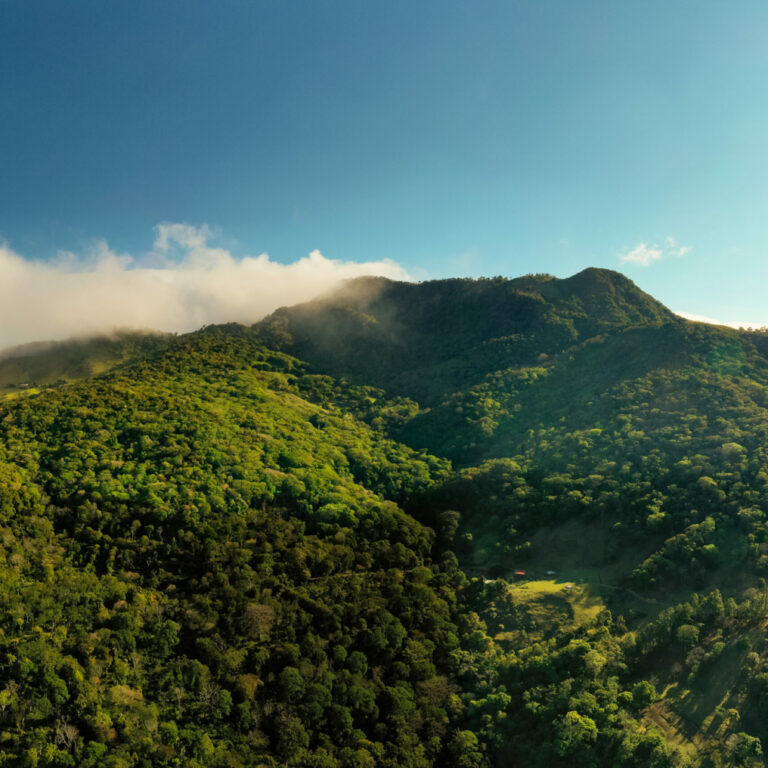
The biggest feature of the Coban Rainforest producing region is the rainforest. There is a major rainy season and a minor rainy season each year. The tropical rainforest brings high humidity and abundant nutrients, and the coffee flavor is known for intense fruity aromas, closely related to the local high humidity.
The New Oriente producing region is located in the easternmost part of Guatemala. Coffee cultivation started latest there, and it was once a remote and poor area. Its rainy and foggy characteristics are close to the Coban Rainforest, but humidity and rainfall are slightly lower. The soil is rich in minerals with balanced nutrients. The coffee beans have a balanced mouthfeel, full body, and chocolate charm, but the fruity acidity is the lowest among the eight producing regions, with chocolate aroma as the main feature.
【Volcanic Producing Regions】
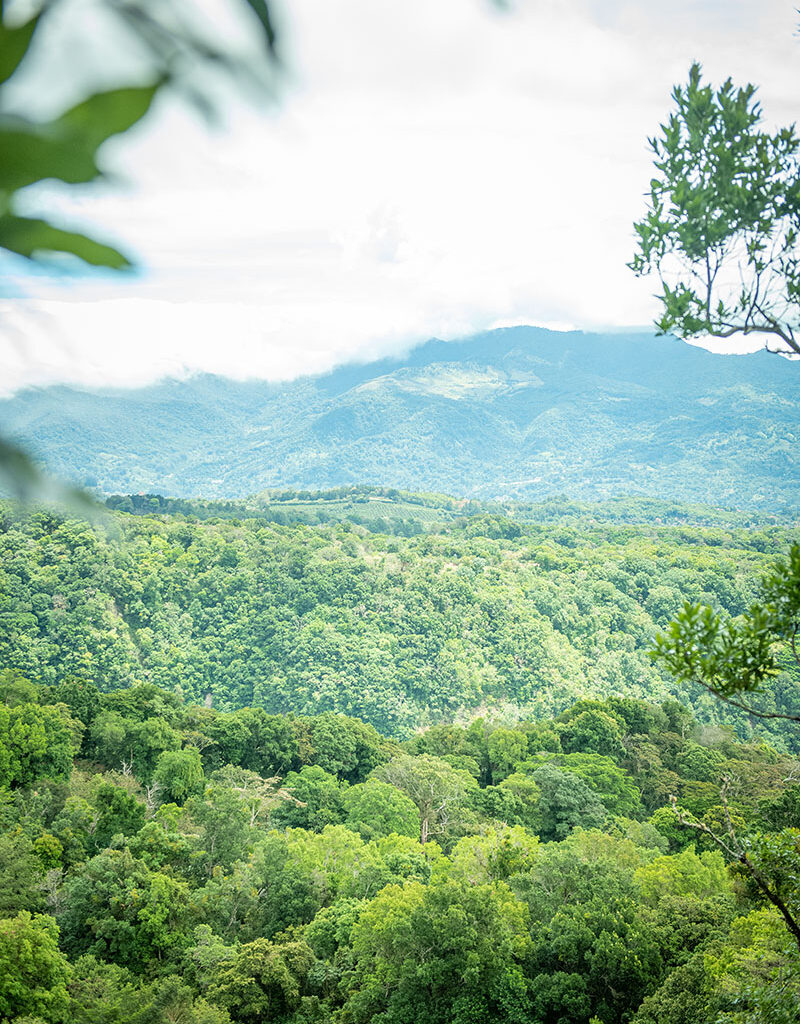
The Antigua producing region is one of Guatemala's most famous producing regions and has the highest frequency of awards, known as a "classic." The main features of the region are rich volcanic soil, relatively low humidity, ample sunshine, and large day-night temperature differences. The region is surrounded by three volcanoes: Agua, Fuego, and Acatenango. Among them, Fuego is one of the most active volcanoes in Central America. Frequent volcanic activity brings pumice that retains moisture, continuously supplying volcanic ash and minerals to the soil, compensating for Antigua's relatively low rainfall and creating a flavor with excellent balance of sweetness, acidity, bitterness, and aroma.
The Acatenango Valley producing region reaches as high as 2,000 meters, with dense shade and a unique ecology. Nearby volcanoes erupt continuously, enriching the soil with minerals and making it the best natural fertilizer. Coffee processing is mainly traditional family methods. The coffee bean flavor is similar to Antigua, but with slightly lower fruity acidity, notable and pleasant dry and wet aromas, full body, a clear finish, and an invigorating aroma.
The Traditional Atitlan producing region has the most abundant organic matter among the five major volcanic areas. With long-accumulated excellent cultivation and processing techniques, 90% of coffee is grown on the steep volcanic slopes along Lake Atitlan, at about 1,300 to 2,000 meters above sea level. The coffee beans have mild acidity, a bright orange peel aroma, and good body.
The Fraijanes Plateau producing region has high altitude and mineral-rich soil. The coffee bean flavor tends to be balanced, but it has a more distinctive aroma and flavor than Antigua.
【Front Street Coffee Selects Antigua Flower God Coffee Beans for Brewing Demonstration】
Producing region: Antigua Estate: La Minita Estate Altitude: 1850m Variety: Bourbon, Caturra, Catuai Processing method: Washed
【Brewing Suggestions】
Brewing parameters used by Front Street Coffee: Hario V60 dripper, 90°C water temperature, 15g coffee dose, 1:15 coffee-to-water ratio, medium-fine grind (80% passing through a No. 20 standard sieve).
Front Street Coffee uses staged extraction: 30g water for 30 seconds of blooming, then pour in a small circular stream until 125g and pause, then when the water level drops and is about to expose the coffee bed, continue pouring until 225g and stop. (Timing starts at the beginning of blooming.) The extraction time is 2 minutes.
【Flavor Description】
Citrus acidity is obvious, floral notes are rich, sweetness is pleasant, body is medium, and there is a slight caramel note in the finish. Overall it is balanced and clean with a smooth texture.
8. Nicaragua (Flavor characteristics: soft fruity acidity, round mouthfeel)
Nicaragua's growing conditions are no worse than those of other Central American countries. Coffee grown under shade at high altitude has a round and balanced mouthfeel, with acidity that is not sharp. Its low reputation is mainly due to war and hurricanes, which made it difficult for single farms to operate sustainably and left a lack of historical records for green bean traders to trace. It was not until after 2003, when unfavorable factors were eliminated and transportation infrastructure improved, that good coffee gradually emerged.
Nicaraguan coffee is mostly grown in fertile volcanic soil. SHG is the highest grade harvested at high altitudes of 1,500 to 2,000 meters.
Front Street Coffee has found that coffee produced by smallholders in Nicaragua has a clean brightness and delicate, soft acidity similar to Costa Rica when lightly roasted, while dark roasting gives it a sweet, substantial, aromatic, and rich mouthfeel like Colombia.
【Nicaraguan Coffee Bean Processing Methods】
Nicaragua mainly uses washed processing, supplemented by natural processing. Washed processing ensures a delicate sweet-sour note, while natural processing enhances richness and layering.
【Nicaraguan Producing Regions】
Nicaragua mainly has three coffee-producing regions: Jinotega, Matagalpa, and Nueva Segovia.
Nueva Segovia is located on Nicaragua's northern border. As early as 1525, Spaniards came in search of gold mines. In recent years it has built the country's best coffee reputation and achieved great success in Nicaragua's Cup of Excellence competition. Coffee is grown on average above 1,500 meters. Its unique flavor conditions make this area, crisscrossed by branches of the Cordillera mountains, a gold mine for specialty coffee.
【Front Street Coffee Selects Nicaragua Villa Sarchi Coffee Beans for Brewing Demonstration】
Estate: Finca Los Congos Producing region: Nueva Segovia Variety: Villa Sarchi Altitude: 1350-1650 Processing method: Natural Grade: SHG
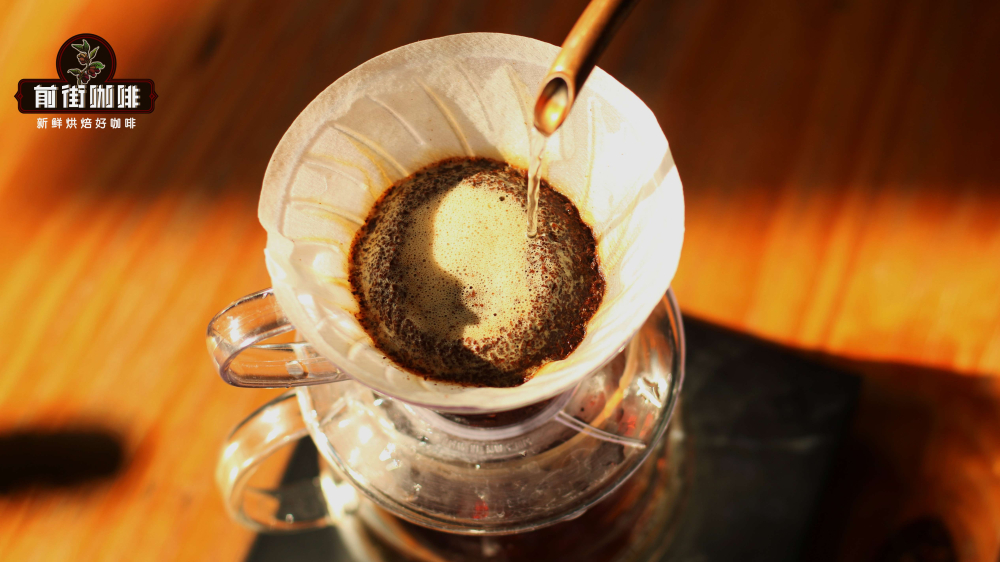
【Brewing Suggestions】
Brewing parameters used by Front Street Coffee: Hario V60 dripper, 90°C water temperature, 15g coffee dose, 1:15 coffee-to-water ratio, medium-fine grind (80% passing through a No. 20 standard sieve).
Front Street Coffee uses staged extraction: 30g water for 30 seconds of blooming, then pour in a small circular stream until 125g and pause, then when the water level drops and is about to expose the coffee bed, continue pouring until 225g and stop. (Timing starts at the beginning of blooming.) The extraction time is 2 minutes.
【Flavor Description】
It smells of fermentation. On entry it shows nutty, berry, and creamy flavors. When slightly cooler, it has dark chocolate notes. The aftertaste has a faint fermented aroma. Overall the mouthfeel is substantial and balanced.
The above content is compiled by CoffeeHunters, a coffee news website.


