







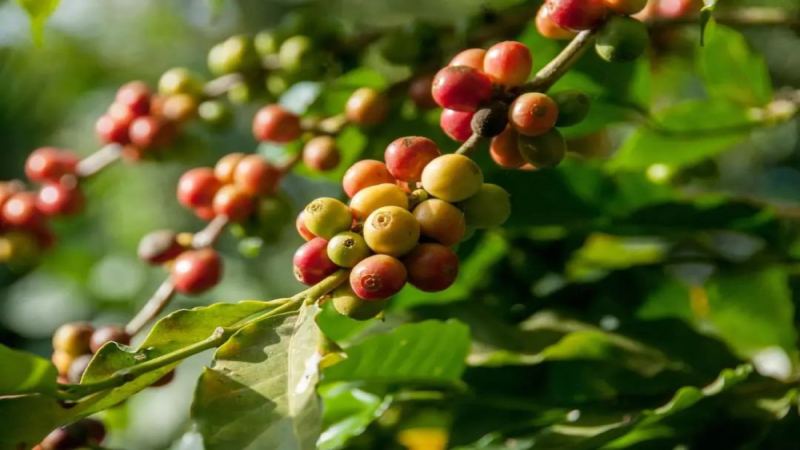
Which Coffee Producing Regions Grow the Arabica Coffee Bean?
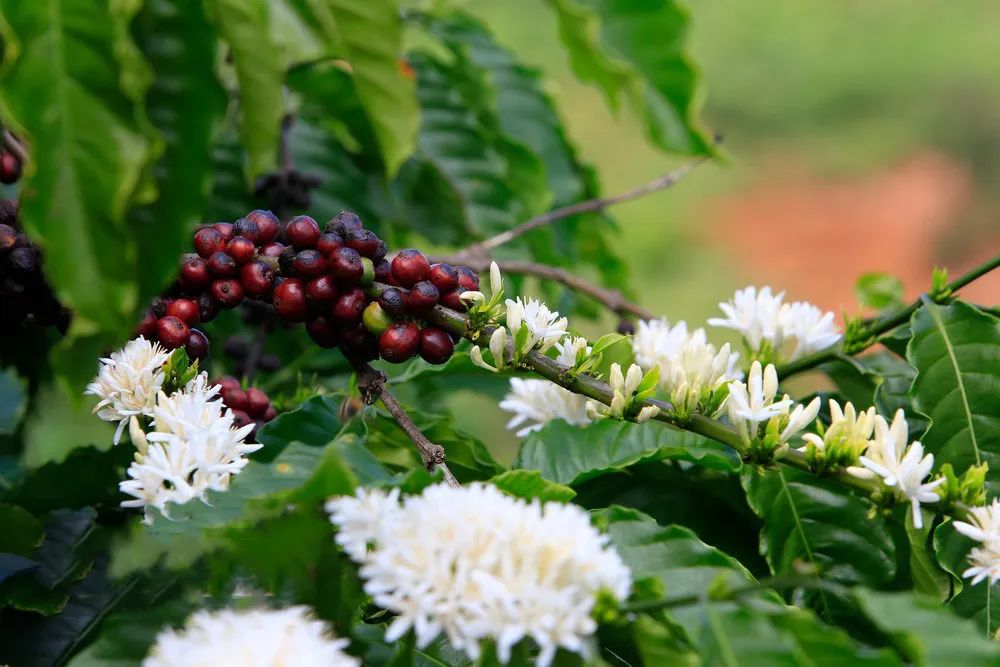
Arabica coffee accounts for more than 70 percent of global coffee production, and its growing conditions are demanding. It typically grows at elevations of 900 to 2,000 meters inside the Coffee Belt, the ring-shaped zone between 25 degrees north and south latitude where winds are calm, temperatures stay mild and cool, and some shade is available.
The Coffee Belt touches roughly 70 countries and regions, of which about 50 have the climate and geography coffee needs. Brazil Cerrado, Colombia Huila, Guatemala Huehuetenango, Costa Rica Tarrazu, Indonesia Sumatra, China Yunnan Baoshan and Ethiopia Yirgacheffe each show distinct flavor profiles, shaped by altitude, soil, microclimate and processing method.
Arabica coffee accounts for more than seventy percent of global coffee production. Its cultivation conditions are demanding, with high requirements for altitude, soil, and microclimate, which is why different producing regions present distinctly different flavor profiles. This article focuses on the basic growth characteristics of Arabica and the distribution patterns of the Coffee Belt, systematically reviewing the flavor styles and processing methods of representative origins across the three major growing regions of Latin America, Africa, and Asia-Pacific—including Brazil Cerrado, Colombia Huila, Guatemala Huehuetenango, Costa Rica Tarrazu, Indonesia Sumatra, China Yunnan Baoshan, and Ethiopia Yirgacheffe. It also introduces Front Street Coffee's everyday drinking bean series and its selection approach and product features across various origins, providing coffee lovers with a complete and practical guide to Arabica origin flavors.
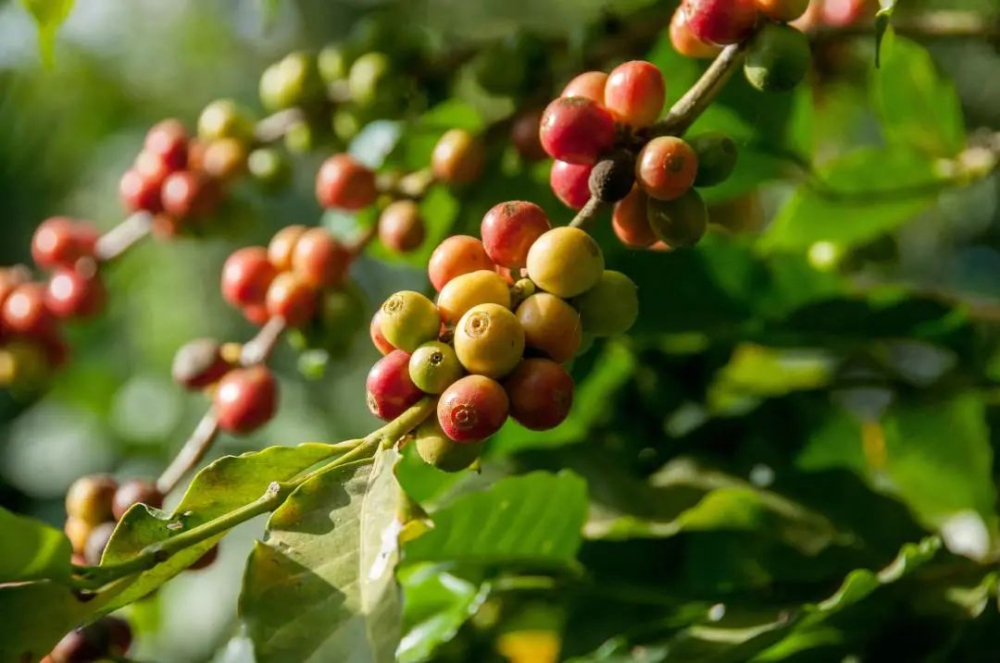
The coffee tree is a tropical crop with rather particular requirements for its growing environment, preferring cool and pleasant areas that are frost-free year-round. Which countries and regions actually possess the ideal conditions for growing coffee? In this article, Front Street Coffee will briefly walk everyone through the main distribution of Arabica coffee origins.
Arabica grows within the Coffee Belt
Global coffee-growing regions are mainly concentrated in a ring-shaped zone centered on the equator, between 25 degrees north and south latitude—a range the industry calls the "Coffee Belt."
Both Robusta and Arabica can be cultivated within the Coffee Belt, but the former can adapt to lower altitudes, while Arabica is typically distributed at elevations of 900 to 2,000 meters, favoring environments with calm winds, mild coolness, and moderate shade. As a tropical cash crop, coffee requires relatively high and stable temperatures, abundant and evenly distributed rainfall, and fertile, well-draining soil—none of these conditions can be missing. The Coffee Belt covers approximately 70-plus countries and regions worldwide, of which about 50-plus countries have the climate and geographical conditions that meet coffee's growth requirements, thus becoming coffee-producing nations. China's Yunnan and Hainan are also located within the Coffee Belt, possessing a solid foundation for coffee cultivation.
Arabica is a representative variety native to Ethiopia, accounting for 70% to 75% of total global coffee production. This variety has extremely strict requirements for growing conditions and is especially sensitive to soil quality. Arabica needs to grow in frost-free highlands at elevations of 800 to 2,200 meters. The higher the altitude, the more pronounced the temperature difference between day and night, which slows the ripening rate of the coffee fruit, thereby favoring the accumulation of flavor compounds and producing fuller aromatic development. The unique microclimates of each producing region provide Arabica with diverse growing conditions and also shape distinctive flavor profiles.
Arabica has a lower caffeine content, around 0.9% to 1.2%; its fat content is about 60% higher than Robusta's; and its sugar content is twice that of the latter. For this reason, Arabica tastes sweeter and more mellow on the palate, with a faint fruity acidity. The vast majority of coffees we drink in cafés are made from Arabica beans, because of their rich aromatic layers and varied mouthfeel, making them suitable for a wide range of extraction methods including espresso, pour-over, and cold brew.
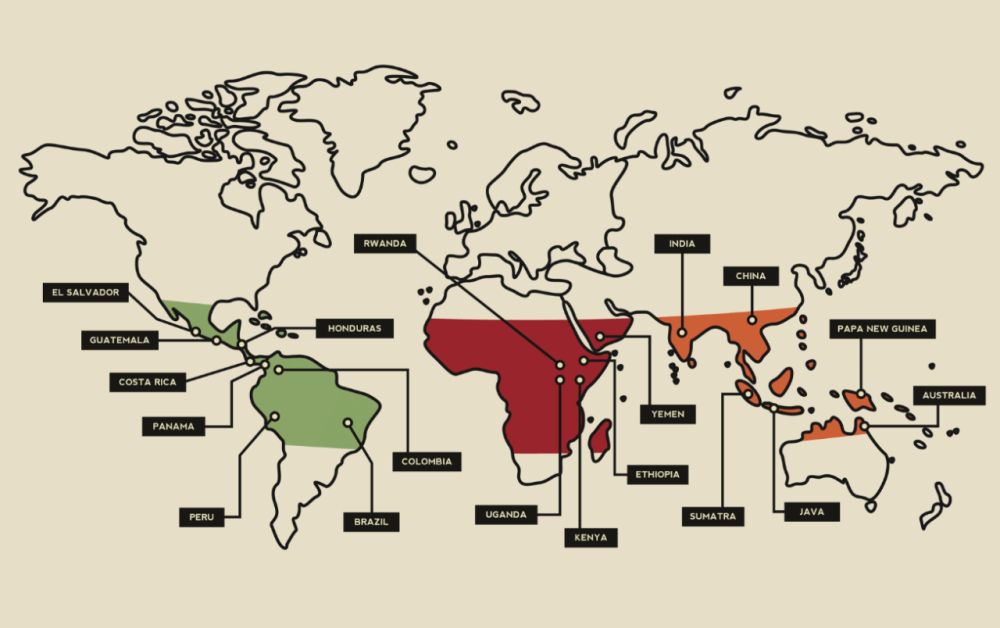
What are the Arabica coffee producing regions?
Global coffee cultivation is mainly divided into three major regions: Latin America, Africa, and the Asia-Pacific region. Coffees from each producing area carry distinct regional flavor characteristics.
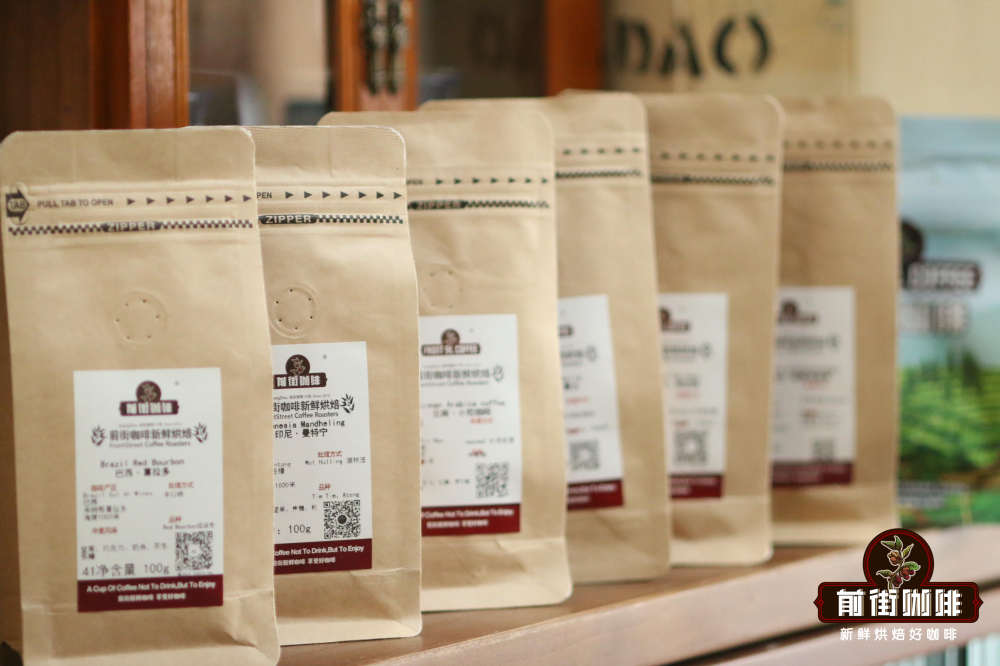
Front Street's bean list features a cost-effective everyday drinking bean series, carefully selected from 7 outstanding producing regions across the three major growing areas, covering multiple highly representative varieties and natural processing methods. So-called everyday drinking beans, as the name suggests, are easy on the wallet for daily consumption, with both price and flavor being quite accessible. Front Street has selected several "flagship representatives" to help everyone identify the basic flavors of each major producing region, including Ethiopia washed Yirgacheffe, Guatemala washed Huehuetenango, Colombia washed Huila, Brazil semi-dry Cerrado, Costa Rica washed Tarrazu, Indonesia wet-hulled Lintong Mandheling, and China Yunnan washed Baoshan.
Latin American representatives:
Brazil Cerrado
Brazil's coffee-producing regions do not enjoy the high-altitude advantage of Africa or other South American origins. The terrain is mostly flatland at only a few hundred meters, and Brazilian growers, pursuing yield, mainly adopt large-scale sun-drying cultivation. As a result, Brazilian coffee cherries ripen relatively quickly, and the flavor lacks the rich fruit acidity of high-altitude coffee, leaning instead toward sweetness and balance. Brazil has 14 coffee-producing regions in total, among which Cerrado and South Minas in Minas Gerais state, as well as Mogiana in São Paulo state, are the most well-known.
Cerrado was Brazil's first coffee-producing region to obtain "origin" certification. Its altitude ranges from 800 to 1,300 meters, with four distinct seasons—humid summers, dry winters—and soil rich in minerals. The coffee produced here carries the smooth, creamy texture of nuts and butter, with a balanced mouthfeel and a very classic Brazilian flavor.
Colombia Huila
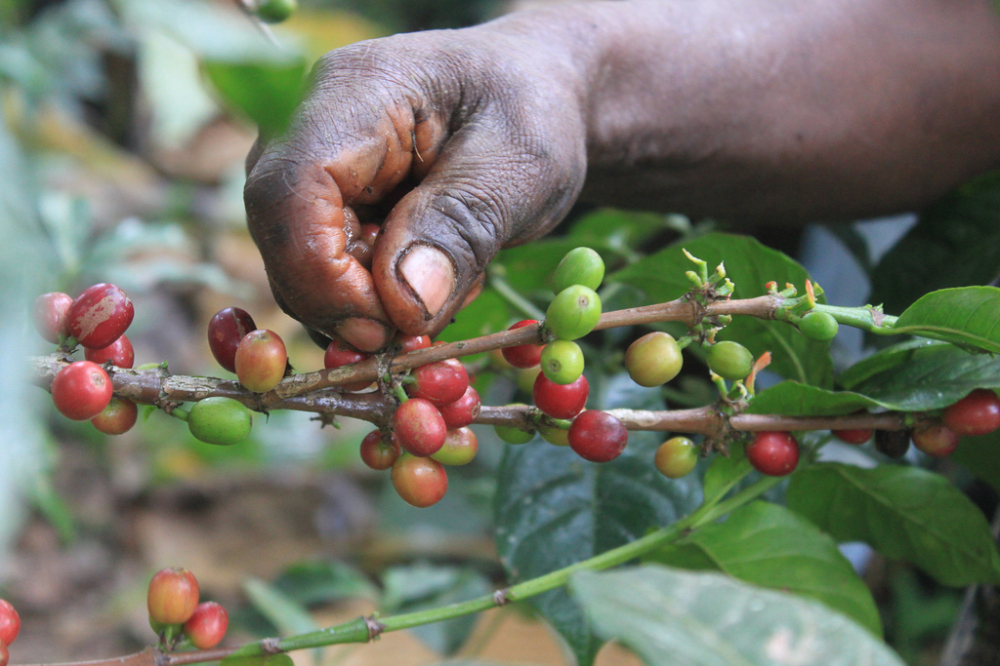
Colombia's coffee-growing areas are distributed across three stretches of high mountain terrain in the western Andes. The terraced mountain topography brings diverse climatic conditions, allowing coffee to be harvested year-round regardless of season. The higher-quality coffee-producing regions are concentrated in the southwest, generally at elevations exceeding 1,500 meters. The significant temperature differences created by high altitude slow the ripening of coffee cherries, giving them ample time to absorb nutrients and convert them into refined flavors.
Huila is located in the southern part of Colombia's Central Cordillera and is one of the country's most important specialty coffee regions in recent years. Surrounded by diverse hills and uplands, with the Colombian River flowing through and providing abundant water resources and moisture, plentiful rainfall, and black soil formed from volcanic ash, the coffee produced here combines full nutty and chocolate aromas with bright, pleasant fruit acidity. With such refined flavors, Huila coffee is widely recognized as the representative of Colombia's top specialty coffee. Front Street therefore lists it as Colombia's flagship representative, using the widely planted Caturra variety and employing Colombia's traditional washed processing method.
Guatemala Huehuetenango
The Huehuetenango highlands are located in Guatemala's western non-volcanic region—the driest and highest-altitude area in the country. Because it sits at the active edge of tectonic plate boundaries, the highland basins experience ever-changing terroir year-round, and coffee flavors are equally rich and varied. Similar to the Antigua region, it also has abundant volcanic soil, with altitudes reaching up to 2,000 meters, but dry hot winds from Mexico blow through the northwest, enabling coffee trees to grow on the 2,000-meter plateau.
Each country has its own coffee grading standards. Guatemalan green coffee beans are mainly graded by altitude—the higher the altitude, the denser the beans, and the higher the green bean grade. The vast majority of coffee from the Huehuetenango region belongs to SHB (Strictly Hard Bean), Guatemala's highest green bean grade. Washed Huehuetenango coffee has high cleanliness, with delicate floral and tea aromas, berry acidity, and a honey-like sweet finish, offering very rich layers.
Costa Rica Tarrazu
The Tarrazu region is located in the volcanic zone southwest of Costa Rica's capital, San José. The soil is fertile, the temperature and climate are mild and suitable, rainfall is stable and abundant, and the average altitude is above 1,500 meters—providing a superior growing environment for coffee trees, with no need for artificial fertilizers or pesticides during cultivation. As a result, over 95% of coffee beans from this high-mountain region of Tarrazu are classified as Strictly Hard Bean (SHB).
Beyond its inherent environmental advantages, Tarrazu's coffee craftsmanship is also highly refined, leading the industry from breeding and cultivation to post-processing. All local coffee cherries are hand-picked and sorted, so the beans are plump, with balanced flavors and an elegant sweet-tart quality. Front Street's Tarrazu everyday drinking beans are a blend of two varieties, Caturra and Catuai. Catuai is a cross between Mundo Novo and Caturra, with strong disease resistance, but its flavor is somewhat more one-dimensional than Caturra, mainly nutty in character, lacking Caturra's rich layers. After blending the two varieties, Tarrazu coffee becomes more balanced and gentle, presenting flavors of nuts, cream, and sweet orange.
Asian representatives:
Indonesia Sumatra
Indonesia is the world's largest archipelago nation. Coffee was introduced to Java for cultivation by Dutch colonists as early as the 18th century, then spread to other islands. The elegantly flavored Arabica varieties are mainly concentrated on several higher-altitude islands: northern Sumatra, Sulawesi, and Java. Sumatra is one of the world's earliest regions to cultivate coffee on a large scale, with the vast majority of coffee coming from the northern Aceh province and North Sumatra province to the south of Aceh. The two main producing areas are distributed around the area of local famous volcanic lakes—Lake Toba and Lake Tawar—traditionally known as the Lintong producing area and the Aceh producing area. Volcanoes have brought fertile soil to Sumatra, and the coffee here typically carries a steady, full-bodied flavor.
Sumatra Island has a typical tropical rainforest climate, with frequent rain and humidity year-round, frequent typhoons, and scarce freshwater resources. Locals cannot process large batches of coffee beans using the traditional washed method, let alone carry out long sun-drying. So local coffee farmers invented the wet-hulling method, which takes only 4 days, greatly shortening fermentation and sun-drying time, saving substantial labor for production, and giving Sumatra Mandheling coffee its unique herbal, spicy, and woody notes. Front Street has selected wet-hulled Mandheling coffee from the Lintong producing area, using a medium-dark roast to highlight the rich depth of dark chocolate along with nutty and caramel aromas.
China Yunnan
Currently, coffee cultivation in Yunnan Province has spread across 9 prefectures and cities and 35 counties and districts, including Pu'er, Baoshan, Dehong, Lincang, Wenshan, and Xishuangbanna. The Yunnan coffee on Front Street's bean list is selected from the Baoshan and Lincang producing areas. Baoshan's warm, frost-free climate year-round is very suitable for growing small-bean coffee. In particular, the unique dry-hot river valley climate of the Lujiangba area has little annual temperature variation but a pronounced day-night temperature difference, creating the distinctive sweet aftertaste of Baoshan small-bean coffee. Combined with reasonably low rainfall, this brings tremendous advantages for coffee cherry growth.
Baoshan is one of Yunnan's larger and earlier coffee-producing regions. Compared with other producing areas such as Pu'er and Menglian, the Lujiangba farm's biggest climatic feature is relatively low rainfall and higher altitude, so most coffee beans from the Baoshan region have less pulp but higher sweetness. As China's own coffee-producing region, Yunnan of course had to be included in Front Street's everyday drinking bean series, letting everyone taste the flavor of Yunnan coffee. Front Street's Yunnan Baoshan small-bean everyday drinking beans use the most commonly planted local variety, Catimor, employing natural washed processing, and after roasting present a balanced character of nuts, chocolate, and brown sugar.
African representative: Ethiopia Yirgacheffe
As the birthplace of coffee, Ethiopia has preserved tens of thousands of native Arabica coffee varieties, making it truly a natural coffee museum. The town of Yirgacheffe is located in Ethiopia's Sidamo Province, at an altitude of over 2,000 meters, making it one of Ethiopia's highest-altitude producing regions. Coffee trees are mostly planted in farmers' own backyards or intercropped with other crops in their fields. Each household produces only a small amount, making it a typical garden coffee. These small mountain villages are shrouded in mist, spring-like year-round, with gentle breezes in summer—cool but not hot, rainy but not damp—and no cold damage in winter, thus nurturing a unique regional flavor of citrus and floral notes.
Front Street's Yirgacheffe everyday drinking beans are likewise selected from a washed processing batch. Washing not only reduces the defect rate of coffee beans but also gives Yirgacheffe a fresh citrus character and elegant white floral notes, bright and delicate. This is why Yirgacheffe broke away from the Sidamo producing region to become the renowned producing area celebrated in coffee circles today.
For professional coffee knowledge exchange and more coffee bean information, please follow Coffee Workshop (WeChat public account: cafe_style)
For more specialty coffee beans, please add the personal WeChat of Front Street Coffee (FrontStreet Coffee), WeChat ID: qjcoffeex
The above content is compiled by CoffeeHunters, a coffee news website.


