







Search Results for: Coffee Acidity Level

Why Does Coffee Taste Sour? A Complete Analysis from Roast Development to Acidity Quality
Many people feel confused when they taste acidity in coffee, but coffee beans themselves are rich in a variety of acidic substances. Before the turn of the millennium, mainstream dark roasting caused the acidity to break down or be masked, and it was only after light roasting became popular in the specialty coffee era that acidity could be clearly perceived. But coffee is not better the more acidic it is—what we should pursue is "acidity quality" rather than simple "acidity level." Acidity level is the intensity of the sour taste, and when too high it becomes sharp and hard to accept; acidity quality, on the other hand, combines with other sensory impressions and can evoke positive flavors such as citrus or smoked plum. The quality of acidity is influenced by many factors, including growing altitude, soil fertility, processing, and brewing. Front Street Coffee will break down these factors in detail in this article to help you truly understand coffee acidity. [more…]
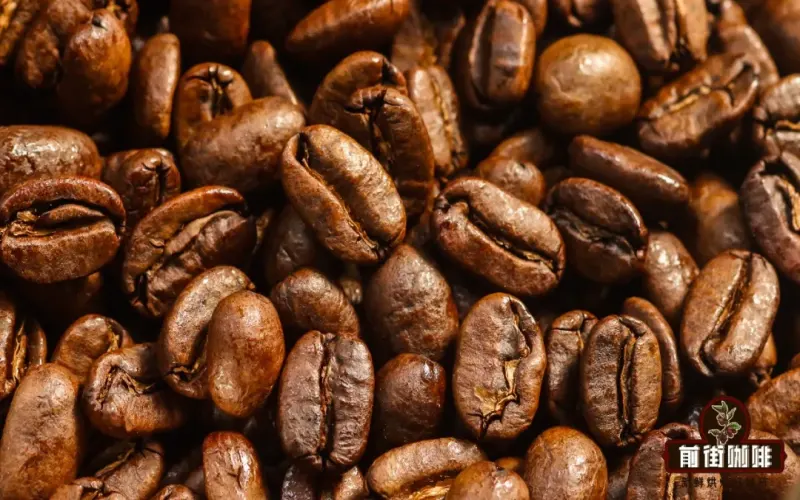
How Does Roast Level Affect Coffee Acidity? A Guide to Nearly Acid-Free Espresso and Pour-Over Single-Origin Bean Recommendations
Many people want to find coffee beans that are completely acid-free, but in reality, coffee that contains absolutely no acidic substances at all hardly exists. The so-called "acid-free" coffees on the market are often just extremely low in acidity, to the point where it is hard to detect. The acidity level of coffee is mainly influenced by variety, growing environment, processing method, and roast level, among which the degree of roasting is especially key—the darker the roast, the more acidic substances are broken down, and the more prominent the bitterness and roasted aromas become, making it easier to mask any remaining acidity. This article will explain the principles behind this and recommend three nearly acid-free Front Street Coffee dark roasts according to flavor intensity: Brazil Queen Estate, Golden Mandheling, and Jamaica Blue Mountain, helping you choose beans precisely based on your taste preferences. [more…]
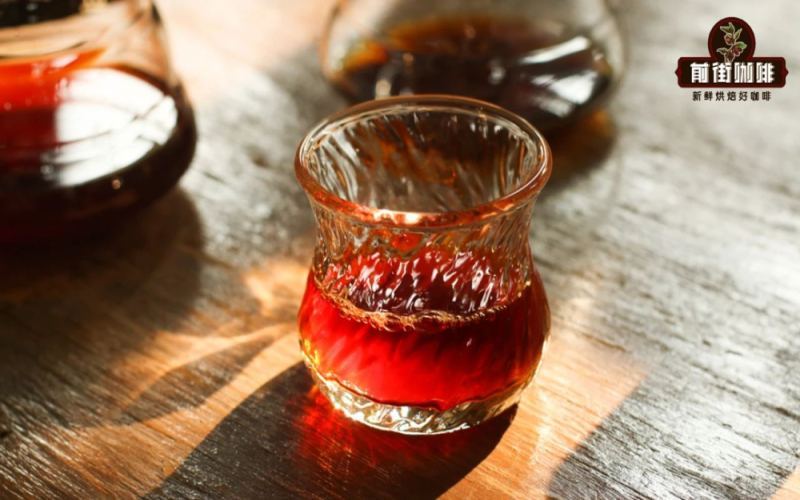
The Origins of Coffee Acidity and the Quality of Acidity: A Complete Analysis from Roast Development to Growing Environment
Why is coffee sour? This question puzzles many friends who are new to specialty coffee. Actually, the answer isn't complicated: coffee beans themselves are rich in various sour-tasting compounds. Before the turn of the millennium, dark roasting was the mainstream—long roasting times broke down much of these sour compounds, and the bitter, charred flavors masked what remained, so people once believed coffee was only bitter, never sour. With the arrival of the specialty era, roast levels shifted from dark to light, and sourness was rediscovered. But stronger sourness isn't necessarily better—what we truly pursue is "acidity quality," not "acidity level." The quality of acidity is influenced by multiple factors: growing altitude, soil, processing, roasting, and brewing. This article, from Front Street's perspective, will systematically sort out the origins and logic of coffee sourness and how to judge its quality. [more…]
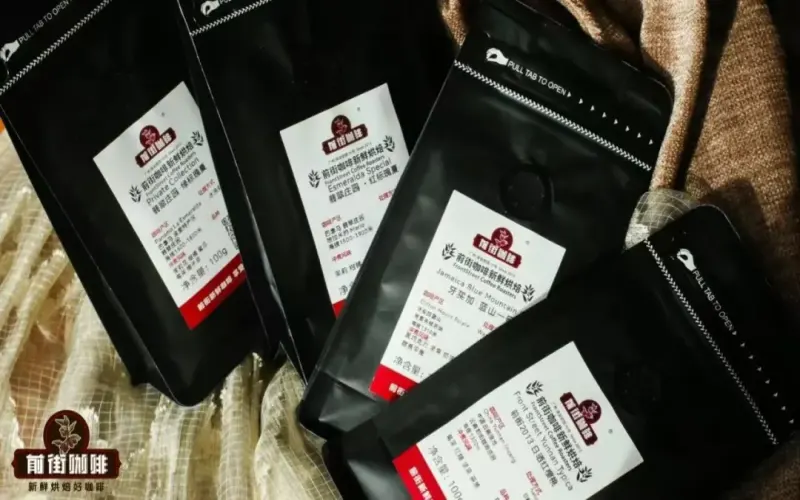
How Is Coffee Bean Roast Level Determined? Differences in Bean Selection for Espresso vs. Pour-Over and an Analysis of Huakui Roasting
How dark should a coffee bean be roasted? How light is light, and how dark is dark? This is a question Front Street Coffee is often asked. In fact, there is no absolute standard for roast level—the core lies in what flavors the roaster wants to present and which characteristics to highlight. This article draws on Front Street Coffee's practical experience: it first explains how roast level affects the coffee's body, density, and acidity-bitterness mouthfeel; then explains how light, medium, and dark roasts are judged at the actual drop point; and finally, using specific beans such as espresso, pour-over, Mandheling, and Geisha, it sorts out Front Street Coffee's complete approach to determining roast level, while retaining product information such as the Huakui medium-roast espresso option. [more…]
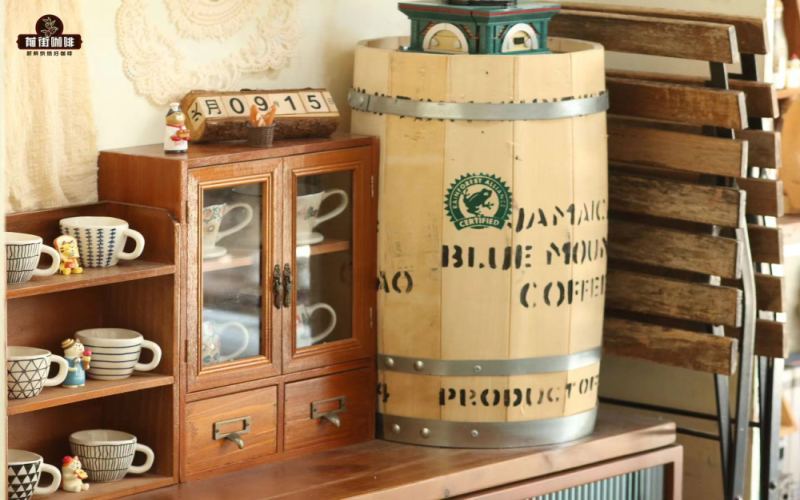
How to choose the roast level for pour-over coffee? How to brew Blue Mountain No. 1 coffee beans for a rich, mellow taste without bitterness
Those just starting to explore pour-over coffee often feel at a loss when faced with the wide variety of coffee beans. Front Street Coffee is often asked: what roast level should you actually choose for pour-over? In fact, the roast level directly determines the direction of acidity, bitterness, and sweetness—light roasts lean toward floral and fruity acidity, medium roasts present soft fruit acidity with caramel sweetness, and dark roasts move toward a mellow bitterness like dark chocolate. Besides flavor differences, the roast level also affects bean density and water absorption, which in turn influences the settings for water temperature and grind size. Based on Front Street Coffee's roasting and cupping experience, this article sorts out brewing strategies for different roast levels and breaks down in detail the extraction method for Jamaica Clifton Mount Estate Blue Mountain No. 1, helping everyone brew a balanced, easy-drinking cup of good coffee that is neither bitter nor astringent. [more…]
A Comprehensive Analysis of Flavor Characteristics of Major Coffee-Producing Countries Worldwide and the Choice of Roast Levels
The flavor of coffee is closely tied to the terroir of its origin and its processing method, while the degree of roast determines its final expression in the cup. This article systematically reviews the coffee characteristics of the world's major coffee-producing countries, including Yunnan in China, Brazil, Colombia, Mexico, Hawaii, Indonesia, Costa Rica, Angola, Ethiopia, Jamaica, Kenya, Yemen, Peru, Guatemala, El Salvador, Honduras, and Cuba, covering representative bean varieties, tasting descriptions, and recommended roast levels for each region. It specifically notes that Yunnan coffee has been evaluated by the International Coffee Organization as belonging to the Colombia wet-processed small-bean category, and retains relevant recommendations for the "Front Street" brand. Whether you prefer the mild, moderately acidic and bitter Brazilian beans, or are drawn to the perfectly balanced Jamaican Blue Mountain coffee, you can find flavor guidance here. [more…]
Coffee Bean Color Values and Ground Values Explained: A Complete Guide from Judging Roast Level to the Causes of Acidity
When buying coffee beans, besides origin and processing method, roast level is often one of the elements we care about most, as it directly determines whether the cup's flavor leans sour, sweet, or bitter. The industry commonly uses the Agtron color value card to distinguish roast levels, but this standard is not universal—honey-processed and anaerobic beans often "deceive" the color value. Why doesn't Front Street Coffee label the roast level on its beans? Where does the sourness in coffee come from? This article will walk you through the principles and limitations of color value, and teach you to judge roast depth through flavor descriptions and drop time, so you no longer feel lost when selecting coffee. [more…]
Global Coffee Cultivation Map Analysis: A Comprehensive Overview of Flavor Characteristics and Representative Bean Varieties from the Four Major Producing Regions
Coffee enthusiasts often ask: where in the world is coffee grown? This article systematically reviews coffee cultivation in major producing regions such as South America, Central America, the West Indies, Africa, Southeast Asia, and Hawaii, covering more than twenty countries and regions including Brazil, Colombia, Mexico, Guatemala, Costa Rica, Cuba, Jamaica, Kenya, Ethiopia, Yemen, and Indonesia. From production scale to flavor characteristics, from grade classification to optimal roast level, it explains in detail the unique qualities of coffee from each place. Whether you are a beginner or a seasoned enthusiast, this producing-region guide can help you more clearly understand the diversity of the coffee world. Front Street Coffee has also compiled representative bean varieties from each producing region for you, making it easy to compare and choose. [more…]
A Complete Guide to Coffee Bean Roast Levels: From Light Roast to Espresso, How Blue Mountain Coffee Achieves Neither Bitterness Nor Sourness
The roast level of coffee beans directly determines the flavor profile in the cup. From a light roast just shy of first crack to an espresso roast with oil on the bean surface, each stage gives coffee a completely different balance of acidity and bitterness as well as aromatic complexity. This article systematically breaks down eight mainstream roast levels—light, cinnamon, medium, high, city, full city, French, and Italian—explaining one by one their crack points, taste characteristics, and suitable growing regions, while offering bean selection advice based on specific Front Street Coffee products. In particular, it answers what roast level suits Blue Mountain coffee to achieve a balanced sweet-acidic-bitter profile that is neither bitter nor sour, and also covers roast choices for different brewing scenarios such as pour-over single origin, iced coffee, and café au lait, helping enthusiasts precisely match roast level to their flavor needs. [more…]
Choosing Espresso Blend Beans by Roast Level: From Bright Acidity to Full-Bodied Richness
When making espresso, the roast level of a blend directly affects the flavor, texture, and suitable drinking occasions of the shot. Light roasts more easily preserve bright acidity and fruity notes, medium roasts bring sweetness, aroma, and body to a more balanced position, while medium-dark and dark roasts lean closer to nutty, cocoa, and roasted tones. For those just getting into espresso, [more…]
How Coffee Roast Levels Shape Flavor: A Complete Guide from Light Roast to Espresso Roast
Green coffee beans themselves have almost no flavor; only through roasting can they release rich aromas and flavors. Different roasting levels directly affect coffee's acidity, bitterness, sweetness, and aromatic expression. This article will systematically introduce the eight levels from extremely light roast to Italian roast, analyze the flavor characteristics and representative bean types corresponding to each roast level, and delve into how the four major flavor elements—sweetness, bitterness, acidity, and aroma—affect the quality of a cup of coffee, helping you find the roast level best suited to your personal taste preferences. [more…]
How Does Roast Level Affect Coffee Flavor? A Comparative Experiment Between Cold Brew and Pour-Over Extraction Methods
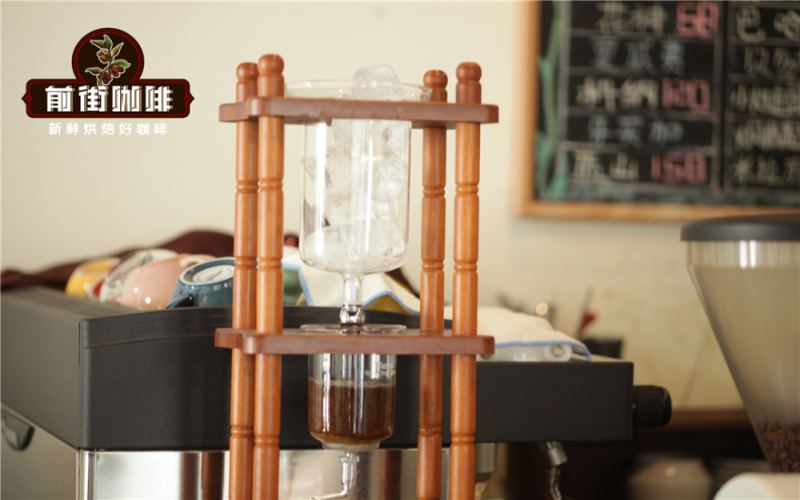
The flavor expression of coffee depends not only on the quality of the green beans, but is also closely related to the degree of roasting and the extraction method. In this experiment, coffee beans at three different roast levels—light, medium, and dark—were selected and extracted using two methods, cold drip and pour-over, to compare their specific differences in aroma, acidity, mouthfeel, and aftertaste. Light roast in cold drip presents fresh notes of citrus, jasmine, and honey, while pour-over shows bright acidity and a clean mouthfeel; medium roast in cold drip brings the sweetness of rose, grape, and blueberry, while pour-over presents the richness of chocolate and caramel; dark roast in cold drip has a pronounced oily body and a smooth mouthfeel, while pour-over is intense with a slight burnt bitterness. The article also recommends representative Front Street Coffee beans for each roast level, providing a reference for coffee lovers when purchasing and brewing. [more…]
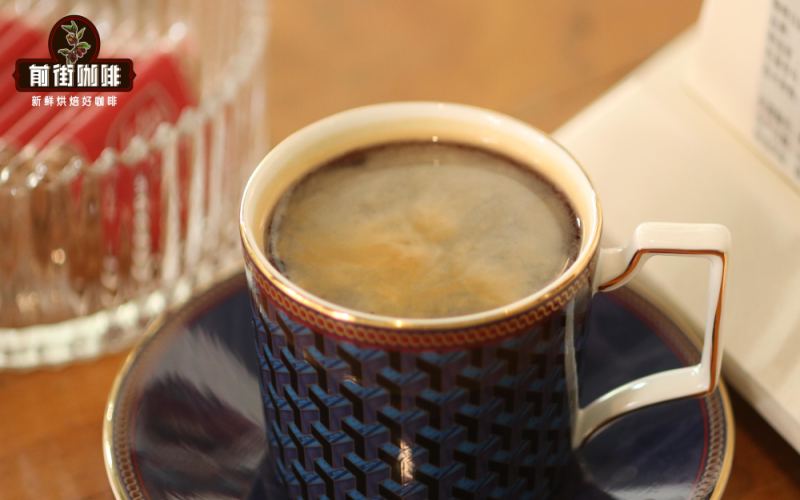
Is it normal for Americano to taste sour? Discussing the causes of acidity from the perspective of roast level and bean selection
Many people's first impression of coffee is that it is bitter, so when they taste acidity in an Americano, they cannot help but wonder whether the coffee has gone bad. In fact, a high-quality Americano is often layered and well balanced with a mellow mouthfeel, and acidity itself does not equal a defect. The source of acidity is closely related to the roast level of the coffee beans, the characteristics of the producing region, and the extraction method. The longer the roasting time, the more pronounced the richness of the Americano and the more obvious the bitterness; while single-origin beans with a light-to-medium roast may present a soft fruity acidity. This article will explain the causes of acidity in Americano, how to judge whether the acidity is normal, and the bean selection and extraction key points when making Americano, and will also include recommendations for four espresso blend beans from Front Street Coffee for reference in different scenarios. [more…]
To avoid sourness with a moka pot, choose your roast level this way
Coffee brewed in a moka pot is quite concentrated, and the roast level of the beans directly affects how it tastes. If you prefer a cup that is round, clearly sweet, and not dominated by acidity, you can narrow your bean choices to the medium to dark roast range, then narrow further based on whether you add milk and whether you like a heavy body. Rather than fixating only on the name of the origin, the roast [more…]

Not-Sour Yirgacheffe: How to Choose Roast Level
If you want a Yirgacheffe without pronounced acidity, start by checking the roast level on the packaging, then decide on the flavor direction. A light roast usually preserves more of the regional character, which may show up as citrus, berries, or floral notes; a medium roast pushes sweetness and roundness to the forefront; a medium-dark roast leans more toward nutty, cocoa, and roasted tones. So-called "not sour" mainly [more…]
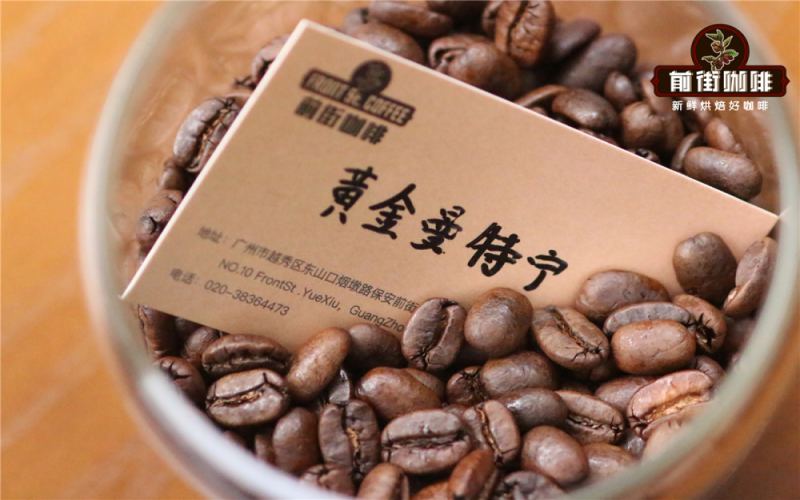
Is Golden Mandheling really not sour? A full analysis of flavor changes under different roast levels and the authentic taste
Many people, upon thinking of Golden Mandheling, conjure up an impression of richness and full body, with pronounced bitterness and only faint fruity acidity. This perception is in fact closely tied to the fact that most Golden Mandheling on the market is medium-dark roasted, including the widely popular Front Street PWN Golden Mandheling, which is also presented as medium-dark by default. Yet judged by the green beans themselves, Golden Mandheling is actually a coffee bean with extremely high acidity. As the roast level moves from light to dark, its fruity acidity undergoes a marked transformation from strong acidity, to acidity, to weak acidity. This article will walk you through the flavor differences of Front Street Golden Mandheling under medium-dark, medium, and medium-light roasts, helping you find the cup that best suits your taste. [more…]
Analysis of the Relationship Between Coffee Bean Roast Level and Fat Loss: Flavor Differences of Light, Medium, and Dark Roasts and Front Street Coffee Bean Selection Recommendations
The roast level of coffee beans not only determines the flavor direction of a cup of coffee, but may also affect its ability to assist with fat loss. From the bright acidity of a light roast to the rich bittersweetness of a dark roast, different roast levels correspond to different expressions of origin and drinking scenarios. Front Street Coffee, with bean sources covering more than 50 producing regions and its own roasting facility, matches each bean with the roasting profile that best showcases its character through repeated cupping and curve adjustments. This article will systematically sort out the flavor characteristics and representative beans of light, medium, and dark roasts, and answer the connection between roast level and fat-loss effects, helping you understand the logic of flavor while finding the cup that suits you. [more…]
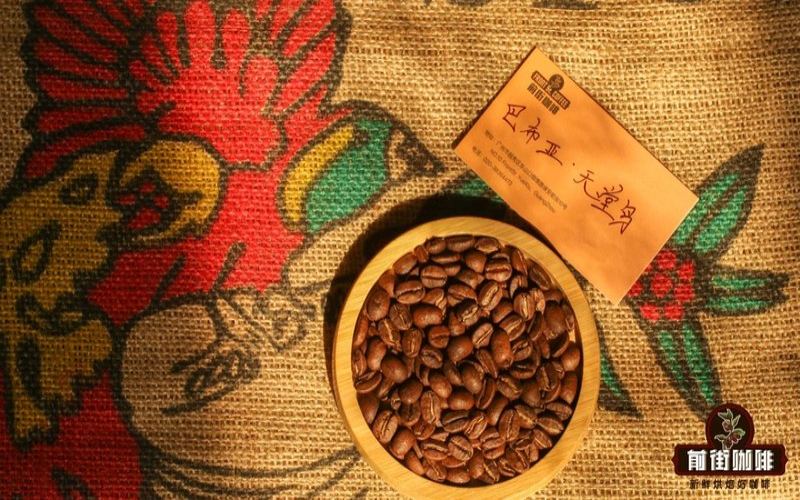
Choosing single-origin pour-over beans that are neither sour nor bitter based on roast level
If you want a single-origin pour-over with soft acidity and a bitterness that doesn't steal the show, roast level is a very practical place to start. A light roast preserves floral and fruity notes, but it may come across as bright; a medium roast more easily brings out sweetness and roundness; a dark roast offers cocoa, nuts, and a fuller body. The key is not to chase the absence of acidity or bitterness, but to let both sensations land in [more…]
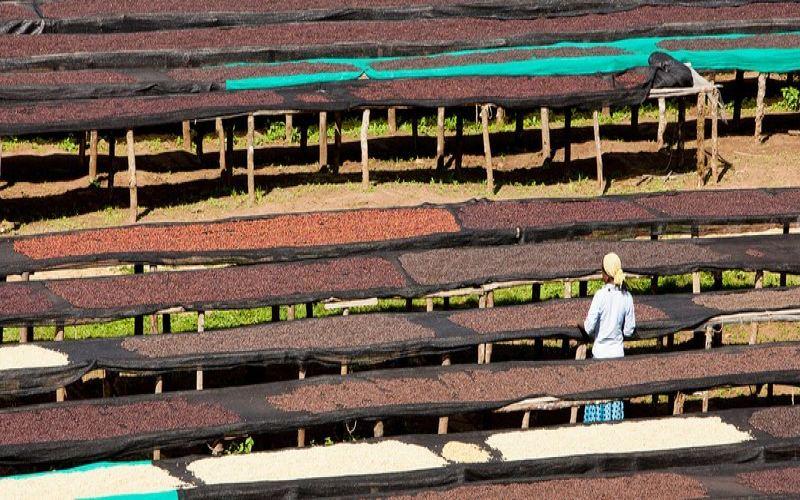
Not Sour, Not Bitter: What Roast Level Determines in Pour-Over Beans
If you want your pour-over coffee to taste mellow, roast level is a very practical entry point to observe. It affects the brightness of acidity, the way bitterness appears, the thickness of sweetness, and the direction of aroma. The so-called "neither sour nor bitter" does not mean weakening all the flavors, but rather finding the position that suits you best among refreshing, sweet, and full-bodied. [more…]
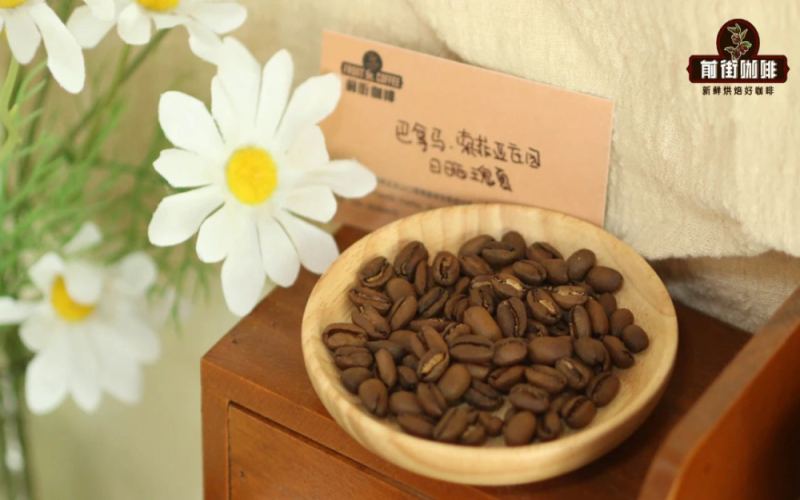
How to Choose Between Light and Dark Roasts for Geisha Coffee? A Complete Analysis of Flavor Expression and Brewing Parameters
Geisha coffee is world-renowned for its intense floral aromatics, citrus and berry notes, and delicate acidity, and the choice of roast level directly determines its flavor direction. This article analyzes the taste differences of Geisha coffee across three dimensions—light, medium, and dark roast—and, drawing on Front Street Coffee's roasting philosophy and brewing practices, provides a detailed interpretation of the flavor characteristics of Panama Hacienda La Esmeralda Geisha. It also includes Front Street's recommended V60 pour-over parameters, coffee-to-water ratio, and grinding standards to help coffee lovers find the cup that best suits them between floral-fruity brightness and rich body. [more…]