







How does a deep roast change coffee flavor and body?
Roast level sets the flavor direction of a cup. Light roasts keep acidity, a lighter body and bright flavors, which is why Ethiopian Yirgacheffe lots are often roasted light to hold lemon-citrus acidity and floral aroma. Medium and dark roasts move toward bittersweet, heavier cups. A deep roast also affects the drink's fat-loss-supporting effect, alongside origin, altitude, climate and processing.
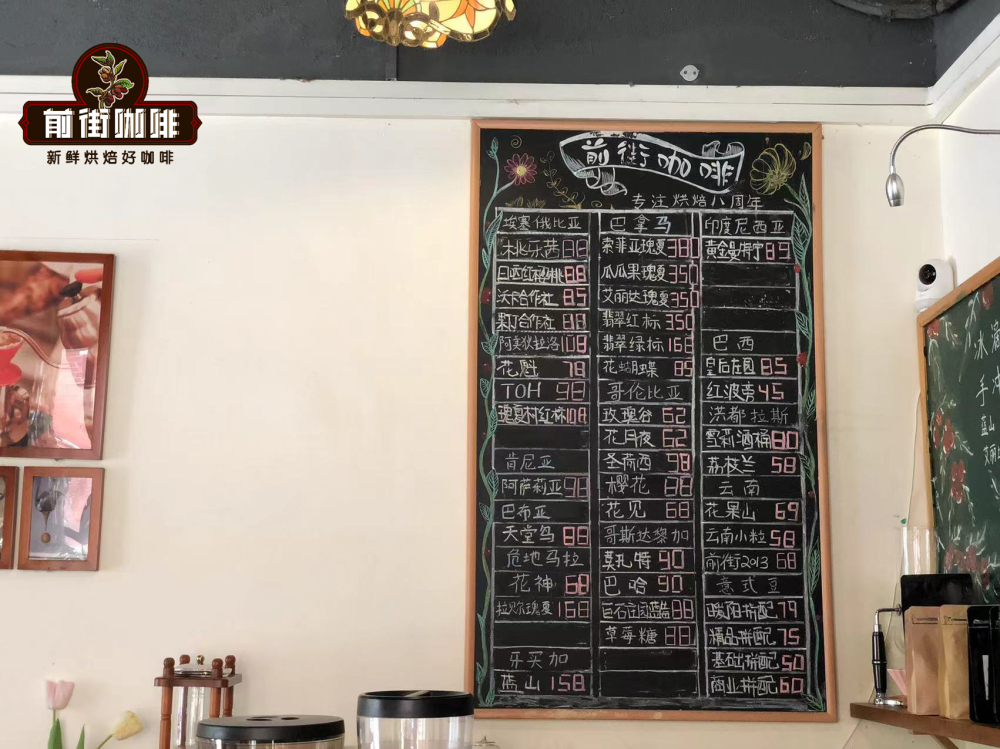
Since the third wave, deep roast lost its default status and light and medium roasts took the mainstream position. One roaster with beans from more than 50 producing regions roasts light to medium-dark, cupping and brewing each lot repeatedly and revising profiles before release. That process aims to let origin character and coffee aroma come through as fully as possible in the finished cup.
The roast level of coffee beans not only determines the flavor direction of a cup of coffee, but may also affect its fat-loss-supporting effect. From the bright acidity of light roast to the rich bittersweetness of dark roast, different roast levels correspond to different expressions of origin and drinking scenarios. Front Street Coffee, with bean sources covering more than 50 producing regions and its own roasting facility, matches each bean with the roasting plan that best showcases its character through repeated cupping and profile adjustments. This article will systematically sort out the flavor characteristics and representative beans of light, medium, and dark roasts, and answer the relationship between roast level and fat-loss effects, helping you understand the logic of flavor while finding the cup that suits you.
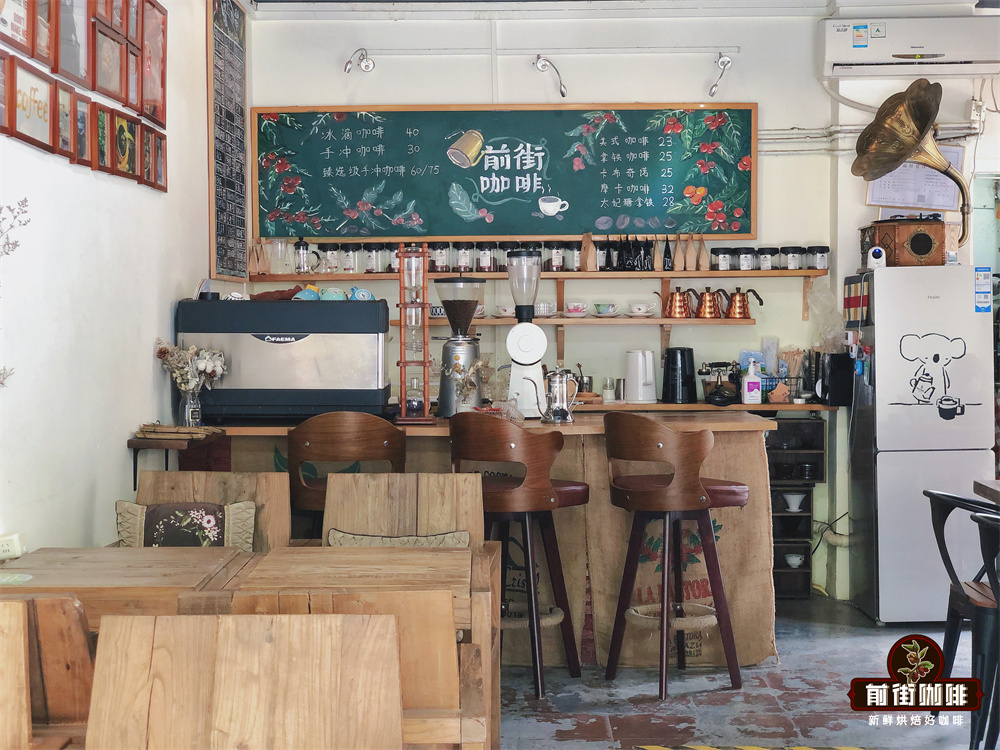
After the rise of the third wave of coffee, the aesthetic toward roast levels in the specialty coffee circle has clearly shifted—dark roast is no longer regarded as the standard, and light roast and medium roast have gradually taken the mainstream position. Front Street Coffee currently has coffee beans from more than 50 producing regions, and its roasting strategy focuses on light roast and medium-dark roast. Below, let's discuss in detail exactly what differences roast level can bring to coffee flavor.
Coffee Bean Roast Levels
Front Street Coffee has always believed that the final flavor of a cup of coffee is influenced not only by producing country, altitude and climate, and processing method, but also by roast level as a key variable. Front Street has its own roasting factory in Qingyuan, Guangzhou, completing the roasting work of dozens of batches of beans every day. Before each coffee bean is listed, it must go through multiple rounds of cupping and brewing verification, and then the roasting profile is continuously revised before the most suitable roast level can be finalized, allowing the bean's origin characteristics to be released to the greatest extent.
1. Light Roast
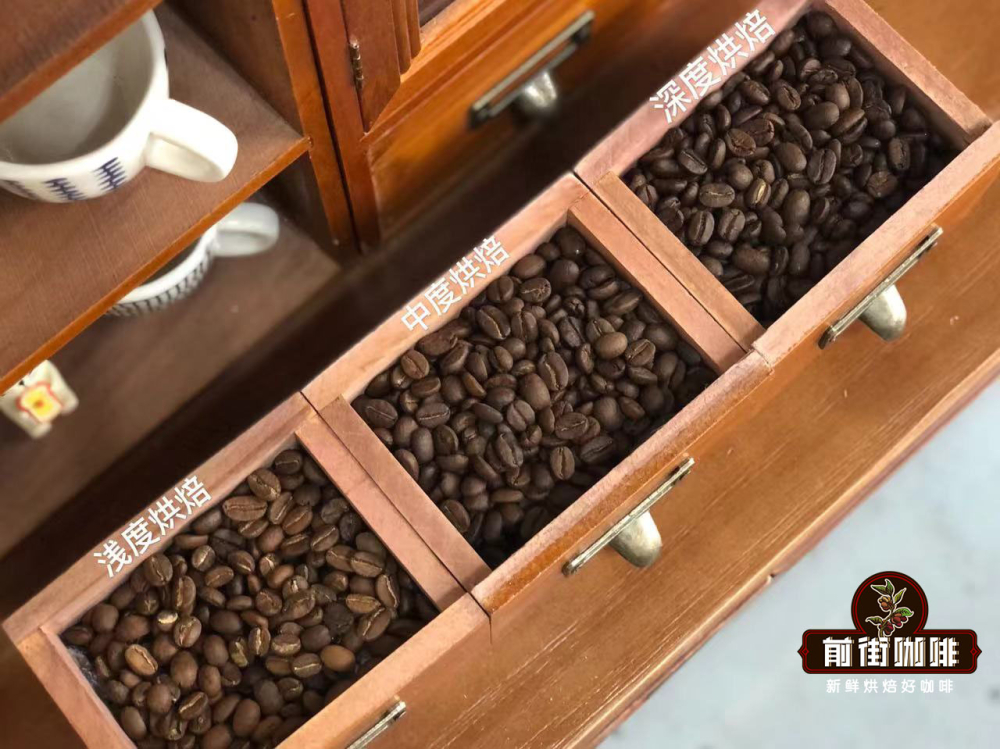
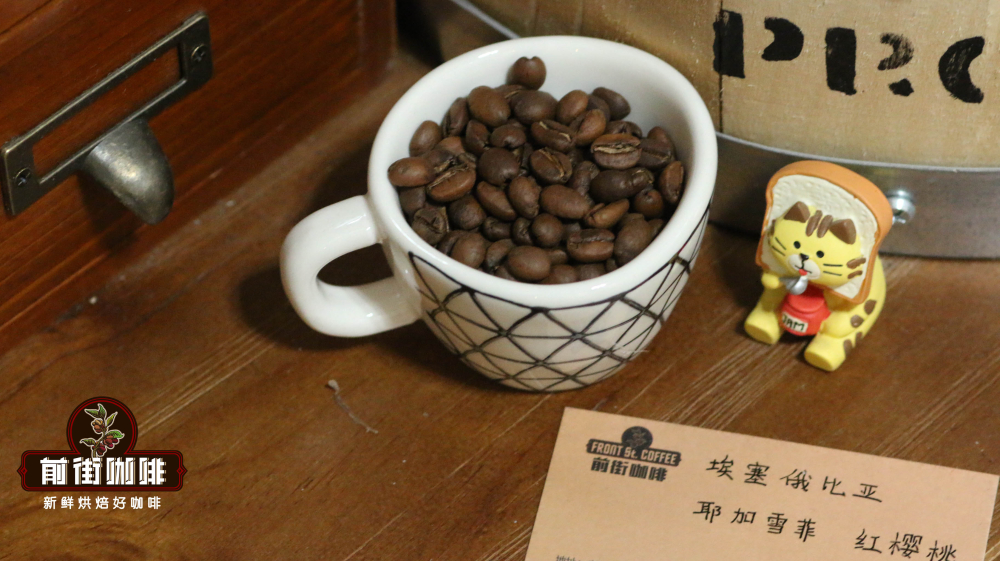
Light-roasted beans are known for their acidity, with a relatively light body and bright flavor. When Front Street Coffee roasts coffee beans from Ethiopia's Yirgacheffe region, it usually chooses light roast to highlight the region's signature lemon-citrus acidity and rich floral and fruity aroma. Front Street's representative beans include Yirgacheffe Gedingding Coffee, Natural Red Cherry Coffee Beans, and others.
Light roast can give coffee more variation, vitality, and unique personality, and is therefore highly favored by the professional coffee industry. This roasting method is better at amplifying the distinctive characteristics of the coffee's place of origin.
2. Medium Roast
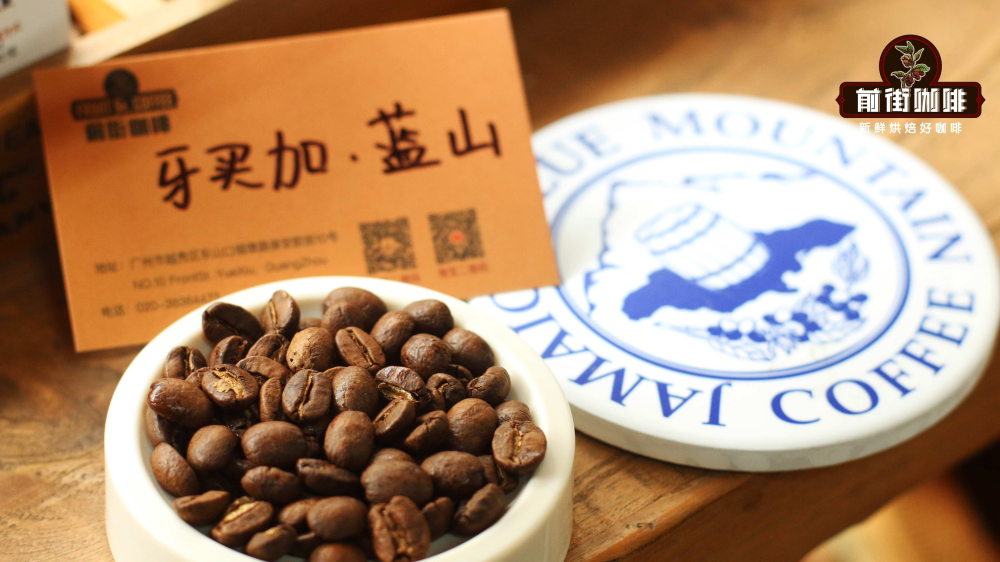
Medium-roasted coffee beans usually show an elegant brown color, with a small amount of oil beginning to appear on the surface. These beans have slight acidity and a red wine character, with a rounded mouthfeel. Medium roast preserves the original taste of coffee while also moderately releasing aromatic substances. It is more intense and sweeter than light-roasted beans, but its acidity is not as pronounced as that of light roast. Single-origin coffees such as Blue Mountain, Colombia, and Brazil mostly use this roasting method.
3. Dark Roast
Dark-roasted coffee is dark brown, with abundant surface oil, low acidity, a heavy red wine note, and an overall taste that is more bitter and full-bodied, so it is also called Italian roast. After dark roasting, it is difficult to recognize the coffee's origin characteristics, and these beans often carry chocolate, nut, and caramel flavors.
Espresso usually uses dark roast because dark-roasted beans extract a richer crema. Front Street Coffee's four self-roasted espresso blend beans all follow the Italian roasting route. It currently uses a blend called Sunflower Warm Sun, composed of Honduras Sherry and Ethiopia Yirgacheffe Red Cherry coffee. After repeated adjustments by Front Street baristas, a blending ratio of 6:4 was finally determined. The espresso made with it has obvious fruity acidity, accompanied by berry aroma and wine aroma, with a comfortable sweet aftertaste.
Which roast level of coffee beans tastes best?
Coffee roasting is like an art, transforming originally tasteless green seeds into fragrant chestnut-colored beans. But this does not mean light roast is necessarily delicious and dark roast is necessarily unpleasant. Front Street believes that every bean carries the flavor genes of its origin, and the role of roast level is to guide these flavors out. As mentioned earlier, beans from Ethiopia's Yirgacheffe region are suitable for light roast to highlight their acidity and floral aroma; Colombian beans are suitable for medium roast to express nutty and chocolate notes. Therefore, when choosing beans, you should not focus only on roast level, but should judge comprehensively from multiple dimensions.
For example, processing method is also an important factor affecting flavor. Take Mandheling coffee beans as an example. Front Street Coffee's Mandheling uses Indonesia's unique wet-hulling method, because Indonesia's hot and rainy climate makes conventional natural and washed methods difficult to apply.
The wet-hulled method easily gives coffee beans an earthy note, so when Front Street roasts Indonesian Mandheling coffee beans, it chooses medium-dark roast to highlight the bean's distinctive herbal and medicinal flavor. The final choice of roast level for a cup of coffee still needs to be sought according to your own taste preferences.
Do coffee beans have fat-loss effects? Is the fat-loss effect related to roast level?
The motivation for many people to drink coffee is precisely the weight-loss-supporting effect of coffee. So, which roast level of coffee beans is more conducive to weight loss?
When Front Street says drinking coffee helps with weight loss, the premise is black coffee with no sugar and no milk. The chlorogenic acid in coffee beans can inhibit glucose from being released into the blood, reducing the accumulation of fat cells; caffeine can promote the breakdown of fatty acids and accelerate consumption; at the same time, coffee also has a diuretic effect that reduces edema, and caffeine can also moderately increase basal metabolism.
In addition, the chlorogenic acid content in coffee changes with roast level. Generally speaking, light-roasted coffee has a higher chlorogenic acid content than heavily roasted coffee. If you hope to use coffee to assist with weight loss, you can choose coffee beans with a lower roast level. Of course, coffee can only play a supporting role, and it must be combined with exercise to achieve fat-loss effects. This is also why many fitness enthusiasts drink a cup of black coffee before training, to help increase muscle excitability and improve training efficiency.
For professional coffee knowledge exchange and more coffee bean information, please follow Coffee Workshop (WeChat public account: cafe_style)
For more specialty coffee beans, please add the private WeChat of Front Street Coffee: kaixinguoguo0925
The above content is compiled by CoffeeHunters, a coffee news website.


