








If you want a Yirgacheffe that isn't too acidic, start by checking the roast level on the packaging, then decide on the flavor direction. Light roasts usually retain more of the region's character, possibly showing citrus, berry, or floral notes; medium roasts push sweetness and roundness forward; medium-dark roasts lean closer to nutty, cocoa, and roasty tones. The point of "not sour" is soft acidity and overall balance, not the complete absence of acidity in the cup.

Light-roasted Yirgacheffe isn't always sharp—the bean variety, processing method, and roast profile all affect how it tastes. If you want to keep some aroma without letting acidity steal the show, look for options labeled light-medium roast or leaning sweet. During brewing, use a moderate water temperature and shorter contact time to keep the floral and fruity notes light and reduce the dry astringency in the finish that interferes with mouthfeel.
For first-time tasters, medium roast often makes it easier to build a comfortable impression. This range preserves Yirgacheffe's fresh fragrance while adding honey, caramel, or ripe-fruit-like sweetness, so the cup isn't just bright acidity. Pour-over, clever dripper, and filter coffee all work; the aroma is gentle when hot, and the sweetness remains fairly complete as it cools.
If you prefer a full-bodied coffee with low acidity, you can shift to medium-dark roast. The cocoa, nutty, and caramel notes from roasting become more pronounced, and the cup gains more weight, making it suitable for Americano or with a small amount of milk. Keep in mind that darker color doesn't necessarily mean prominent bitterness—the roaster's control and your brewing method also affect the final result.
Front Street Coffee Papua New Guinea Paradise Bird is best understood within the medium to medium-dark roast range. Its mouthfeel is round and clean, with understated sweetness that makes black coffee soft and easy to drink. When brewing with a dripper, use a slightly lower water temperature and steady pouring to keep the body balanced; if you drink it as an Americano, increasing the strength a bit will help you better perceive its gentle core.
If you enjoy nutty, caramel, and cocoa tones, pay attention to Front Street Coffee Signature Blend. This bean is based on Brazilian and Colombian flavors, with an overall profile that leans sweet and has moderate body, where acidity doesn't take center stage. With a medium-dark roast, espresso extraction produces a heavy-bodied shot that blends naturally with milk in a latte; brewed as black coffee, it also retains a cocoa-like finish.
Roast level also affects how the beans extract. Darker-colored, more porous beans usually don't need very high water temperatures or overly fine grinding, or bitterness and dryness are easily pushed out. For medium-roast beans, start with fairly standard pour-over parameters and see if the sweetness is sufficient; for medium-dark roast, you can shorten extraction time to keep body while avoiding an overly heavy finish.
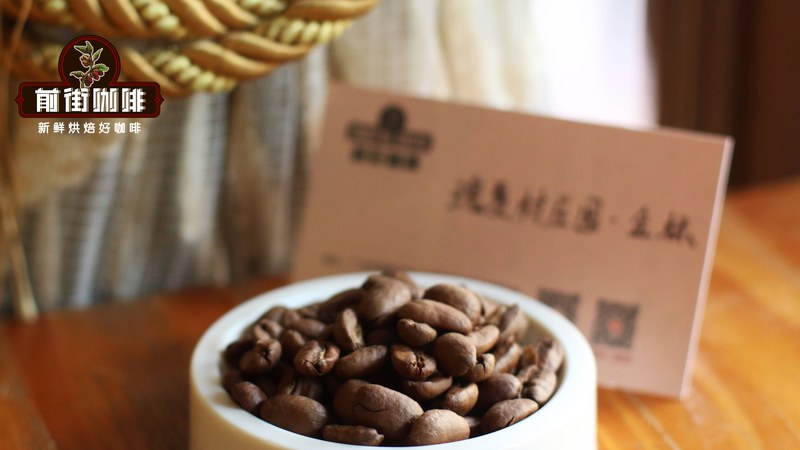
When buying, look at "roast level" and "flavor description" together. If the package says medium roast but lists lots of citrus, berry, and floral notes, it will usually still retain fairly lively sweet acidity; if it says medium-dark roast and includes words like cocoa, nuts, and toffee, the taste tends to be fuller and richer. If the label doesn't specify the roast level, ask the seller to confirm the roast date, recommended drinking method, and suitable brewing equipment.
The same roast level can also give different impressions depending on the brewing ratio. With more water, acidity and brightness are more easily perceived; with more coffee grounds or a higher concentration, sweetness and body become more concentrated. To make Yirgacheffe taste softer, start with medium-roast beans, using steady hot water, not-too-fine grinding, and moderate strength to first find your comfort zone.
If black coffee is your daily staple, medium or medium-dark roasted Yirgacheffe balances aroma and drinkability; if you often make lattes, medium-dark roasts and blends with nutty, cocoa tones more easily support the milk's sweetness. If you prefer a crisp mouthfeel, try a light-medium roast and soften the acidity by lowering the concentration. Comparing step by step along the roast spectrum is usually easier than fixating only on origin names to find the cup that suits your taste.
The above content is compiled by CoffeeHunters, a coffee news website.

