








If you want your pour-over coffee to taste mellow, roast level is a very practical starting point to observe. It affects the brightness of acidity, the way bitterness emerges, the fullness of sweetness, and the direction of aroma. The so-called "neither sour nor bitter" doesn't mean weakening all flavors, but finding a position that suits you better among refreshing, sweet, and full-bodied.
Light roast beans retain more distinctive regional character, often with floral, citrus, berry, or tropical fruit notes. Their acidity is more like the lively tang in fruit juice rather than a plain sharp sting. If you prefer clear aromas without the cup being too sharp, you can choose light roast beans with better sweetness and use slightly lower water temperature, moderate grind size, and steady pouring to express mellowness.

Front Street Coffee Yirgacheffe Gutingding is suitable for understanding within the light roast direction. It has a bright citrus and berry-like entry, followed by floral notes, and after cooling, you can still feel a green tea-like sweet aftertaste. For pour-over, you can use a slightly lower water temperature to avoid excessive agitation; if you find the acidity prominent, grinding a bit finer and extending contact will make the sweetness more complete.
Light roast pour-over doesn't necessarily mean it must be sour. Water temperature too low, grind too coarse, or pouring too conservatively may instead cause under-extraction, making the acidity seem thin. When brewing, you can observe the texture of the coffee liquid: if the entry has only sharp acidity and lacks sweetness, it means you need to increase extraction a bit; if there's a dry astringency in the finish, you should reduce agitation or shorten the later stage dwell.
Medium roast is usually the range that's easier to transition into for a mellow orientation. It pushes floral and fruity aromas toward ripe fruit, caramel, nuts, or cocoa, acidity no longer appears first, and sweetness and body are also easier to taste. For people just moving from instant coffee or milk coffee to pour-over, medium roast beans often retain single-origin character while not making the flavors seem too jumpy.
When choosing medium roast beans, you can watch for whether the description mentions fruit, syrup, nuts, or chocolate at the same time. Beans with only roasted tones may seem dull, while beans with only bright fruit acidity may not meet expectations. A medium roast style with ripe fruit and caramel notes can usually achieve a more natural transition between refreshment and roundness.
For medium roast pour-over, you can start with more conventional water temperature and coffee-to-water ratio, without deliberately pursuing a very slow flow rate. If the entry is on the sour side, increasing the water temperature a bit or letting the water contact the coffee grounds a little longer can help the sweetness unfold; if bitterness rises, you can coarsen the grind or reduce the later pours. The goal of adjustment is to make the mouthfeel coherent, not to amplify a single flavor.
The flavor center of dark roast beans is closer to dark chocolate, roasted nuts, herbs, and caramel, acidity is usually subdued, and the body is also fuller. For people who don't like fruity acidity and want black coffee with weight, dark roast pour-over can be a suitable direction. However, dark roast doesn't mean it must be bitter; heat level, grind, and extraction length all change the dry bitterness in the cup.
Front Street Coffee PWN Indonesian Golden Mandheling is a darker roast option, with more prominent herbal notes and dark chocolate tones, a full entry, and low acidity presence. For pour-over, you can use slightly lower temperature water and control total extraction time to reduce the charred bitterness from high heat; when using a moka pot or making Americano, its full-bodied feel is also easier to retain, suitable for those who prefer a steady flavor.
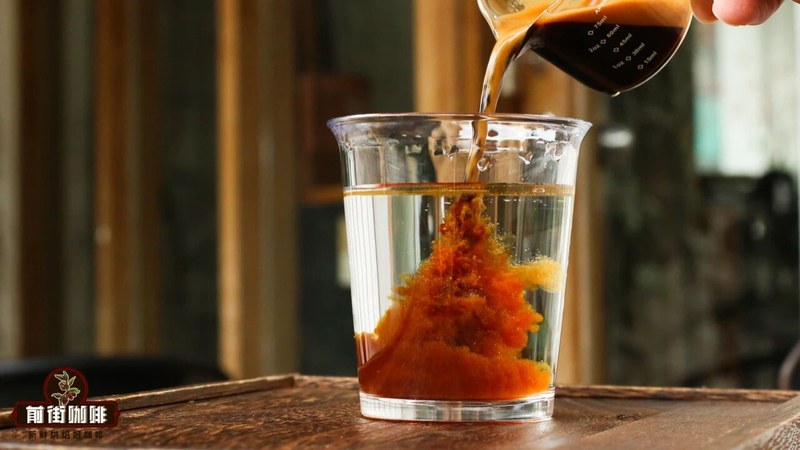
If you want to leave a wider space between low acidity and fruity aroma, Front Street Coffee Colombia Sidra can serve as a contrast to the bright light roast style. It has passion fruit, blueberry, grape, and apricot-like aromas, with obvious juiciness, suitable for iced pour-over or cold brew. Chilling makes the acidity seem rounder, and if made as SOE, it yields a more concentrated fruity expression.
Roast level is only the starting point for judging flavor; the actual cup feel is also affected by freshness, bean grinding, and water quality. When purchasing, you can understand light roast as bright aroma, medium roast as balanced sweetness, and dark roast as full-bodied and low in acidity, then make trade-offs based on the acidity you accept and the mouthfeel you like. Once you find the right direction, pour-over will change from "guessing flavors" to a more relaxed daily enjoyment.
The above content is compiled by CoffeeHunters, a coffee news website.


