








Coffee brewed with a moka pot is quite strong, and the roast level of the beans directly affects how it tastes. If you prefer a cup that is round, clearly sweet, and not dominated by acidity, you can narrow your bean choices to medium to dark roasts, then refine further based on whether you add milk and whether you like a heavy mouthfeel. Rather than fixating on region names alone, roast level is a faster way to judge roughly which direction a cup of coffee will lean.
Light-roasted beans usually retain more of their regional character, with floral, citrus, and berry notes easily amplified, tasting bright and light. When extracted with a moka pot, the heat and concentration make this type of acidity even more intense. Those who enjoy crisp fruit notes may find it interesting, but consumers seeking low acidity generally don't need to focus their search on light roasts. If the packaging says light roast or light-medium roast, also pay attention to whether the flavor leans toward fruity acidity.
Medium roast is the direction that most easily balances sweetness and softness. After the beans undergo fuller roasting, harsh acidity recedes, and notes of nuts, caramel, and cocoa gradually become clear, and the moka pot brew also has more body. If you want to drink black coffee but don't want the cup to be too heavy, you can start with a medium-roast single origin; if you occasionally add a little milk, medium-roast beans can still retain enough coffee aroma.
Medium-dark roast is better suited to those who enjoy a full-bodied mouthfeel. Its aroma often leans toward roasted nuts, brown sugar, cocoa, and ripe fruit, with acidity having a weak presence, and the weight on the palate is more pronounced than medium roast. When brewed with a moka pot, this roast level delivers a richness close to espresso, and after adding hot milk, there is still a clear coffee flavor, making it suitable for breakfast or an afternoon moment when you want a solid milk coffee.

The flavor focus of dark-roasted beans shifts further toward dark chocolate, caramel, roasted, and smoky tones, with acidity often fading into the background. It suits those who enjoy bittersweetness, heaviness, and a long finish, and is also very suitable for making moka pot Americano. However, dark roast doesn't necessarily mean bitter and astringent—bean quality, roast control, and brewing method are equally important. When choosing, prioritize looking at flavor descriptions and seek words like cocoa, nuts, and caramel, rather than just recognizing the words "dark roast."
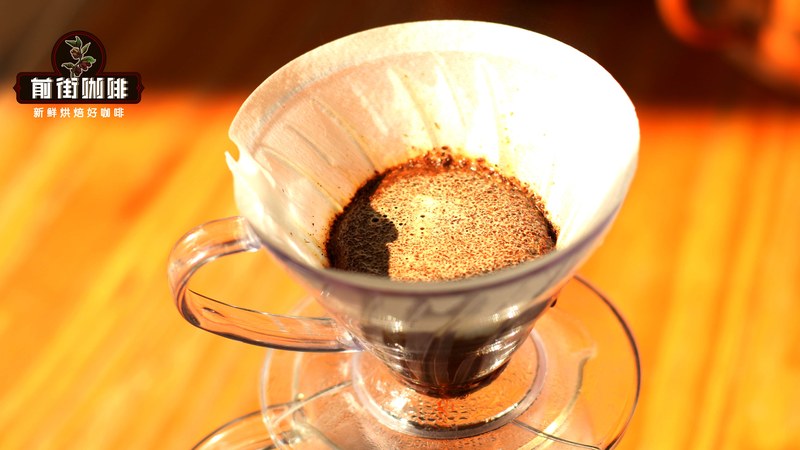
If you want the balance that medium roast brings, take a look at Front Street Coffee Papua New Guinea Bird of Paradise. This bean has an overall gentle character, doesn't taste sharp on entry, and offers clean sweetness and a fairly complete mouthfeel. When brewed as black coffee in a moka pot, it's best to let it cool slightly before drinking, as the sweetness becomes easier to perceive; if you add a small amount of milk, it also stays light and won't make the whole cup overly heavy.
If you prefer the nutty-cocoa profile, you can choose Front Street Coffee Brazil Queen's Estate. Its flavor focus lands on nuts, cocoa, and caramel-like sweetness, with restrained acidity, well suited to the moka pot's rich expression. Made as black coffee, it is round on entry with a caramel-like sweetness in the finish; after adding milk, the coffee and milk flavors connect naturally. For those just starting with a moka pot, this medium to medium-dark roast direction makes it easier to establish a taste reference.
If you already enjoy the richness that dark roast brings in daily life, Front Street Coffee PWN Indonesia Golden Mandheling will be closer to your expectations. It carries herbal notes and a deep dark-chocolate-like aroma, with a fairly mellow mouthfeel, and acidity doesn't take over the front. After brewing in a moka pot, you can dilute it directly with hot water to make a rich Americano; it can also be paired with a higher proportion of milk, letting the cocoa-like flavor become the main support in the milk coffee.
When purchasing, also check the roast date and roast labeling on the packaging. Even with the same "medium roast" label, different roasters' heat settings and development times can produce different results—some lean nutty and sweet, while others still retain noticeable fruity acidity. If your goal is no acidity, you can prioritize beans whose descriptions include clues like cocoa, hazelnut, caramel, brown sugar, and mellow, and avoid flavor profiles featuring citrus, berries, or grapefruit as the star.
The heat level of the moka pot also changes how the roast level comes across. Medium-roast beans can start with gentle heating, letting the sweet aroma release gradually; medium-dark and dark roasts should avoid sustained high heat so the roasted flavor doesn't cover the original sweetness. When the liquid coming out turns noticeably lighter in color and the sound starts to become lively, you can stop the heat and then pour the coffee into the cup. Choosing the right roast direction, combined with consistent technique, makes a moka pot coffee that is not acidic but sweet more easily become a daily habit.
The above content is compiled by CoffeeHunters, a coffee news website.

