







Why do coffee bean color values not always match roast level?
Agtron color values grade roast level by the surface color of the roasted coffee bean: higher numbers mean a lighter roast and paler bean, lower numbers mean a darker roast. The scale is a useful reference, but it is not universal. Honey-processed and anaerobic beans carry pectin and fruit residue that skew the reading, so the measured value can misrepresent how dark the roast actually is.
That limitation is why some roasters leave roast level off the label and expect drinkers to judge depth from flavor descriptions and drop time instead. Roast depth governs the balance of acidity, sweetness, and bitterness in the cup, so understanding its limits helps when selecting green coffee, comparing coffee bean descriptions, and working out where a coffee's acidity comes from.
When buying coffee beans, aside from origin and processing method, roast level is often one of the factors we care about most, as it directly determines whether the cup's flavor leans acidic, sweet, or bitter. In the industry, the Agtron color value card is commonly used to distinguish roast levels, but this standard is not universal—honey-processed and anaerobic beans often "deceive" the color value. Why doesn't Front Street Coffee label its roast level? Where does the acidity in coffee come from? This article will guide you through the principles and limitations of color values, teaching you to judge roast depth through flavor descriptions and drop time, so you won't be confused when selecting coffee.
The depth of the roast directly governs the final flavor direction of the coffee beans—the balance among acidity, sweetness, and bitterness is established by it. Therefore, whether selecting green beans or for daily drinking, besides paying attention to the bean's origin and processing information, roast level is also a key indicator that the vast majority of enthusiasts specifically note.
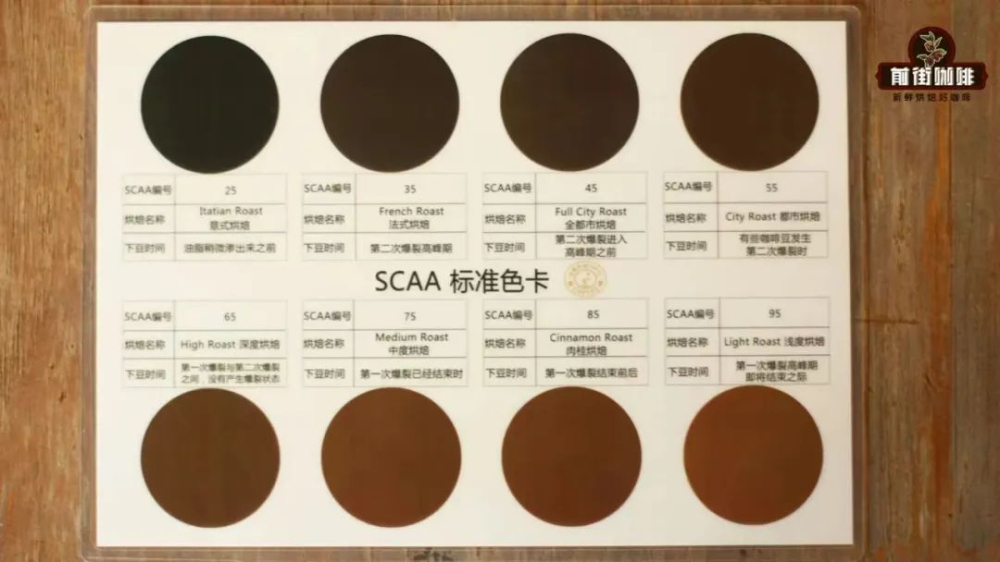
Just as we can use the "white line" of coffee beans to distinguish washed from natural (a technique for judging processing method by appearance), when it comes to roast level, everyone initially tends to make a preliminary assessment with the naked eye. The industry does have a scientific grading system based on the surface color of coffee beans after roasting, using it as the criterion for roast level. Below is an Agtron color value card—feel free to take a quick look. It converts the bean's color into specific numerical values, thereby establishing a comparison table for roast grading. The numbers here are Agtron color values (caramelization analysis values): the higher the value, the lighter the roast and the paler the color; the lower the value, the darker the roast and the deeper the color.
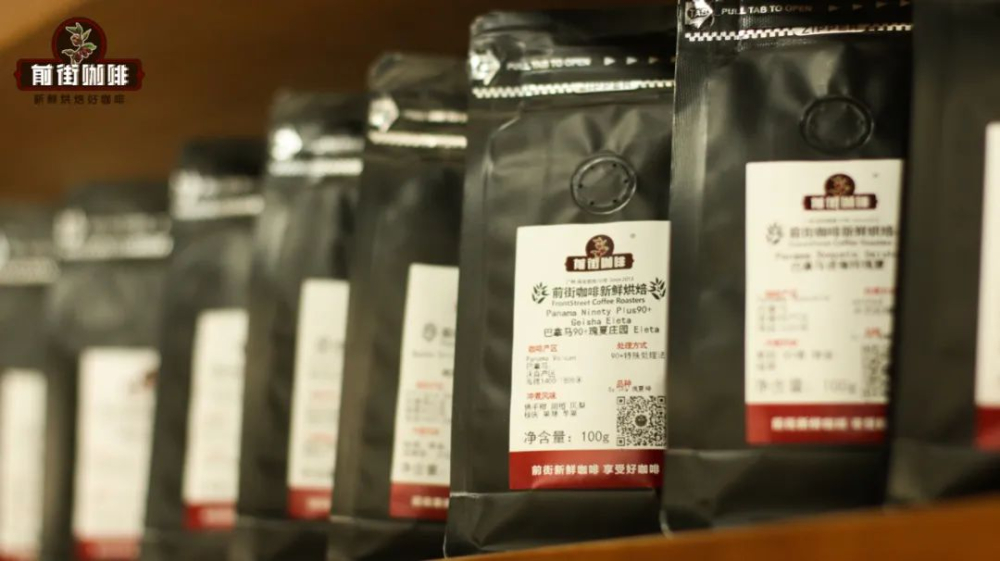
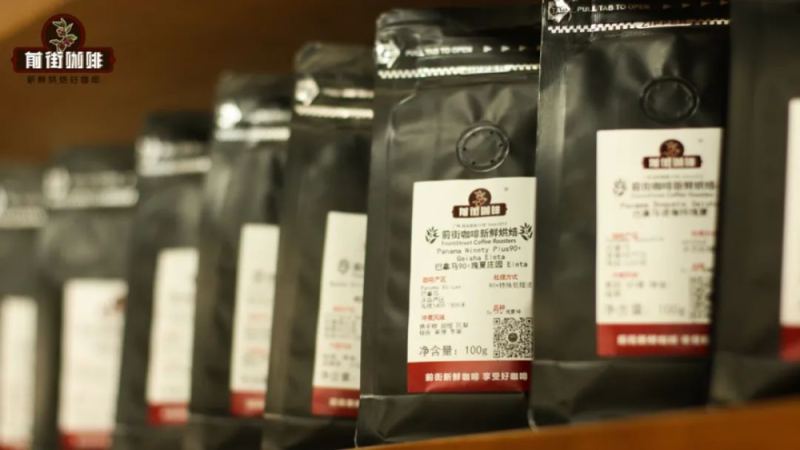
However, attentive friends may notice that the beans sold by Front Street are not labeled with roast level. Since such a distinction method already exists, why doesn't Front Street indicate the roast level of its beans? The reason is actually not complicated—this standard is based solely on the color of the coffee beans, and for certain special beans, it does not apply.
For example, honey-processed or anaerobic-processed coffee beans are wrapped in pectin, fruit juice, and other substances for an extended period during processing, causing a layer of sugar to adhere to the bean surface. These sugars subject the bean surface to a more intense caramelization reaction, so even if they possess extremely rich floral and fruity notes after roasting, their appearance takes on a deeper hue due to the sugars. If classified by color value, they would be placed in the dark roast category. For instance, Dividing Line's Xipaw has a color value of 61, darker than what the color card defines as dark roast, yet it contains very abundant floral and fruity aromas!
This shows that this distinction method has certain flaws, and we cannot rely on it alone to set roast level standards. But if we don't use the color card for distinction, disagreements will arise because each person's understanding of roast level differs. For example, for the same bean, Shop A considers it light roast when dropped at first crack, while Shop B considers it light roast only after one minute of development post-first crack (this is just an example). Cognitive differences lead to communication barriers, so Front Street more recommends judging roast depth through taste and flavor descriptions.
Today, when roasting coffee, it is generally accepted that the point at which coffee is "done" is "first crack." Roasting can be stopped at any time after first crack to drop the coffee. It should be noted that green coffee beans contain a large amount of organic acids, and a significant portion of these acidic substances gradually decomposes as roasting progresses. Therefore, the earlier the drop time, the more acidic substances are retained. When we drink a cup of coffee with full-bodied acidity, we can classify it as medium-light roast; conversely, the later the drop time, the more acidic substances are lost, and the bitterness brought by caramelization gradually replaces acidity as the dominant taste. So, if you drink a cup of coffee dominated by bitterness, it can be defined as medium-dark roast (except in cases of over-extraction).
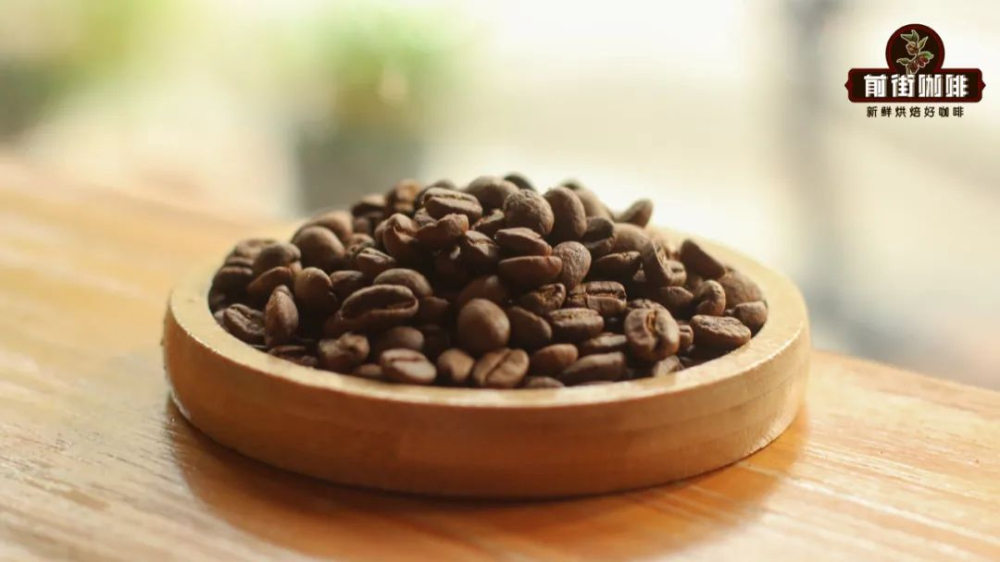
Based on this standard, we can use the flavor descriptions on packaging labels to judge the depth of coffee beans ourselves. For example, most citrus fruits have relatively full-bodied acidity, so when such fruits appear in the flavor description, it can be preliminarily judged as a bean on the lighter side of medium-light roast; if descriptions like melon or mixed fruits appear on the flavor label, it can be preliminarily judged as a bean in the middle of medium-light roast, because such coffees often have higher sweetness; if words like chocolate, brown sugar, or yellow sugar appear on the flavor label, it can be preliminarily judged as a bean in the middle of medium-dark roast; and once descriptions like dark chocolate, caramel, or pine wood appear, it can be classified as a bean on the darker side of medium-dark roast. Of course, these are only preliminary judgments that can serve as a reference when purchasing beans, and must not be generalized—ultimately, only actual tasting can reveal the true roast information.
The above content is compiled by CoffeeHunters, a coffee news website.


