







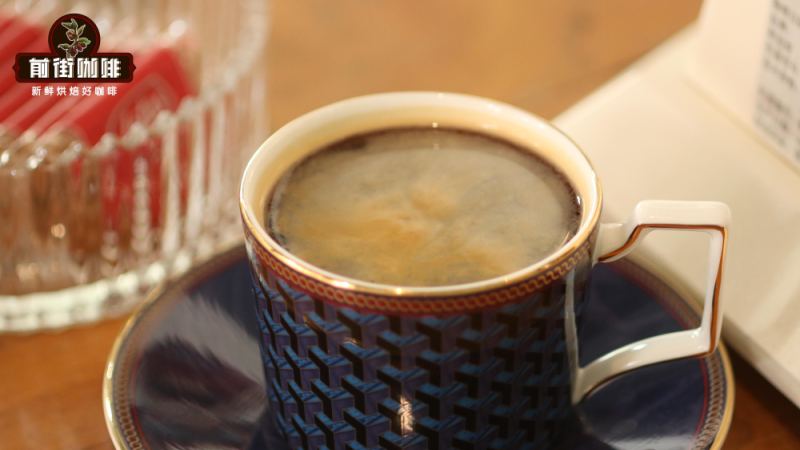
Are americanos bitter, or is sourness the real issue?
An Americano with a touch of sourness is not automatically spoiled. A well-made cup tastes layered: acidity first, then sweetness, then a bittersweet finish that changes as the drink cools. Roast level is the main lever. Longer roasts push the cup toward robust, bitter notes, while single-origin beans roasted light to medium can show a gentle fruity acidity instead.
Most Americanos use dark-roasted espresso blends built on nutty and cocoa notes, so bitterness dominates and any acidity stays slight. As specialty coffee spread, some cafés began pulling Americanos with single-origin beans at light to medium roasts. Bean origin, roast level, and the café americano ratio of espresso to water together decide whether the sourness reads as normal brightness or as a fault.
Many people's first impression of coffee is that it's bitter, so when a cup of Americano hits the tongue with a hint of sourness, it's only natural to wonder if the coffee has gone bad. In fact, a high-quality Americano is often layered and well-balanced with a mellow mouthfeel—sourness itself does not equal a flaw. The source of that acidity is closely tied to the roast level of the coffee beans, the characteristics of the growing region, and the extraction method. The longer the roast, the more robust and bitter the Americano becomes; whereas single-origin beans roasted to a light-medium level may present a gentle fruity acidity. This article will explore the causes of sourness in Americano, how to tell whether the acidity is normal, and the bean selection and extraction key points for making Americano, along with four espresso blend recommendations from Front Street Coffee for different scenarios.
For professional coffee knowledge exchange and more coffee bean information, please follow the Coffee Workshop (WeChat official account cafe_style)
For more specialty coffee beans, please add the private WeChat of Front Street Coffee (FrontStreet Coffee), WeChat ID: qjcoffeex
Most people equate coffee with bitterness. However, a truly quality Americano should taste layered, with an overall balanced and soft flavor—for example, a touch of acidity on the first sip, followed by sweetness, then a bittersweet finish with a returning sweetness, and as the temperature drops, it reveals different flavor stages.
Of course, the longer the coffee beans are roasted, the more robust and intense the Americano tastes; some people are more sensitive to bitterness and thus find Americano on the bitter side. Additionally, some Americanos, due to the characteristics of the coffee beans used, present a soft or uniquely distinct fruity acidity.
Americano Taste Characteristics
Americano is a black coffee with a rich taste and a clean, refreshing mouthfeel. Its flavor direction is mainly determined by the espresso blend beans used for extraction; these beans are generally dark-roasted, dominated by nutty and cocoa notes, with some carrying a slight acidity.
As the concept of specialty coffee gradually becomes part of daily life, some cafés have started using single-origin coffee beans for their Americanos. These beans are usually roasted to a light to medium level, with unique flavors and a touch of acidity. Therefore, some Americanos lean bitter, some lean sour, and some mix bitterness with a slight acidity—all of which are normal.
Light-medium roasted coffee beans have relatively prominent acidity, which may not suit those accustomed to drinking strong, bitter black coffee, but this kind of acidity is actually well worth savoring slowly.
However, not all sourness is normal. Front Street Coffee (FrontStreet Coffee) believes that pleasant acidity usually resembles diluted fruit acids; if you taste a sour, astringent, sharp acidity, then there is a problem.
Although making espresso with light to medium roasted single-origin beans is very popular right now, not all single-origin beans are suitable for this approach. There's no need to chase acidity for its own sake—balance of flavor is what truly matters!
Americano Bean Recommendations
Front Street Coffee (FrontStreet Coffee) recommends using blended coffee beans to make espresso. Blending allows beans from different regions to be combined, achieving a stability that single-origin beans lack—coffee beans are, after all, an agricultural product, and their quality and flavor performance each year are subject to terroir and climate.
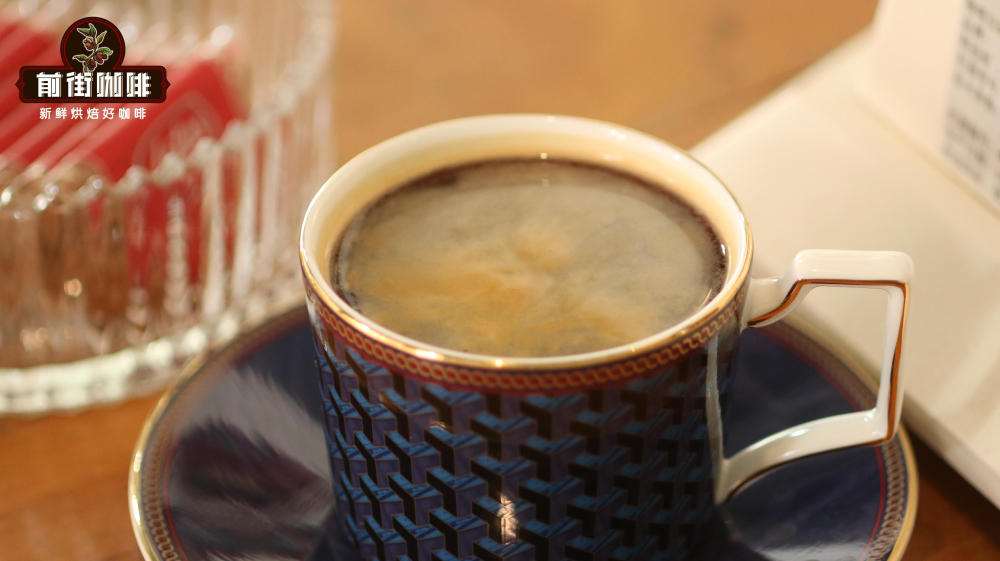
At the same time, compared with using single-origin beans directly, blended beans are also more cost-effective, which has a significant impact on coffee pricing. To give cafés of different positioning more choices in price and flavor for espresso blends, Front Street Coffee (FrontStreet Coffee) has launched 4 espresso blend coffee beans, all shipped within 5 days after roasting to ensure freshness.
"Warm Sun Blend Coffee Beans," suitable for home/office and specialty coffee shops. Ethiopian natural Red Cherry coffee beans (30%) + Honduran Sherry Barrel coffee beans (70%), with rich wine aroma, vanilla cream, berry sweetness and acidity, and roasted nut flavors.
"Specialty Blend Coffee Beans," suitable for home/office and specialty coffee shops. Colombian washed coffee beans (30%) + Brazilian semi-washed coffee beans (70%), with nutty, dark chocolate, and caramel flavors.
"Commercial Blend Coffee Beans," suitable for all types of coffee shops. Robusta washed coffee beans (10%) + Colombian washed coffee beans (30%) + Brazilian semi-washed coffee (60%), with nutty, cocoa, and caramel flavors.
"The espresso beans recommended by many baristas—Front Street Dark Cocoa Blend Coffee Beans," suitable for all types of coffee shops, bakeries, and beverage shops. Yunnan washed small-bean coffee (30%) + Brazilian semi-washed coffee beans (70%), with soft fruity acidity, caramel, and nutty flavors.
How to Make Americano ?
To make a delicious cup of Americano, it's not simply a matter of adding water to espresso. The steps with the lowest technical barriers are often the hardest to get right. The quality of the espresso plays a decisive role in the final product.
The extraction parameters for espresso need to be adjusted according to different coffee machines, grinders, and the coffee beans used. Here, Front Street Coffee (FrontStreet Coffee) provides a starting extraction reference for espresso: 20g of grounds, at a 1:2 ratio, 9 bar pressure, extracting 40g of coffee liquid in 25 to 30 seconds. Then make corresponding fine adjustments based on the actual flavor performance of the extracted coffee.
Finally, based on the concentration and flavor performance of the espresso, add an appropriate amount of hot or iced water.
The above content is compiled by CoffeeHunters, a coffee news website.


