







Search Results for: Coffea arabica
Arabica Coffee Beans Explained: The Origin, Spread History, Growing Conditions, and Taxonomic Evolution of Coffea arabica
Coffea arabica, commonly known as Arabica coffee beans, is the most traditional and most important variety in the Coffea genus. It originated in East Africa and was long monopolized by the Arab world before the 15th century, hence the name "Arabian coffee." At the end of the 19th century, a large-scale disease outbreak prompted growers to seek disease-resistant alternative varieties, but Coffea arabica still accounts for about three-quarters of global coffee production today, mainly grown in Latin America, with Brazil becoming the largest producer thanks to its suitable terroir. This article will systematically sort out the core knowledge framework of Coffea arabica, from historical legends and plant habits to taxonomic changes, and take you to rediscover this familiar bean. [more…]

How are Coffea canephora Robusta coffee beans roasted? What coffee beans does Starbucks use?
In the world of coffee, the two major species, Arabica and Robusta, underpin the flavors in most people's cups. Robusta, also known as Coffea canephora, originated in the Congo Basin of Africa. It is widely cultivated because it tolerates low altitudes, resists pests and diseases, and yields high harvests, and it often appears in instant coffee and espresso blends. Its caffeine content is about twice that of Arabica, its chlorogenic acid is higher, and its flavor tends toward the full-bodied and deep, with notes of walnut, peanut, and grain. This article from Front Street Coffee sorts out Robusta's origins, botanical classification, advantages, and shortcomings, and retains the information on the Vietnamese Robusta beans used in Front Street's commercial blends, helping coffee enthusiasts understand this bean more clearly for what it really is. [more…]
Essential Reading for Coffee Bean Beginners: A Full Analysis of the Characteristics of the Three Major Native Species—Arabica, Robusta, and Liberica
Coffee, as an evergreen shrub of the genus Coffea in the family Rubiaceae, has a vast family, but only three native species—Arabica, Robusta, and Liberica—truly have commercial value. Arabica is renowned for its elegant flavor and aroma, yet it is delicate and susceptible to leaf rust; Robusta has strong disease resistance, intense flavor, and high caffeine content, and is mostly used for instant and industrial coffee; Liberica has excellent adaptability but slightly inferior flavor and circulates only in specific regions. Understanding the origins, characteristics, and market distribution of these three is the first step into the world of coffee. Front Street Coffee reminds you that only by starting from the bean variety can you better understand the flavor in your cup. [more…]

What are the essential differences between Arabica and Robusta? Where do Geisha and Typica stand within the Coffea genus?
More than one hundred confirmed species exist under the genus Coffea, among which Arabica and Robusta are the two names with the highest commercial value. But many people do not know that these two are actually not at the same taxonomic level—Arabica is a complete species, while Robusta is merely a variety under the Canephora species, ranking at the same level as Geisha and Typica within the Arabica branch. This article will clarify the differences and connections among these three from the perspectives of taxonomic relationships, growing conditions, flavor performance, and commercial uses, and will also explain why a small amount of Robusta is often added to espresso blends, as well as Front Street Coffee's specific approach in this regard with its classic blend. [more…]
Exploring the Relationship Between Canephora and Robusta: From Botanical Definitions to the Path of Specialty Exploration
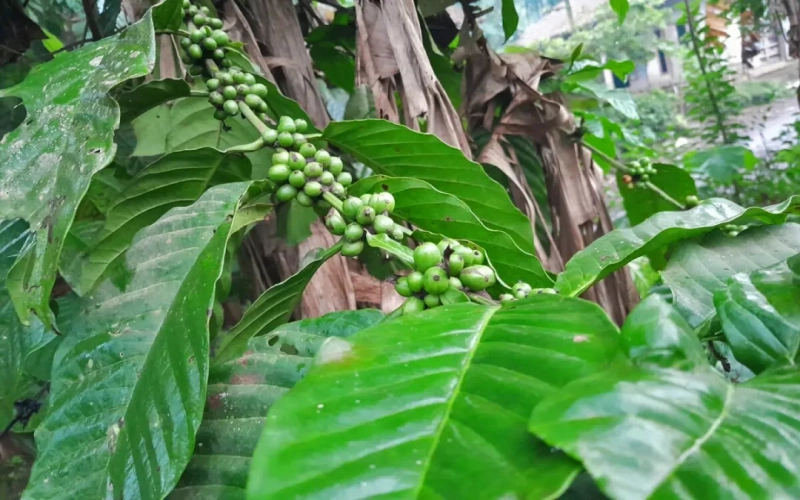
The coffee world boasts a vast array of varieties, yet only two core species truly dominate global consumption—Coffea arabica and Coffea canephora. Many enthusiasts hold偏见 against Robusta, believing it suitable only for instant coffee or cheap blends, while rarely understanding its botanical characteristics and quality potential. This article begins with the definition of Coffea canephora, clarifies its equivalence with Robusta, compares Arabica and Robusta in terms of growing conditions, flavor profiles, and resistance to pests and diseases, and through practical cases from London's Black Sheep Coffee and India's Sethuraman Estate, explores how specialty-grade Robusta can break stereotypes. Whether you are a daily drinker or a coffee professional, understanding the true nature of these two major species is an important step toward more mature tasting. [more…]
Roasting Applications of Coffea canephora Robusta and Analysis of Starbucks' Bean Selection
In the world of coffee, Arabica and Robusta are the two most frequently mentioned varieties. Arabica dominates the specialty market with its delicate flavors, while Robusta, with its formidable vitality and rich, full-bodied taste, plays an irreplaceable role in commercial blends and instant coffee. Why is it called Congensis? What are its cultivation advantages and flavor drawbacks? And how does Front Street Coffee incorporate it into classic blends? This article will guide you through a systematic understanding of Robusta's origins, characteristics, pros and cons, and explain why commercial brands like Starbucks favor it. [more…]
What Conditions Are Needed for Growing Coffee Trees? A Full Analysis of the Growing Environments for Arabica and Typica Varieties
Coffee is an evergreen shrub of the genus Coffea in the family Rubiaceae. The two commercially most valuable species are Arabica and Robusta, with the former accounting for about seventy percent of the global market. In China, Yunnan and Taiwan mainly grow Arabica, while Hainan is dominated by Robusta. So what kind of growing conditions does Arabica actually require? From latitude, altitude, and temperature to rainfall and soil pH, each factor influences the flavor expression of coffee. Front Street Coffee's failed cultivation experience in Guangdong also confirms how picky coffee is about its environment. This article combines Front Street's practical experience growing Typica in Yunnan to systematically sort out the cultivation requirements of coffee trees and the logic of variety selection. [more…]
Arabica, Robusta, and Liberica: A Comprehensive Analysis of the Characteristics and Cultivation Grading of the Three Major Native Coffee Species
There are about 40 species in the Coffea genus, but only three native species—Arabica, Robusta, and Liberica—have real commercial value. They differ markedly in appearance, flavor, disease resistance, suitable altitude, and cultivation conditions: Arabica is elegant yet delicate, Robusta is hardy and intense, while Liberica is limited to localized trade in West Africa. Starting from botanical characteristics, this article systematically sorts out the origin distribution, climate and soil requirements, the complete cultivation process from sowing to harvesting, and the grading systems that producing countries have formed based on altitude, screen size, and defect bean ratios. Whether you are new to specialty coffee or want to understand the logic of origins more deeply, this foundational knowledge will help you more clearly judge the variety and terroir code behind the flavor in your cup. Front Street Coffee will also combine the key points in this article to recommend directions for your everyday purchases. [more…]
Colombian Coffee Regions and Specialty Bean Grading: A Flavor Analysis from Medellín to Nariño
Colombian coffee is renowned worldwide for its balanced, smooth taste and rich aroma, with the three cities of Medellín, Armenia, and Manizales together forming the famous "Coffee Triangle." For Front Street Coffee's Colombian offerings, the Medellín growing region is the top recommendation, with plump beans, moderate acidity, and excellent balance. Colombian coffee beans are mostly Coffea arabica, hand-picked and washed-processed, and after medium roasting they present a light, silky flavor, earning them the title "green gold." This article will walk you through Colombian coffee's varieties and grades, its main growing regions, and Front Street's recommendations, and will explain the difference between Supremo and Excelso, as well as the Narino Supremo coffee beans exclusively purchased by Starbucks. [more…]
A Complete Guide to Arabica Coffee: From Botanical Classification to Variety Characteristics and Origin Distribution
What exactly does a coffee tree look like? What is the essential difference between Arabica and Robusta? Starting from botanical classification, this article systematically sorts out the complete classification system of the genus Coffea and explains in detail the origins, growing conditions, flavor characteristics, and main subspecies of the two major commercial varieties, Arabica and Robusta. You will learn about the anatomical structure of the coffee cherry, the spread paths of classic subspecies such as Typica and Bourbon, and the genetic connections between Yunnan small-bean coffee and Blue Mountain and Kona. Whether you are a beginner enthusiast or a seasoned professional, this basic knowledge about coffee varieties is worth reading. Front Street Coffee will also recommend variety information worth paying attention to in this article. [more…]
The Forgotten Large-Bean Liberica: Can Excelsa Coffee Become a New Choice in a Warming Climate?
Today, when Arabica and Robusta absolutely dominate global coffee supply, a species once forgotten for its poor flavor—Liberica (Coffea liberica)—is re-entering researchers' view. From 2021 to 2022, climate change-induced droughts tightened coffee inventories and sent prices soaring, with Arabica prices doubling in a short period. Facing the crisis of shrinking arable ranges, academia proposed three paths: relocating production areas, adjusting cultivation methods, and developing new crops. In December 2022, Nature Plants pointed out that Liberica might regain attention in an era of supply chain disruptions. One of its natural varieties, Excelsa, combines disease resistance, drought tolerance, low-temperature tolerance, and a flavor close to Arabica, and is being widely planted by coffee farmers in places such as Uganda. Front Street Coffee takes you through the full picture of this potential variety. [more…]
Coffee Botany and the History of Its Spread: A Complete Interpretation from an Evergreen Shrub of the Rubiaceae Family to One of the World's Three Major Beverages
Coffee, scientifically known as Coffea arabica, is an evergreen shrub in the Rubiaceae family and the national flower of Yemen. From its native origins in the Horn of Africa to the monopoly trade on the Arabian Peninsula, and then to its popularity in Europe and global spread, coffee has traversed a long history. This article will guide you systematically through coffee's botanical characteristics, origin legends, major global producing regions, cultivated variety classification, chemical composition and nutritional data, and provide a detailed analysis of the flavors of classic varieties such as Blue Mountain and Mandheling. Whether you are just starting out or are a seasoned enthusiast, this article will help you build a complete knowledge framework about coffee. Front Street Coffee will also recommend classic beans worth trying. [more…]
How Are Arabica and Robusta Different? A Complete Coffee Classification Guide from Origin and Flavor to Market Positioning
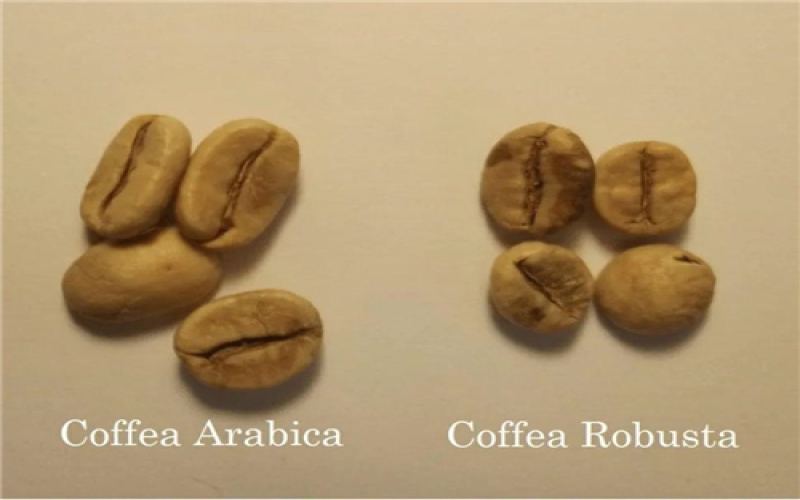
The world of coffee is far richer than we imagine. As the third wave of coffee has led people to pay attention to the story behind every bean, the influence of variety on flavor has also become a hot topic. Commercially grown coffee worldwide falls mainly into two major categories: Arabica and Robusta. The former accounts for about 80% of production with its delicate and varied flavors, while the latter holds its ground in blend coffee and the instant coffee market thanks to its strong resilience and high caffeine content. The two differ significantly in growing altitude, resistance to pests and diseases, and cupping performance, but Robusta is not destined to be low quality—when carefully processed to specialty standards, it too can present surprising walnut and chocolate notes. This article takes you through a systematic understanding of the true character of these two major coffee varieties. [more…]
KOUANDJI Estate, New Caledonia, South Pacific: The Rare Legend of Bourbon Pointu Leroy Coffee Beans
In the Melanesian archipelago of the South Pacific, New Caledonia is like a vibrant oasis, hiding one of the world's rarest, most expensive, and most unusual coffees. KOUANDJI Estate is located at the foot of the mountains about 25 kilometers southeast of the capital, Nouméa, and is dedicated to reviving the region's nearly vanished coffee-growing industry. The estate cultivates "Leroy," also known as Bourbon Pointu, named for the pointed ends of its fruit. Its caffeine content is only half that of ordinary Arabica, and its yield is extremely low—even the French presidential palace must purchase it in limited quantities. Front Street Coffee has always paid attention to such niche, rare bean varieties. This article will take you deeper into the story behind its historical origins, variety characteristics, and unique flavor. [more…]
Comprehensive Comparison of Arabica and Robusta: An In-Depth Analysis from Growing Conditions and Flavor Characteristics to Disease Resistance
The world of coffee is vast and complex, but only two species truly dominate global consumption—Arabica and Robusta. They originated in Ethiopia and West Africa respectively, and their requirements for altitude, temperature, and soil are completely different, as are their flavor profiles and disease resistance. Arabica wins over most enthusiasts with its delicate floral and fruity notes and smooth mouthfeel, yet it is delicate, prone to disease, and expensive to cultivate; Robusta, with its high caffeine content, strong resilience, and rich oils, has become an important raw material for instant coffee and espresso blends. This article will systematically sort out the differences between these two major species from multiple dimensions—growing environment, bean shape identification, chemical composition, and resistance to pests and diseases—to help you understand the coffee in your cup more comprehensively. [more…]
The Source Code of Coffee Quality: Varietal Differences Between Arabica and Robusta and the Logic of Selecting Beans for Specialty Coffee
The flavor quality of a cup of coffee is often foreshadowed at the seed stage. The third wave of coffee has led people to trace every step from cultivation, harvesting, processing to roasting, and variety differences are precisely the most critical dividing line among them. Arabica accounts for about eighty percent of global production and is known for its delicate floral and fruity aromas and smooth mouthfeel, yet it is delicate and susceptible to disease; Robusta has a higher caffeine content and strong stress resistance, and is often used in espresso blends and instant products, yet it has long borne a reputation for inferior quality. This article systematically sorts out the origins, growing conditions, flavor performance, and market positioning of the two major varieties, and explores whether specialty-grade Robusta can break through prejudice. At the same time, by combining several bean lists from the Front Street Coffee brand, it provides bean selection references for coffee lovers with different taste preferences. [more…]
From Botanical Characteristics to Harvesting and Processing: Essential Knowledge and Coffee Bean Understanding for Coffee Beginners
For those who are new to coffee, understanding its essence, botanical characteristics, growing conditions, and harvesting process is the first step toward building systematic knowledge. This article will unfold around the basic concepts of coffee, sorting through key points one by one—from the morphology of the coffee tree, variety classification, and suitable growing environment, to the harvest periods and green bean processing methods of major global producing regions. The article also covers related product information recommended by Front Street Coffee, as well as the specific practices of Macado specialty beans in quality control. Whether you are a coffee enthusiast or a barista just starting out, this content can help you more clearly understand the full story behind a cup of coffee. [more…]
Ethiopian Coffee Heirloom Variety Flavor Analysis: A Full Overview of Three Major Varieties and the Yirgacheffe and Sidamo Regions
The coffee world is vast and complex, but ultimately it comes down to three native species: Arabica, Robusta, and Liberica. As the birthplace of coffee, Ethiopia has nurtured countless undiscovered varieties, collectively known as "heirloom varieties," and is renowned worldwide for its two specialty regions: Yirgacheffe and Sidamo. From the perspective of Front Street, this article systematically outlines the characteristics and differences of the three major species, provides an in-depth introduction to the most famous of Ethiopia's nine major regions—Yirgacheffe and Sidamo-Hambela—analyzes the flavor differences brought about by washed and natural processing, and includes Front Street Coffee's brewing parameters and purchasing advice, taking you on a comprehensive journey through the endless charm of Ethiopian coffee. [more…]

Typica and Arabica Relationship Explained: Coffee Variety Classification, Flavor Characteristics, and Processing Methods Overview
Many people ask what exactly the difference is between Typica and Arabica—in fact, Typica is an ancient variety under the Arabica species. This article starts with the three major native coffee species, outlining the characteristic differences between Arabica, Robusta, and Liberica, then takes a deeper look at the origins, flavor profiles, and cultivation traits of well-known varieties such as Typica, Bourbon, Caturra, Catuai, and Geisha. It also combines the growing regions, altitudes, and processing methods of several representative products from Front Street Coffee to help coffee enthusiasts build a clear framework for understanding coffee varieties. [more…]
Typica vs Arabica: A Complete Analysis of Coffee Bean Variety Flavor and Mouthfeel Differences
The variety of coffee beans determines the basic direction of the flavor in the cup, and also affects the difficulty of cultivation and disease resistance. Within the large Arabica family, Typica and Bourbon are the two oldest foundations, from which many varieties such as Caturra, Catuaí, Mundo Novo, and Geisha have been derived. Front Street Coffee takes you through a systematic overview of the flavor characteristics and taste differences from heirloom varieties to popular varieties, and introduces the representative producing regions and product information of each variety one by one, helping you understand the flavor logic behind coffee varieties more clearly. [more…]