







Search Results for: Cocoa Natural Process

A Complete Guide to Bolivian Coffee Flavors: Java Variety, Coco Natural Process, and Front Street Brewing Guide
Although Bolivia is an economically underdeveloped country in South America, it possesses advantages of high altitude, a cold climate, and unique varieties, producing coffee with prominent sweetness and soft acidity. From the perspective of Front Street Coffee, this article systematically sorts out the flavor causes, main producing regions, variety characteristics, and processing methods of Bolivian coffee, with a focus on the Java coffee beans from the Waliki Estate and their cocoa natural process, and includes Front Street's recommended V60 brewing parameters and flavor description, taking you to comprehensively understand the specialty coffee landscape of this potential-producing country. [more…]
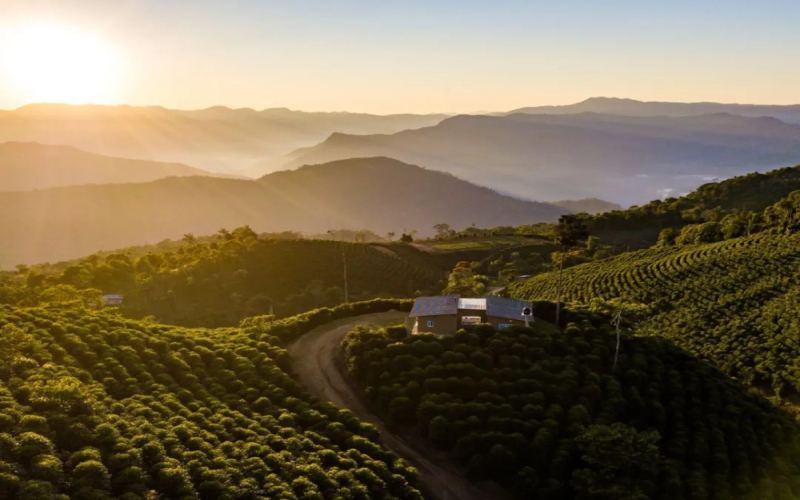
Bolivia Alasitas Estate Caturra Coffee: La Paz Region Flavor and Cocoa Natural Process Analysis
Although Bolivia is a small landlocked country in South America, its high-altitude geographical conditions give rise to specialty coffee of considerable quality. Front Street Coffee has recently launched a Caturra coffee bean from the Alasitas Estate in the Caranavi producing region of La Paz, using the local specialty cacao natural processing method. This article will examine three major dimensions—the producing region's environment, variety characteristics, and processing techniques—to sort out the flavor sources and backstory of this bean, and will include Front Street Coffee's roasting recommendations, cupping report, and brewing parameters for coffee enthusiasts' reference. [more…]
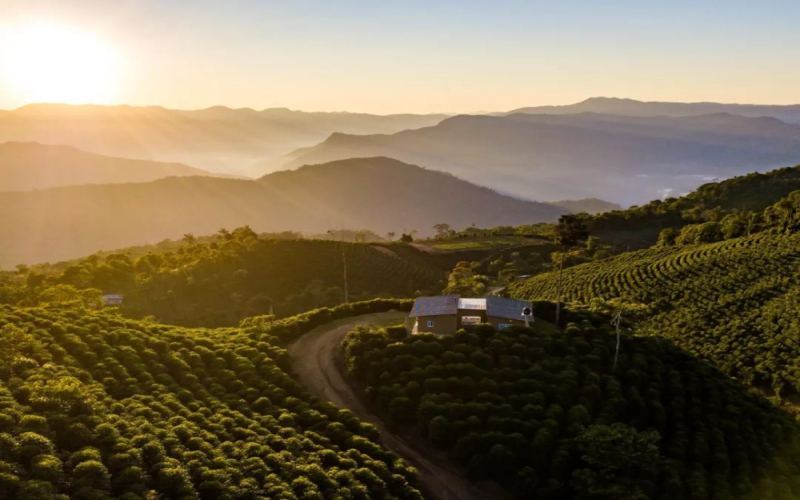
Flavor Characteristics and Stories of Bolivian Coffee Regions: Exploring the Cocoa Natural Process of Yungas Java Beans
On the coffee map of South America, Bolivia is a rather low-key presence—bordered to the north by two major players, Brazil and Peru, and with modest production of its own, yet blessed with exceptional natural conditions that make it a land of potential for specialty coffee. From the high-altitude valleys of La Paz to the steep growing regions of the Yungas, what twists and turns has Bolivian coffee's history taken? And what distinctive flavor expressions does the Waliki Estate Cacao Natural Java that Front Street Coffee brings this time have to offer? This article will take you through the past and present of Bolivian coffee, from the terroir of its growing regions, the origins of its varieties, to processing methods and brewing suggestions, offering a complete interpretation of the coffee story of this highland nation. [more…]

The Origins of Coffee Cultivation in Bolivia and a Full Analysis of the Java Variety Coco Natural Flavor from Finca Valiki
Although Bolivia is surrounded by two major coffee countries, Brazil and Peru, its high-altitude terrain has pushed coffee cultivation toward a "low-altitude" path. This article traces the rise and fall of Bolivian coffee since 1880, focusing on the terroir differences between the two major producing regions of Yungas and Caranavi in La Paz, and takes an in-depth look at the Java variety from the Waliki Estate sourced by Front Street Coffee. This bean uses a distinctive cocoa natural process, leveraging a cocoa dryer for low-temperature slow drying, presenting a complex profile interweaving floral notes, berries, and nuts. The article also discloses Front Street's medium-light roast curve, cupping performance, and V60 brewing parameters, providing coffee enthusiasts with a complete reference for tasting and hands-on practice. [more…]
Sumatra Wahana Estate Natural Mandheling: Rasuna Variety Flavor and Taste Analysis
In Sumatra, Indonesia, wet-hulling is almost synonymous with Mandheling, yet Wahana Estate's natural process breaks this convention. This coffee uses the Rasuna variety—a hybrid of Catimor and native Sumatran Typica—planted in the Sidikalang region west of Lake Toba, at an altitude of 1,300 to 1,500 meters, grown slowly under full shade. In November 2013, we first encountered this batch of naturally processed beans, which presented aromas of peach, watermelon, and citrus, along with a creamy, cocoa-like mellow texture, accompanied by floral notes and strawberry sweetness. This article will comprehensively analyze the charm of this unique natural-process Mandheling, from the estate's background, variety characteristics, and processing method to its cupping performance, and include Front Street Coffee's reasons for recommending it. [more…]
Flavor Analysis of Bolivian Washed Coffee Beans: Cocoa Natural Processing and the Rise of the Specialty Industry
Bolivia's specialty coffee has risen prominently in recent years, and behind this success are the efforts of Agricafé and the Sol de la Mañana program. This article will guide you through the unique flavors of Bolivian washed coffee—a blend of rich floral aromas and juicy acidity, accented with notes of lemon and papaya; it also introduces the taste differences brought by the可可 natural process. From Caturra and Catuai varieties to the growing environment at 1,800 meters, as well as the smallholder production system and domestic sales tradition, we will also share Front Street Coffee's observations and recommendations on Bolivian coffee, helping you fully appreciate the charm of this South American origin. [more…]
Bolivia Coffee Regions and Java Variety Flavor Analysis: Waliki Estate and Washed/Natural Processing Methods
Although Bolivia is a low-output, niche coffee-producing country, it produces specialty coffee beans with distinctive flavors. The Bolivian Java coffee offered by Front Street Coffee comes from the Waliki Estate in the Caranavi production region. The estate covers only six hectares and sits at an altitude of over 1,660 meters. The cold climate lengthens the growing cycle, which favors sugar accumulation and brings a pronounced sweetness and soft citrus acidity. This article will introduce the varietal characteristics, processing methods, transportation difficulties, and cupping and pour-over performance of Bolivian coffee, and compare it with Indonesian West Java coffee beans, helping readers gain a comprehensive understanding of the unique charm of this niche origin. [more…]
Flavor Analysis of Bolivian Coffee Origins: Java Variety from Waliki Estate and Cacao Natural Processing
Although Bolivia is a relatively economically underdeveloped country in South America, it possesses high-altitude microclimates and unique varietal resources, giving it potential for specialty coffee exports. The Java coffee beans from Finca Valiki, listed by Front Street Coffee, come from small estates in the Caranavi production region at elevations above 1,660 meters, and present a bright citrus-hawthorn acidity with fruit chocolate and vanilla cream finish through cocoa natural processing. This article will outline the flavor causes, varietal characteristics, processing methods, and industry status of Bolivian coffee, along with Front Street V60 brewing recommendations and flavor notes, for the reference of coffee enthusiasts. [more…]

Exploring Yirgacheffe Aricha Natural Beans: Flavor Characteristics, Processing, and Cold Brew Guide
Yirgacheffe Aricha (also known as Aricha/Aricha) is a highly representative naturally processed Ethiopian coffee, grown in misty valleys at elevations of 1,950-2,100 meters. This article provides a comprehensive analysis of this Grade 1 coffee's origin background, flavor characteristics, natural processing method, and its impact on quality, with a special introduction to the cold brew drinking method recommended by Front Street Coffee. Whether you are a coffee novice just starting out or a seasoned enthusiast, you will gain insight into the proper tasting approach for Yirgacheffe and experience the rich layers of strawberry, mango, berry, and cocoa interwoven together. [more…]
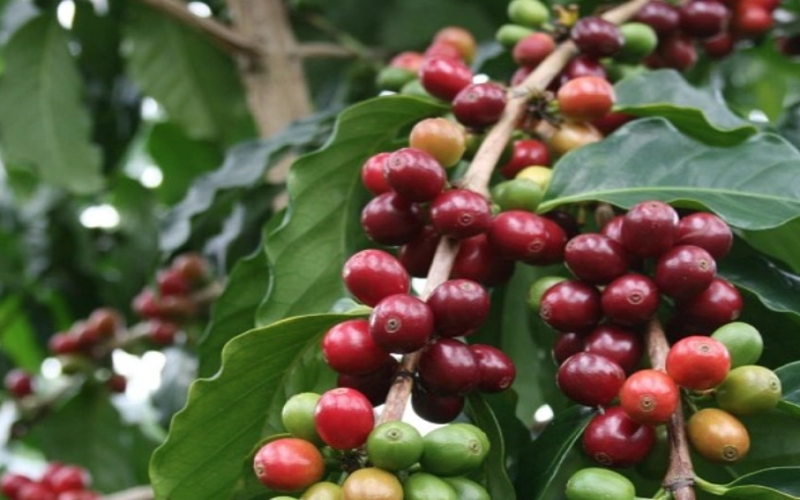
Varietal Characteristics and Cultivation History of Bolivian Coffee: The Rise of Specialty Coffee Through Front Street Java Beans
Although Bolivia is adjacent to Brazil and Colombia, it has long been regarded as a minor coffee country, with scarce production but outstanding flavor. The Bolivian Java beans introduced by Front Street Coffee are impressive for their complex profile of grape, nut, floral, and honey notes. This article will systematically review the full picture of Bolivian coffee, from growing conditions, historical changes, and regional characteristics to varieties and processing methods, and will focus on the origin background and processing details of Front Street's Cacao Natural Java beans, taking you deeper into how this highland nation, relying on its unique microclimate and the strength of family enterprises, has regained attention on the specialty coffee map. [more…]
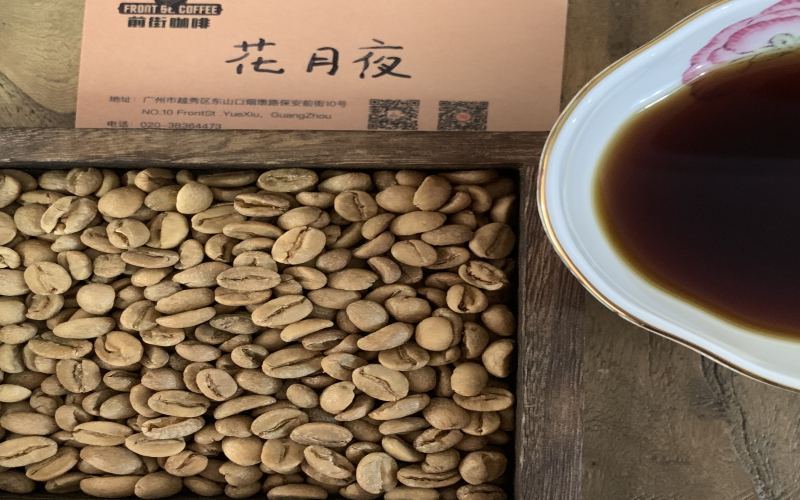
Colombia Flower Moon Night vs. Yirgacheffe Pour-Over Comparison: Flavor Differences Between Anaerobic Natural and Washed Processing
On Front Street Coffee's bean list, Colombia coffee and Yirgacheffe have always enjoyed great popularity, especially among enthusiasts who prefer sweet, fruity, and floral notes, who often find themselves torn between these two. This article uses Front Street Colombia Flower Moon Night and Front Street washed Yirgacheffe as examples to make a comparative analysis, from origin background and processing methods to actual brewing performance. Flower Moon Night uses anaerobic natural processing, bringing strawberry, jam, and a cocoa finish; Yirgacheffe, on the other hand, is a classic washed style, presenting citrus-lemon acidity, jasmine floral notes, and a tea-like body. Through this comparison, it helps you more clearly understand the flavor directions and selection choices of the two when brewing pour-over. [more…]
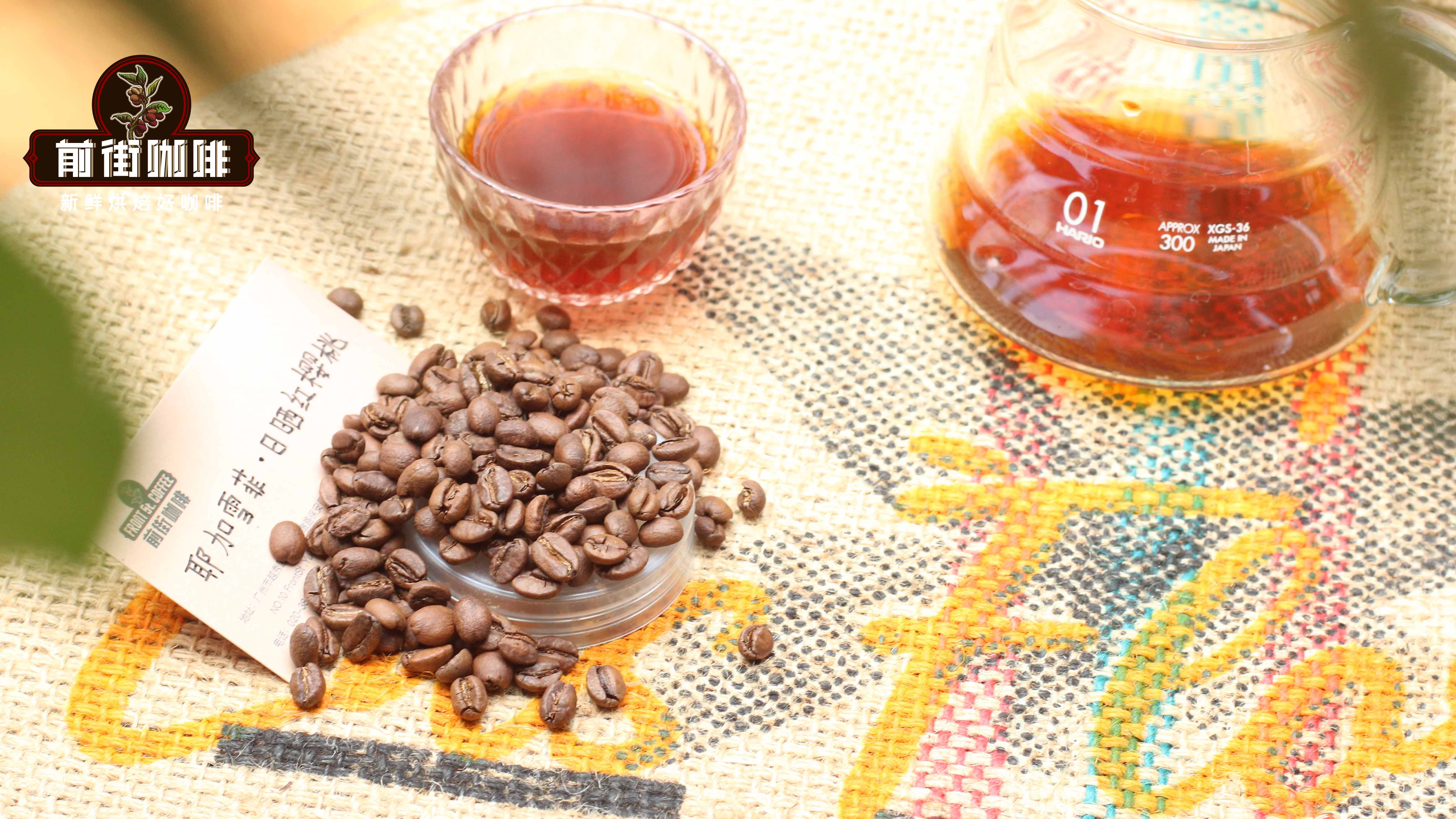
Ethiopia Natural Yirgacheffe Red Cherry Konga: A Complete Analysis of Berry Flavors and Pour-Over Parameters
Yirgacheffe, as Ethiopia's most representative specialty coffee region, has natural process lots that have always been favored for their vivid fruity character. Front Street Red Cherry Konga, this natural Yirgacheffe, is made from fully ripe red cherry picking, grown at 1,900 to 2,000 meters, medium-light roast, and presents complex layers of dried peach, sweet citrus, cocoa, and rich acidity. This article will systematically introduce this bean's characteristics, from origin information and flavor performance to pour-over extraction parameters, while also sharing the actual brewing experience at 91 to 93°C water temperature, taking you to experience the full flavors woven together by strawberry, blueberry, passion fruit, and tropical fruit. [more…]
What brand series does 90+ Dangermond coffee have? A detailed explanation of the Dangermond pour-over extraction process.
Danch Meng is an Ethiopian green bean jointly launched by Ninety Plus' Levelup sub-brand and Bodhi Leaf. In the local language, it means "good path" or "Perfect approach." This bean comes from smallholder farms in Yirgacheffe, Kelinga Abaya Dumerso, and thanks to the signature 90+ natural processing technique, it presents a rich flavor profile weaving together cocoa, black raspberry, plum, blueberry, and dark chocolate. This article will outline the 90+ brand's grading system, the origin information and naming logic of Danch Meng, and include the pour-over extraction parameters for Front Street Coffee's Sidamo and Danch Meng for coffee lovers' reference. [more…]
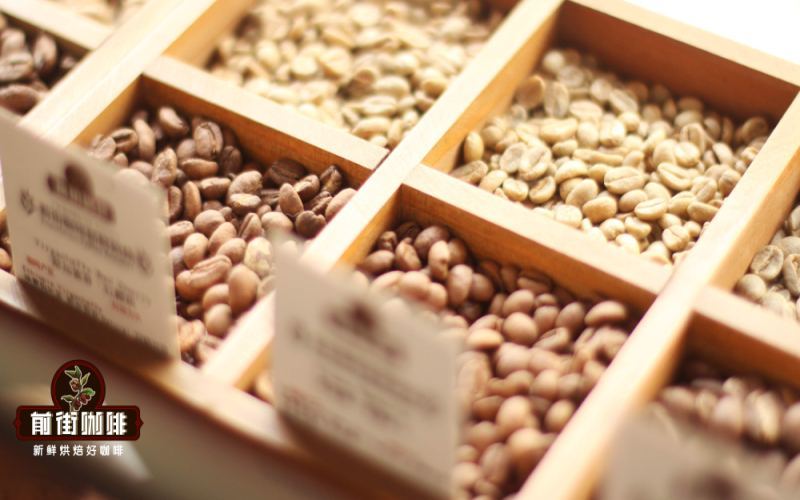
Ethiopia Sidamo Washed Coffee Bean Flavor Characteristics, Huakui Estate Origin and Brewing Suggestions
The Sidamo producing region is located in the southern highlands of Ethiopia, bordering Kenya, and is a famous specialty coffee origin. The terrain here is diverse, the volcanic soil is fertile, and soil fertility is maintained through the cycling of organic matter, creating a rich diversity of coffee flavors. Front Street Coffee's Sidamo green beans are grayish-green, with uneven bean sizes, an acidity that is both soft and intense, a medium body, and notes of sweet spice. The washed process displays citrus notes, nutty creaminess, and a slight cocoa aroma, with a smooth and syrupy mouthfeel; the bright lemon-like fruit acidity and gentle entry create a strong impact, with a distinctive sweet aftertaste. The natural process, by contrast, is closer to floral notes, rich in fruity sweet-and-sour flavors, and delicate in texture. A light-to-medium roast is suitable for single-origin brewing, while a medium-dark roast can be used for blended coffee or as an Espresso base. This article will introduce in detail the flavor of washed Sidamo, the origin of the Hualei estate, the processing methods, and brewing suggestions. [more…]
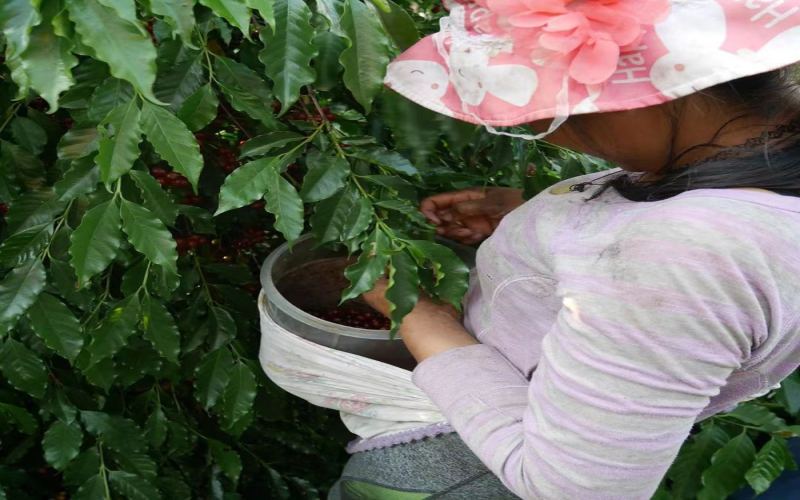
How Does Bolivian Coffee Taste? Analyzing the Yungas Region's Java Variety and Cocoa Natural Processing Characteristics
Bolivian coffee has always been a relatively obscure presence in the specialty coffee circle. High-altitude cultivation, rugged mountain road transport, and limited production make it difficult for it to enter the market on a large scale. But it is precisely this environment that creates the unique flavor expression of Bolivian coffee. The Yungas region, as the country's core coffee belt, has cultivation altitudes ranging from 1,500 to 2,500 meters, along with microclimates and fertile soil. This article will take you through the regional characteristics of Bolivian coffee, the origins of the Java variety, and the innovative cacao natural processing method of the Waliki Estate, while also sharing Front Street Coffee's roasting and brewing suggestions. [more…]
Colombian Coffee Varieties and Huayue Night Flavor Analysis: Characteristics of Good Coffee Beans and the Advantages of the Boquete Producing Region
Colombia is a globally renowned coffee-producing country, and the Huila region's Flower Moon Night coffee, produced through a combination of anaerobic natural processing and the Caturra variety, displays a unique flavor profile of strawberry, floral notes, and a dark cocoa finish. This article begins with Front Street Coffee's Flower Moon Night and extends to the advantages of the high-altitude microclimate and volcanic soil of Panama's Boquete region, analyzing the cultivation conditions and processing techniques behind good coffee beans. It also introduces the origins and flavor characteristics of the Caturra variety, as well as Gatineau Farm's practices of low-temperature slow fermentation and slow drying to enhance quality, providing coffee enthusiasts with a complete understanding from origin to cup. [more…]
What grade does Arabica coffee belong to? A comprehensive analysis of major global origins and representative brands
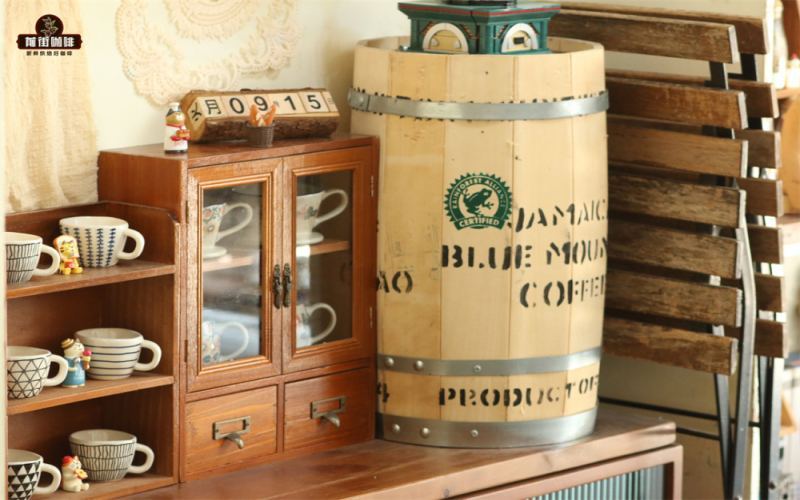
Coffee belongs to the Rubiaceae family, with about eighty known species, of which three main categories are used for drinking: Arabica, Robusta, and Liberica. Arabica, with its balanced flavor and aroma, has become the mainstay of single-origin and specialty coffee, accounting for more than seventy percent of global production. From the nutty-chocolate notes of Brazil, to the citrus and dark cocoa of Colombia, and on to Panama Geisha, Jamaica Blue Mountain, and Ethiopia Yirgacheffe, each origin has its own distinctive flavor. Front Street Coffee stores carry coffee beans from more than fifty origins, and this article examines Arabica's grade positioning and the flavors of well-known origins around the world one by one. [more…]
Ethiopian Washed Sidamo G1 Coffee Beans: From Grading and Roasting to a Comparison of Washed and Natural Flavor Sweetness
The Sidamo region is located in the southern highlands of Ethiopia and is known for its garden cultivation model, producing coffee beans with diverse flavors. The two processing methods, washed and natural, each have their own characteristics: washed Sidamo often carries citrus notes, nutty creaminess, and a slight cocoa aroma, while natural leans toward floral notes and fruity sweetness with acidity. What the two share is a smooth mouthfeel and pleasant acidity. In terms of grading, G1 represents the highest grade, with plump beans and balanced quality. The roast level directly affects its use; light-medium roasts are suitable for showcasing origin flavors as single-origin coffee, while medium-dark roasts can serve as an espresso base or in coffee blends. This article will focus on the Front Street Coffee Sidamo series products, including Huakui 11, Alo Village, and Natural Hamasho, and outline the green bean appearance, flavor characteristics, and brewing suggestions, helping coffee enthusiasts more clearly understand the differences between washed and natural processing in sweetness expression. [more…]

Where Does the Caramel Sweetness Come From? A Full Analysis of Hawaiian Kona Coffee Bean Cultivation, Processing, and Roasting
The caramel-like sweetness tasted in coffee is not the result of added sweeteners, but rather the combined effect of the growing environment, fruit ripeness, and roasting process. This article will guide you through the principles behind the formation of caramel-flavored coffee beans and recommend two coffees suited to home brewing equipment: Front Street Dark Cocoa Blend and Front Street Golden Mandheling SOE. It will also take an in-depth look at Hawaii Kona coffee, the only coffee-producing region in the United States—its terroir conditions, grading system, and processing methods—as well as the malt, mulberry, and caramel sweetness brought about by Front Street Kona coffee's washed and natural drying processes. [more…]
Brazil Santos Coffee: A Full Overview of Bourbon Variety Flavor Profile and Growing Region Background
Brazil Santos coffee, with its full-bodied mouthfeel and intense cocoa-nutty notes, has long held a core position in espresso blends. But Santos is not a coffee variety—it is the name of a major export port in southeastern Brazil. This article provides a comprehensive analysis of the true character of Santos coffee, from the region's history, bean variety evolution, and processing methods to cupping flavors, and specifically introduces the detailed parameters and tasting points of Front Street Coffee's Brazil Santos Natural Bourbon, making it suitable reading for enthusiasts who want to deepen their understanding of Brazilian specialty coffee. [more…]