







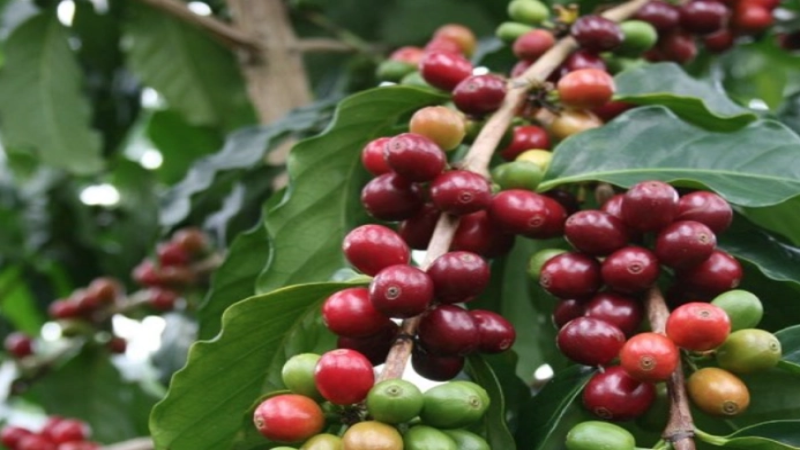
How Did Bolivian Java Variety Coffee Reach Specialty Menus?
Bolivia produces very little coffee despite bordering Brazil and Colombia, yet its highlands yield distinctive lots. Front Street's Bolivian Java bean shows grape, nut, floral, and honey notes. The article traces growing conditions, historical shifts, regional differences, varieties, and processing, with focus on the Cocoa Natural Java bean and its origin background.
Bolivia's average altitude exceeds 3,000 meters, the highest national average in the world, and the eastern and northeastern lowlands make up about 60 percent of the territory. Family-run farms and a unique microclimate have brought attention back to the country. For anyone asking where is java coffee from, this origin story adds a South American chapter to the name.
Although Bolivia borders Brazil and Colombia, it has long been regarded as a minor coffee country, with scarce production but outstanding flavor. The Bolivian Java bean introduced by Front Street Coffee impresses with its complex profile of grape, nut, floral and honey notes. This article will systematically outline Bolivian coffee from growing conditions, historical changes, regional characteristics to varieties and processing methods, and focus on the origin background and processing details of Front Street's Cocoa Natural Java bean, taking you deeper into how this highland nation, relying on its unique microclimate and the strength of family businesses, has regained attention on the specialty coffee map.
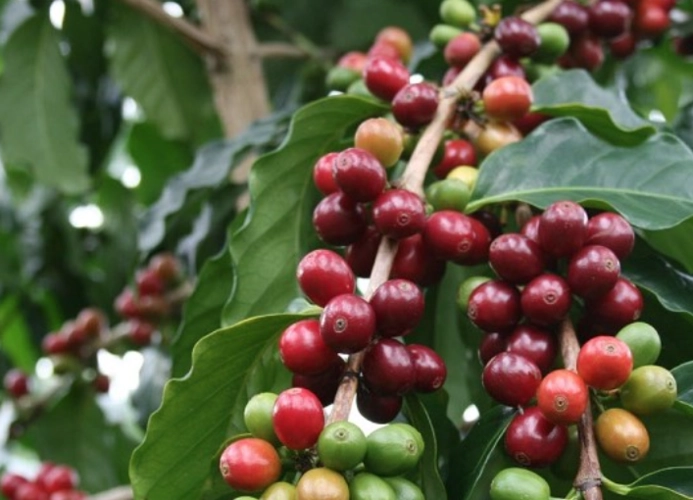
For more specialty coffee knowledge, please follow the WeChat public account: FrontStreet Coffee
Bolivian coffee is not very well known in coffee circles, but friends who have visited Front Street's store and tasted this bean will surely remember it. Front Street has always felt that this bean's aroma is quite rich and unique; from grinding to extraction, the floral scent lingers throughout, resembling an interweaving of flowers and fruit, unforgettable. For this reason, many customers in the store proactively ask about it after smelling the aroma. Next, Front Street will use this article to talk properly about Bolivian coffee.
Growing Conditions for Bolivian Coffee
Bolivia is a typical landlocked country, bordering Brazil and Colombia, which are rich in specialty coffee. Geographically, it also has the potential to produce quality coffee, and the coffee quality is indeed good. However, although the country has promising prospects in coffee exports, its actual production has always been low; Front Street will analyze the reasons for the scarce production below. At the same time, compared with its neighbors, Bolivia's cultivation techniques still lag behind.
After consulting the materials, Front Street learned that Bolivia's terrain is mainly highlands, with an average altitude of over 3,000 meters, making it the country with the highest average altitude in the world. The east and northeast are mostly Amazon River alluvial plains, accounting for about 60% of the national territory; the central region is a valley area, belonging to the eastern foothills of the Andes, where agriculture is relatively developed, and many important cities are also concentrated there; the west is the Bolivian Plateau, with an average altitude of over 1,000 meters.
Eastern and central Bolivia have a tropical savanna climate, transitioning westward to a subtropical climate in the mountains, while the inland plateau has a mountain climate. Therefore, most areas have a dry and cool climate, with fairly abundant annual rainfall. As Front Street has mentioned in previous articles, high altitude and suitable climate conditions are very conducive to growing quality coffee, which makes it easy to understand why Bolivian coffee can present a sweet and rich flavor. For this reason, Front Street decided to introduce Bolivian coffee beans for coffee lovers to taste.
History of Bolivian Coffee
According to the materials Front Street found, coffee cultivation in Bolivia can be traced back as early as 1880, when production was basically in the hands of some large farm owners north of the capital, La Paz.
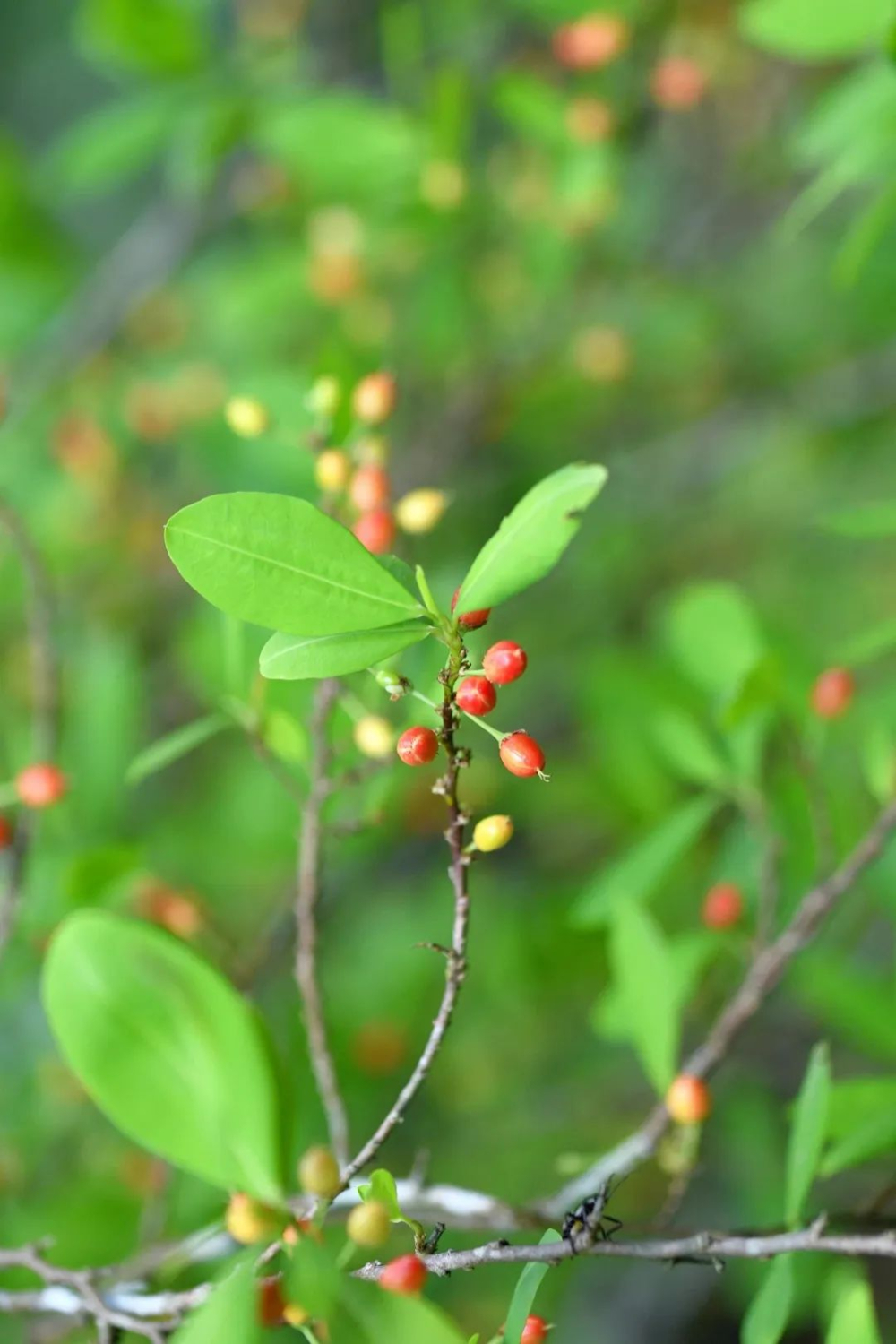
In 1991, the Bolivian government promoted a plan for indigenous people to participate in coffee cultivation, but did not place importance on coffee quality. For local coffee farmers, having enough food was the top priority, so they were more inclined to grow coca leaves, which had higher economic value than coffee. At that time, coca cultivation was legal in Bolivia, profits could reach four times those of coffee, and management was easier, so many farmers gave up coffee and switched to coca. Coca cultivation required large amounts of chemical pesticides and fertilizers, causing serious damage to the soil, gradually making the land barren until it could no longer grow other crops.
It was not until around 2000, when the United States strongly supported Bolivian agriculture, that coffee briefly gained attention, but more people still chose coca leaves. At the same time, Bolivia's relations with the United States gradually deteriorated. Later, after the country experienced the anti-drug war, many plans were restarted, and the COE Cup of Excellence coffee competition was also held with U.S. assistance.
However, according to Front Street's understanding, Bolivia truly became a minor coffee-producing country after the outbreak of leaf rust in 2013. Leaf rust is a fungus that attacks coffee leaves, preventing them from photosynthesis and eventually causing coffee trees to die. In that year alone, Bolivia lost 50% of its coffee production. In other words, under the double blow of coca leaf policy and leaf rust, Bolivia's coffee production decreased by 70% over the past decade, turning it into a minor coffee country.
Despite its outstanding flavor, in order not to let these beautiful flavors disappear, the Rodriguez family, one of the main forces in Bolivian specialty coffee, began helping coffee farmers improve coffee quality to increase their income, which gave rise to the "Sol de Mañana" plan.
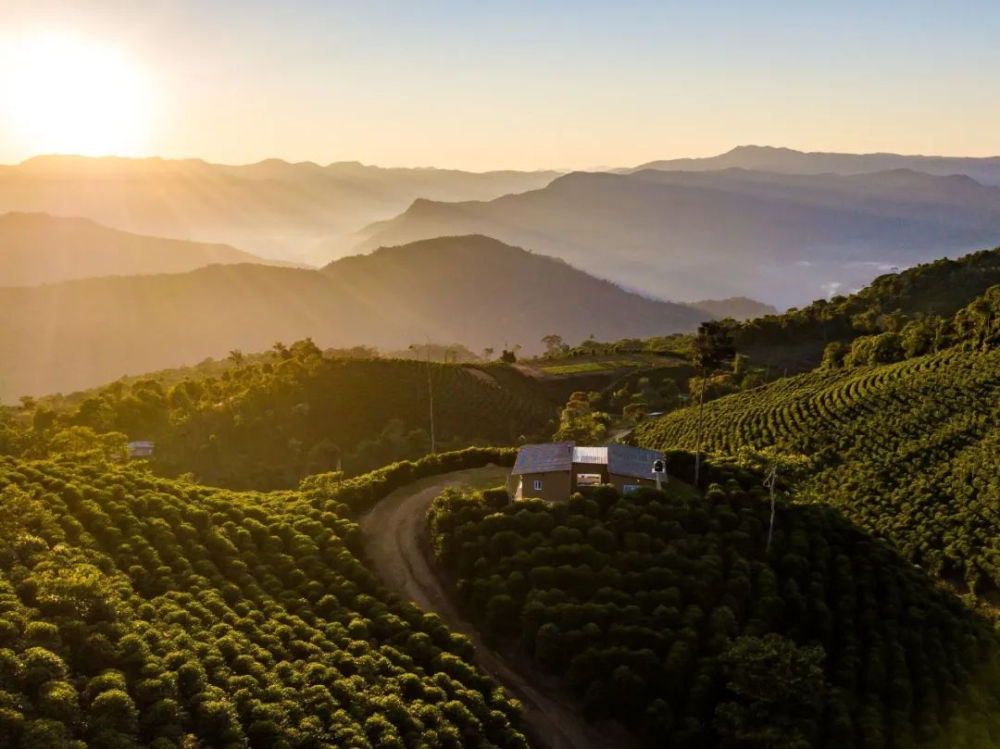
According to Front Street's understanding, this plan provided full technical guidance in seed selection, cultivation, picking and other stages, and also established a large processing plant to help small farmers complete processing, along with sales and export services, greatly boosting small farmers' enthusiasm and income levels, and protecting the rapidly shrinking Bolivian specialty coffee industry with practical action. Therefore, in recent years Bolivian coffee has still attracted much attention in the specialty coffee market, and Front Street is naturally no exception.
Bolivian Coffee Producing Regions
Bolivia's most famous coffee producing regions include La Paz, Caranavi, Yungas and Inquisivi, among which the Yungas region is especially well known. Below, Front Street will briefly introduce this region.
Yungas
Yungas is located in the Andean foothills directly east of La Paz. The terrain is rugged, and it is an agricultural production area. The roads leading to Yungas are treacherous, making coffee transportation quite difficult. But setting aside the disadvantages Front Street mentioned above, the coffee from this region is actually very unique, because it has a one-of-a-kind microclimate and incredibly high altitude. Finca Takesi, the highest-altitude coffee estate in the world, is also located here, at an elevation of 2,500 meters. As Front Street stated in previous articles, coffee produced at high altitudes usually has deep, full sweetness, soft citrus acidity, and layered black fruit and berry flavors. In relatively lower-altitude areas, coffee shows a balanced mouthfeel, excellent chocolate sweetness, soft acidity, and malt and dried fruit flavors.
Bolivian Coffee Bean Varieties
Most of the coffee plants grown in Bolivia are Typica, with a small amount of Caturra, and there is also a special variety—Java. This article by Front Street focuses on introducing exactly this Bolivian Java coffee bean.
Java is called "long bean" locally in Bolivia, named for its slender bean shape. According to Front Street's understanding, Java is a very interesting variety. Judging by the name, it seems closely related to Indonesia, but in fact Java first grew as a coffee tree species in the primitive forests of Ethiopia. It was collected by local ethnic groups, then spread through Yemen to Indonesia, and was named Java there. In the past, coffee lovers generally believed that Java was a variant of Typica, but after genetic comparison it was found that Java actually originates from the Ethiopian coffee variety Abyssinia.
Next, Front Street will introduce the following Bolivian Java coffee bean. After comparing the cupping and brewing performance of several Bolivian Java beans, Front Street considers this one to have the best flavor.
FrontStreet Coffee Bolivian Java Coffee Bean
Country: Bolivia
Region: La Paz (Finca Waliki)
Altitude: 1600m
Variety: Java
Processing Method: Cocoa Natural Process
Flavor: grape, nuts, slight floral, honey, cream, fermented feel
As mentioned above, this Front Street coffee bean comes from Finca Waliki, located in Colonia Bolinda, about 10 kilometers outside the town of Caranavi in La Paz, Bolivia. Colonia Bolinda was once called "Bolivia Linda" or "Beautiful Bolivia," later shortened to Bolinda, and is now one of the larger settlements in the area. The estate is owned by the Rodriguez family, which owns a family business called Agricafe, producing coffee from its own estate as well as purchasing high-quality small-lot crops from small producers in the Yungas region. Therefore, in terms of coffee production, its techniques are relatively mature.
Cocoa Natural Processing Method
The processing method used for this Java coffee bean differs from the traditional natural method introduced in Front Street's previous articles; instead, the estate has its own dedicated natural process.
According to Front Street's understanding, their process is roughly as follows: during harvest season, the estate hires pickers from the Bolinda community, who carefully select coffee cherries during picking. These pickers are trained to pick only ripe cherries, and the estate carries out picking in batches during the harvest season to ensure the cherries are picked at optimal ripeness.
Slatted crates are used during transport to avoid damaging the coffee cherries while maintaining air circulation and preventing unnecessary early fermentation. After selection and weighing, the cherries are carefully washed and spread on raised African drying beds to dry, and are turned once every hour.
Only after about a week are the coffee cherries placed into a cocoa dryer. Since they had never seen a cocoa dryer used for coffee processing before, Pedro of the Rodriguez family kept innovating and trying different processing techniques, and finally discovered that a cocoa dryer could dry coffee beans slowly and continuously at low temperature, thereby reducing the impact of weather conditions. Thus, the "Cocoa Natural Method" was developed.
The coffee beans are placed in large steel drums at a temperature not exceeding 40°C for about 35 hours, turned once every 30 minutes. After selection and weighing, they are carefully washed again, then placed on raised African drying beds to dry, turned once every hour. After drying is completed, the coffee beans are transported to La Paz to rest, and then milled at Agricafe's dry mill, La Luna. In this advanced facility, the coffee is carefully hulled and sorted mechanically, and also manually hand-sorted under ultraviolet and natural light.
Front Street believes that it is precisely such a rigorous processing flow and good growing conditions that create the outstanding flavor of this Bolivian Java coffee, and make one want to support this bean.
The above is the relevant information and flavor characteristics of Bolivian Java coffee beans compiled by Front Street, hoping to help coffee lovers gain a deeper understanding of Bolivian coffee.
For more specialty coffee beans, please add the private WeChat of FrontStreet Coffee, WeChat ID: kaixinguoguo0925
The above content is compiled by CoffeeHunters, a coffee news website.


