







How Does the Sidamo Washed Coffee Bean Compare With Kenya?
Sidamo sits in Ethiopia's southern highlands, close to the Kenyan border, and shares the region's volcanic soil and high-altitude growing conditions. Washed Sidamo green beans look grayish-green with uneven bean size and deliver citrus, nutty creaminess, and a light cocoa note, plus bright lemon acidity, moderate body, and a smooth, syrupy mouthfeel. Natural Sidamo leans floral, with richer fruit sweetness and a delicate texture.
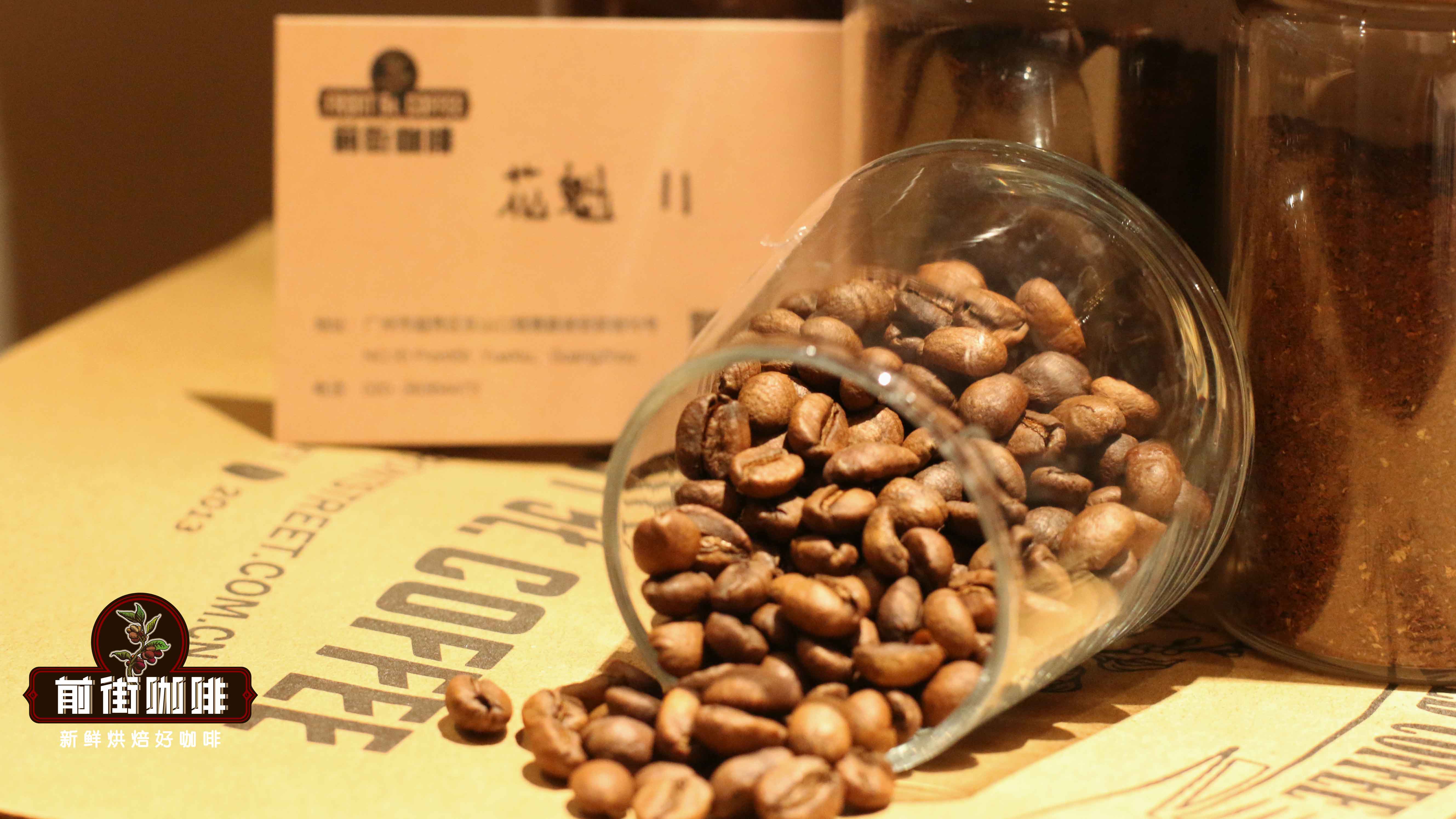
The Huakui estate lots, including Huakui 11, are the most widely known Sidamo offerings, and their clean fruit acidity and floral aroma suit cold brew, pour-over, drip bags, espresso SOE, and American-style filter coffee. Bean size varies within a lot. A light-to-medium roast works for single-origin brewing; a medium-dark roast fits blends or an espresso base.
The Sidamo region is located in the southern highlands of Ethiopia, bordering Kenya, and is a famous specialty coffee producing area. The diverse terrain and fertile volcanic soil here maintain soil fertility through organic matter cycling, creating a rich diversity of coffee flavors. Front Street Sidamo green beans are grayish-green, of uneven size, with both mild and intense acidity, moderate body, and a sweet, spicy aroma. The washed process reveals citrus notes, nutty creaminess, and a slight cocoa aroma, with a smooth, syrupy mouthfeel; the bright lemon acidity and gentle entry create a strong impact, with a distinctive sweet aftertaste. The natural process is closer to floral notes, with rich fruity sweetness and acidity and a delicate texture. A light-to-medium roast suits single-origin brewing, while a medium-dark roast can be used for blended coffee or as an Espresso base. This article will introduce in detail the flavor of washed Sidamo, the origin of the Huakui estate, the processing methods, and brewing suggestions.
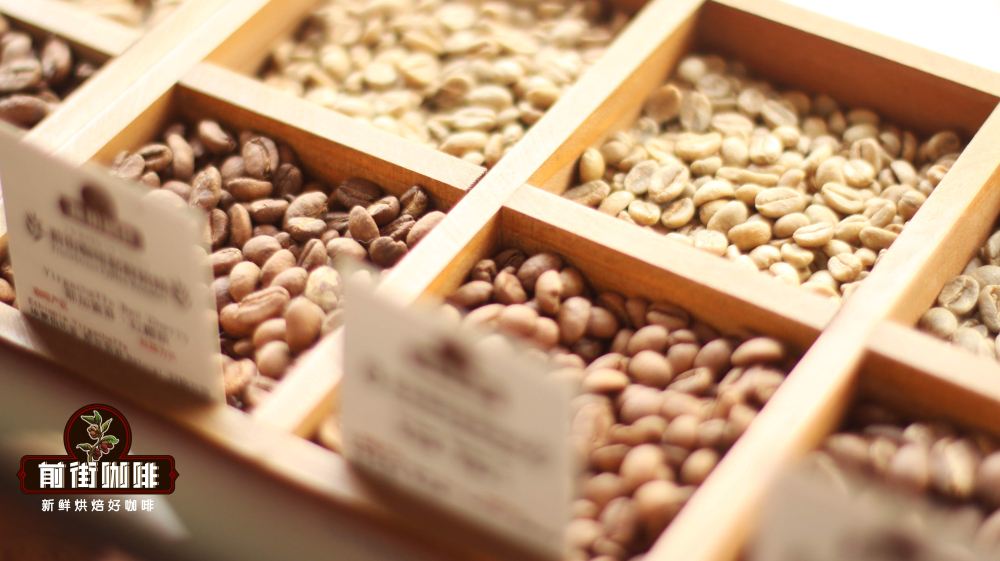
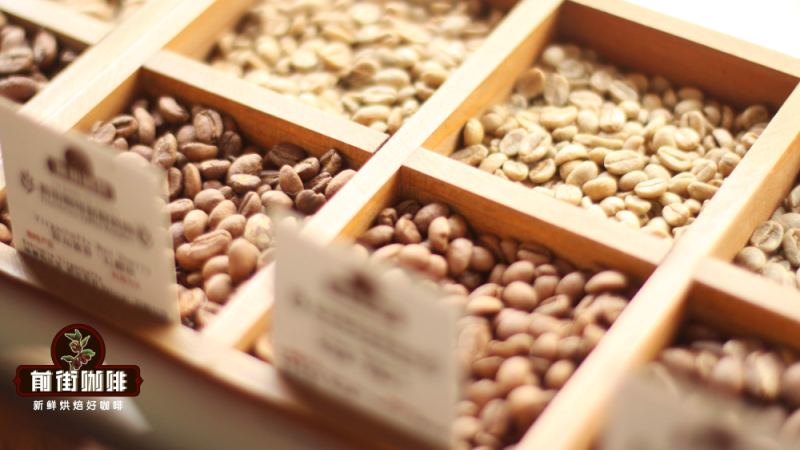
Front Street Sidamo green coffee beans are grayish-green in color, with uneven bean sizes. The acidity has both mild and intense aspects, the body can be strong or light, and it combines sweetness with spice, making it a typical garden-grown coffee of the southern Ethiopian highlands. Unlike most African coffees, Front Street Sidamo Huakui 11 is the most well-known on the market; it presents clear fruity acidity, a smooth mouthfeel, and delicate floral aromas, making it suitable for cold brew, pour-over, drip bags, espresso SOE, and American-style filter coffee, among many other preparations.
The flavor of Front Street natural Sidamo leans toward floral notes, with abundant fruity sweetness and acidity and a delicate texture. You can try Front Street. Sidamo Natural Alo coffee beans and Front Street Sidamo Natural Hamasho coffee beans. The washed version shows citrus notes, nutty creaminess, and a slight cocoa aroma, but what both have in common is a smooth mouthfeel, moderate viscosity, pleasant acidity, and a comfortable aroma. A light or medium roast is suitable as single-origin coffee, while a medium or dark roast is suitable for making blended coffee and a high-quality Espresso base.
The washed Front Street Sidamo green beans are light green, with relatively small beans in a long oval shape, plump fruit, and overall uniform quality. They have a fragrant, mellow aroma and a long finish after drinking, with a kind of wild beauty. It is elegant yet playful; the entry is gentle and pleasant, followed by bright lemon acidity that brings a strong taste impact. The mouthfeel is unique and mellow, with a distinctive and pleasing sweet aftertaste, and the finish rises slowly, containing a unique sweetness. The coffee flavors of Front Street Sidamo are extremely diverse.
Different soil types, microclimates, and countless native coffee varieties, together with the towering mountains, highlands, plateaus, valleys, and plains in the producing area, create rich topographic variation. The geology here consists of nutrient-rich, well-drained volcanic soil, with a soil depth of nearly two meters, and the topsoil is dark brown or brown. The greatest advantage here is that soil fertility is maintained through organic matter cycling, relying on fallen leaves from surrounding trees or plant residues as fertilizer. Therefore, coffees produced in different towns have obvious differences and characteristics. In the 2010 to 2012 period, this producing area continuously received high scores of 92 to 94 from the authoritative American coffee evaluation website CR.
It can thus be seen that the quality of green beans in this producing area is extraordinary. Front Street Sidamo coffee beans grow on the highlands at the southernmost end of Ethiopia, at an altitude between 4,600 and 7,200 feet (Sidamo Province). It is a famous specialty coffee region in southern Ethiopia, bordering Kenya, located southeast of Jimma and directly south of the capital. It usually has obvious sweetness and is relatively popular with the public, with an annual output of about 225,000 bags (60 kg per bag). The beans are relatively small, grayish among the green. On the natural drying beds of Sidamo, the coffee is placed on raised wooden frames with hemp netting, and workers take turns exposing it to the sun and manually turning it. Front Street Sidamo Huakui coffee beans, Front Street. Sidamo Natural Alo coffee beans, and Front Street Sidamo Natural Hamasho coffee beans are all G1, the highest grade of green beans.
The above content is compiled by CoffeeHunters, a coffee news website.


