







Search Results for: CoE Competition Format
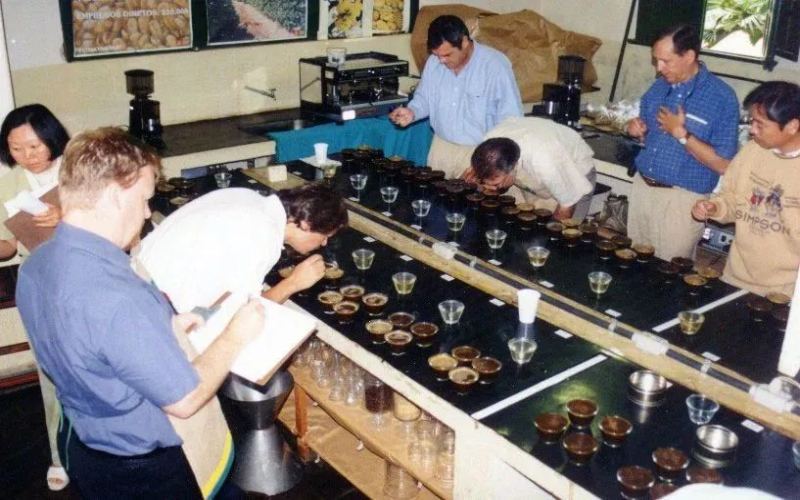
2023 Brazil Cup of Excellence Format Innovation: Three Processing Method Categories Reveal the Winners List
The 2023 Cup of Excellence (CoE) in Brazil underwent a major competition format change, for the first time dividing participating green beans into three categories: dry process, wet process, and experimental process, with awards evaluated separately for each. This change aims to respect different processing methods, encourage producer innovation, and promote fair competition. After pre-selection and multiple rounds of national and international judging, the lists of ten winning beans in each of the three groups have been announced, with a minimum score requirement of 87 points. Erwin Mierisch, Executive Director of the Alliance for Coffee Excellence, stated that the new classification both recognizes the value of traditional processing methods and responds to market demand for innovative processing methods. This article will outline the competition format details, the winning situation in each group, and explore the profound impact of this change on the specialty coffee industry. [more…]

A Complete Guide to the Cup of Excellence (COE): Scoring Standards, Competition Format, and What Auction Lots Mean
If you frequently buy specialty coffee beans, you have surely seen the letters "COE" on packaging labels. What exactly do they stand for? Why are beans bearing the COE mark often more expensive? This article will give you a comprehensive understanding of COE—from its origins and founding organization, to its specific differences from the SCA cupping scoring system, and then to the three-stage competition format of the Ethiopia COE, breaking it all down one by one. It will also explain the difference between COE auction lots and national winner lots, as well as the difference between "same-lot" beans on the market and true auction lots, helping you more accurately understand and select coffee beans. [more…]

A Complete Guide to the Cup of Excellence (COE): Competition Format, Scoring, Auction Value, and Its Significance as a Benchmark for Specialty Coffee
COE (Cup of Excellence) is the most authoritative competition in the global specialty coffee field. Since its founding by ACE in Brazil in 1999, it has always represented the highest standard of coffee quality evaluation. This article systematically reviews CoE's origins and background, competition format and process, scoring system, and its profound impact on the coffee industry, while also explaining the score grading standards from commercial beans to competition level. For enthusiasts who follow specialty coffee development and auction trends, this is a complete guide not to be missed. Front Street Coffee will also continue to bring you competition news and bean selection references. [more…]
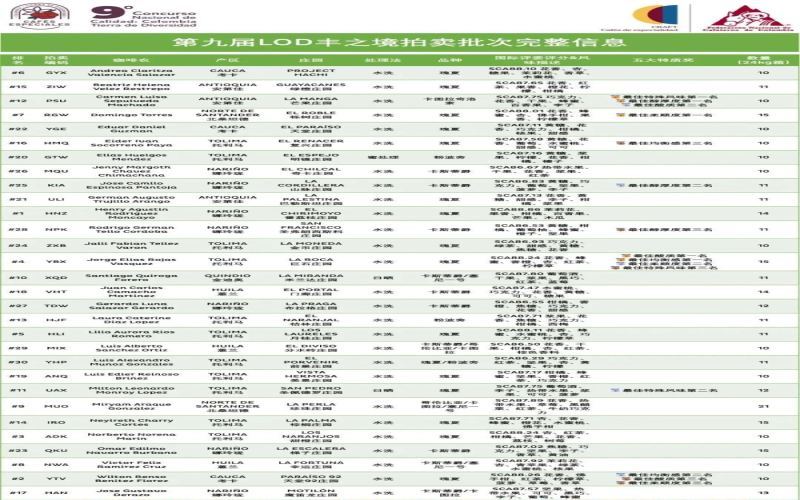
Colombia Land of Diversity (LOD) Competition: Highlights of the Ninth Edition, Unique Format, and 2025 Outlook
The Colombia Land of Diversity (LOD) competition is a national-level coffee quality competition in the country, ranking alongside COE and BOP. The ninth edition brought together 1,018 growers from 13 producing regions; after two rounds of screening, 30 coffees made it to the finals, and the top lot at auction was a washed Geisha from Nariño, fetching as much as $66.50 per pound. This article walks you through the origins of LOD, its competition format, how it differs from COE, and a preview of the tenth edition in 2025, along with recommendations from Front Street Coffee. [more…]
What Are COE Auction Coffee Beans? A Complete Guide from the Competition Mechanism to Front Street Coffee's Ethiopia COE22
In the world of specialty coffee, COE (Cup Of Excellence) has long been regarded as one of the most credible competitions. It not only determines whether a lot of coffee beans can be sold through auction, but also directly affects a estate's reputation and the income of coffee farmers. This article will walk you through the COE competition format and process, the advantages of auction coffees, and why it has maintained its authoritative status among numerous competitions. At the same time, we will also talk about a coffee on Front Street Coffee's bean list—an auction lot from Ethiopia's first COE competition in 2020, COE22—and look at the origin story and flavor performance behind it, as well as how to bring out its best state in daily brewing. [more…]
2024 Ethiopia TOH Green Bean Competition: A Full Analysis of the Champion Origins in the Natural, Washed, and Honey Processing Categories
Africa, as the core region of the coffee-growing belt, has nurtured many high-quality coffee-producing countries, among which Ethiopia is widely recognized as the birthplace of coffee. The African Fine Coffees Association (AFCA), established in 2000, launched the Taste of Harvest (TOH) competition, whose format is similar to that of the Cup of Excellence (COE) and is divided into national competitions and the Africa regional final. In 2024, the Ethiopia TOH competition was held in Addis Ababa, with a total of 75 companies and 212 Arabica coffee entries participating. This article will introduce in detail the origin backgrounds and processing details of the natural group champion Testi Trading Plc, the washed group champion Eseham Trading plc, and the honey process group champion Yihonal Trading plc, and will also include relevant recommendations from Front Street Coffee. [more…]
What is the difference between auction lot and same-lot coffee beans? An in-depth analysis using the example of Ethiopian COE26 same-lot beans
In the specialty coffee world, auction lots and same-lot coffees are often lumped together, but the two differ fundamentally in quality and scarcity. This article begins with a real sourcing experience at Front Street Coffee, recounting the team's attempt to purchase COE26 same-lot beans after missing out on an Ethiopian COE auction lot. The article systematically sorts out the competition format and process of the COE Cup of Excellence, the conceptual difference between auction lots and same-lot beans, and documents in detail this Yirgacheffe Worka washed bean's regional background, processing method, roasting curve, cupping performance, and brewing parameters. Will the final cupping result deliver the matcha aroma as hoped? Can same-lot beans replicate the surprise of an auction lot? The answer will be revealed in the article. [more…]
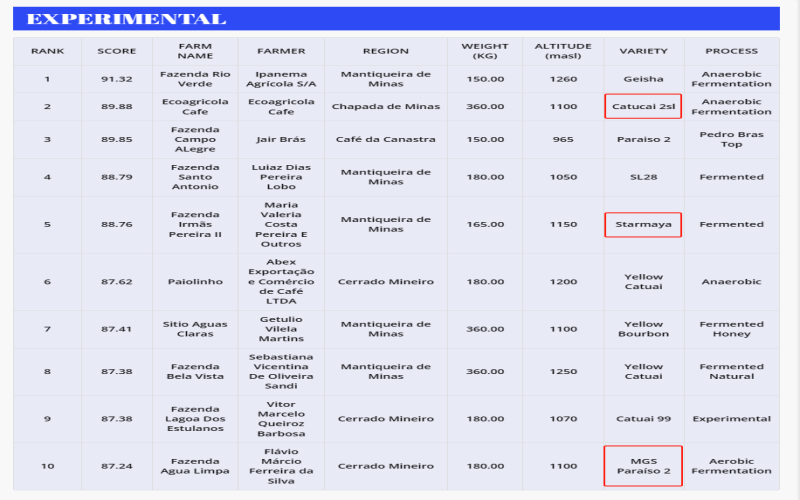
Analysis of Rare Award-Winning Coffee Varieties at Brazil's Cup of Excellence: Variety Characteristics of MGS Paraíso 2, Catucaí 2SL, and Starmaya
In this year's COE competition, the Brazil region stands out as particularly distinctive. Not only have the competition rules been adjusted, but the winning varieties also differ greatly from those of other coffee-producing countries, which is especially evident in the experimental processing group: the winning bean varieties are almost never repeated, and most are not well known to the general public. This article will focus on three standout varieties—MGS Paraíso 2, Catucaí Amarelo 2SL, and Starmaya—and outline their origins, agronomic performance, and flavor potential. For enthusiasts concerned with coffee variety diversity, this information is especially worth noting. Front Street Coffee will also continue to follow up on the introduction and evaluation of related bean varieties in subsequent content. [more…]
Analysis of the Africa Harvest Season Flavor Competition TOH: How did Huakui Coffee win the championship in one fell swoop?
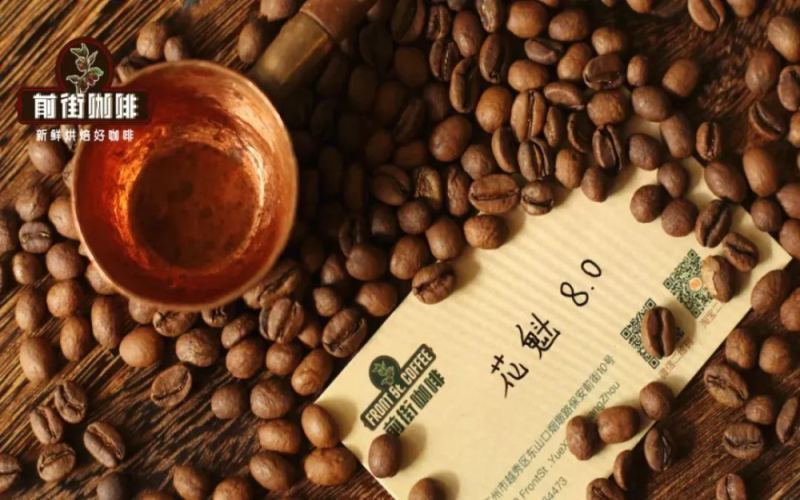
Ethiopia, as Africa's largest coffee-producing country and the birthplace of coffee, is renowned worldwide for its coffee's floral and citrus notes, thanks to its exceptional natural conditions. When it comes to the representative of Ethiopian natural-process beans, many people first think of "Floral Queen." This coffee, from the Buku Abel processing station in the Guji Hambela region, rose to fame after winning the 2017 TOH green bean competition. What exactly is the TOH competition? How does it differ from the COE Cup of Excellence? How does the African Fine Coffees Association (AFCA) organize this grand event? This article will give you a comprehensive understanding of the TOH Harvest Season Flavor Competition—its origins and development—as well as the rise to fame of Floral Queen coffee. It will also introduce the flavor profile of Floral Queen 8.0, currently available at Front Street Coffee. [more…]
African Fine Coffees Association (AFCA) and the Taste of Harvest (TOH) Competition: A Full Analysis of the Competition That Made Ethiopia's Huakui Coffee Beans Famous
Ethiopia, as Africa's largest coffee-producing country and the widely recognized birthplace of coffee, is deeply favored by enthusiasts for its distinctive floral and citrus flavor notes. When it comes to the representative of Ethiopian natural-process beans, many people immediately think of "Huakui." This naturally processed coffee from the Buku Abel washing station in the Guji Hambela region rose to fame after winning the natural-process category at the 2017 TOH green bean competition. So what exactly is the TOH competition? And what kind of organization is AFCA, its organizer? This article will walk you through the membership structure of the African Fine Coffees Association, the competition format and tiers of the TOH, and how the event helps African coffee-producing countries improve quality and expand international trade. [more…]
Ethiopian Guji Uraga Heirloom Coffee Beans: Processing Methods and Brewing Flavor Analysis of a TOH Washed Champion
Many friends of Front Street Coffee beans like Front Street TOH coffee beans, but many are not clear about what TOH means. Starting from the TOH competition, this article provides a detailed introduction to the 2020 TOH washed category champion—this bean from Uraga in the Guji region of Ethiopia—covering its regional background, the washed process at the Sela Gajaba processing station, the curve design by Front Street roasters, and a brewing recipe that highlights jasmine, pomelo, and green tea flavors. Whether you want to understand what TOH actually is or master the key brewing points for this champion bean, you can find the answers below. [more…]

Nayuki Dream Factory Coast City Store Bows Out for Renovation: Observing the Multi-Format Transformation Path of New-Style Tea Beverages
Nayuki quickly rose to fame with its combination of tea drinks and soft European bread, becoming a leading brand in the new-style tea beverage sector. However, its largest store nationwide, Nayuki Dream Factory in Shenzhen Coastal City, recently quietly closed, and the site will be upgraded to "Nayuki Life," a lifestyle concept store. This thousand-square-meter flagship store, which once generated nearly a million in revenue within three days of opening, carried Nayuki's ambition to experiment from tea drinks to coffee, craft beer, Western cuisine, retail, and other multi-format ventures. From Nayuki Tavern to Nayuki PRO, and further to Nayuki Bookstore and ready-to-drink product line layout, Nayuki has continuously tried to break the boundaries of tea drinks. This renovation of its largest store reflects the collective anxiety of brands seeking differentiated breakthroughs amid intensifying homogenized competition in the new-style tea beverage industry. This article reviews the rise and fall of Nayuki Dream Factory and explores whether multi-format development can truly be the way for tea beverage brands to break through. [more…]
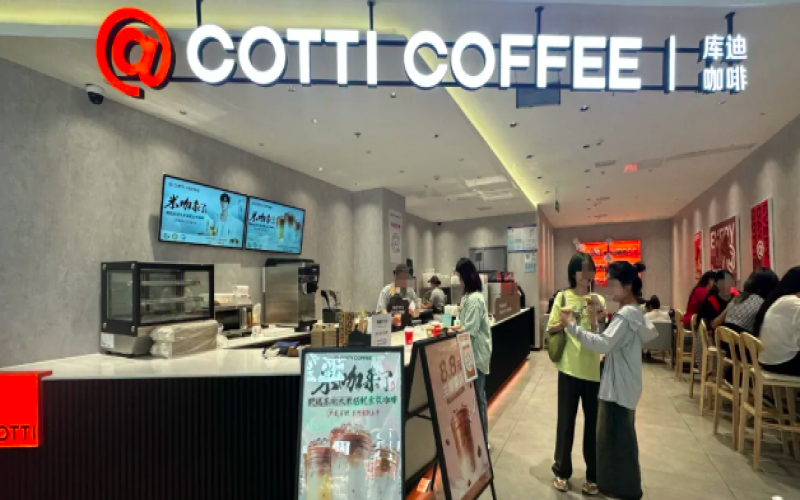
Just One Square Meter to Open a Store? Cotti's COTTI Express Store-in-Store Model Raises Concerns Among Franchisees
In the public perception, chain coffee stores usually require a certain amount of space for tables, chairs, and storage, so their scale is not too small. However, Cotti recently announced the launch of a convenient store format called "COTTI Express," using a store-in-store model to compress the minimum opening area to one square meter, greatly reducing both investment and the break-even point. In fact, brands such as Manner with Lianjia and Tims with Sinopec Easy Joy had already tried similar partnerships. Although this model enables low-cost rapid expansion, it has also raised concerns among franchisees about internal competition, pressure from convenience stores' own coffee brands, and quality control and food safety. Whether the store-in-store model can ultimately help brands capture a larger market still needs time to be tested. [more…]
What exactly is the COE Cup of Excellence competition? A complete breakdown from the scoring criteria to Ethiopia's first auction beans
In the specialty coffee world, the Cup of Excellence (COE) is regarded as the most prestigious green coffee competition, and the top-ranked beans on its annual list often become the focal point of auctions. This competition, launched by ACE in Brazil in 1999, now covers more than a dozen producing countries, selecting the top 30 with cupping scores above 87 for a global auction. This article will outline the origins and scoring system of the COE, and focus on reviewing the story of the 22nd-place natural Typica that Front Street Coffee won at auction when Ethiopia first joined the COE in 2020—from West Arsi, grower Adem Banta Sute—as well as the processing, roasting, and brewing details of this bean. [more…]
A Complete Guide to Yirgacheffe Konga Cooperative Natural Beans: From Origin Certification to Cupping and Brewing Parameters
The Yirgacheffe region in Ethiopia is home to numerous cooperatives, and the Konga Cooperative is one of the most representative. It is located in the Gedeo Zone at an altitude of over 1,800 meters, holds dual certifications in Fair Trade and organic farming, and won the national championship in the TOH natural category in the 2020 harvest season. This Konga Cooperative Wote Station natural G1, sourced by Front Street Coffee, uses local heirloom varieties and presents a complex flavor profile of citrus, jasmine, honey, and green tea. This article will provide a complete breakdown of this coffee's story, from the cooperative's background, soil characteristics, processing methods, and variety traits to Front Street's roast profile, cupping data, and V60 brewing recipe, offering coffee enthusiasts a practical reference for purchasing and brewing. [more…]
2024 Mexico COE Competition Results Announced: An In-Depth Analysis of the Three Major Winning Varieties—Obata, Marsellesa, and Oro Azteca
As one of the most influential competitions in the global specialty coffee field, the Cup of Excellence (CoE) attracts top estates from producing countries to compete every year. The results of the 2024 Mexico COE competition have recently been officially announced. This edition of the competition, for the first time, adopted a grouping mechanism with three major categories: traditional washed, traditional natural and honey process, and experimental process. The list of winners includes both classic varieties well known to the public, such as Geisha and Bourbon, as well as relatively rare disease-resistant and high-yield varieties such as Obata, Marcelexa, and Oro Azteca. This article will guide you through an in-depth understanding of the breeding background, botanical characteristics, and cultivation performance of these three distinctive varieties, while also providing an overview of this edition's judging and auction mechanisms. [more…]
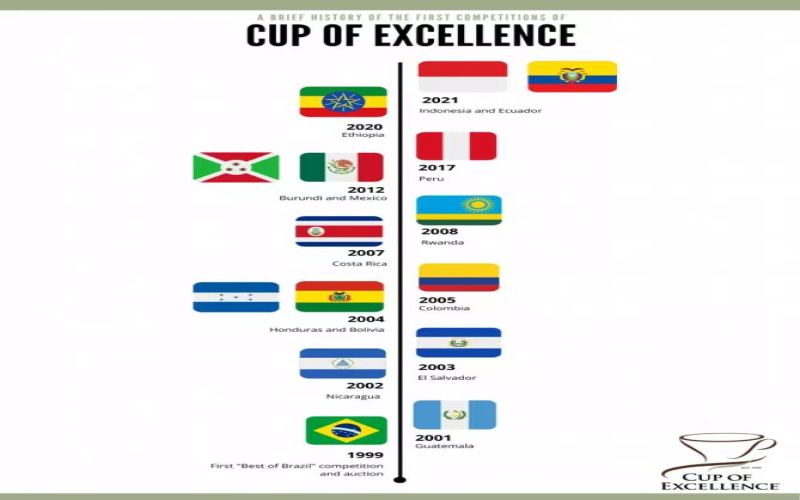
An Analysis of the SCAA and COE Coffee Certification Systems: Differences in Scoring Standards and Their Essential Distinction from SOE
In the world of specialty coffee, the SCAA and COE are two authoritative systems that cannot be overlooked. The former established industry standards and cupping protocols, while the latter selects top-tier green beans through rigorous competitions. How do their scoring logics differ? And why are COE and SOE often confused? This article will trace the development and operational mechanisms of the SCAA, CQI, and COE, explain in detail the differences in cupping score sheets, and use the example of the 22nd-place sun-dried Typica that Front Street Coffee bid for at Ethiopia's first COE competition in 2020 to present the complete story from origin to cup. [more…]
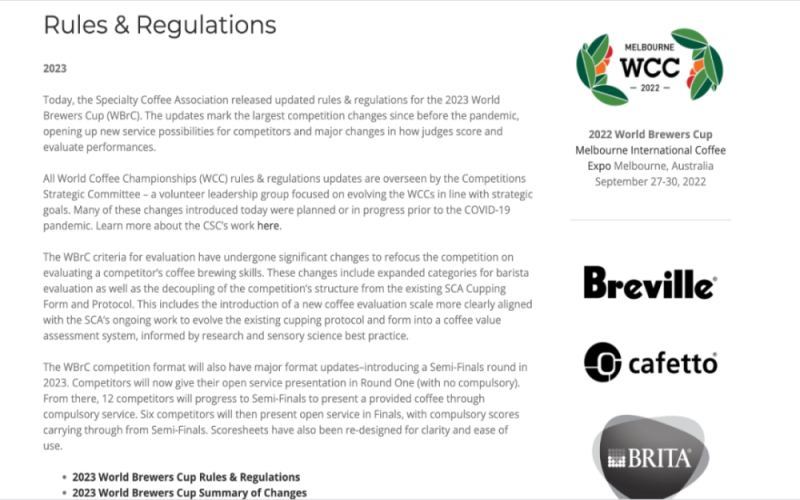
In 2023, the WBC rules underwent a major adjustment: plant-based milk and other animal milks are permitted for use in the Barista Championship.
The Specialty Coffee Association announced on December 22 the new rules for the 2023 World Barista Championship (WBC), World Brewers Cup (WBrC), World Cup Tasters Championship, and Cezve/Ibrik Championship. Among them, the most notable change in the WBC is allowing competitors to use plant-based milk or other animal milks to make milk coffee, breaking the long-standing restriction of using only cow's milk. The WBrC adjusted its evaluation criteria, refocusing on competitors' brewing skills and introducing a new coffee evaluation scale and a semifinal format. This series of changes has sparked widespread discussion in the industry, with some supporting the increased inclusivity and others worried about scoring fairness. This article will outline the specific contents of each rule update and the reactions from all parties. [more…]
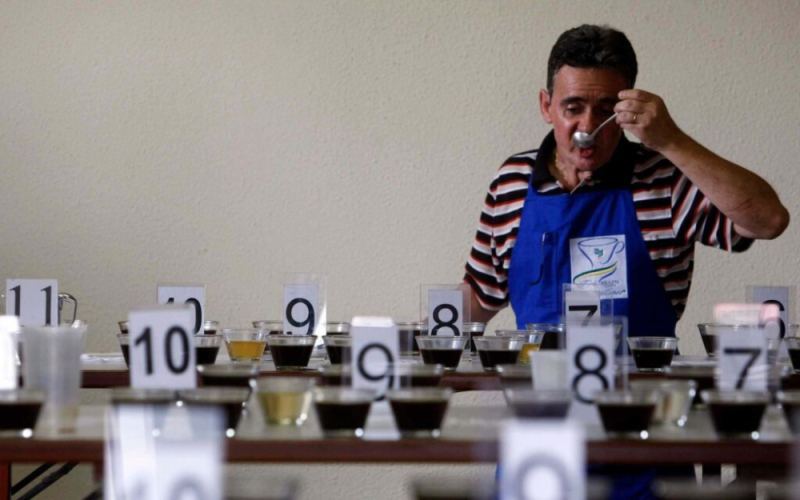
Ethiopian Sidamo vs. Uraga Coffee Comparison: Flavor Analysis of a COE Natural Typica and a TOH Washed Heirloom Variety
Front Street Coffee has recently added two competition-grade Ethiopian coffee beans to its lineup: a natural Typica that placed 22nd in the COE Cup of Excellence competition, and a native variety that won the washed group championship in the TOH tournament. This article provides a systematic comparison of these two Front Street Ethiopian coffee beans across multiple dimensions, including competition background, growing region, coffee variety, green bean processing, roasting curve, cupping performance, and brewing recommendations. Readers can use this to understand the differences between the COE and TOH competitions, the terroir characteristics of the Sidamo Arsi and Uraga producing regions, the varietal traits of Typica versus Ethiopian native heirloom varieties, and the influence of natural and washed processing methods on flavor direction, providing a reference for daily purchasing and brewing. [more…]
2024 Ethiopia COE Results Announced: Natural Process Lots Dominate, Sidama Region Shines
The results of the 2024 Cup of Excellence (COE) Ethiopia competition have been announced, and this year's event has many highlights: all 27 winning coffees were naturally processed, and every one of them came from the JARC numerical variety series, with the Sidama region emerging as the biggest winner. Looking back, since Ethiopia first hosted the COE in 2020, it once set a record high price of $400.5 per pound; after being suspended in 2023 due to civil war, this year's relaunch has delivered a remarkable result. This article will walk you through the detailed results of this year's competition and take a deeper look at the geographical advantages of the Sidama sub-regions Bensa and Bona, as well as the origins of the JARC numerical varieties. [more…]