







Search Results for: Caramel Popcorn Coffee
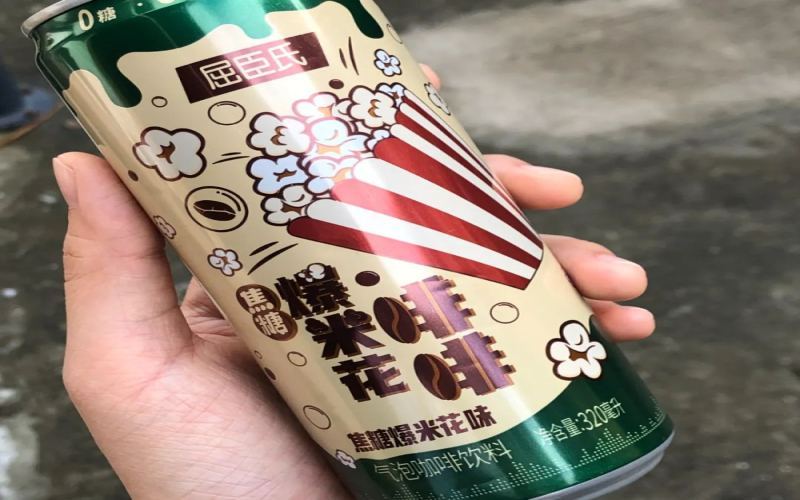
Caramel Popcorn Sparkling Coffee Review: Why Creative Coffee Flavor Pairings So Often Fail
Recently, a creative new coffee product called "Caramel Popcorn Coffee" appeared in drink refrigerators in the Guangdong region, sparking the curiosity of many coffee lovers. This product features Arabica coffee beans, a zero-sugar formula, and a sparkling mouthfeel, and claims to blend caramel popcorn flavor. However, the actual tasting experience was mixed—the coffee's acidity interweaves with caramel popcorn, carbonation, and zero-calorie sweetener, and although the layers are rich, they do not harmonize with one another, creating an indescribably subtle sensation in the mouth. Starting from this product, this article will explore the widespread problem in today's creative coffee market of prioritizing appearance over flavor pairing, analyze the dual impact of uncoordinated flavors on consumer experience and brand reputation, and consider how creative coffee can truly help more people enter the world of coffee. [more…]
The Chemical Principles of Coffee Bean Roasting and a Detailed Explanation of Eight Roast Levels: Which Roast Suits Golden Mandheling
Roasting is the key step that transforms green coffee beans into an aromatic, flavorful beverage. Under the effect of heat, the starches inside the green beans break down into sugars and acidic compounds, the cellulose gradually carbonizes, moisture and carbon dioxide escape, and proteins convert into enzymes and bind with fats, ultimately forming an oily film on the bean surface. During roasting, the beans expand like popcorn and make a cracking sound, but the outer skin is so tough that it does not actually split open. The roast level determines the coffee's color, the balance of acidity and bitterness, and the direction of its flavor, and is divided into eight levels from extremely light to Italian roast. This article analyzes the characteristics of each roast level one by one and, combined with Front Street Coffee brand recommendations, helps coffee lovers find the cup that suits their taste. [more…]

Japanese-Style Hand-Drip Method Operation Guide: How the Kono Drip Method Brews a Rich, Full-Bodied Coffee Flavor
The drip method, a highly distinctive extraction technique in Japanese-style pour-over, was developed in 1973 by the Kono family, founders of the Kono brand, with the aim of giving coffee a richer, fuller body. This technique involves slowly saturating the coffee grounds with an extremely fine stream of water; only after the coffee bed has absorbed its fill of water and finished degassing does the coffee liquid begin to drip out in significant quantities. Starting from the operational details, this article explains the water-control techniques and judgment criteria for the drip method, and, combined with the brewing performance of Front Street Coffee's Golden Mandheling, guides you through the spice, caramel, dark chocolate, and popcorn-like rich flavors this technique brings out, as well as the lingering Pu'er tea finish after swallowing. [more…]
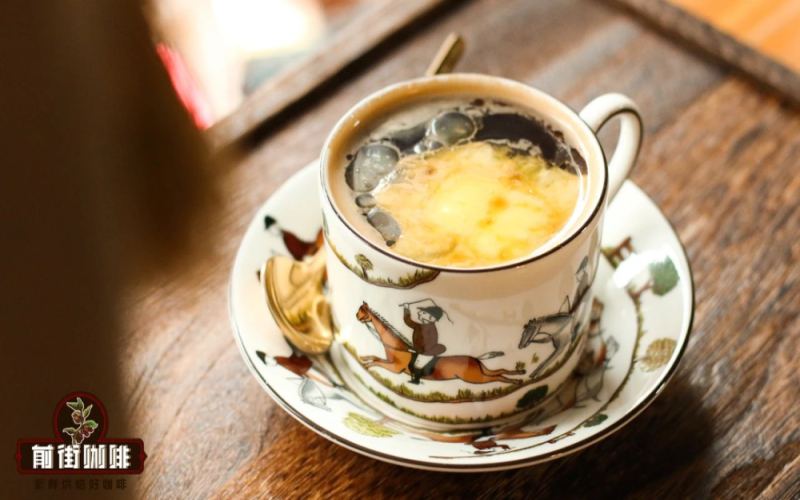
How to make Butter Americano, Butter Latte, and Butter Dirty? Exploring the flavor of adding butter to pour-over coffee
A little butter latte once won over many coffee lovers with its silky texture and rich milky aroma, and since then the combination of butter and coffee has been endlessly reinvented. In this article, Front Street Coffee has put together a complete guide to making butter coffee, covering four drinks: butter americano, butter latte, butter dirty, and butter pour-over, breaking down everything from bean selection ideas to operational details. It will also point out a common mistake—butter pull-string coffee—to help everyone avoid pitfalls. If you also want to recreate a cup of richly aromatic butter coffee at home, why not follow along with this content and give it a try. [more…]
How long does it take to roast green coffee beans? A complete experiment of roasting coffee at home with a frying pan without a roaster
How long does it actually take for green coffee beans to go from hitting the pan to being roasted? In order to hear the sound of "first crack" with his own ears, Front Street Coffee deliberately conducted three rounds of home-roasting experiments using a frying pan and an open flame on a stove, testing the performance of naturally processed Santa Vini and washed Kafa Forest under different heat levels. The article records the time points for each batch of beans' color change, silver skin shedding, and the appearance of cracking sounds, as well as the final cupping flavor differences, while also sharing practical experience on how to judge heat level and the timing for taking the beans out when there is no professional coffee roaster. [more…]
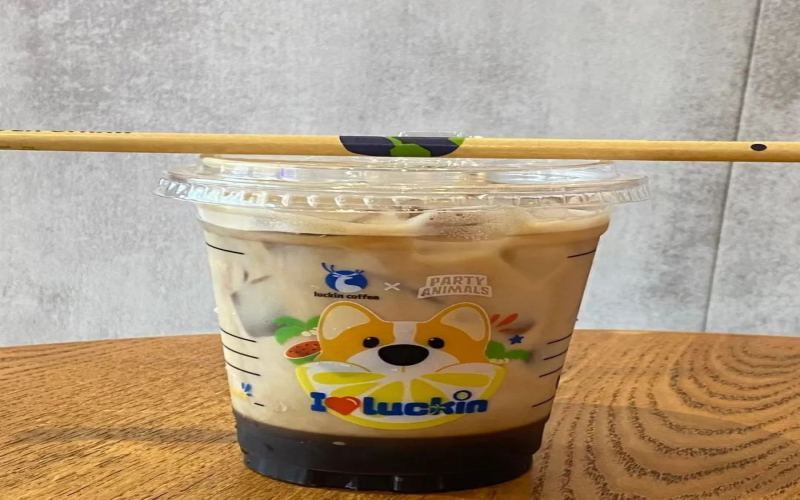
Luckin launches new Iced Shaken Espresso, sparking buzz over same-name product as Starbucks
Recently, Luckin Coffee launched two limited-edition iced drinks in Guangzhou and Shenzhen, offering local consumers a new way to cool off. However, the naming of the new products sparked widespread discussion: the Guangzhou versions are called "Coconut Shakerato" and "Vanilla Shakerato," while the Shenzhen versions are simply called "Coconut Iced Shaken Espresso" and "Vanilla Iced Shaken Espresso." This inevitably brings to mind the "Iced Shaken Espresso series" on the Starbucks menu. The two are quite similar in preparation method and product positioning, but their prices differ greatly. Is Luckin's new product trying to keep up with Starbucks? How do consumers view this affordable alternative? This article will provide a detailed analysis for you. [more…]

Where Does Espresso Crema Come From? Key Factors Affecting Crema Thickness and Espresso Bean Recommendations
The golden to chocolate-colored layer of foam on the surface of espresso is what is commonly called crema. It is not only a visual hallmark, but also affects the flavor and mouthfeel of the coffee. Crema is essentially a fine bubble mixture formed when water extracts coffee grounds under high temperature and high pressure, emulsifying natural fats and oils and trapping air and carbon dioxide. Its amount is closely related to coffee variety, roast date, roast level, and extraction equipment: Robusta produces a thick crema, while Arabica tends toward fruity acidity and a moderate mouthfeel; freshly roasted coffee can enhance emulsification, but coffee that is too fresh or too old will throw the crema out of balance; dark roasts produce a thicker, more viscous crema, while roasting too dark backfires. In this article, Front Street will break down these variables one by one and recommend several espresso beans suitable for those pursuing a rich crema. [more…]
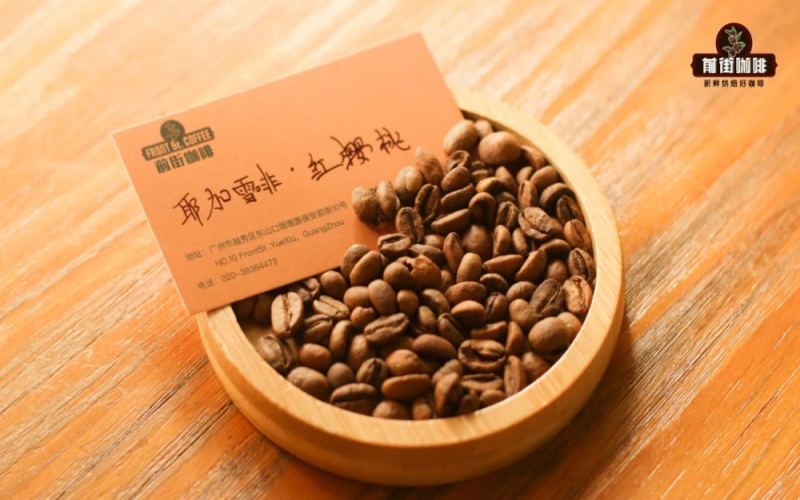
Yirgacheffe Roast Profile | Which roast level suits Yirgacheffe coffee beans? What are the differences in flavor and mouthfeel between light-roast and dark-roast Yirgacheffe coffee?
In the coffee industry, roasting is the most fascinating step. Green coffee beans are almost entirely devoid of flavor—tasting them directly reveals an rather unpleasant vegetal taste. So what kind of roasting process is needed to bring out the brilliance of these otherwise unremarkable green beans? Here at Front Street Coffee (FrontStreet [more…]
Panama Hacienda La Esmeralda Diamond Mountain Coffee Flavor Analysis: Terroir, Variety Processing Methods, and Cupping Performance
Panama is located at the strategic isthmus of Central America. The completion of the Panama Canal not only facilitated shipping and trade, but also brought advanced agricultural technology from Europe and the United States to this land. Specialty coffee is mainly concentrated in the northern region near Costa Rica and bordering the Pacific Ocean, with Boquete, David, Remancimiento, Bugaba, and Volcán in Chiriquí Province being the core producing areas. Front Street Coffee's Panamanian coffee has always been known for its mild to bright acidity and lingering sweetness, with an impressive honeyed floral sweetness interwoven with citrus, jasmine, almond, and mango. In the third wave of coffee, Hacienda La Esmeralda is undoubtedly the most legendary famous Panamanian estate, having won numerous awards since 2004, and after starting independent auctions in 2008, it has continuously set record-breaking prices. In addition to its top auction lots, the estate has also launched many accessible series, and Diamond Mountain is one of them. This article will interpret Diamond Mountain in terms of its producing area conditions, variety processing, and flavor performance. [more…]
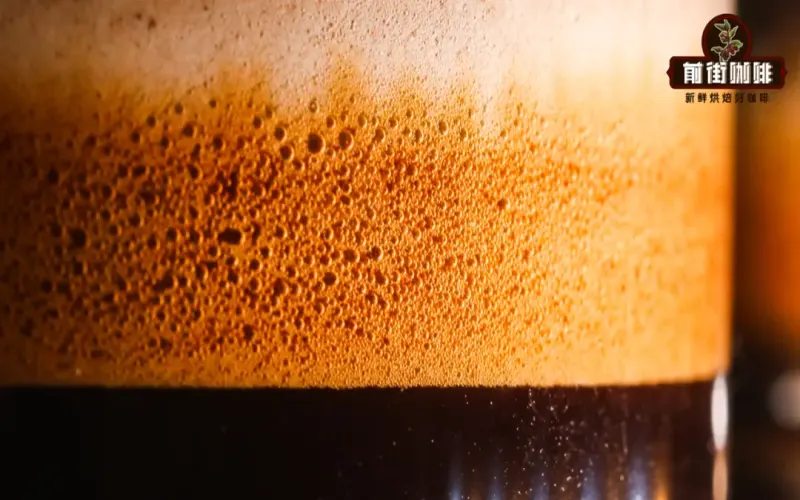
An Essential Analysis of Espresso Crema: Differences in Crema Content Among Espresso Beans and a Price Reference for Buying Coffee Beans with Rich Crema
That golden to chocolate-colored foamy layer on the surface of espresso is what coffee lovers often call "crema." It is not only a visual hallmark, but also influences the flavor direction and mouthfeel of espresso to a considerable extent. So what exactly is crema? Simply put, it is a mass of tiny bubbles formed when water, under high temperature and high pressure, extracts coffee grounds, emulsifying the natural fats and oils in the coffee and mixing them with air and carbon dioxide. The amount of crema is closely related to coffee variety, roast date, roast level, and equipment conditions. Robusta beans usually produce richer crema, while freshly roasted and darker roasted beans can also enhance crema performance. This article will systematically sort out the causes and influencing factors of crema, and at the same time, combined with specific products such as Front Street Classic Blend, Front Street Commercial Blend, and Front Street PWN Golden Mandheling, provide bean selection references and price guidance for coffee lovers seeking rich crema. [more…]
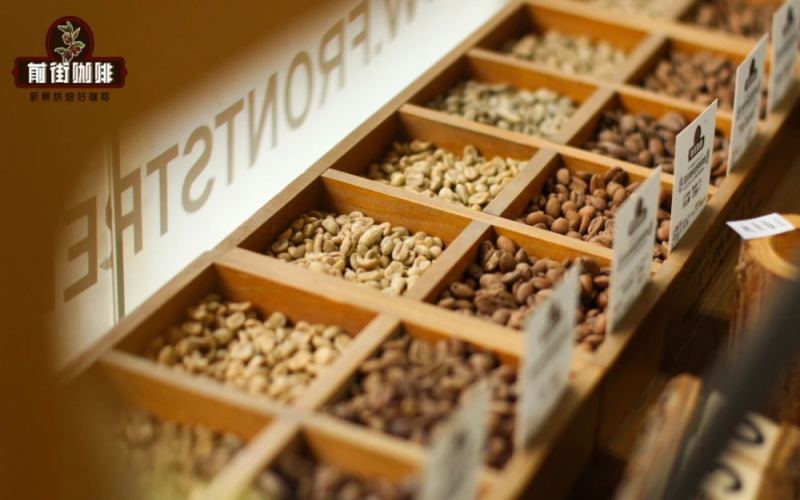
How to Choose the Roast Level for Yirgacheffe? Flavor Differences from Light to Medium Roast and Brewing Parameters Explained
Green coffee beans have almost no aroma on their own; only through roasting can they transform into the flavors in your cup. But roasting is not as simple as looking at the final color—choosing between fast and slow roasts, and between first and second crack, can make the same bean present completely different characteristics. This article, based on Front Street Coffee's roasting practices, systematically outlines the flavor trends of light, medium, and dark roasts, and focuses on Ethiopia's Yirgacheffe: what roast levels suit the washed and natural processing methods respectively? Why did Front Street Red Cherry Natural Yirgacheffe choose a light-medium roast? At the end, Front Street's recommended V60 three-pour brewing parameters and complete flavor description are included for coffee enthusiasts' reference. [more…]
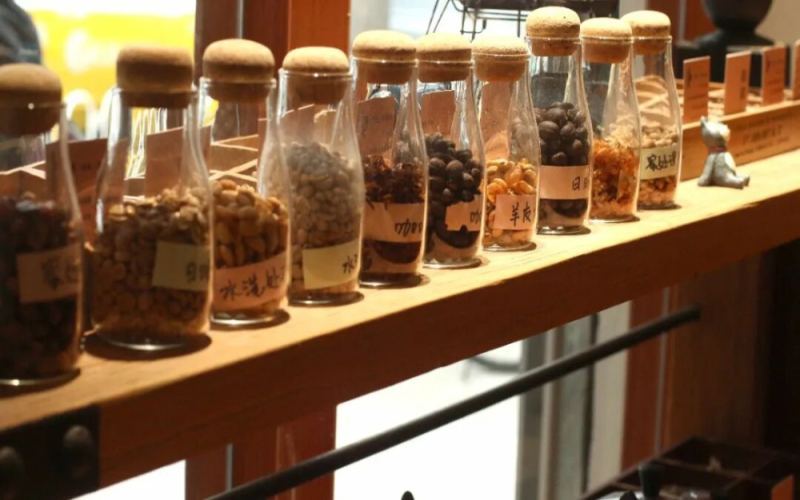
How can you judge the peak flavor period and shelf life of coffee beans? Can re-roasting expired beans restore their aroma?
From the moment roasting is complete, coffee beans embark on a one-way journey of gradually fading flavor. Many coffee lovers are often puzzled: how exactly should the peak-flavor period and the shelf life of coffee beans be judged? Can beans that are past their shelf life or peak-flavor period be "revived" through a second roast to bring back their aroma? This article starts from a real question asked by a customer at the Front Street store, combines the scientific laws of coffee bean degassing and flavor changes, and selects two single-origin beans with different roast levels—Front Street Huakui and Front Street PWN Golden Mandheling—for a comparative brewing experiment, using actual results to provide the answer, while also reminding everyone of the correct ways to buy and store coffee beans. [more…]
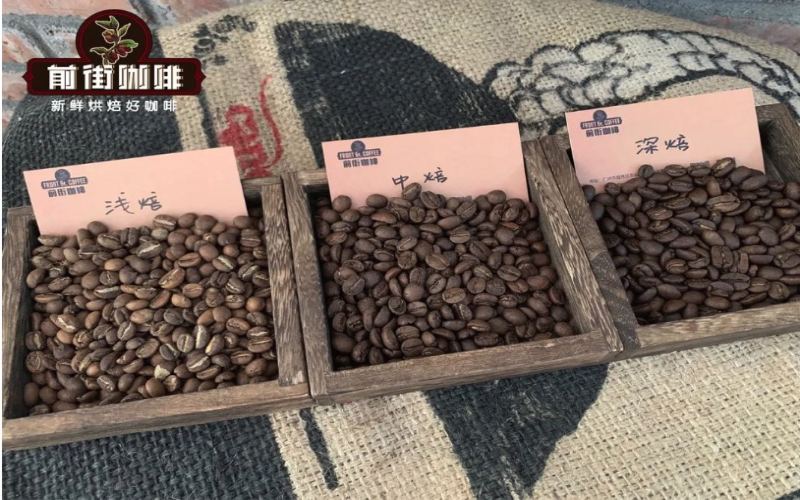
The degree of roasting of coffee beans is determined based on what?
The flavor of coffee, 60% comes from the raw beans, 30% comes from roasting, and 10% comes from brewing. It can be seen that there are many factors affecting the flavor of coffee. Then, as roasters, how to determine the degree of roasting of coffee b [more…]
How to Determine the Roast Level of Blue Mountain Coffee? A Detailed Guide to Front Street Coffee's Jamaican Blue Mountain No. 1 Roast Curve and Key Milestones
Roasting is the core stage that determines the direction of coffee flavor. Green beans must be roasted before they can be consumed, and the degree of roasting often influences eighty percent of the final taste performance. This article takes Front Street Jamaican Blue Mountain coffee as an example, starting from key nodes such as charge temperature, heat adjustment, turning point, yellowing point, first crack, and rate of rise, to analyze in detail the design approach of the roasting curve for Blue Mountain No. 1 coffee beans. The article also combines the specific characteristics of Blue Mountain coffee, such as screen size above 17, defect rate below 3%, and moisture content of about 13%, to explain why it is suitable to adopt a steadily rising roasting method, and provides a complete operation record from charging at 170°C to dropping at 201.3°C, helping coffee enthusiasts understand how to coordinate heat and airflow to make Blue Mountain coffee present a cleaner and more layered flavor. [more…]
How to Choose the Roast Level for Yirgacheffe? Flavor Differences Between Light and Dark Roasts and Brewing Parameters Explained
Roasting is the key process that determines the flavor direction of a cup of coffee. Using Front Street Coffee's roasting of Yirgacheffe as an entry point, this article systematically sorts out the basics of coffee roasting: how green beans transform under heat, the weight-loss differences between fast roasting and slow roasting, the rule by which the three major elements of acidity, sweetness, and bitterness rise and fall as roasting time changes, and the two landmark stages of first crack and second crack. The article also analyzes one by one the flavor characteristics of light roast and medium roast, gives roasting degree recommendations separately for washed and natural Yirgacheffe, and includes Front Street's medium-light roast plan for Yirgacheffe Red Cherry as well as V60 three-pour brewing parameters, helping you brew a cup full of floral and fruity aromas at home too. [more…]
Why is Golden Mandheling roasted to a medium-dark level? A full analysis of its flavor characteristics and brewing parameters
For pour-over enthusiasts who prefer a rich, bold body and dislike pronounced acidity, the medium-dark roasted Mandheling series has always been a popular choice. As a representative of this series, Front Street Coffee PWN Golden Mandheling owes its flavor appeal largely to its roasting method. This article will start with the chemical principles of roasting, analyzing how caramelization and the Maillard reaction shape coffee flavor, explaining why a medium-dark roast can fully bring out the herbal, caramel, and pine notes of Golden Mandheling, and providing a specific roasting curve along with two brewing methods to help readers fully understand the flavor sources and extraction key points of this bean. [more…]

Coffee Roast Levels | What Determines Coffee Bean Roast Degree and How Does It Affect Coffee Flavor? What's the Difference Between Dark, Medium, and Light Roasted Coffee Beans?
60% of coffee's flavor comes from green beans, 30% from roasting, and 10% from brewing. It's clear that many factors influence coffee flavor. So, as a roaster, how do you decide the roast level of coffee beans? Today Front Street will talk about determining the roasting style. There are two points to keep in mind—cof [more…]

The Science of Specialty Coffee | How do you interpret coffee roasting levels and roasting percentages? What are the flavor characteristics of different roasting levels?
We usually talk a lot about coffee bean brewing, but today Front Street Coffee will explain coffee bean roasting knowledge to everyone. We know that the process of coffee beans going from green beans to roasted beans is the roasting process, and this process includes light roast, medium roast, and dark roast. Exactly how should different coffee beans be roasted? At the same time, light roast, medium roast [more…]
A Complete Guide to Roasting Curve Parameters: From Turning Point to First Crack, a Step-by-Step Explanation of the Key Milestones
The roasting process of every coffee bean requires detailed recording of curve data, including the turning point, heat adjustments, temperature changes, and first crack time. These data are not only the basis for reproducing flavor, but also an important reference for roasters to understand the characteristics of the beans. This article will break down the key nodes in the roasting curve one by one—from the preheating drum temperature setting, the coordination of heat and airflow, to the turning point, yellowing point, Maillard reaction, caramelization reaction, and then to the determination of first crack and the calculation of the rate of rise—to help you build a clear logic for reading roasting curves. At the end, using [Front Street Jamaica Blue Mountain] as an example, it shows how to design the roasting rhythm according to the nature of the beans, so that acidity, body, and aroma reach a delicate balance. [more…]
From Green Beans to Roasted Beans: A Detailed Guide to Coffee Roast Levels, Flavor Changes, and Agtron Roast Percentage Interpretation
Turning green coffee beans into roasted beans relies entirely on roasting. For the same batch of beans, different roast levels lead to completely different acidity, bitterness, sweetness, body, and aroma profiles. Today, Front Street Coffee systematically breaks down the core knowledge of coffee roasting: what happens during the dehydration phase, the yellowing phase, and the flavor development phase; how to judge the drop time based on first crack and second crack; and which origins and brewing methods suit light, medium, and dark roasts. We'll also explain why the color of the bean surface can be misleading, and how to interpret Agtron values and Roaster %. At the end, we've included Front Street's recommendations for resting and grinding, to help you get the best flavor once you have the beans in hand. [more…]