







In the coffee industry, roasting is the most fascinating step. Green coffee beans have almost no flavor—tasting them directly gives an unpleasant vegetal note. So what kind of roasting process can transform these otherwise unremarkable green beans into something spectacular? Here at Front Street Coffee, we'll use the roasting of Yirgacheffe to unveil the mystery behind coffee roasting.
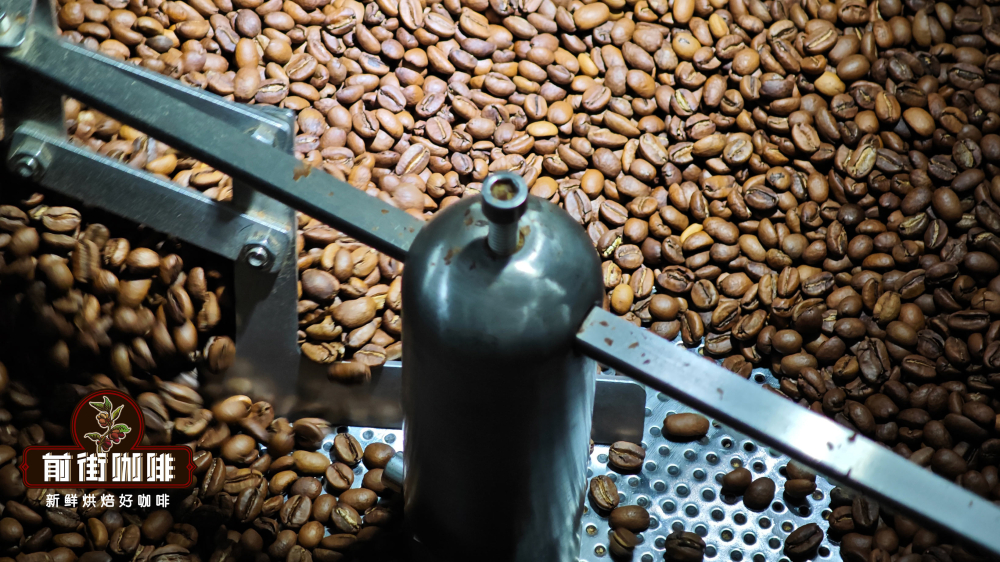
Simply put, when we look at how dark the final color of the coffee beans is and how long the roast took, then easily conclude that a certain coffee is a light roast or dark roast, this is often one-sided, because that coffee could have been fast-roasted or slow-roasted. Different roasting speeds (fast or slow) bring completely different flavor expressions, even though the beans may look very similar in color.
Coffee undergoes various chemical reactions during a series of roasting stages. Many of these reactions reduce the weight of the beans and, of course, cause moisture loss. Slow roasting (completing the roast in 14–20 minutes) results in a higher weight loss ratio (about 16%–18%), while fast roasting can be completed in as little as 90 seconds. For a relatively expensive coffee, slow roasting often brings out better flavors.

During roasting, three factors determine the coffee's final flavor: acidity, sweetness, and bitterness. Generally speaking, the longer the overall roasting time, the less acidity remains. Conversely, bitterness increases with longer roasting time, so the darker the roast, the more bitter the coffee beans.
There are many key stages in roasting. The so-called different roast profiles refer to how quickly a batch of coffee beans goes through each stage. Many roasters carefully record each roast so that every roast can be reproduced with minimal temperature and time deviation.
Coffee roasting is divided into two major types: first crack and second crack.
During roasting, as the temperature rises, steam and carbon dioxide are produced. These gases increase the internal pressure of the coffee beans, causing them to expand. When they expand to a certain point, they make a popping sound, like popcorn—this is the so-called first crack. First crack refers to the first rupture of the coffee beans' internal cells, while second crack refers to the second rupture of the internal cells. Because the beans continuously produce gas during roasting, when gas is produced, the beans continue to expand, thus making a sound similar to the first crack again.
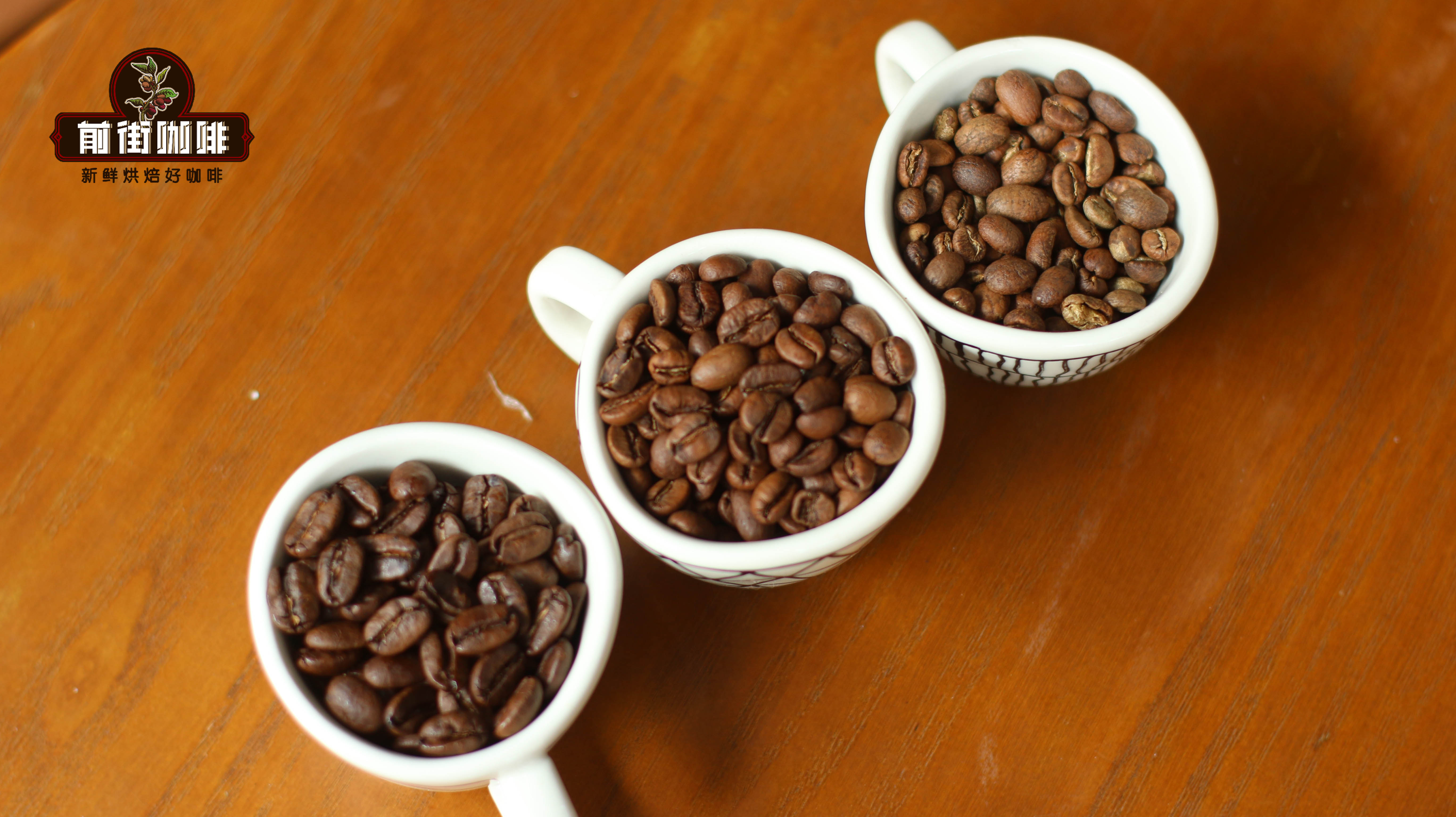
Light roast refers to coffee beans from the middle of first crack to just after first crack ends. At this stage, enzymatic action and the early Maillard reaction occur, and the organic acids in the beans have not yet been fully broken down. Therefore, the acidity is more prominent, and the bitterness is so mild it's barely noticeable—perfect for friends who enjoy acidic coffee.
At this point, the flavors are mostly floral and fruity acidity, cinnamon, grains, and the like.
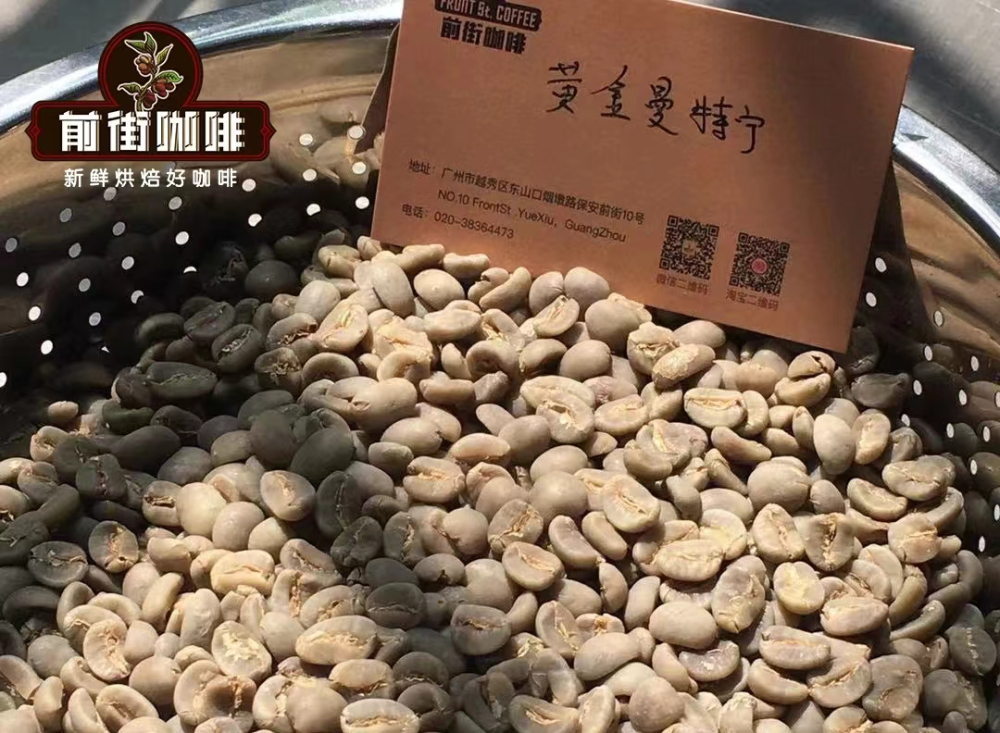
Medium roast usually refers to the period from the end of first crack to before second crack. At this stage, caramelization occurs and more Maillard reactions take place. Although there is still acidic aroma, it is noticeably weaker than in a light roast. The acidity and bitterness are more balanced, so the clean sweetness becomes more prominent and very smooth, with caramel and chocolate notes taking the lead.
This type of roast level often allows specialty coffee to reveal its best characteristics, and it is also the roast level most commonly used by Front Street Coffee.
So back to today's main topic: what roast level is suitable for Ethiopia's Yirgacheffe?
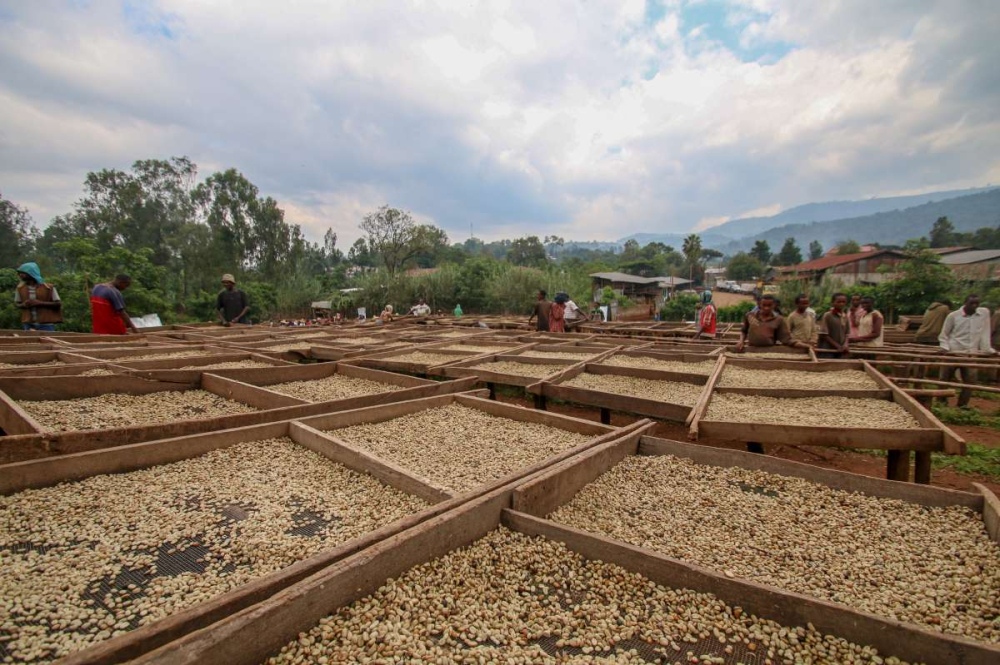
Taking washed Yirgacheffe as an example, if you like a rich floral aroma and abundant fruity acidity, Front Street recommends a light or medium roast;
Natural-process Yirgacheffe has most of the advantages of the washed process. Compared with washed Yirgacheffe, it has a bit more fruity aroma, and its acidity is not as pronounced as that of the washed version.
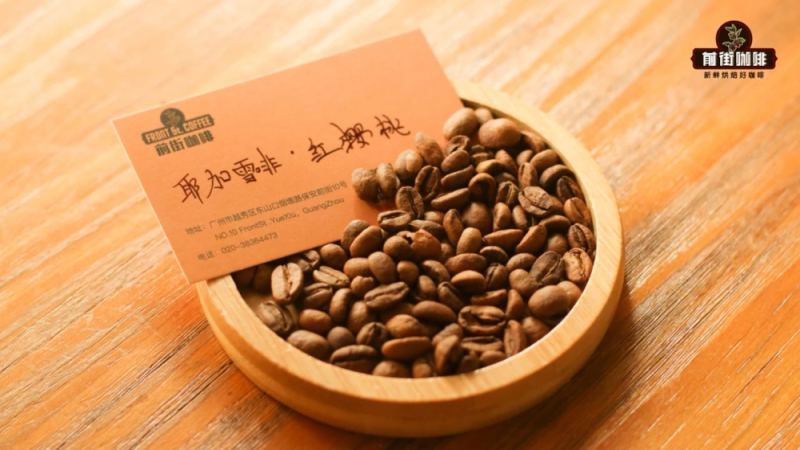
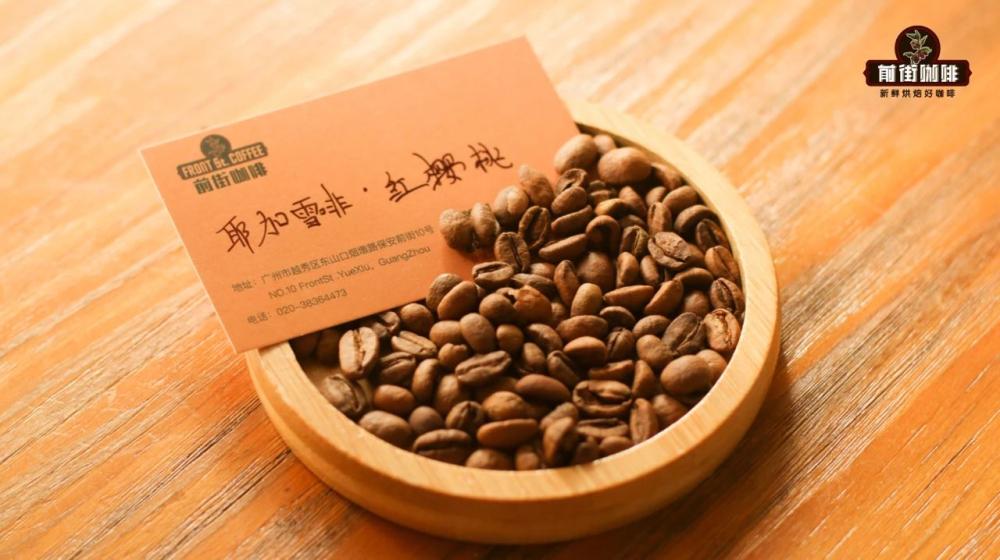
Take Front Street Coffee's natural-process Yirgacheffe "Red Cherry" as an example. We chose a medium-light roast. This roast level often brings out the best characteristics of these beans while maintaining a certain body and a unique fermented wine aroma.
Front Street brewing parameters recommendations:
Dripper: V60
Water temperature: 90–91°C
Dose: 15g
Water-to-coffee ratio: 1:15
Grind size: medium-fine (80% passing through a Chinese standard No. 20 sieve)
Brewing method: staged extraction
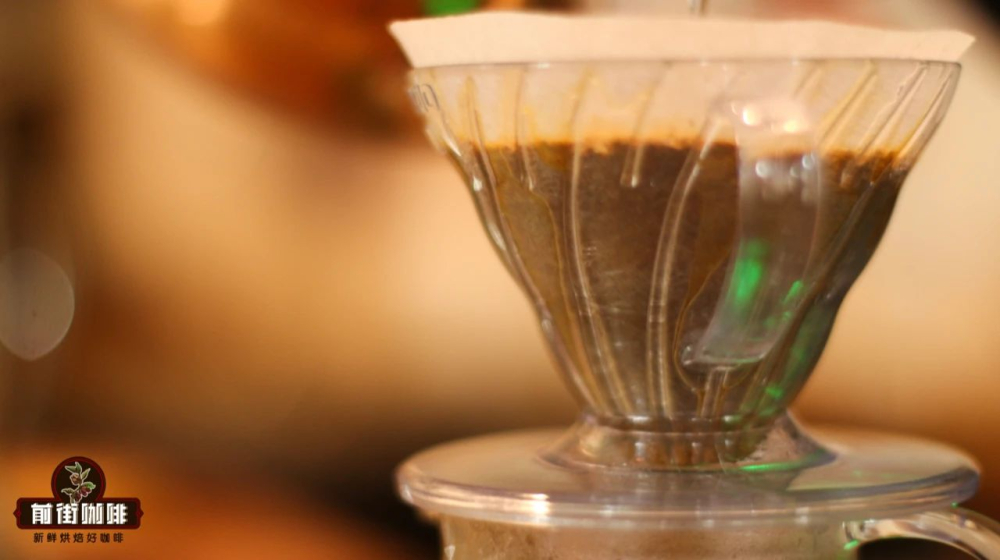
Use a three-stage pouring method. After starting the timer, pour for the first time up to 30g and let it bloom for 30s; then begin the second pour, using a slow stream to pour up to 125g. Wait for the coffee bed to drop halfway before starting the third pour, again using a slow stream to pour up to 225g. Wait for the extraction to complete, with the total time controlled at around 2 minutes.
Flavor: berries, lemon, fermented fruit aroma, strawberry.
For more coffee bean information, please follow Coffee Workshop (WeChat official accountcafe_style )
For professional coffee knowledge exchange, please add WeChat IDkaixinguoguo0925
The above content is compiled by CoffeeHunters, a coffee news website.

