







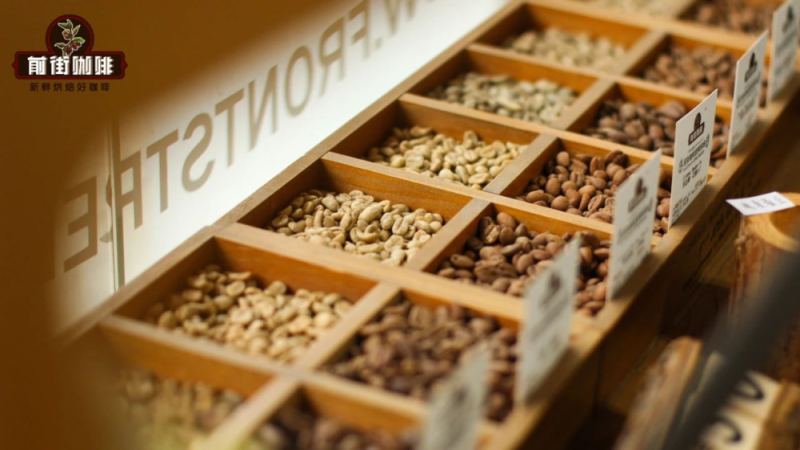
How does the roasting process shape a green coffee bean?
Raw green coffee beans have almost no aroma and carry an unpleasant vegetable smell if eaten directly. Roasting transforms them into the flavors in the cup, and the result is not determined by final color alone: fast and slow roasting, plus where first and second crack fall, can make the same bean taste completely different.
During slow roasting, completed in 14 to 20 minutes, beans lose about 16 to 18 percent of their weight; fast roasting can finish in as little as 90 seconds. Total roasting time also governs how much acidity remains, so higher-priced beans often benefit from a slower profile. Yirgacheffe washed and natural lots each suit different roast levels.
Green coffee beans themselves have almost no aroma to speak of; only through roasting can they transform into the flavors in your cup. But roasting is not as simple as looking at the final color—fast roasting versus slow roasting, and the choice of first crack and second crack milestones, can make the same bean present completely different characteristics. This article starts from Front Street Coffee's roasting practice, systematically sorting out the flavor directions of light, medium, and dark roasts, and focuses on Ethiopia's Yirgacheffe: what roast levels are suitable for washed and natural processing methods respectively? Why was Front Street Red Cherry Natural Yirgacheffe chosen for a light-medium roast? At the end, Front Street's recommended V60 three-stage brewing parameters and complete flavor description are included for coffee enthusiasts' reference.
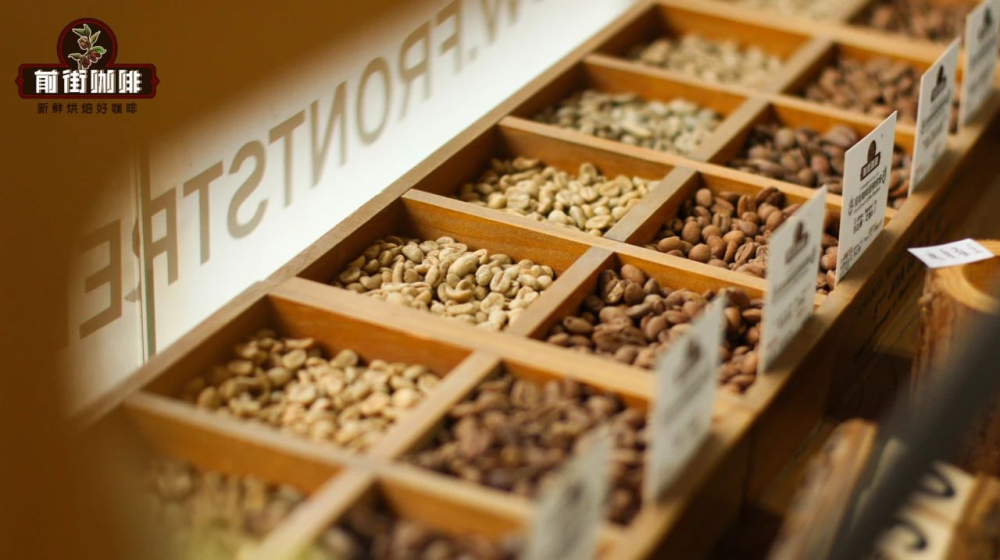
For more specialty coffee knowledge, please follow: Front Street Coffee (Frontsteet Coffee)
In the entire coffee industry chain, the roasting stage is the most fascinating. Unroasted green beans have hardly any aroma, and if eaten directly, they also carry an unpleasant vegetable smell. So, what kind of heat treatment is needed to completely transform the originally bland green beans? Below, Front Street Coffee (FrontStreet Coffee) uses the example of Yirgacheffe roasting to explore the secrets behind coffee roasting.
If you hastily classify a coffee as light roast or dark roast based only on the color depth of the finished beans or the length of roasting time, this approach is not comprehensive. The reason is that the same bean can be roasted quickly or slowly, and different heating rhythms lead to completely different flavor outcomes, even if the final bean surface color looks almost the same.
Coffee beans undergo a series of chemical reactions during roasting, many of which cause the beans to lose weight while moisture is also lost. Slow roasting (completed in 14 to 20 minutes) usually brings a higher weight loss ratio, about 16% to 18%; while fast roasting can finish in as little as 90 seconds. For higher-priced coffee beans, slow roasting often more easily reveals richer flavor layers.
Three main taste elements determine the final direction of a cup of coffee: acidity, sweetness, and bitterness. The general rule is that the longer the total roasting time, the less acidity is retained; conversely, bitterness gradually accumulates as roasting time lengthens. Therefore, the darker the roast, the more bitter it usually tastes.
The roasting process includes several key milestones, and the so-called different roast profiles essentially depend on how quickly a bean passes through these milestones. Many roasters record detailed data for each roast so they can replicate the same flavor with minimal temperature and time deviations.
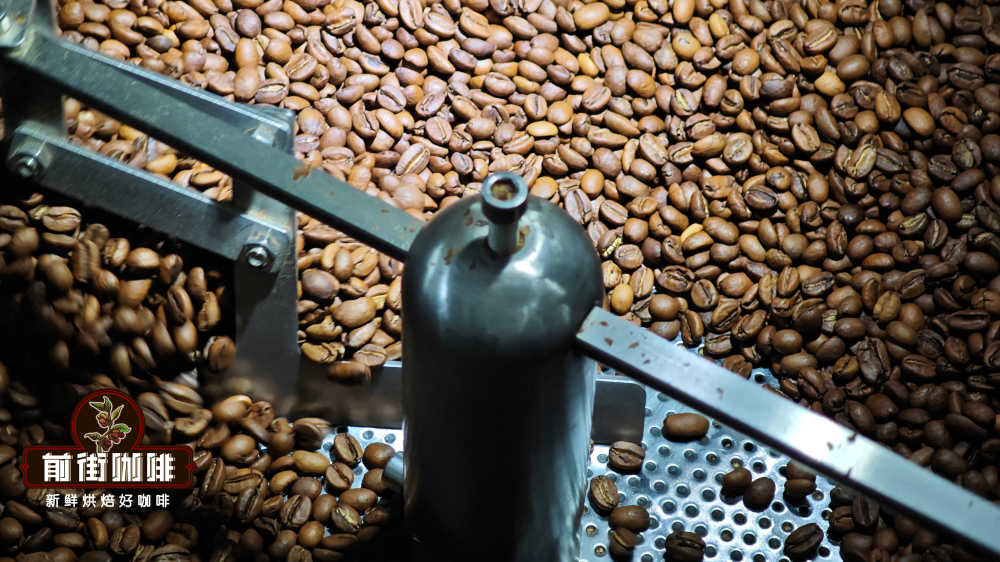
The two cracks of coffee roasting: first crack and second crack
As the roaster temperature rises, water vapor and carbon dioxide are generated inside the bean, and these gases cause the internal pressure of the coffee bean to continuously increase, making the bean expand. When the expansion reaches a critical point, a "pop" sound similar to popcorn bursts out—this is first crack. First crack means the internal cell structure of the coffee bean is destroyed for the first time; second crack is the second destruction. Because gases continue to be produced during roasting, the beans continue to expand, so a sound similar to first crack appears again.
Light roast refers to the stage from the middle of first crack to just after first crack ends. At this point, enzymatic action and the Maillard reaction are still in the early stages, and the organic acids in the coffee beans have not yet been completely broken down, so the acidity is especially prominent, while bitterness is so weak it is almost imperceptible—very suitable for friends who prefer acidic coffee.
The flavors at this stage are mainly floral and fruity acidity, cinnamon, grains, and so on.
Medium roast generally refers to the interval from the end of first crack to before second crack. At this point, caramelization and the Maillard reaction go further. Although acidity is still retained, it is noticeably weaker than in light roast. Acidity, sweetness, and bitterness tend toward balance, so the clean sweetness becomes more prominent, the mouthfeel is smooth, and the main flavor shifts toward caramel, chocolate, and so on.
This type of roast level often allows specialty coffee to show its best characteristics, and it is also the roasting range most commonly used by Front Street Coffee (FrontStreet Coffee).
So back to today's topic: what roast level is actually suitable for Ethiopia's Yirgacheffe?
Taking washed Yirgacheffe as an example, if you prefer intense floral aromas and bright fruity acidity, Front Street's suggestion is to choose light roast or medium roast;
Natural-processed Yirgacheffe inherits most of the advantages of washed processing, but compared with it, it has some extra fruit aroma, while the acidity is not as assertive as washed Yirgacheffe.
Taking Front Street Coffee's (FrontStreet Coffee) Natural Yirgacheffe [Red Cherry] as an example, we selected a medium-light roast for it. This roast level can fully express the best characteristics of this bean while retaining a certain body and a unique fermented wine aroma.
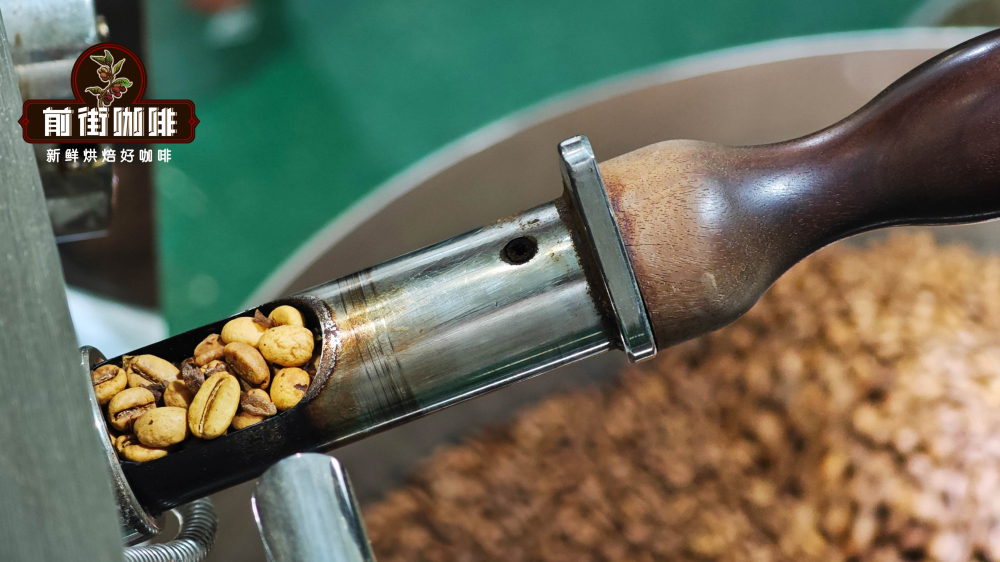
Front Street brewing parameter suggestions:
Dripper: v60 dripper
Water temperature: 90-91°C
Dose: 15g
Water-to-coffee ratio: 1:15
Grind size: medium-fine grind (80% passing Chinese standard No. 20 sieve)
Brewing method: staged extraction
Use a three-stage pour: after starting the timer, pour for the first time to 30g and bloom for 30 seconds; then move to the second stage, pour with a small stream to 125g, and after the coffee bed drops by half, proceed to the third stage, also pouring with a small stream to 225g, wait for extraction to finish, with the total time controlled at about 2 minutes.
Flavor: berries, lemon, fermented fruit aroma, strawberry.
The above content is compiled by CoffeeHunters, a coffee news website.


