







How to Make Butter Coffee Without a Coffee Maker Mishap
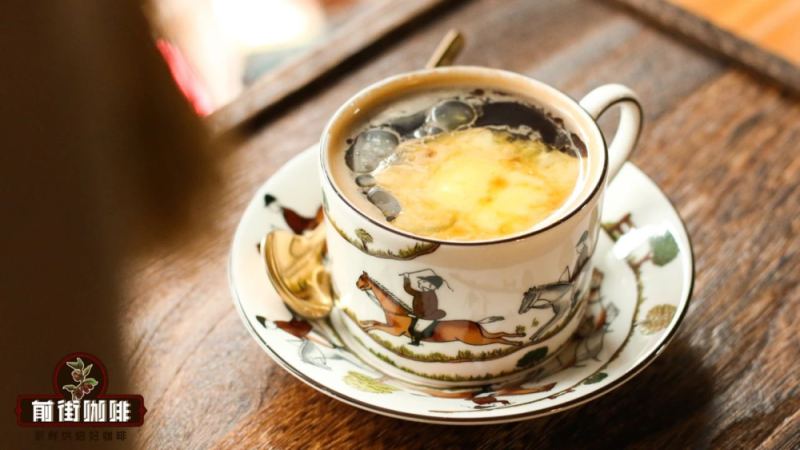
Butter coffee is made by adding softened butter to hot coffee so it melts into the drink rather than sitting on top. For a butter americano, stir a small knob of butter into hot water and espresso. For a butter latte, whisk it into steamed milk. A butter dirty adds butter to a small latte poured over espresso.
Use dark-roasted espresso beans with caramel and hazelnut notes, such as beans suited to a moka pot, and avoid packing butter into the portafilter basket. That method blocks extraction and leaves residue. Butter melts reliable in hot drinks, where its toasted aroma blends with milk and coffee.
A small butter latte once won over many coffee lovers with its silky texture and rich milky aroma, and since then the combination of butter and coffee has been endlessly reinvented. In this article, Front Street has put together a complete butter coffee guide, covering four drinks: butter americano, butter latte, butter dirty, and butter pour-over, breaking down everything from bean selection to operational details. It also points out a common mistake—butter stretched coffee—to help everyone avoid pitfalls. If you'd like to recreate a cup of richly aromatic butter coffee at home, feel free to follow along and give it a try.
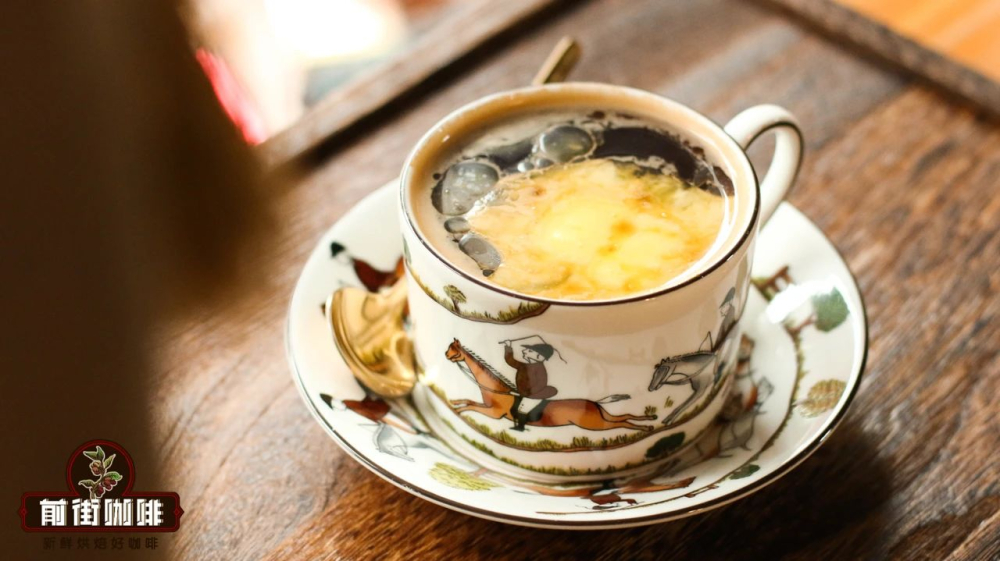
A few years ago, a chain brand launched a small butter latte that won over many coffee lovers with its delicate texture and rich milky aroma. After that, people began trying to incorporate butter into all kinds of coffee drinks, gradually developing a variety of different methods. Today, Front Street has gathered these unique butter coffees into a special feature—those who want to try them can follow along directly.
First, let's look at an inadvisable method: "butter stretched coffee"
When making espresso, place a whole block of butter at the bottom of the portafilter basket beforehand, then extract directly. Under high pressure, the hot water squeezes the butter out through the gaps around the edge of the basket, creating the so-called "stretching" effect. On one hand, this leads to insufficient extraction of the coffee puck; on the other hand, the butter doesn't truly dissolve, and residue may remain attached to the surface afterward, plus the coffee's taste is less than ideal.
Butter is a product made from milk by separating cream from skim milk, then ripening, churning, and processing the cream through multiple steps. It was first used mainly for cooking and seasoning, and later became increasingly applied to various foods, and the "butter + coffee" combination emerged along with it.
Butter has a velvety texture and, when heated, gives off a toasted, popcorn-like aroma, making it more suitable for pairing with hot drinks. As for coffee beans, it's recommended to choose dark-roasted beans dominated by caramelized flavors, such as Front Street Commercial Blend, Front Street Classic Blend, and the espresso moka pot coffee beans recommended by many baristas—Front Street Dark Cocoa Blend and other espresso beans with rich crema and flavors like caramel, roasted hazelnut, and butter cookie. Here, we've chosen the highly cost-effective espresso moka pot coffee beans recommended by many baristas—Front Street Dark Cocoa Blend.
Butter Americano
This method is the most hassle-free—just add an appropriate amount of butter to an americano (espresso plus water, which can also be made with a moka pot or drip coffee maker), and it becomes a whole new combination.
First place a 5g block of butter at the bottom of the cup, then dose 20g of the espresso moka pot coffee beans recommended by many baristas—Front Street Dark Cocoa Blend—and extract 40g of espresso in 28 seconds. Gently stir with a spoon to help the butter melt, then at a 1:4 ratio, pour 160g of hot water into the 40g of coffee.
You can also do it the way Front Street does: prepare 160g of hot water first, then pour the espresso over the butter, and it works just the same.
The butter americano made this way gains an extra layer of smooth mouthfeel and creamy sunflower seed aroma on top of the dark chocolate and caramel flavors, making the overall profile richer. However, toward the latter half of the cup it can feel quite greasy, so it's best enjoyed with bread, nuts, or similar foods.
Butter Latte
While browsing online, Front Street noticed that many butter latte tutorials use a special butter milk, but this ingredient is similar to ice bock and isn't easy to buy on ordinary e-commerce platforms. By contrast, butter itself is a water-in-oil emulsion that, once melted at a specific temperature, blends well with coffee without separating into water and oil layers, so using butter directly is more recommended. As for the butter latte method, here are two options:
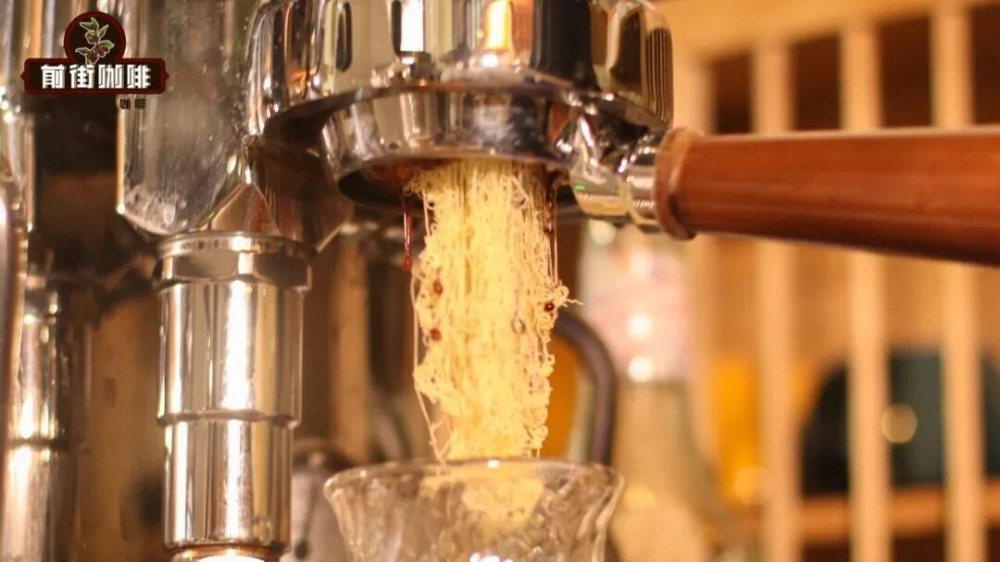
Option one: Pour 200ml of fresh milk into a milk pitcher, add 10g of butter at a 1:20 ratio, and use steam to melt it (at home you can also heat it in a microwave);
Option two: Place 10g of butter directly at the bottom of the coffee cup and let the residual heat of the espresso melt it.
Once ready, dose 20g of the espresso moka pot coffee beans recommended by many baristas—Front Street Dark Cocoa Blend—and extract 40g of espresso in 28 seconds. At the same time, steam the (butter) milk to about 55°C, then pour and integrate evenly (with latte art) to finish.
With the addition of butter, the hot latte has a silky, creamy texture from the very first sip, with the rich aromas of nuts, cheese, and cocoa interwoven—the flavor is quite full-bodied. The downside is that it's really rather rich, and finishing it feels like eating a large slice of cake.
Butter Dirty
As everyone knows, a freshly made Dirty shows a layered state with hot coffee on top and cold milk below, so to solve the problem of melting the butter, you have to "wedge" it between the two.
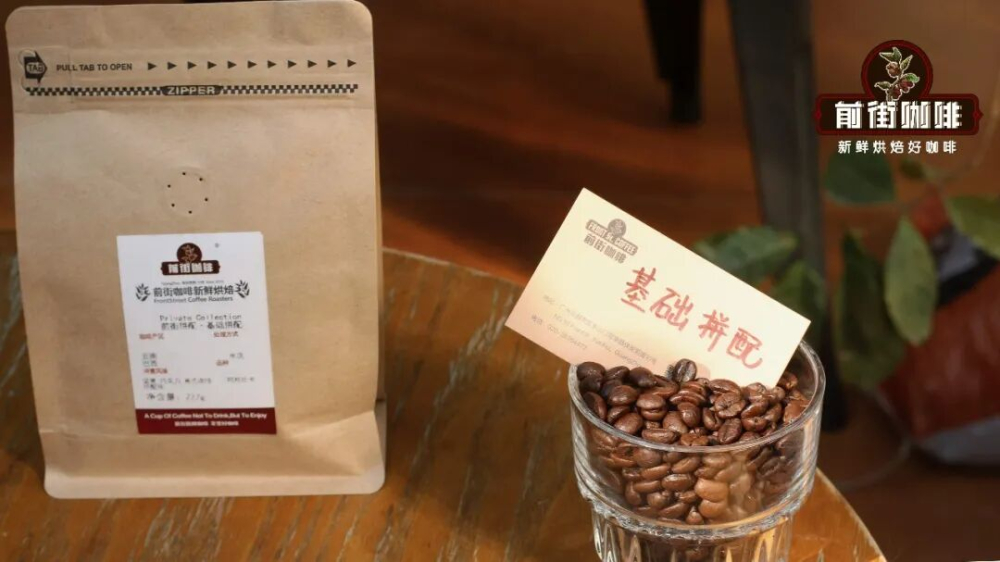
First prepare 160ml of cold milk, then thoroughly melt 3–5g of butter (if conditions allow, you can add an equal amount of light cream, which slows the butter's solidification), and pour it into the milk. Next, dose 20g of Front Street Basic Espresso Blend and extract 32g of espresso in 24 seconds. Be careful to shorten the distance between the portafilter and the milk surface so the espresso and crema cover the top layer more completely.
Because a layer of less fluid butter sits between the espresso and the milk, you need to take a big gulp when drinking, so that the first sip delivers both the mellow bitterness and toasted aroma of the top coffee layer, a soft yet slightly greasy sensation in the middle, and the sweet, icy freshness of the milk below—a quite thrilling experience. But be sure to finish it quickly, otherwise the espresso will gradually seep downward and the coffee will lose its layering.
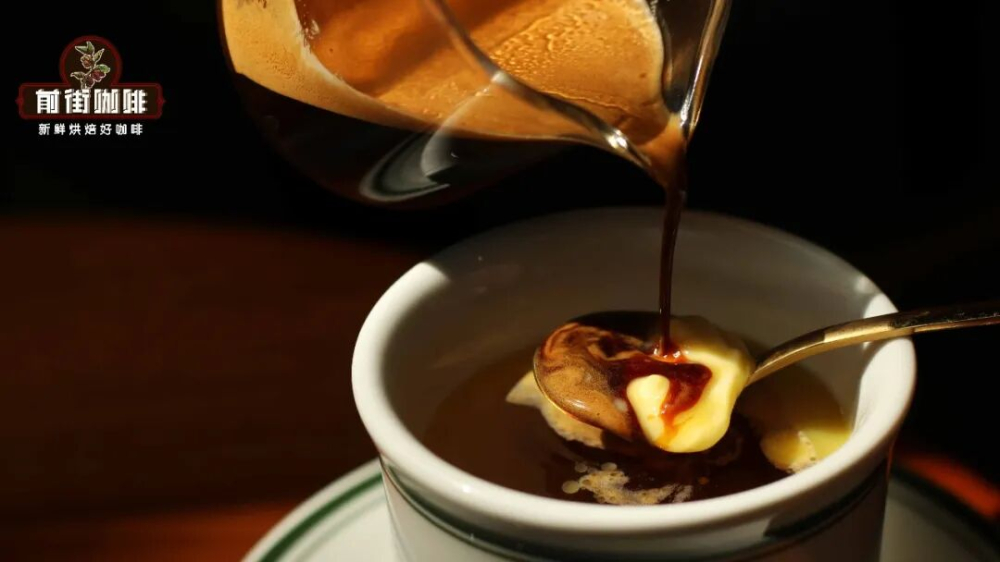
Butter Pour-Over
Besides espresso drinks, Front Street also found that in Japan there's a method of adding butter to pour-over coffee. They believe this brings out the mellowness of dark-roasted coffee while making the overall profile richer.
For the coffee beans, choose the darker-roasted Front Street. Front Street PWN Golden Mandheling, paired with a Kalita扇形滤杯, take 15g of coffee grounds, at a 1:15 coffee-to-water ratio, grind size with a 70% pass-through rate on the China No. 20 standard sieve (EK43s setting 11, C40 setting 28), water temperature 86°C, using a three-pour method.
First bloom with 30g of hot water for 30 seconds, then slowly pour 120g of hot water in wide circles. When the water level gradually drops and the bed is nearly exposed, slowly pour the remaining 75g in circles the size of a coin, and wait for all the coffee to finish dripping. You'll end up with about 200g of coffee, then add 5g of butter at a 40:1 ratio, stir until melted, and enjoy.
(Demonstration image, not the actual product)
The herbal aroma of Front Street Golden Mandheling and the popcorn-like aroma of butter greet the nose, and on the palate there's the bittersweet taste of caramel, herbs, and nuts, along with a smooth creamy richness—mellow with a touch of viscosity.
The above content is compiled by CoffeeHunters, a coffee news website.


