







Why does Golden Mandheling suit a medium-dark roast?
Golden Mandheling is a Mandheling-series bean that suits drinkers who want a full body and low acidity. Medium-dark roasting brings out its herbal, caramel, and pine notes. The roasting process lasts ten to twenty minutes and reaches over 200 degrees Celsius, driving first and second crack while moisture escapes and the bean expands.
Green beans hold large amounts of chlorogenic acid, which breaks down during roasting and releases fruit acids such as acetic, citric, and malic acid. Adequate heat is needed to develop sweetness and body without scorching. For Golden Mandheling, that heat level is what unlocks the caramel and herbal character the bean is known for.
For pour-over enthusiasts who prefer a rich, full-bodied taste and dislike pronounced acidity, the medium-dark roasted Mandheling series has always been a popular choice. Front Street Coffee's PWN Golden Mandheling, as a representative of this series, has its flavor charm closely tied to the roasting method. This article will start from the chemical principles of roasting, analyzing how caramelization and the Maillard reaction shape coffee flavor, explaining why medium-dark roasting can fully bring out the herbal, caramel, and pine notes of Golden Mandheling, and providing specific roasting curves and two brewing methods to help readers fully understand the flavor sources and extraction key points of this bean.
[Introduction]
Recently, many coffee enthusiasts have favored pour-over brews with lower acidity. In addition to the light-medium roasted [Front Street Sun-Dried Red Cherry] and [Front Street Sidamo Huakui], the medium-dark roasted [Front Street Brazil Queen], [Front Street Honduras], [Front Street PWN Golden Mandheling], and [Front Street Huila] are also worth trying. If pursuing a full and thick mouthfeel, Front Street will prioritize recommending beans from the [Mandheling] series. So here's the question—can light-medium roasted beans really not produce a rich mouthfeel? Let's analyze this one dimension at a time below.
1. Roasting process:
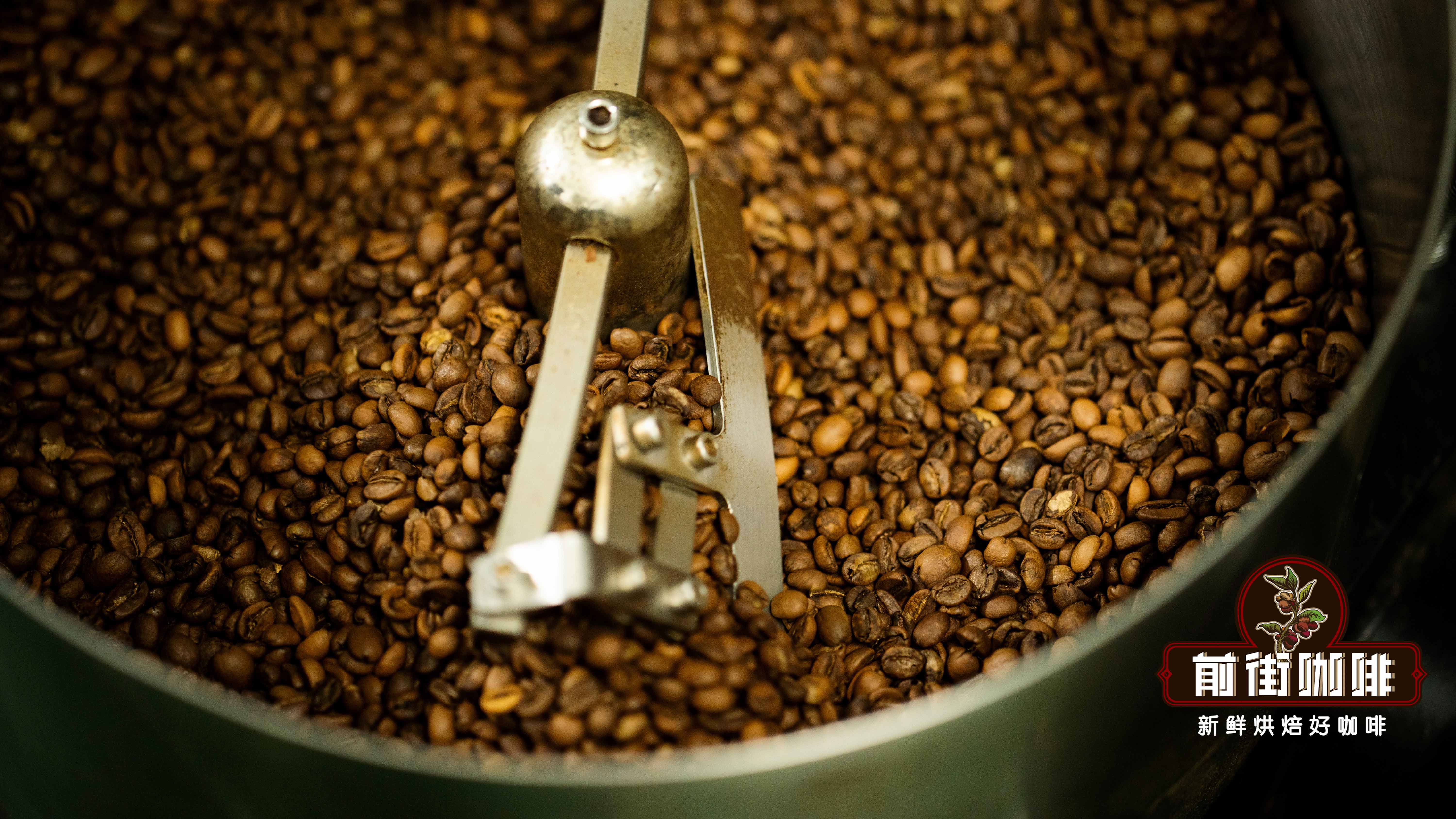
The essence of coffee roasting is the process of transforming the chemical and physical properties of green beans into roasted beans. The entire process lasts ten to twenty minutes, with temperatures climbing to over two hundred degrees Celsius, undergoing multiple chemical changes, accompanied by the sounds of first crack and second crack, similar to popcorn popping, while moisture continually escapes, causing the green beans to expand, and changing in color, taste, aroma, and density, ultimately forming coffee's unique flavor.
Green beans and roasted beans are roughly similar in acidity, protein, and caffeine content, but green beans lack pleasant flavors. Green beans contain a large amount of chlorogenic acid; as roasting progresses, chlorogenic acid gradually decomposes, releasing familiar and pleasing fruit acids—such as acetic acid, citric acid, and malic acid commonly found in wine. Proper roasting can moderately reveal these high-quality acids. At the same time, roasting requires sufficient heat to drive the Maillard reaction and caramelization reaction. As the color darkens, aromatic oils are gradually released, and the texture becomes crisp.
What is the caramelization reaction?
The sugars contained in coffee beans undergo caramelization at approximately 170–200°C, which exactly corresponds to the melting point of sucrose (185°C) and the temperature range of first crack during roasting. Caramelization is the "oxidation" or "browning" process of sugars when heated, and the products can be divided into two categories:
1. Dehydration products of sugars, namely caramel or caramel color;
2. Cracking products, mainly some volatile aldehydes and ketones.
In summary, caramelization brings fire-roasted aroma, caramel flavor, and color, while generating aromatic substances such as maltol, cyclotene, and furan compounds, which are also present in foods like red wine, fruit juice, and cream.
But excessive caramelization during roasting is not a good thing either; instead, it leads to carbonization, causing coffee to have an unpleasant dry bitterness and throat-clenching sensation. Insufficient caramelization makes the aroma monotonous and lacking in layers.
What is the Maillard reaction?
In short, it is the degradation and polymerization reaction between sugars and proteins or amino acids in the beans, with color darkening accordingly and unique aromas being generated—such as the smoky burnt smell of burning plant fibers, creamy sweet aroma, and the brown bread aroma of toasted bread. Most of these rich flavors originate from the Maillard reaction during roasting.
Its course is roughly: in the early stage, carbonyl-amine condensation and Amadori molecular rearrangement; in the middle stage, the Amadori rearrangement product fructosamine dehydrates to form HMF (hydroxymethylfurfural), fructosamine loses its amino group to become a reductone, and amino acids interact with dicarbonyl compounds; in the late stage, aldol condensation, and polymerization reactions generating melanoidins.
When sugars are cooked together with proteins or amino acids, the Maillard reaction occurs. In sugar-containing ingredients, in addition to caramelization, some sugars interact with the latter to trigger a series of chemical reactions, generating more diverse compounds. In short, its flavor is richer than simple caramelization. Not only coffee beans, but chocolate, maple syrup, and brewed beer are also products of the Maillard reaction.
2. How does the roasting process affect flavor?
The aromas produced by caramelization and the Maillard reaction are as follows:
(1) Caramelization: sweet, sour, bitter, fruity, sherry-like odor, butterscotch, caramel, nuts
(2) Maillard reaction: savory, floral, onion and meaty, green vegetables, chocolate, potato and earthy, smoky, stuffy, pungent, as well as the above caramelization aromas
The two reactions occur simultaneously, but the complex chemical mechanisms of caramelization and the Maillard reaction have not yet been fully deciphered by scientists, and many flavorful compounds still cannot be completely identified. Different roasting degrees also produce different flavor expressions. In our [36 Aroma Vials], the flavor expressions of light, medium, and dark roasts are basically covered, corresponding to the [Enzymatic Group], [Caramel Group], [Dry Distillation Group], and [Defect Group] respectively.
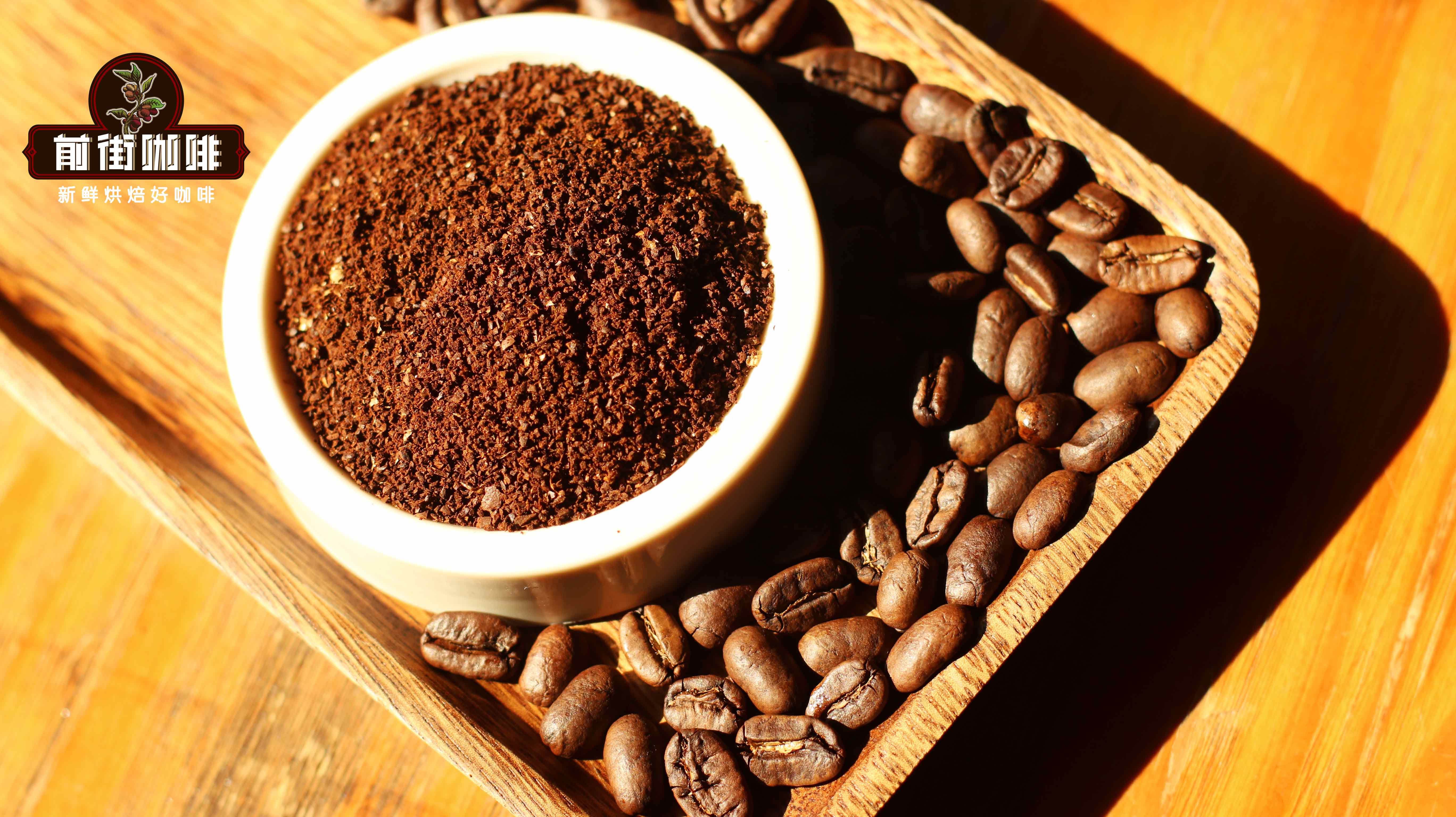
Light-roasted beans mostly present the fruity acidity of the [Maillard Group], such as lemon, coffee flower, apricot, etc.; medium-roasted beans mostly present the caramel aroma of the [Caramelization Group], such as roasted almonds, hazelnuts, roasted peanuts, etc.; dark-roasted beans present the pungent aroma of the [Dry Distillation Group], such as cedar, pepper, clove.
For medium-dark roasted beans, caramelization is nearing its end, dominated by the Maillard reaction, producing resinous, spicy, and carbonized notes. Front Street Golden Mandheling performs better under medium-dark roasting, with elegant woody aroma, cedar, fir notes, and turpentine flavor, with a smooth mouthfeel and thick body.
3. How to roast to bring out the better flavor of [Front Street Golden Mandheling]?
Before roasting Front Street Golden Mandheling, we roughly determine the roasting direction based on planting information. Front Street Golden Mandheling is grown at an altitude of 1100–1600 meters, produced in the Lintong region of North Sumatra, Indonesia, with a humid climate. To speed up drying, the wet-hulled process is used: fully ripe cherries are picked entirely by hand one by one to ensure initial bean selection quality, then placed in barrels for dry fermentation, allowing the pectin sugars to fully ferment to add flavor, usually for 12 to 36 hours depending on the situation; then sun-dried for 1–2 days, and when the moisture is dried to 35–40%, the parchment is removed with a huller, then sun-dried again until the moisture content reaches about 12%–15%.
This bean is a green bean with relatively high moisture, with a high deviation value in moisture compared to sun-dried beans, so the dehydration stage requires special attention. For green beans with high moisture content, you can close the damper immediately after charging, soak for 30 seconds, then open to 3, until the green bean color turns light green or white, open the damper to 4, and after first crack open to 5 (maximum).
Simply put, roast Front Street Golden Mandheling thoroughly from inside to outside, and on the basis of roasting it through, use better roasting techniques to fully express the flavor of this bean. Caramelization is the most critical link affecting coffee flavor. After six to seven minutes of roasting, the green beans absorb a large amount of heat energy, initiating pyrolysis reactions, and the first crack sound appears; some sugars convert into carbon dioxide, moisture continues to evaporate, and new aromatic components gradually develop, forming the so-called coffee oils, and combining with hundreds of aromatic substances such as nicotinic acid, citric acid, quinic acid, malic acid, acetic acid, and caffeine.
The pyrolysis reaction can continue until second crack. Although caramelization is an important process for awakening aromatic spirits, as roasting time lengthens, some components will also be carbonized, forming undesirable astringent and bitter substances. The key is how to obtain the highest caramelization while minimizing carbonization, avoiding the production of defect flavors such as charcoal and tire.
Roasting curve:
Charge when the drum temperature reaches 200°C, set the damper to 3, adjust the flame to 160°C after 1 minute, keep the damper unchanged, roast until 5'40'', temperature 148°C, the bean surface turns yellow, the grassy smell completely disappears, dehydration is complete, adjust the flame to 140°C, change the damper to 4;
At 9'40'', ugly wrinkles and dark streaks appear on the bean surface, the toasted bread smell clearly turns into coffee aroma, which can be defined as the prelude to first crack. At this time, listen carefully to the sound of the first crack point. At 9'54'', first crack begins, reduce the flame to 60°C, open the damper fully (adjusting the flame must be very careful, not so small that there is no cracking sound), and discharge at 204.5°C.
Flavor characteristics:
Front Street Golden Mandheling has a high-quality herbal plant aroma, a stronger caramel sweetness, and a relatively steady and elegant fruity acidity, with a rich sweetness, and a full-bodied, wild spice flavor. Generally, Front Street Lintong Mandheling is best roasted until after second crack before discharging, which can effectively reduce off-flavors, but Front Street Golden Mandheling discharged before second crack still has good transparency and sweetness, with a broader space for roasting interpretation.
4. How to brew [Front Street Golden Mandheling]?
Medium-dark roasted beans generally have a higher dehydration rate, so they are relatively light in weight. During brewing, the grounds do not completely sink to the bottom, and once water is poured in, it is immediately absorbed. Due to vigorous degassing, the grounds are surrounded by bubbles, thus creating channels, and the fresher the beans, the longer these channels last, causing the water level to drop rapidly. I generally use a thick stream of water and slowly go around in circles.
First brewing method:
1. Dripper: KONO
2. Water temperature: 86–88°C
3. Grind size: granulated sugar
4. Roast level: medium-dark roast
5. Blooming time: 30 seconds
Flavor: varied layers, clean, balanced, with a long-lasting caramel sweetness in the finish.
Specific method: 17g coffee, ground with a Fuji ghost tooth burr at setting 4, KONO dripper, 86–88°C water temperature, first pour 30g of water, bloom for 30s, then pour continuously in one go at high temperature without stopping, water-to-coffee ratio 1:14, extraction time about 1:50, finish extraction at 238g.
Second brewing method:
Dripper: Hario V60
Water temperature: 86–88°C
Grind size: Fuji grinder setting 4
Brewing method: 1:15 water-to-coffee ratio, 15g coffee, first pour 30g of water, bloom for 30s, second pour until 120g of water then stop, wait for the water level in the coffee bed to drop to half before pouring again, pour slowly until 225g of water, extraction time about 2:00
Analysis: Using a three-stage brewing method clearly defines the front, middle, and back flavors of the coffee; because the V60 has many ribs and a faster drainage speed, stopping the pour can extend the extraction time, better extracting the nutty and chocolate notes in the finish.
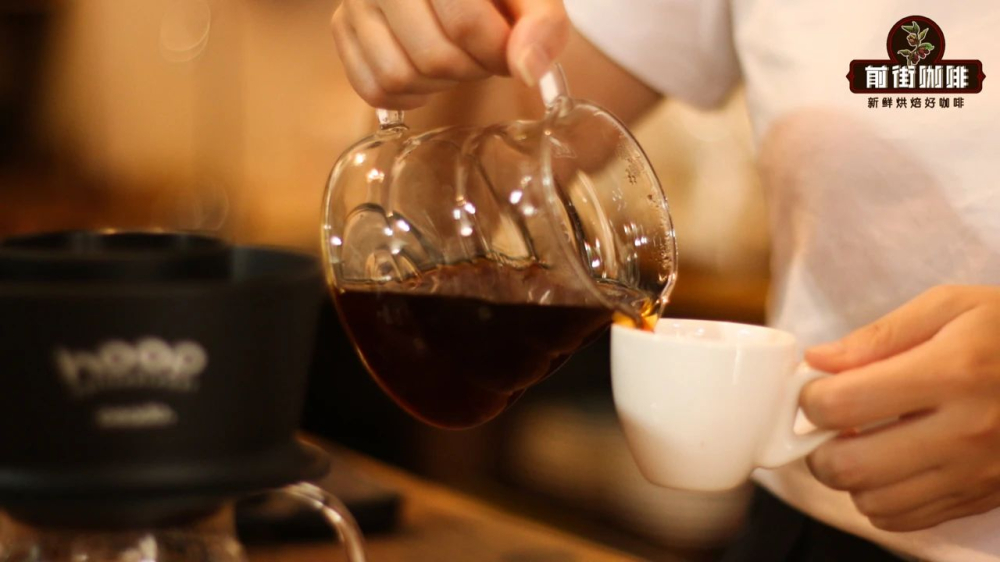
Flavor: varied layers, overall clean, relatively thin mouthfeel, long-lasting caramel sweetness in the finish, with a hint of bitterness.
Overall, only medium-dark roasted [Front Street Golden Mandheling] can display its caramel, pine, high-quality herbal, and slight spice pungency, bringing a solid mouthfeel.
The above content is compiled by CoffeeHunters, a coffee news website.


