







Why Does Arabica Coffee Clash With Caramel Popcorn Flavor?
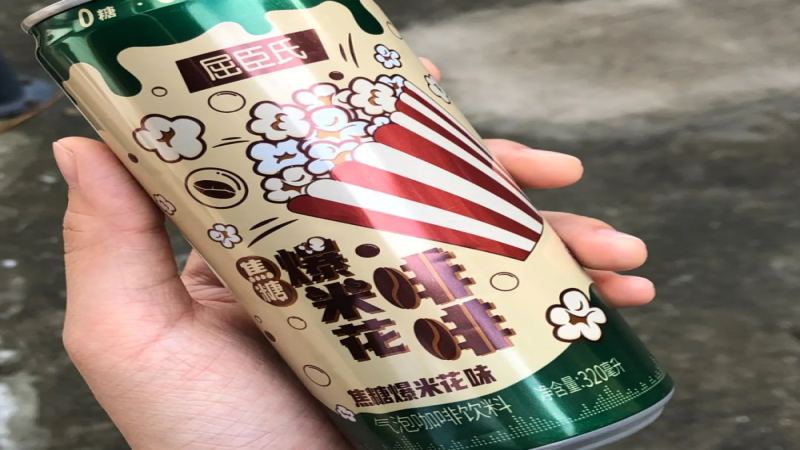
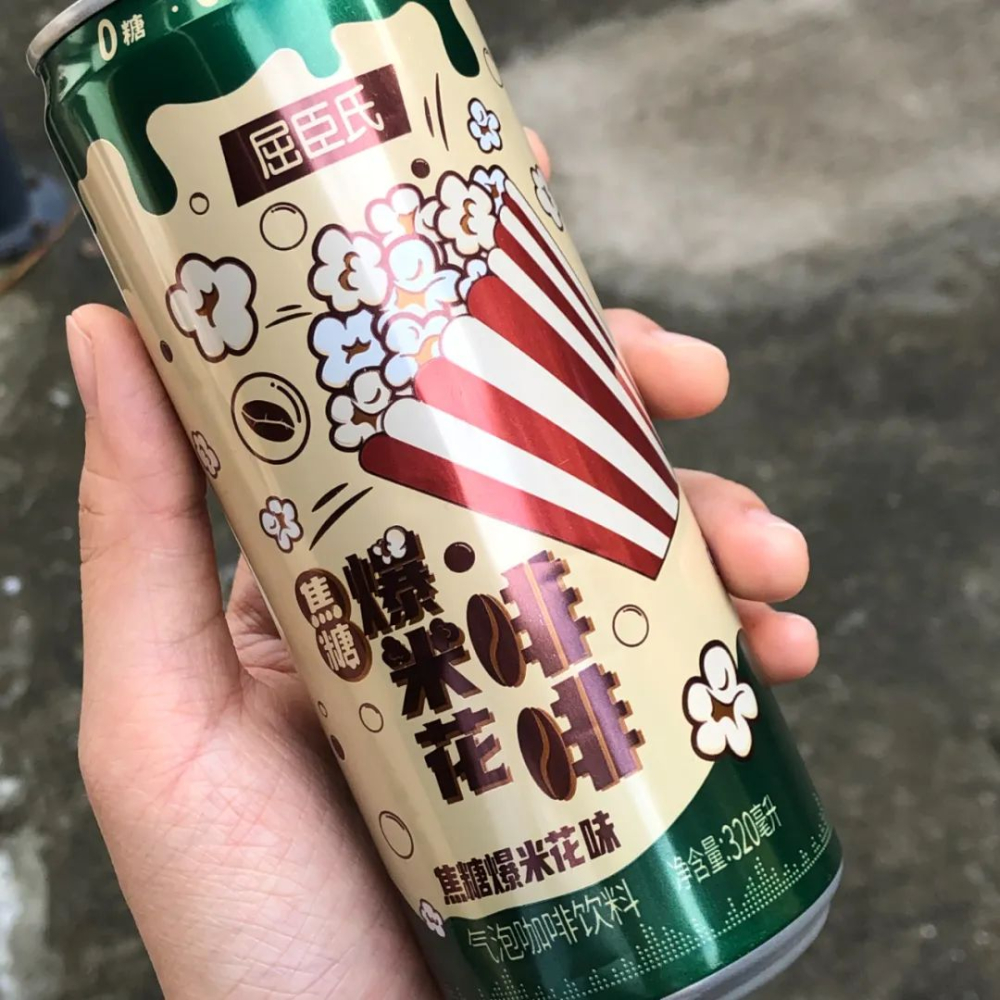
A new caramel popcorn sparkling coffee sold in Guangdong freezers uses arabica coffee, a zero-sugar formula, and bubbles, and the result is mixed. The bright acidity of the arabica black coffee meets caramel popcorn, carbonation, and zero-calorie sweetener all at once, so the layers stay busy instead of blending. One taster poured the drink out after a single sip.
The product itself is not faulty: drinkers who like caramel or zero-calorie sparkling coffee may enjoy it. The problem is flavor pairing. Creative coffee drinks that chase novelty often stack too many strong elements, and arabica's natural acidity is an easy one to overpower or misalign. A clearer, simpler pairing would give the coffee room to read as coffee.
Recently, a creative new coffee product called "Caramel Popcorn Coffee" has appeared in beverage freezers in Guangdong, sparking curiosity among many coffee lovers. This product features Arabica coffee beans, a zero-sugar formula, and a sparkling mouthfeel, claiming to blend caramel popcorn flavor. However, the actual tasting experience is mixed—the acidity of the coffee interweaves with caramel popcorn, bubbles, and zero-calorie sweetener. Although the layers are rich, they are not harmonious with each other, creating an indescribably subtle sensation in the mouth. Starting from this product, this article will explore the common problem in today's creative coffee market of prioritizing appearance over flavor pairing, analyze the dual impact of uncoordinated flavors on consumer experience and brand reputation, and consider how creative coffee can truly help more people enter the world of coffee.
Recently, have friends in Guangdong noticed that a new coffee drink has quietly appeared in beverage freezers—"Caramel Popcorn Coffee"?
The more "outrageous" something sounds, the more I can't resist trying it... So I bought it without a second thought. At the time, I didn't really read what was written on the packaging, and when I twisted off the cap and heard a "ci" sound, I didn't pay much attention either. I assumed it was just an ordinary milk coffee, so I took a direct sip...
How should I put it? After that sip, I immediately turned back to carefully read the text on the packaging... "Arabica coffee," "zero-sugar formula," "creative coffee beverage," "bubbles impact the taste buds, sweet caramel popcorn flavor, full of fun and quirky taste experience".
To be honest, every single thing described on the packaging, I genuinely felt. The Arabica black coffee, under the enhancement of caramel popcorn flavor, fully revealed its distinctive acidity. Coupled with fine, soft bubbles, the overall layering of the mouthfeel was further amplified. And after the bubbles dissipated, the zero-calorie sweetener left a rather strong and unique aftertaste in the mouth.
I can't say it tastes bad, only that it's subtle—so subtle that I poured it out after one sip... It really isn't bad. Perhaps people who prefer caramel flavors or enjoy zero-calorie sparkling coffee would appreciate it. The reason I poured it out is that the flavor layers are all too complex; instead of complementing each other, they actually fight on the tongue.
The original intention behind creative coffee was to give people who have never encountered coffee a chance to take their first step, and to let coffee bloom with unique charm with the help of other ingredients. But currently, whether among pre-packaged coffee manufacturers or specialty coffee shops, many developers of creative coffee understand it only at the level of looking good and being novel, while leaving the crucial matter of flavor pairing behind...
Undeniably, any beverage needs to first catch the eye with its appearance before it has a chance to be tried. But once the ingredients and the coffee clash in flavor, making a creative coffee that leaves consumers with mixed feelings after one sip, it's truly hard to get more people who don't normally drink coffee to fall in love with coffee because of it.
Of course, it's possible some people will like this kind of product, but the launch of any creative coffee must consider the level of public acceptance. Although most customers who order creative coffee aren't in it for the coffee itself, consumers can surely taste the lack of harmony in the flavor layers.
From the consumer's perspective, the loss is merely one coffee experience not worth the money; but for the merchant, launching a product with no repeat purchase rate means daily operating costs are invisibly increasing, and at the same time, a coffee beverage with unreasonable flavor pairing will drag down the brand's reputation.
I believe that in the future, the first cup of coffee for the main coffee-consuming demographic will very likely start with today's creative coffee. To make coffee loved by more people and to make more people willing to learn about and understand coffee, we should start with products that ordinary consumers can accept and do the groundwork solidly.
Image source: Internet
Professional coffee knowledge exchange, more coffee bean information, please follow Coffee Workshop (WeChat public account: cafe_style)
For more specialty coffee beans, please add private WeChat Front Street Coffee (FrontStreet Coffee), WeChat ID: qjcoffeex
The above content is compiled by CoffeeHunters, a coffee news website.


